Kumarakom Bird Sanctuary – A Haven for Migratory Birds in Kerala

Kumarakom Bird Sanctuary , Kumarakom
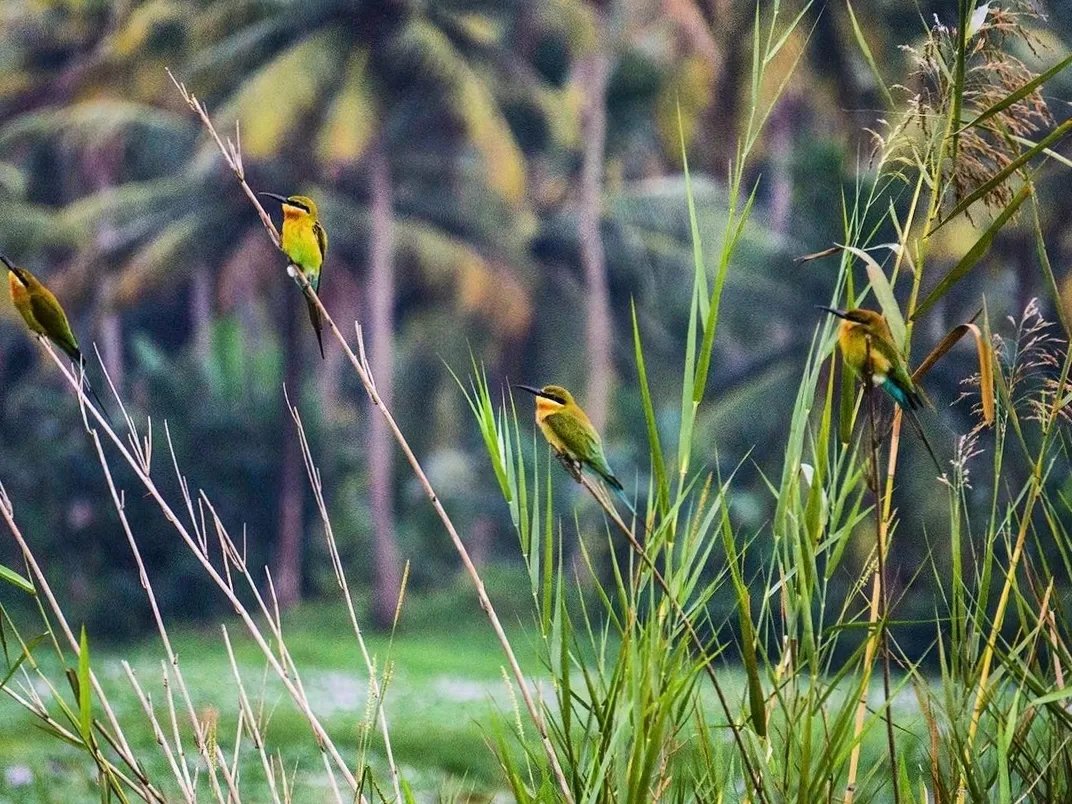
Kumarakom Bird Sanctuary is located on the banks of Vembanad Lake near Kottayam and is one of the best birdwatching destinations in Kerala. The sanctuary is home to a wide variety of resident and migratory birds, including herons, egrets, kingfishers, and Siberian cranes during migration seasons. Surrounded by lush greenery and tranquil backwaters, the sanctuary offers nature trails and boat rides, making it ideal for bird lovers and eco-tourists.

Quick Facts About Kumarakom Bird Sanctuary

Entry Fee 50
Timings 06:30 - 18:00
Altitude (m) 0
Ideal Visit Duration (hrs) 3
Best Time of Day Morning
Crowd Level Moderate
Distance from Kottayam (km) 16
Walking Difficulty Easy
Parking Available Yes
Last Mile Access Road
Suitable for Kids Yes
Suitable for Seniors Yes
Wheelchair Friendly No

Why Visit Kumarakom Bird Sanctuary

Why Visit

Kumarakom Bird Sanctuary is a prime destination for birdwatchers and nature enthusiasts, set along the eastern banks of Vembanad Lake in Kerala. Visitors come to observe a wide variety of resident and migratory birds in their natural wetland habitat, making it an enriching experience for those interested in ecology, photography, and quiet nature-based exploration.

Atmosphere

The atmosphere is tranquil, green, and immersive, shaped by dense vegetation, calm backwaters, and the sounds of birdsong. Walking trails wind through mangroves and groves, creating a peaceful environment that encourages slow movement and attentive observation. Early mornings feel especially serene and rewarding, with higher bird activity and cooler air.

What Makes it Special

What makes Kumarakom Bird Sanctuary special is its role as a seasonal haven for migratory birds such as Siberian cranes, herons, egrets, and darters (migration patterns vary by year). Located within the Vembanad wetland system, a Ramsar-listed site, the sanctuary highlights the ecological importance of Kerala’s backwaters. Its accessibility combined with rich biodiversity makes it one of South India’s most approachable and rewarding birding locations.

History of Kumarakom Bird Sanctuary

Kumarakom Bird Sanctuary is located on the eastern banks of Vembanad Lake in Kottayam district, Kerala. The area was historically part of low-lying wetlands and mangrove forests associated with the lake system, supporting rich biodiversity and seasonal bird movement long before it was formally recognized as a protected zone.

During the period of the Kingdom of Travancore, the region was maintained as a private bird refuge by the royal family, primarily used for controlled hunting and leisure activities. This early form of protection inadvertently helped preserve the wetland habitat and its avian diversity.

In the later 20th century, the area was designated as a bird sanctuary, marking a shift from royal use to conservation-oriented management. Since then, Kumarakom Bird Sanctuary has played an important role in the protection of migratory and resident bird species, becoming an integral part of Kerala’s wetland conservation history and the ecological legacy of the Vembanad lake system.

Best Time to Visit – Kumarakom Bird Sanctuary

The best time to visit Kumarakom Bird Sanctuary in Kerala is from October to March, when the weather is pleasant and migratory birds arrive in large numbers. This period offers comfortable temperatures, clearer skies, and ideal conditions for birdwatching along the Vembanad Lake wetlands and forested trails.

  • October–November: Onset of migratory season with increasing bird activity and lush post-monsoon greenery.
  • December–February: Peak birdwatching season—best time to spot migratory species like Siberian cranes, egrets, herons, and darters.
  • March: Gradual departure of migratory birds; still good for resident species and scenic walks.
  • April–May (Summer): Hot and humid; bird activity is lower, but early mornings can still be rewarding.
  • June–September (Monsoon): Heavy rainfall with dense vegetation; fewer visitors and limited bird visibility, but the sanctuary appears lush and vibrant.

Best time of day: 6:30 AM to 10:00 AM is ideal for visiting Kumarakom Bird Sanctuary, as birds are most active during early morning hours and lighting conditions are best for observation and photography.

  • Birdwatching tip: Early morning visits increase chances of spotting both migratory and resident birds.
  • Photography tip: Soft morning light and calm backwaters create excellent conditions for nature photography.
  • Experience note: Walking trails and canoe rides offer different perspectives of the sanctuary ecosystem.

How to Reach Kumarakom Bird Sanctuary

Kumarakom Bird Sanctuary is located at Kumarakom village on the eastern banks of Vembanad Lake, in Kottayam district, Kerala. The sanctuary is easily accessible from Kottayam town and major tourist hubs in central Kerala.

  • By Air (Nearest airport): The nearest major airport is Cochin International Airport, approximately 75–80 km away. From the airport, hire a taxi or pre-booked cab to Kumarakom via Kottayam. Travel time is usually around 2–2.5 hours.
  • By Train (Nearest railway station): Kottayam Railway Station is the closest major railhead, about 13–15 km from Kumarakom. From the station, taxis and auto-rickshaws are readily available to reach the bird sanctuary.
  • By Road: Kumarakom is well connected by road from Kottayam, Kochi, and nearby towns. KSRTC and private buses operate toward Kumarakom. From the Kumarakom bus stop, the sanctuary is accessible by auto-rickshaw or a short walk.
  • Taxi / Private Cab: Hiring a taxi from Kottayam or Alleppey is the most convenient option, especially for families and birdwatchers carrying equipment. Drivers are familiar with the sanctuary entrance.
  • By Water (Scenic access): Boats and ferries operate on Vembanad Lake from Alleppey and nearby jetties. Reaching Kumarakom by water offers a scenic approach, followed by a short walk or auto ride to the sanctuary.
  • Self-drive: Self-driving to Kumarakom is straightforward via state highways. Parking facilities are available near the sanctuary entrance.
  • Travel tips (EEAT): Visit early morning or late afternoon for better bird activity. Wear comfortable footwear for walking trails, carry binoculars, and follow sanctuary rules to avoid disturbing wildlife.

What to Expect When You Visit Kumarakom Bird Sanctuary

Kumarakom Bird Sanctuary is a protected wetland ecosystem on the eastern banks of Vembanad Lake in Kerala, known for its rich birdlife and tranquil backwater setting. The visit is nature-centric and unhurried, focused on birdwatching, quiet forest walks, and observing wetland ecology rather than fast-paced sightseeing.

  • Wetland and mangrove landscape: expect a mix of backwaters, canals, mangroves, and shaded forest paths that create ideal habitats for birds.
  • Seasonal bird diversity: resident species are seen year-round, while migratory birds are more prominent during the winter months.
  • Early-morning best experience: bird activity is highest in the morning, making this the most rewarding time for visits.
  • Quiet walking trails: exploration is mainly on flat, shaded paths suitable for slow walks rather than long hikes.
  • Boat-based viewing option: some visitors combine walking with boat rides along the sanctuary’s waterways for broader viewing angles.
  • Minimal infrastructure inside: facilities are basic, reinforcing the natural and undisturbed character of the sanctuary.
  • Photography-friendly environment: birds, reflections on water, and lush greenery make it ideal for nature photography, especially in soft light.
  • Calm and low-noise atmosphere: silence is encouraged to avoid disturbing wildlife, enhancing the sense of immersion.
  • Weather-sensitive conditions: humidity, heat, or light rain can affect comfort—carry water, insect repellent, and sun protection.
  • Best suited for nature lovers: the sanctuary appeals most to birdwatchers, photographers, and travelers seeking peaceful nature experiences.

Tip for a smoother visit: arrive early, wear muted clothing, carry binoculars if possible, and approach the visit with patience—birdwatching rewards stillness and time.

Important Visitor Information – Kumarakom Bird Sanctuary

  • Crowd & Weather Notes: Kumarakom Bird Sanctuary sees higher visitor numbers during peak season (October to March), weekends, and winter months when migratory birds arrive. The backwater climate is humid; monsoon months (June to September) bring heavy rainfall, lush greenery, and occasional muddy trails, while winters are pleasant.
  • Peak / Quiet Hours: Peak hours are mid-morning to early afternoon when most visitors arrive. Early morning is the best and quietest time for birdwatching, photography, and guided nature walks.
  • Dress Code: No formal dress code applies. Wear light, comfortable clothing in neutral colors to avoid disturbing wildlife. Closed footwear is recommended for walking on forest paths; carry hats and sun protection.
  • Safety Notes: Stay on designated trails and follow Forest Department guidelines. Do not disturb birds or collect natural materials. Carry insect repellent, especially in humid conditions, supervise children closely, and keep personal belongings secure.

Photography and Viewpoint – Kumarakom Bird Sanctuary

Kumarakom Bird Sanctuary, located on the eastern banks of Vembanad Lake in Kottayam district, Kerala, is a renowned wetland ecosystem known for its rich birdlife, mangrove vegetation, and tranquil backwater setting. Photography here centers on birdwatching documentation, habitat storytelling, and serene nature compositions rather than dramatic viewpoints, making patience and quiet observation essential.
  • Best light for photography: Early morning is ideal, offering soft light, active bird movement, and calm water reflections along the lake and canals.
  • Birdwatching trail viewpoints: Designated walking paths and watch areas provide controlled vantage points for photographing resident and migratory birds.
  • Water-edge compositions: Frame birds against backwater channels, mangroves, and lotus-filled stretches to capture the sanctuary’s wetland character.
  • Wide vs. telephoto strategy: Telephoto lenses are essential for bird photography, while wide lenses work well for habitat and landscape context shots.
  • Seasonal birdlife visuals: Migratory species are more prominent during winter months, adding diversity and activity to photography opportunities.
  • Bird-in-flight techniques: Use faster shutter speeds and continuous shooting modes to capture movement, especially near open water.
  • Mobile photography tips: Use burst mode, avoid digital zoom, and stabilize your phone against railings or trees when possible.
  • Quiet & patience approach: Move slowly, maintain silence, and wait at clearings to allow birds to return naturally to view.
  • Crowd & timing awareness: Weekday mornings offer fewer visitors and better chances of undisturbed wildlife moments.
  • Responsible photography etiquette: Avoid flash, do not disturb nests or birds, stay on marked paths, and follow sanctuary guidelines to protect this sensitive wetland habitat.

Near By Attraction

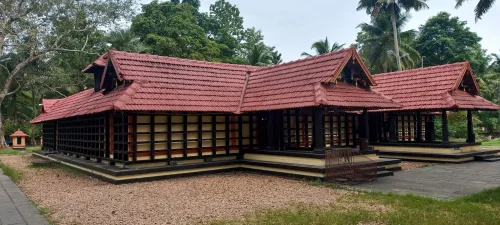
Vaikom Mahadeva Temple, Kerala ancient Shiva temple with traditional Kerala architecture and deepastambha lamps Temple

Vaikom Mahadeva Temple

Vaikom Mahadeva Temple is an ancient Hindu temple near Kumarakom, dedicated to Lord Shiva and revered for its deep spiritual heritage.

Ettumannoor Shri Mahadeva Temple, Kerala ancient Shiva temple with traditional tiled roof and illuminated sanctum at dusk Temple

Ettumanoor Shri Mahadeva Temple

Ettumanoor Shri Mahadeva Temple is a revered Hindu temple in Kerala, dedicated to Lord Shiva and known for its historic murals.

Frequently Asked Questions About Kumarakom Bird Sanctuary

The best time to visit Kumarakom Bird Sanctuary is from November to February when migratory birds are commonly seen. Early morning hours provide better bird watching opportunities.
Kumarakom Bird Sanctuary is generally open from morning until late afternoon. Timings may vary slightly on public holidays or special occasions.
Kumarakom Bird Sanctuary charges a nominal entry fee for visitors. Additional charges may apply for camera usage or guided services.
Kumarakom Bird Sanctuary can be reached easily by taxi bus or private vehicle as it is well connected by road. Nearby jetties also provide access by boat.
Most travelers spend two to three hours at Kumarakom Bird Sanctuary exploring the walking trails. Bird watchers may require additional time depending on sightings.
Kumarakom Bird Sanctuary is known for species such as herons egrets kingfishers and migratory birds during winter months. Sightings depend on season and weather conditions.
Kumarakom Bird Sanctuary is suitable for families who are comfortable with walking along shaded trails. Children should be supervised near water edges.
Guided tours are available at Kumarakom Bird Sanctuary to help identify bird species and explain the ecosystem. Hiring a guide can improve the overall experience.
Visitors to Kumarakom Bird Sanctuary should carry comfortable footwear water binoculars and insect repellent. Light clothing is recommended for daytime visits.
Kumarakom Bird Sanctuary can be combined with nearby backwater cruises village walks and lakeside resorts. These attractions are usually accessible within short travel distance.

Loved this place ? Let’s Plan Your Kerala Trip

Get customized Kerala tour planning designed around monsoon seasons, backwater cruising routes, hill travel timing, and comfortable coastal stays. Whether you are visiting for houseboat experiences, beach relaxation, wildlife reserves, cultural heritage,

⚡ Quick Response | 💰 Free consultation | 🕒 24×7 expert support

×

Plan Your Trip