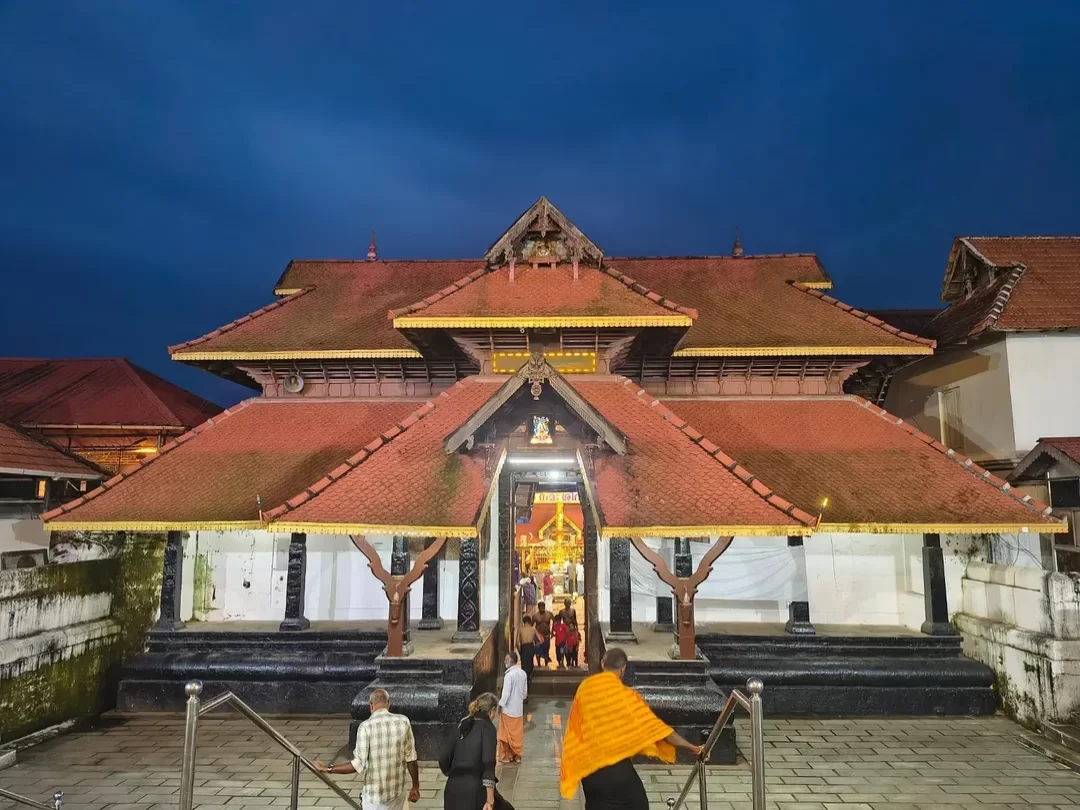
Quick Facts About Ettumanoor Shri Mahadeva Temple
| Entry Fee |
Free |
| Timings |
04:00 - 12:00 |
| Altitude (m) |
10 |
| Ideal Visit Duration (hrs) |
1 |
| Best Time of Day |
Morning |
| Crowd Level |
High |
| Distance from Kottayam (km) |
11 |
| Walking Difficulty |
Easy |
| Parking Available |
Yes |
| Last Mile Access |
Road |
| Suitable for Kids |
Yes |
| Suitable for Seniors |
Yes |
| Wheelchair Friendly |
No |
Why Visit Ettumanoor Shri Mahadeva Temple
Why Visit
Ettumanoor Shri Mahadeva Temple is one of Kerala’s most revered Shaivite temples, dedicated to Lord Shiva and renowned for its spiritual depth and artistic heritage. Visitors come to seek blessings, witness time-honoured rituals, and experience a temple that has been a major centre of worship and culture in central Kerala for centuries.
Atmosphere
The atmosphere is deeply devotional and traditional, marked by the rhythmic sound of temple bells, chanting, and oil lamps illuminating the interiors. The temple complex feels calm yet powerful, especially during morning and evening worship when devotees gather in focused reverence. Despite its popularity, the space maintains a strong sense of order and sanctity.
What Makes it Special
What makes Ettumanoor Shri Mahadeva Temple special is its exceptional Kerala-style architecture and iconic mural of Nataraja (the cosmic dancer), considered one of the finest temple paintings in the state. The temple is closely associated with major festivals such as the annual Ezharaponnana Ezhunallathu, which draws large numbers of devotees. Its blend of spiritual significance, ritual continuity, and artistic excellence makes it a landmark of Kerala’s religious heritage.
History of Ettumanoor Shri Mahadeva Temple
Ettumanoor Shri Mahadeva Temple is located in Ettumanoor town, Kottayam district, Kerala, and is one of the most ancient and prominent Shiva temples in the region. The temple is dedicated to Lord Shiva and has been a major centre of Shaivite worship in central Kerala for centuries.
The temple’s origins are traditionally traced to the early phases of temple development in Kerala, with its present structure reflecting successive periods of expansion and renovation under local rulers and temple-centered communities. The architecture follows the classic Kerala temple style, characterized by a circular sanctum, wooden carvings, and a copper-plated roof, highlighting the region’s indigenous building traditions.
Ettumanoor Temple holds a significant place in Kerala’s temple history for its ritual practices and artistic heritage, including its renowned mural paintings, most notably the depiction of Nataraja in the inner sanctum. Over time, the temple became closely associated with regional festivals and pilgrimage traditions, maintaining its status as a historically continuous spiritual institution deeply rooted in Kerala’s religious landscape.
Best Time to Visit – Ettumanoor Shri Mahadeva Temple
The best time to visit Ettumanoor Shri Mahadeva Temple in Kottayam district, Kerala, is from October to March, when the weather is pleasant and suitable for temple darshan and ritual participation. Lower humidity and moderate temperatures during this period make it comfortable for devotees to attend poojas and spend time within the historic temple complex dedicated to Lord Shiva.
- October–November: Comfortable post-monsoon climate—ideal for regular darshan and temple visits.
- December–February: Coolest months—best for early morning and evening worship in a calm atmosphere.
- March: Still suitable, though daytime warmth increases—morning visits are recommended.
- April–May (Summer): Hot and humid; early morning and late evening darshan are more comfortable.
- June–September (Monsoon): Heavy rainfall; temple rituals continue, but movement around the premises may be affected.
Best time of day: 4:30 AM to 9:00 AM and 5:00 PM to 7:30 PM are ideal for darshan, aligning with traditional pooja timings and offering a spiritually serene experience.
- Spiritual tip: Early morning darshan allows devotees to experience the temple in a quieter, more focused setting.
- Festival insight: The annual Ettumanoor Festival (usually during February–March) draws large crowds—plan visits in advance.
- Dress code note: Modest traditional attire is recommended in keeping with Kerala temple customs.
How to Reach Ettumanoor Shri Mahadeva Temple
Ettumanoor Shri Mahadeva Temple is located in Ettumanoor town, Kottayam district, Kerala. The temple lies close to the main MC Road (SH 1) and is one of the most easily accessible major Shiva temples in central Kerala.
- By Air (Nearest airport): The nearest major airport is Cochin International Airport, approximately 75–80 km away. From the airport, hire a taxi or app-based cab to Ettumanoor via Kottayam. Travel time is usually around 2 to 2.5 hours.
- By Train (Nearest railway station): Kottayam Railway Station is the closest major railhead, located about 10 km from Ettumanoor. From the station, taxis and auto-rickshaws are readily available to reach the temple.
- By Road: Ettumanoor is well connected by road to Kottayam, Kochi, and nearby towns. KSRTC and private buses frequently operate on the MC Road route and stop at Ettumanoor Temple Bus Stop, which is close to the temple entrance.
- Taxi / Auto-rickshaw: Taxis and auto-rickshaws are easily available from Kottayam town and Ettumanoor junctions. Ask for direct drop-off at Ettumanoor Mahadeva Temple.
- Self-drive: Self-driving is convenient via MC Road. Parking facilities are available near the temple, though they may be restricted during major festivals and peak darshan hours.
- Walking access: Visitors staying in Ettumanoor town can comfortably reach the temple on foot from nearby lodges, shops, and bus stops.
- Travel tips (EEAT): Early morning and evening are ideal for darshan. Dress modestly as per temple customs, and expect heavy crowds during festivals such as Ezharaponnana and Shivaratri.
What to Expect When You Visit Ettumanoor Shri Mahadeva Temple
Ettumanoor Shri Mahadeva Temple is one of the most ancient and revered Shiva temples in Kerala, located near Kottayam. The visit is deeply devotional and tradition-centered, known for its powerful rituals, classic Kerala temple architecture, and strong spiritual atmosphere rather than tourist-oriented exploration.
- Highly active place of worship: expect a steady flow of devotees throughout the day, with peak intensity during morning and evening poojas.
- Classic Kerala temple architecture: the temple features sloping tiled roofs, wooden structures, a traditional nalambalam, and a prominent copper-plated roof.
- Renowned mural and wooden artwork: the interior ceilings and panels display historic murals and carvings, including the famous Pradosha dance depiction.
- Strong ritual discipline: temple customs are strictly followed, and visitors are expected to observe silence, decorum, and ritual guidelines.
- Sacred Shiva worship focus: the temple is especially significant during Pradosham and Shivaratri, drawing large numbers of devotees.
- Dress code and entry norms: modest attire is required; men may need to follow traditional dress practices in inner areas, and footwear must be removed.
- Limited photography access: photography is generally restricted within the temple complex—observe temple rules carefully.
- Short but spiritually intense visit: most visitors focus on darshan and prayer rather than prolonged movement within the complex.
- Festival-driven crowds: during major festivals and auspicious days, expect heavy crowds and longer waiting times.
- Local religious significance: the temple plays a central role in the spiritual life of the surrounding region rather than serving as a tourist monument.
Tip for a smoother visit: arrive early in the morning for a calmer darshan, dress conservatively, and approach the visit with patience and reverence for living temple traditions.
Important Visitor Information – Ettumanoor Shri Mahadeva Temple
- Crowd & Weather Notes: Ettumanoor Shri Mahadeva Temple experiences heavy footfall, especially during festivals such as Ettumanoor Festival and Shivaratri, as well as on Mondays and auspicious days. The region has a humid tropical climate; summers are warm, monsoon months (June to September) bring heavy rainfall, and winters are relatively comfortable.
- Peak / Quiet Hours: Peak hours are early morning and evening during pooja and deeparadhana times. For a calmer darshan, late morning to early afternoon on weekdays is preferable, avoiding major festival days.
- Dress Code: Modest, traditional attire is required. Shoulders and knees must be covered. Men may be expected to follow customary temple practices as per local norms. Footwear must be removed before entering the temple premises.
- Safety Notes: Follow temple rules and instructions from temple authorities, especially during crowded festivals. Be cautious on smooth or wet floors during monsoon. Keep personal belongings secure and maintain silence and decorum inside the temple.
Photography and Viewpoint – Ettumanoor Shri Mahadeva Temple
Ettumanoor Shri Mahadeva Temple, located in Kottayam district, Kerala, is one of the most ancient and revered Shiva temples in the state, celebrated for its classic Kerala temple architecture, mural paintings, and sacred ambience. Photography here focuses on architectural documentation, heritage artistry, and devotional atmosphere, with strict respect for temple customs and worship practices.
- Best light for photography: Early morning and late afternoon provide soft, even light for exterior shots and highlight textures on temple walls and roofs.
- Architectural composition ideas: Frame the sloping tiled roofs, gabled structures, and wooden elements to showcase traditional Kerala temple design.
- Mural & art documentation: Where permitted, focus on exterior murals and decorative elements that reflect the temple’s historic artistic heritage.
- Courtyard & approach views: Use the temple courtyard and entrance pathways for balanced, symmetrical compositions that convey spatial harmony.
- Devotional atmosphere shots: Capture wide frames of devotees and lamps from a respectful distance to convey spiritual energy without intrusion.
- Wide vs. detail photography: Wide lenses suit full-structure views, while detail shots highlight carvings, lamps, bells, and roof textures where allowed.
- Mobile photography tips: Use gridlines for straight verticals, expose for shaded surfaces, and avoid flash to maintain sanctity.
- Crowd & timing awareness: Visit outside peak puja and festival hours for quieter conditions and unobstructed compositions.
- Dress code & etiquette: Modest attire is mandatory; photography should never block ritual movement or disturb worship.
- Responsible religious-site photography: Follow temple signage strictly, avoid inner sanctum photography, and prioritize reverence over imagery.
Near By Attraction
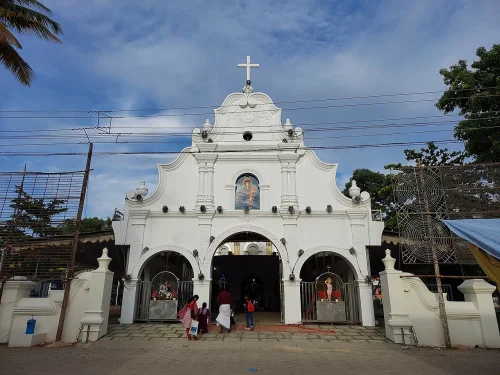 Church
St. Mary's Church Kudavechoor
St. Mary's Kudavechoor Church is a historic Roman Catholic church located in Kudavechoor near Kumarakom, Kottayam district, Kerala, India.
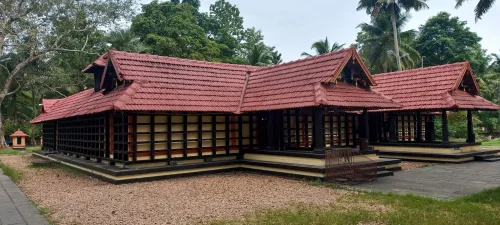 Temple
Sasthakulam Devi Temple
Sasthakulam Devi Temple is a Hindu temple located in Kumarakom, Kottayam district, Kerala, India.
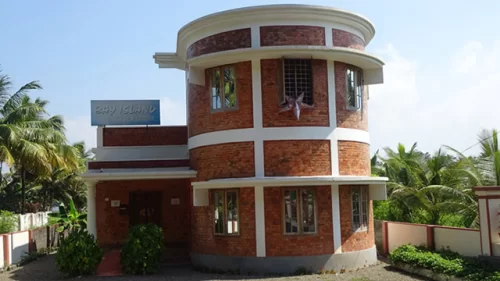 Museum
Bay Island Driftwood Museum
Bay Island Driftwood Museum is a private museum in Kochi showcasing driftwood sculptures collected from the Andaman and Nicobar Islands.