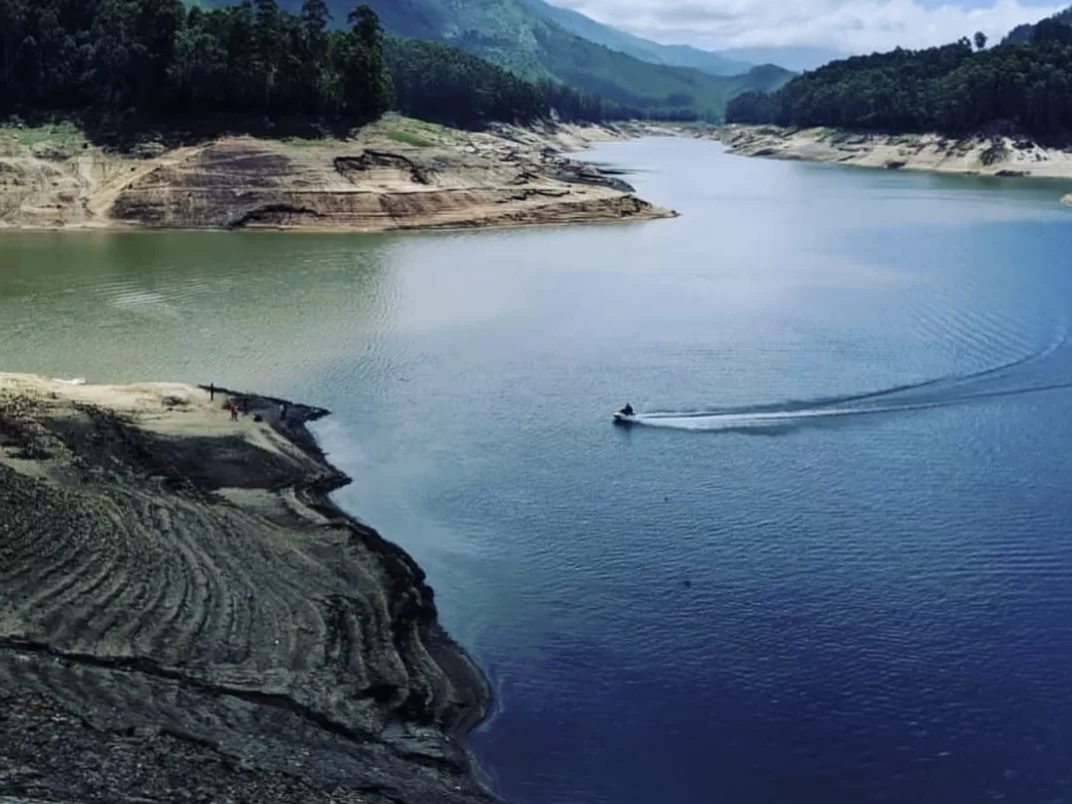
Quick Facts About Mattupetty Dam
| Entry Fee |
Free |
| Timings |
09:30 - 17:00 |
| Altitude (m) |
2695 |
| Ideal Visit Duration (hrs) |
2 |
| Best Time of Day |
Morning |
| Crowd Level |
High |
| Distance from City Centre (km) |
13 |
| Walking Difficulty |
Easy |
| Parking Available |
Yes |
| Last Mile Access |
Road |
| Suitable for Kids |
Yes |
| Suitable for Seniors |
Yes |
| Wheelchair Friendly |
No |
Why Visit Anamudi & Mattupetty Dam Munnar
Why Visit
Anamudi and Mattupetty Dam together showcase two very different yet complementary sides of Munnar—the raw, high-altitude wilderness and a serene, human-shaped landscape. Anamudi, the highest peak in South India, represents the ecological heart of the Western Ghats, while Mattupetty Dam offers an accessible and scenic introduction to Munnar’s water bodies and surrounding hills. Visiting both gives travellers a well-rounded understanding of the region’s natural diversity.
Atmosphere
The atmosphere around Anamudi feels remote, cool, and pristine, defined by misty slopes, grasslands, and a sense of protected wilderness within Eravikulam National Park. In contrast, Mattupetty Dam has a relaxed and picturesque feel, with still waters reflecting forested hills and a gentle buzz of visitors enjoying viewpoints and boating areas. Together, they balance quiet ecological immersion with easygoing sightseeing.
What Makes it Special
What makes this combination special is the contrast it offers: Anamudi’s status as a biodiversity-rich peak within a strictly conserved national park, and Mattupetty Dam’s role as a scenic reservoir that enhances Munnar’s landscape without overpowering it. Anamudi is closely associated with endemic flora and fauna of the Western Ghats, while Mattupetty is known for its panoramic views and calm setting. Experiencing both highlights how conservation, geography, and human planning coexist in the Munnar region.
History of Anamudi Mattupetty Dam Munnar
Mattupetty Dam is located near Munnar in Idukki district, Kerala, at the foothills of Anamudi, the highest peak in the Western Ghats and in peninsular India. The dam was constructed in the mid-20th century as part of the Munnar Hydel Project under the management of the Kerala State Electricity Board (KSEB), primarily to support hydroelectric power generation and water regulation in the region.
The surrounding area, including the slopes leading toward Anamudi, was historically shaped by British-era tea plantation development, while the higher elevations remained ecologically sensitive grassland and shola forest zones. The dam’s reservoir altered the local landscape, creating a large water body that blended into the natural contours of the hills rather than forming a purely industrial structure.
Over time, Mattupetty Dam gained prominence beyond its functional role due to its scenic setting and proximity to Anamudi and Eravikulam region. It became closely associated with Munnar’s transition from a plantation-centered hill station to a structured tourist destination, while continuing to remain part of the state’s hydel infrastructure and environmental management framework.
Best Time to Visit – Anamudi & Mattupetty Dam Munnar
The best time to visit Anamudi Peak surroundings and Mattupetty Dam in Munnar is from October to March, when the weather is cool, dry, and ideal for sightseeing, photography, and outdoor activities. During these months, visibility is clearer, temperatures remain comfortable, and the landscapes of tea gardens, hills, and the reservoir are at their most scenic.
- October–November: Fresh post-monsoon greenery, flowing water at the dam, and pleasant weather—excellent for nature views.
- December–February: Coolest and most comfortable season—best for enjoying panoramic views of Anamudi and leisurely time around Mattupetty Lake (carry warm layers).
- March: Still suitable, though afternoons begin to warm—morning visits are recommended.
- June–September (Monsoon): Heavy rainfall with mist and fog; dam views are dramatic but visibility can be limited and access may be affected—check local advisories.
- April–May (Pre-summer): Mildly warm but manageable; early mornings and late afternoons offer the best experience.
Best time of day: 8:00 AM to 11:00 AM provides clear views of Anamudi’s slopes and calm conditions around Mattupetty Dam before mist and tourist traffic increase later in the day.
- Viewpoint tip: Winter mornings offer the clearest visibility of Anamudi Peak (trekking access to the summit itself is restricted—Data not officially verified).
- Photography tip: Morning light reflects beautifully on Mattupetty Lake, enhancing landscape shots.
- Planning note: Weekdays are quieter; weekends and holidays attract heavy tourist traffic in this zone.
How to Reach Anamudi Mattupetty Dam munnar
Anamudi viewpoint access and Mattupetty Dam are located on the Munnar–Mattupetty route in Idukki district, Kerala. Mattupetty Dam lies about 13 km from Munnar town, while Anamudi (within Eravikulam National Park) is viewed from designated points and is not directly accessible by private vehicles.
- By Air (Nearest airport): The nearest major airport is Cochin International Airport (COK), around 110–115 km from Munnar. From the airport, hire a taxi or pre-booked cab to Munnar. From Munnar town, proceed toward Mattupetty by local taxi or sightseeing vehicle.
- By Train (Nearest railway station): The closest major railheads are Aluva Railway Station and Ernakulam Junction (South). From either station, continue by road to Munnar. After reaching Munnar, local transport is required to access Mattupetty Dam and nearby viewpoints.
- By Road (Most practical option): Munnar is well connected by road from Kochi, Aluva, and other Kerala cities. KSRTC and private buses operate regularly to Munnar Bus Stand. From there, take a taxi, auto-rickshaw, or sightseeing bus toward Mattupetty Dam.
- Taxi / Local Cab: Local taxis are the most convenient way to visit Mattupetty Dam and nearby Anamudi viewpoints. Most half-day or full-day Munnar sightseeing packages include this route.
- Auto-rickshaw (Limited suitability): Autos can reach parts of the Mattupetty route, but for comfort on hill roads and flexible stops, taxis are preferred.
- Self-drive: You can self-drive up to Mattupetty Dam via well-marked hill roads. Drive carefully due to sharp bends and tourist traffic. Parking is available near the dam area. Entry toward Anamudi inside Eravikulam National Park is restricted to authorized vehicles only.
- Travel advisory (EEAT): Access to Anamudi is governed by Forest Department regulations and seasonal closures of Eravikulam National Park (notably during Nilgiri tahr calving season). During monsoon months (June–September), fog and slippery roads are common. Always verify current access rules locally before planning (Data not officially verified).
What to Expect When You Visit Anamudi Mattupetty Dam munnar
Anamudi–Mattupetty Dam is a scenic high-altitude reservoir area near Munnar, set against rolling hills, tea plantations, and forested slopes of the Western Ghats. Expect a relaxed sightseeing experience centered on natural beauty, cool weather, and calm water views rather than a structured heritage or adventure attraction.
- Wide lake and hill panoramas: the dam reservoir offers expansive views of still water surrounded by green hills, making it one of the most visually soothing stops around Munnar.
- Pleasant mountain climate: temperatures are generally cooler than the plains, with mist and wind common—light jackets are useful even outside winter months.
- Boating-oriented experience: boating is a major draw here, though availability depends on weather, water levels, and local management schedules.
- Minimal walking effort: sightseeing is largely roadside or near parking areas, suitable for families and visitors preferring low physical exertion.
- Photography-friendly landscape: reflections on the water, tea-covered slopes, and drifting clouds make this a strong photo stop, especially in the morning.
- Crowds during peak season: holidays and peak tourist months can bring heavy visitor traffic, affecting parking and quiet enjoyment.
- Limited on-site facilities: amenities are basic; food stalls and restrooms may be limited or located slightly away from the main viewpoints.
- Forest-edge surroundings: the area lies close to protected forest zones—wildlife sightings are rare but possible; feeding animals is strictly discouraged.
- Weather-dependent visibility: fog and rain, especially during monsoon months, can reduce visibility and affect boating operations.
- Easy to combine with nearby attractions: Mattupetty Dam fits naturally into routes including Echo Point, Kundala Lake, and tea garden viewpoints.
Tip for a smoother visit: arrive early in the day for clearer views and easier parking, check boating availability locally, and keep some buffer time if you’re traveling during peak tourist season.
Important Visitor Information – Anamudi & Mattupetty Dam, Munnar
- Crowd & Weather Notes: Both Anamudi region and Mattupetty Dam see high visitor numbers during peak season (October to March), weekends, and holidays. The area has cool mountain weather year-round; monsoon months (June to September) bring heavy rainfall, fog, and slippery roads, while winters can be cold and windy, especially in the mornings.
- Peak / Quiet Hours: Peak hours are late morning to afternoon when sightseeing vehicles arrive. For fewer crowds and clearer views, visit early morning on weekdays. Evenings around Mattupetty Dam can also attract visitors for lake views.
- Dress Code: No formal dress code applies. Wear warm layers due to cool temperatures, and comfortable footwear with good grip for walking near viewpoints and dam areas.
- Safety Notes: Access to Anamudi Peak itself is restricted and only permitted with prior authorization from forest authorities—unauthorized trekking is not allowed. Follow Forest Department guidelines, stay on designated paths, and be cautious near water edges at Mattupetty Dam. Drive carefully on narrow, misty hill roads and follow any seasonal access restrictions; exact closure details may be marked as Data not officially verified if not formally announced.
Photography and Viewpoint – Anamudi & Mattupetty Dam Munnar
Anamudi (the highest peak in South India) and Mattupetty Dam are two of Munnar’s most visually significant natural landmarks, both located in Idukki district, Kerala. While Anamudi Peak itself lies within Eravikulam National Park and is not open for trekking, viewpoints around the region offer distant views of its massive shola-covered slopes. Mattupetty Dam, set amid rolling hills and forests, provides calm water reflections and expansive valley perspectives, making this combined area ideal for landscape, nature, and wide-angle photography.
- Best light for photography: Early morning is ideal for both locations, offering soft light, misty hills, and clearer views of Anamudi’s silhouette; late afternoon adds warm tones and texture to dam-side landscapes.
- Anamudi viewpoint compositions: Use distant vantage points and wide lenses to frame Anamudi Peak rising above surrounding grasslands and forests—clear weather is essential for visibility.
- Mattupetty Dam reflections: Calm mornings provide mirror-like reflections of hills and sky on the reservoir, creating balanced and symmetrical compositions.
- Foreground framing techniques: Include grass, rocks, guardrails, or tree branches in the foreground to add depth to wide landscape shots around the dam.
- Wide vs. telephoto strategy: Wide lenses work best for dam panoramas and peak landscapes, while telephoto lenses help isolate Anamudi’s contours or compress layered hill ranges.
- Seasonal atmosphere shots: Post-monsoon months bring lush greenery and dramatic clouds, while summer offers clearer skies (exact peak clarity periods: Data not officially verified).
- Mobile photography tips: Use panorama mode cautiously for hillscapes, tap to expose for mid-tones on hills, and keep horizons level for natural-looking frames.
- Wildlife & nature context: Occasional sightings of birds and grazing animals near forest edges can add scale—photograph from a distance and avoid disturbing habitats.
- Crowd & timing awareness: Mattupetty Dam can be busy during peak tourist hours—visit early for cleaner compositions and quieter surroundings.
- Safety & responsible photography: Stay within designated viewpoints, avoid dam-edge risks, do not enter restricted forest zones near Anamudi, and follow all local and forest department guidelines.
Near By Attraction
 Viewpoint
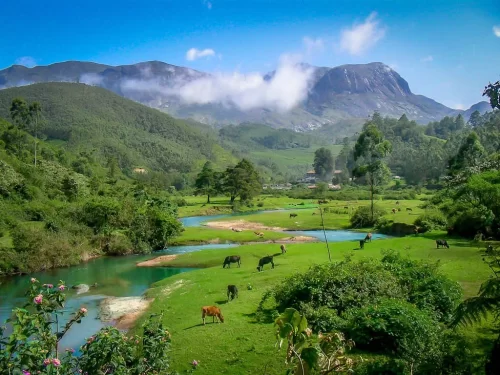
Anamudi View Point
Anamudi View Point is a scenic viewpoint in Munnar offering views of Anamudi, the highest peak in South India.
 Waterfall
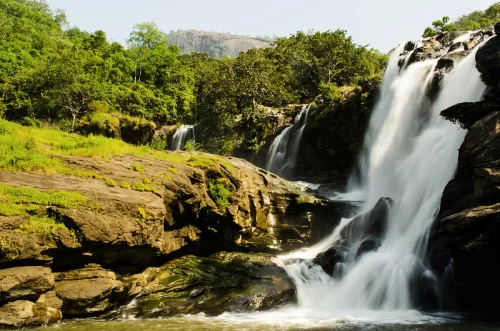
Nayamakad Waterfall
Nyayamakad Waterfalls is a waterfall located on the Munnar–Rajamala road in the Western Ghats of Kerala.
 Wildlife Sanctuary
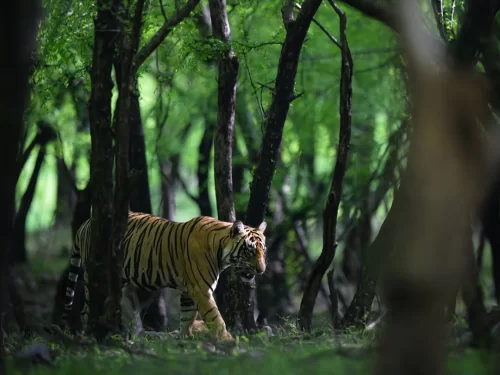
Chinnar Wildlife Sanctuary
Chinnar Wildlife Sanctuary is a protected forest area near Munnar, known for its diverse wildlife and rare dry thorn forest ecosystem.