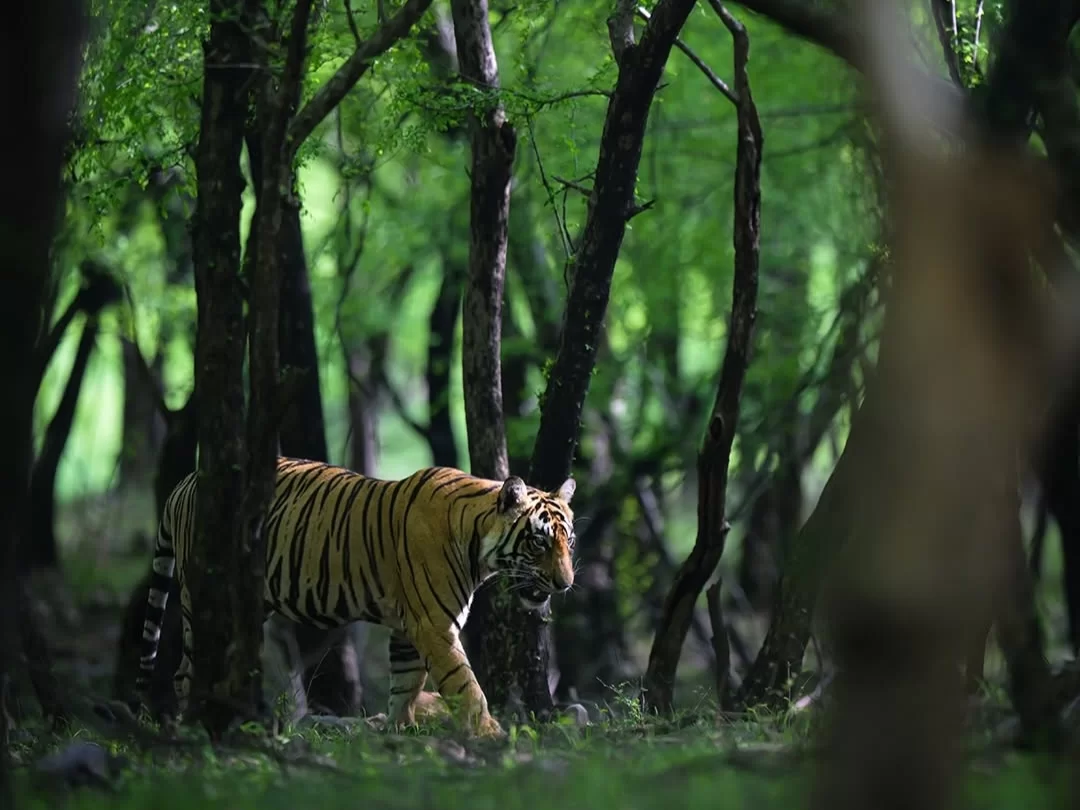
Quick Facts About Chinnar Wildlife Sanctuary
| Entry Fee |
10 |
| Timings |
06:00 - 18:00 |
| Altitude (m) |
2400 |
| Ideal Visit Duration (hrs) |
4 |
| Best Time of Day |
Morning |
| Crowd Level |
Moderate |
| Distance from City Centre (km) |
60 |
| Walking Difficulty |
Moderate |
| Parking Available |
Yes |
| Last Mile Access |
Road |
| Suitable for Kids |
Yes |
| Suitable for Seniors |
No |
| Wheelchair Friendly |
No |
```
Why Visit Chinnar Wildlife Sanctuary
Why Visit
Chinnar Wildlife Sanctuary is a distinctive protected area in the rain-shadow region of the Western Ghats, known for its dry deciduous forests and unique biodiversity. Visitors come to experience a landscape different from the lush, misty hills typically associated with Munnar, and to explore a habitat that supports rare species adapted to semi-arid conditions.
Atmosphere
The atmosphere is rugged, open, and quietly wild, shaped by rocky terrain, thorny scrub forests, and river valleys. Compared to denser forests, Chinnar feels more expansive and sunlit, offering clear sightlines and a raw wilderness character. Early mornings and late afternoons are most comfortable due to the warmer climate of the region.
What Makes it Special
What makes Chinnar Wildlife Sanctuary special is its ecological diversity, including the presence of the endangered Grizzled Giant Squirrel and other species adapted to dry forest ecosystems. The sanctuary also protects riparian forests along the Chinnar River and forms part of the larger Western Ghats biodiversity hotspot. Its contrasting terrain and lower rainfall pattern make it one of Kerala’s most unique wildlife destinations.
History of Chinnar Wildlife Sanctuary
Chinnar Wildlife Sanctuary is located in Idukki district, Kerala, along the Kerala–Tamil Nadu border within the rain-shadow region of the Western Ghats. Unlike the moist evergreen forests typical of much of Kerala, Chinnar is characterized by dry deciduous forests and thorny scrub vegetation, shaped by its unique climatic conditions.
Historically, the region remained sparsely populated due to its arid terrain, with indigenous communities inhabiting forest fringes and relying on traditional subsistence practices. During the colonial period, parts of the surrounding highlands were opened for plantation development, but the core dry forest tract retained its natural character.
Recognizing its ecological importance, particularly as a habitat for species adapted to dry-zone environments, the area was declared a wildlife sanctuary in 1984. This designation marked a formal shift toward structured conservation, ensuring the protection of its unique biodiversity within the broader Western Ghats landscape. Today, Chinnar Wildlife Sanctuary represents a distinct ecological chapter in Kerala’s conservation history, contrasting with the state’s predominantly wet forest ecosystems.
Best Time to Visit – Tea Museum Munnar
The best time to visit the Tea Museum in Munnar is from October to March, when the weather is cool and pleasant, making it comfortable to explore the museum exhibits and surrounding tea estates. During this period, temperatures are moderate, visibility is clear, and visitors can easily combine the museum visit with plantation tours and scenic viewpoints.
- October–November: Post-monsoon greenery with fresh tea plantations—ideal for sightseeing and photography.
- December–February: Coolest and most comfortable months—best for relaxed museum exploration and plantation visits.
- March: Still suitable, though afternoons become warmer—morning visits are recommended.
- April–May (Pre-summer): Slightly warmer but manageable; indoor museum visits remain comfortable.
- June–September (Monsoon): Frequent rainfall; the landscape appears lush, but outdoor movement may be affected.
Best time of day: 9:00 AM to 11:30 AM is ideal for visiting the Tea Museum, offering cooler temperatures and sufficient time to explore exhibits before peak crowds.
- Experience tip: Morning visits allow you to attend tea-processing demonstrations if scheduled.
- Photography tip: Early daylight enhances the surrounding tea estate views.
- Planning note: Check official opening hours in advance, as the museum is typically closed on certain public holidays.
How to Reach Chinnar Wildlife Sanctuary
Chinnar Wildlife Sanctuary is located near Marayoor in Idukki district, Kerala, along the Munnar–Udumalpet Road (NH 85) close to the Kerala–Tamil Nadu border. The sanctuary is part of the Western Ghats landscape and is accessible primarily by road from Munnar.
- By Air (Nearest airport): The nearest major airport is Cochin International Airport, approximately 140–150 km away. From the airport, hire a taxi or pre-booked cab to Munnar, and then continue toward Marayoor to reach Chinnar Wildlife Sanctuary.
- By Train (Nearest railway station): The closest major railheads are Aluva Railway Station and Ernakulam Junction (South). From either station, travel by road to Munnar and then proceed toward Marayoor and the Chinnar check-post.
- By Road (Primary access): Chinnar Wildlife Sanctuary is directly accessible via the Munnar–Marayoor–Udumalpet Road. From Munnar (around 60 km), hire a taxi or drive toward Marayoor; the sanctuary entrance and forest check-post are clearly marked.
- Taxi / Local Cab: Hiring a local taxi from Munnar is the most convenient option. Many Marayoor sightseeing trips include Chinnar as a dedicated stop.
- Self-drive: Self-driving is permitted via hill roads and forest stretches. Drive cautiously due to wildlife movement, sharp bends, and changing weather conditions. Parking is available near the sanctuary entrance.
- Entry-controlled access: Entry into the sanctuary is regulated by the Forest Department. Visitors must obtain valid permits at the check-post and can explore only through authorized trekking routes and guided activities.
- Travel tips (EEAT): Visit early morning for better chances of wildlife sightings. Carry sufficient water, wear comfortable trekking footwear, and strictly follow forest safety instructions during guided walks.
What to Expect When You Visit Chinnar Wildlife Sanctuary
Chinnar Wildlife Sanctuary, located on the rain-shadow side of the Western Ghats near Marayoor in Idukki district, Kerala, is a unique dry thorn and deciduous forest ecosystem. Unlike the lush greenery of Munnar, Chinnar offers a contrasting landscape of scrub forests, rocky terrain, and riverine patches, making it a biodiversity-focused and regulated nature experience rather than a conventional safari park.
- Distinct dry forest landscape: expect open scrub forests, sandalwood trees, rocky hills, and riverbanks instead of dense evergreen vegetation.
- Guided eco-tourism activities: entry into core areas typically requires authorized forest guides for trekking or nature trails.
- Wildlife sightings are unpredictable: species such as spotted deer, langurs, peacocks, and occasionally larger mammals may be seen depending on timing and luck.
- Habitat of rare species: the sanctuary is known for conservation importance, including species adapted to drier ecosystems.
- Limited vehicle-based safaris: the experience is more trekking-oriented than jeep safari-focused compared to other reserves.
- Hotter and drier climate: temperatures are generally higher than Munnar due to its rain-shadow location—carry sufficient water.
- Strict conservation rules: movement is controlled to protect wildlife and fragile ecosystems—littering and loud behavior are prohibited.
- Riverine scenery: the Chinnar and Pambar rivers add scenic value, especially during post-monsoon months.
- Minimal tourist infrastructure: facilities are basic, reinforcing the sanctuary’s conservation-first approach.
- Best for serious nature enthusiasts: the sanctuary appeals more to wildlife lovers, researchers, and trekkers rather than casual tourists.
Tip for a smoother visit: plan early morning entry for better wildlife movement, wear muted clothing, carry water and sun protection, and approach Chinnar Wildlife Sanctuary as a guided ecological exploration rather than a guaranteed wildlife safari.
Important Visitor Information – Chinnar Wildlife Sanctuary
- Crowd & Weather Notes: Chinnar Wildlife Sanctuary receives moderate visitor numbers, with higher footfall during peak tourist season (October to March) and weekends. Unlike Munnar’s cool climate, Chinnar lies in a rain-shadow region and can be relatively warm and dry. Monsoon months (June to September) bring rainfall and lush greenery, while summers can be hot during midday.
- Peak / Quiet Hours: Peak hours are mid-morning to early afternoon when most safari and trekking slots operate. Early morning visits on weekdays are quieter and offer better chances for wildlife sightings.
- Dress Code: No formal dress code applies. Wear neutral-colored, full-length clothing suitable for forest conditions. Sturdy trekking shoes are essential; carry sun protection due to open and dry forest terrain.
- Safety Notes: Entry and activities are permitted only through authorized Kerala Forest Department programs. Do not disturb wildlife or venture off designated trails. Follow guide instructions strictly, carry sufficient water, and be cautious of uneven terrain and heat during summer visits.
Photography and Viewpoint – Chinnar Wildlife Sanctuary
Chinnar Wildlife Sanctuary, located in Idukki district along the Kerala–Tamil Nadu border near Marayoor, is part of the Western Ghats biodiversity landscape. Unlike the lush evergreen forests of Munnar, Chinnar is known for its dry deciduous forests, thorny scrublands, riverine ecosystems, and open grass patches. Photography here focuses on habitat diversity, wide forest vistas, and ethical wildlife observation rather than guaranteed close encounters.
- Best light for photography: Early morning and late afternoon provide softer light, better wildlife movement, and textured shadows across dry forest terrain.
- Riverine viewpoint frames: The Chinnar River and its rocky banks offer strong landscape compositions combining water, forest, and distant hills.
- Wildlife photography ethics: Species such as gaur, deer, langurs, and birds are occasionally sighted—use telephoto lenses and maintain safe, non-intrusive distances.
- Habitat storytelling shots: Capture thorn forests, dry grasslands, and unique vegetation to document the sanctuary’s contrasting ecosystem.
- Wide vs. telephoto strategy: Wide lenses suit expansive forest and valley scenes, while telephoto lenses isolate wildlife and layered ridgelines.
- Bird & reptile detail photography: Focus on perched birds or sunlit reptiles from a distance, emphasizing natural behavior and habitat context.
- Mobile photography tips: Use burst mode for sudden movement, stabilize while walking on uneven paths, and avoid digital zoom.
- Seasonal visual character: Post-monsoon months enhance greenery along riverbanks, while drier seasons improve long-distance visibility within the forest.
- Crowd & timing awareness: Guided treks and regulated entry ensure controlled visitor flow—choose early slots for quieter conditions.
- Responsible photography etiquette: Flash and drones are prohibited; stay on designated trails and strictly follow forest department guidelines.
Near By Attraction
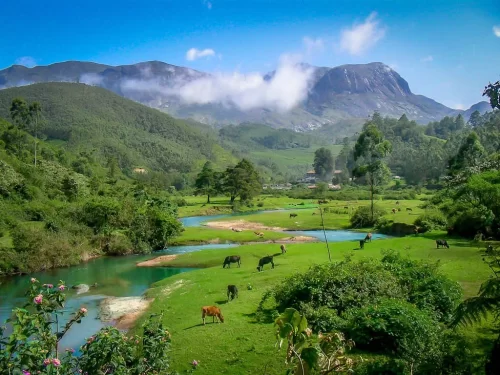 Viewpoint
Anamudi View Point
Anamudi View Point is a scenic viewpoint in Munnar offering views of Anamudi, the highest peak in South India.
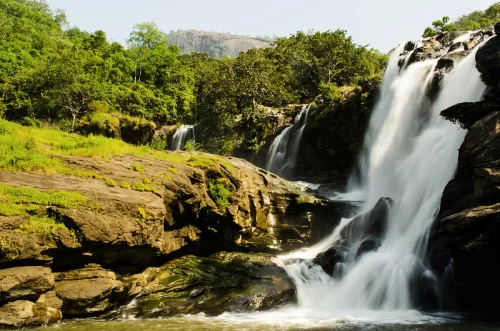 Waterfall
Nayamakad Waterfall
Nyayamakad Waterfalls is a waterfall located on the Munnar–Rajamala road in the Western Ghats of Kerala.
 Museum
Tea Museum
Tea Museum in Munnar showcases the rich history and evolution of tea cultivation in the region.