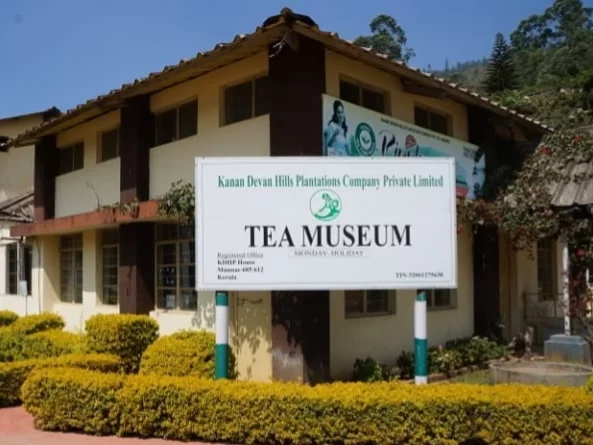
Quick Facts About Tea Museum
| Entry Fee |
125 |
| Timings |
09:00 - 16:00 |
| Altitude (m) |
1600 |
| Ideal Visit Duration (hrs) |
2 |
| Best Time of Day |
Morning |
| Crowd Level |
High |
| Distance from City Centre (km) |
2 |
| Walking Difficulty |
Easy |
| Parking Available |
Yes |
| Last Mile Access |
Walk |
| Suitable for Kids |
Yes |
| Suitable for Seniors |
Yes |
| Wheelchair Friendly |
No |
```
Why Visit Tea Museum Munnar
Why Visit
The Tea Museum in Munnar offers visitors a comprehensive look into the history and evolution of tea cultivation in the region, which has shaped Munnar’s identity for over a century. Travellers come to understand how the hill station transformed into one of South India’s major tea-growing centres, and to observe the traditional machinery and processes involved in tea production.
Atmosphere
The atmosphere is informative, heritage-focused, and immersive, with exhibits showcasing vintage equipment, photographs, and detailed explanations of plantation life. Demonstrations of tea processing add a practical dimension to the visit, while the surrounding tea estates reinforce the connection between the museum and the landscape outside.
What Makes it Special
What makes the Tea Museum special is its documentation of Munnar’s plantation history under early British-era development and its preservation of original tea-processing machinery. Visitors gain insight into plucking, withering, rolling, fermenting, and drying techniques that define orthodox tea production. The opportunity to taste freshly processed tea enhances the educational experience, making it both cultural and sensory.
History of Tea Museum Munnar
The Tea Museum in Munnar is located in the Nallathanni Estate, Idukki district, Kerala, and was established to document the evolution of tea cultivation in the High Range region. The museum was developed by Tata Tea (now part of Tata Consumer Products) to preserve the industrial and social history of plantation life in Munnar.
Tea cultivation in Munnar began in the late 19th century under British planters who cleared large tracts of forested highlands to establish organized tea estates. Over time, the region became one of South India’s most significant tea-producing zones, supported by estate infrastructure, rail links, and worker settlements.
The Tea Museum was created to showcase vintage machinery, photographs, and archival records that trace the transformation of Munnar from a remote mountain landscape into a structured plantation economy. Today, it stands as an institutional record of Munnar’s colonial-era industrial development and the enduring legacy of tea cultivation in the Western Ghats.
Best Time to Visit – Tea Museum Munnar
The best time to visit the Tea Museum in Munnar is from October to March, when the weather is cool and pleasant, making it comfortable to explore the museum exhibits and surrounding tea estates. During this period, temperatures are moderate, visibility is clear, and visitors can easily combine the museum visit with plantation tours and scenic viewpoints.
- October–November: Post-monsoon greenery with fresh tea plantations—ideal for sightseeing and photography.
- December–February: Coolest and most comfortable months—best for relaxed museum exploration and plantation visits.
- March: Still suitable, though afternoons become warmer—morning visits are recommended.
- April–May (Pre-summer): Slightly warmer but manageable; indoor museum visits remain comfortable.
- June–September (Monsoon): Frequent rainfall; the landscape appears lush, but outdoor movement may be affected.
Best time of day: 9:00 AM to 11:30 AM is ideal for visiting the Tea Museum, offering cooler temperatures and sufficient time to explore exhibits before peak crowds.
- Experience tip: Morning visits allow you to attend tea-processing demonstrations if scheduled.
- Photography tip: Early daylight enhances the surrounding tea estate views.
- Planning note: Check official opening hours in advance, as the museum is typically closed on certain public holidays.
How to Reach Tea Museum Munnar
Tea Museum, officially known as the Tata Tea Museum, is located at Nallathanni Estate, about 2 km from Munnar town in Idukki district, Kerala. The museum showcases the history and evolution of tea plantations in Munnar and is easily accessible by road.
- By Air (Nearest airport): The nearest major airport is Cochin International Airport, approximately 105–110 km away. From the airport, hire a taxi or pre-booked cab to Munnar. From Munnar town, the Tea Museum is a short drive toward Nallathanni Estate.
- By Train (Nearest railway station): The closest major railheads are Aluva Railway Station and Ernakulam Junction (South). From either station, continue by road to Munnar via taxi or bus, then proceed locally to the museum.
- By Road (Primary access): Munnar is well connected by road from Kochi and other Kerala towns. KSRTC and private buses operate to Munnar Bus Stand. From there, hire a taxi or auto-rickshaw to reach the Tea Museum.
- Taxi / Local Cab: Hiring a local taxi is the most convenient option. Most Munnar sightseeing packages include the Tea Museum as a primary stop.
- Auto-rickshaw: Auto-rickshaws are available within Munnar town and can drop visitors at the museum entrance. Confirm return arrangements in advance.
- Self-drive: Self-driving is permitted via paved hill roads. Parking facilities are available near the museum premises.
- Travel tips (EEAT): Visit during morning or early afternoon hours to attend tea processing demonstrations. Wear comfortable footwear, and allow sufficient time to explore exhibits and the tea tasting section.
What to Expect When You Visit Tea Museum Munnar
The Tea Museum in Munnar, also known as the KDHP Tea Museum, offers an insightful look into the history and evolution of tea cultivation in the region. Located amid rolling tea estates, the visit is educational and industry-focused, highlighting Munnar’s colonial-era plantation heritage and the science behind tea processing rather than serving as a recreational attraction.
- Historical tea industry exhibits: expect displays of vintage machinery, photographs, and records documenting the development of tea plantations in Munnar.
- Live tea processing demonstration: visitors may observe parts of the tea-making process, from leaf withering to rolling and drying, depending on operational schedules.
- Educational short film presentation: many visits include a brief documentary explaining the origins and growth of Munnar’s tea industry.
- Tea tasting opportunity: sample different varieties of locally produced tea and understand variations in flavor and processing.
- Indoor, museum-style layout: most of the experience is inside a structured exhibit space, making it suitable regardless of weather conditions.
- Moderate visit duration: the experience typically takes about one to two hours, depending on interest level.
- Photography restrictions in certain sections: machinery and production areas may have limitations—follow posted guidelines.
- Retail outlet on-site: packaged tea products are available for purchase directly from the estate.
- Accessible location near Munnar town: easy to include as part of a broader sightseeing itinerary.
- Ideal for culture and industry enthusiasts: the museum appeals to those interested in history, agriculture, and plantation economics.
Tip for a smoother visit: arrive earlier in the day to avoid peak tourist groups, pay attention to the documentary for historical context, and allow time for tea tasting to enhance the experience.
Important Visitor Information – Tea Museum, Munnar
- Crowd & Weather Notes: The Tea Museum in Munnar receives steady visitors throughout the year, with higher footfall during peak tourist season (September to March), weekends, and holidays. The hill station climate is generally cool and pleasant; monsoon months (June to September) bring heavy rainfall, while winters can be chilly in the mornings and evenings.
- Peak / Quiet Hours: Peak hours are late morning to early afternoon when tour groups arrive. Early morning on weekdays is quieter and allows a more relaxed exploration of the exhibits and factory demonstrations.
- Dress Code: No formal dress code applies. Wear comfortable clothing suitable for indoor and mild outdoor conditions. Comfortable footwear is recommended for walking through galleries and factory sections.
- Safety Notes: Follow staff instructions during factory demonstrations and avoid touching machinery or exhibits unless permitted. Photography may be restricted in certain areas—check with museum staff. Keep personal belongings secure during busy hours.
Photography and Viewpoint – Tea Museum Munnar
The Tea Museum in Munnar, located in Idukki district, Kerala, is dedicated to preserving and showcasing the history of tea cultivation in the High Ranges. Set amid rolling tea plantations, the museum features vintage machinery, archival photographs, and exhibits detailing the evolution of tea processing in the region. Photography here focuses on industrial heritage documentation, plantation context, and carefully composed interior shots.
- Photography permissions: Confirm at the entrance whether photography is allowed inside galleries, as policies may vary by exhibit section.
- Best light for exterior photography: Early morning or late afternoon provides soft light for capturing the museum building against surrounding tea gardens.
- Plantation backdrop frames: Use the nearby tea slopes as foreground or background elements to visually connect the museum with Munnar’s tea heritage.
- Machinery & heritage detail shots: Focus on antique tea-processing equipment, rollers, dryers, and gauges to document industrial craftsmanship.
- Wide vs. detail photography: Wide lenses work well for exhibition halls and plantation views, while close-up shots highlight textures of machinery and tea leaves.
- Mobile photography tips: Stabilize your phone in indoor lighting, tap to expose for mid-tones on metal surfaces, and avoid flash near sensitive displays.
- Demonstration moments: If tea-making demonstrations are conducted, capture action frames that show movement and process without obstructing viewers.
- Crowd & timing awareness: Weekday mornings offer quieter interiors and cleaner compositions without large tour groups.
- Contextual storytelling: Include archival photos and interpretive boards in wider frames to enhance educational value.
- Responsible museum etiquette: Follow all posted rules, avoid touching exhibits, and respect the preservation-focused environment.
Near By Attraction
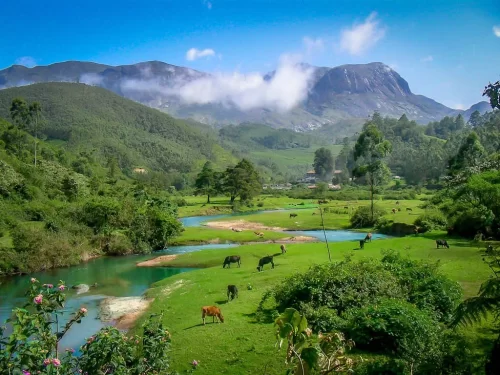 Viewpoint
Anamudi View Point
Anamudi View Point is a scenic viewpoint in Munnar offering views of Anamudi, the highest peak in South India.
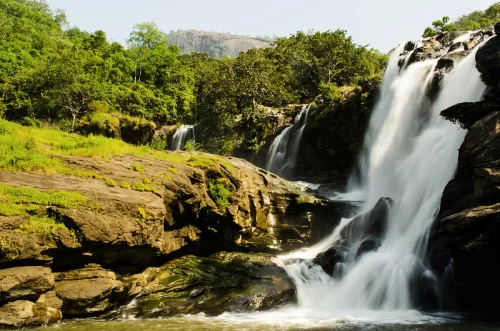 Waterfall
Nayamakad Waterfall
Nyayamakad Waterfalls is a waterfall located on the Munnar–Rajamala road in the Western Ghats of Kerala.
 Wildlife Sanctuary
Chinnar Wildlife Sanctuary
Chinnar Wildlife Sanctuary is a protected forest area near Munnar, known for its diverse wildlife and rare dry thorn forest ecosystem.