Quick Facts About Lakkam Waterfalls
| Entry Fee |
50 |
| Timings |
08:00 - 17:00 |
| Altitude (m) |
1000 |
| Ideal Visit Duration (hrs) |
1 |
| Best Time of Day |
Morning |
| Crowd Level |
Moderate |
| Distance from City Centre (km) |
24 |
| Walking Difficulty |
Moderate |
| Parking Available |
Yes |
| Last Mile Access |
Road |
| Suitable for Kids |
Yes |
| Suitable for Seniors |
No |
| Wheelchair Friendly |
No |
Why Visit Lakkam Waterfalls Munnar
Why Visit
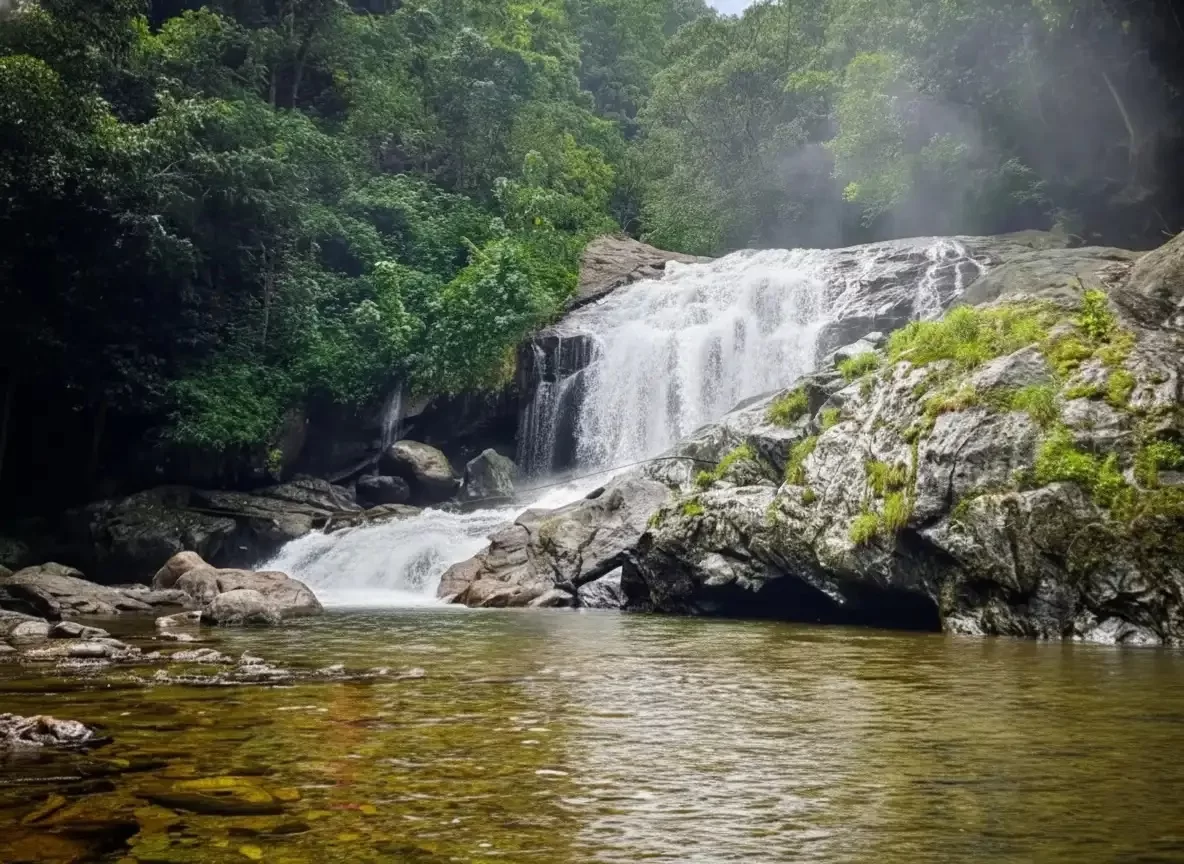
Lakkam Waterfalls is a refreshing natural attraction near Munnar, known for its broad cascade and easy accessibility. Visitors come to enjoy the sight of clear mountain water flowing over rocky terrain, making it a pleasant stop for travellers seeking a simple yet scenic waterfall experience within the Western Ghats landscape.
Atmosphere
The atmosphere is cool, open, and invigorating, shaped by misty spray, surrounding greenery, and the sound of flowing water. During the monsoon and post-monsoon seasons, the falls feel especially lively, while drier months offer a calmer, more relaxed setting. The area maintains a friendly, natural ambience suitable for short visits.
What Makes it Special
What makes Lakkam Waterfalls special is its location near Eravikulam National Park and its association with seasonal water flow from the surrounding hills. The falls spread out rather than drop steeply, creating a wide, visually pleasing cascade. Its accessibility and scenic setting make it a popular and enjoyable nature stop for visitors exploring the Munnar region.
History of Lakkam Waterfalls Munnar
Lakkam Waterfalls is located near Vattavada on the Munnar–Udumalaipettai road in Idukki district, Kerala, within the upper reaches of the Western Ghats. The waterfall is formed by the Pambar River, a seasonal mountain stream that descends from the high-altitude grasslands and shola forests of the Anamudi region.
The surrounding landscape remained largely undisturbed for centuries due to its elevation and forest cover, with limited human settlement focused on small agrarian and pastoral communities. During the colonial period, nearby regions saw tea plantation development, while areas closer to Lakkam retained their natural character because of difficult terrain and conservation value.
Over time, Lakkam Waterfalls became known as a natural landmark rather than a constructed site, valued for its role in sustaining local water systems and forest ecology. Today, it represents the natural hydrological history of the Munnar highlands and reflects the enduring relationship between mountain watercourses and the Western Ghats ecosystem.
Best Time to Visit – Lakkam Waterfalls Munnar
The best time to visit Lakkam Waterfalls near Munnar is from September to March, when the waterfall flows steadily after the monsoon and weather conditions are comfortable for visitors. Located close to Eravikulam National Park, this period offers lush surroundings, safer access, and pleasant temperatures for short walks, sightseeing, and photography.
- September–October: Post-monsoon season with strong water flow and vibrant greenery—ideal for scenic views.
- November–February: Cooler and relatively dry months—best for relaxed visits and clear visibility.
- March: Water flow reduces slightly but remains attractive; mornings are most comfortable.
- June–August (Monsoon): Heavy rainfall causes powerful flow and slippery surroundings; access may be restricted for safety.
- April–May (Pre-summer): Warmer weather with lower water levels; suitable mainly for brief stops.
Best time of day: 8:00 AM to 11:00 AM is ideal for visiting Lakkam Waterfalls, offering cooler temperatures, better lighting, and safer conditions before crowds and humidity increase.
- Nature tip: Visit soon after the monsoon for the best balance between water volume and accessibility.
- Photography tip: Morning light highlights the cascading water against the forested backdrop.
- Safety note: Avoid entering the water or climbing rocks, as surfaces can be slippery even in dry weather.
How to Reach Lakkam Waterfalls Munnar
Lakkam Waterfalls is located near Marayoor, on the Munnar–Udumalpet Road, in Idukki district, Kerala. Set amidst forested slopes and tea plantations, the waterfall is easily accessible by road from Munnar town.
- By Air (Nearest airport): The nearest major airport is Cochin International Airport, approximately 120 km away. From the airport, hire a taxi or pre-booked cab to Munnar. From Munnar, continue toward Marayoor to reach Lakkam Waterfalls.
- By Train (Nearest railway station): The closest major railheads are Aluva Railway Station and Ernakulam Junction (South). From either station, travel by road to Munnar. Lakkam Waterfalls lies on the Marayoor route from Munnar.
- By Road (Primary access): Munnar is well connected by road from Kochi and other towns in Kerala. From Munnar town, take the Munnar–Marayoor road; the waterfall is clearly signposted and located along the roadside.
- Taxi / Local Cab: Hiring a local taxi from Munnar is the most convenient option. Most Marayoor sightseeing routes include Lakkam Waterfalls as a stop.
- Auto-rickshaw (Limited): Auto-rickshaws may operate up to certain points, but taxis are preferred due to the distance and hill terrain. Confirm availability in advance.
- Self-drive: Self-driving is permitted via well-maintained hill roads. Drive carefully due to sharp bends and occasional fog. Parking is available near the waterfall.
- Travel tips (EEAT): The waterfall is best visited after the monsoon when water flow is strong. Avoid entering fast-flowing water, wear non-slip footwear, and follow local safety instructions near the stream.
What to Expect When You Visit Lakkam Waterfalls Munnar
Lakkam Waterfalls is a scenic cascade located near Marayoor on the Munnar–Udumalpet route, set amid forested slopes and tea-growing highlands of the Western Ghats. The visit offers a refreshing nature experience focused on flowing water, greenery, and short walks rather than long trekking or adventure activities.
- Seasonal waterfall flow: the waterfall is most vibrant during and just after the monsoon, when water volume increases and the surroundings turn lush green.
- Easy roadside access: the falls are close to the main road, allowing a convenient stop without long or strenuous walks.
- Forest and hill surroundings: expect dense vegetation, cool air, and the natural ambience typical of Munnar’s higher elevations.
- Designated viewing areas: visitor access is generally regulated to safe zones—approaching slippery rocks or strong currents is discouraged.
- Short, refreshing visit: most travelers spend limited time enjoying the view, sound of water, and photographs before continuing their journey.
- Crowds during peak season: holidays and peak tourist months can attract moderate crowds, especially midday.
- Basic facilities nearby: amenities are minimal; small stalls or parking areas may be present depending on season and management.
- Photography-friendly stop: cascading water against green hills makes it ideal for nature photography, especially in soft light.
- Weather-dependent comfort: mist and light rain are common—carry rain protection and wear footwear with good grip.
- Often combined with nearby attractions: Lakkam Waterfalls fits naturally into itineraries covering Marayoor, Chinnar-side routes, and scenic drives from Munnar.
Tip for a smoother visit: visit during morning hours for fewer crowds and better light, avoid stepping onto wet rocks, and treat Lakkam Waterfalls as a scenic pause rather than a swimming spot.
Important Visitor Information – Lakkam Waterfalls, Munnar
- Crowd & Weather Notes: Lakkam Waterfalls receives moderate crowds, with higher footfall during peak tourist season (September to March) and weekends. Located in a forested area near Eravikulam National Park, the weather is cool for most of the year. During monsoon months (June to September), the waterfall is at its fullest, but heavy rain, mist, and slippery rocks are common.
- Peak / Quiet Hours: Peak hours are late morning to early afternoon when sightseeing vehicles arrive. Early morning on weekdays is quieter and offers a more peaceful experience with better lighting for photography.
- Dress Code: No formal dress code applies. Wear comfortable clothing and sturdy footwear with good grip. Carry a light jacket in cooler months and rain protection during monsoon.
- Safety Notes: Bathing near the waterfall can be risky during strong water flow—follow local advisories and signage. Avoid climbing wet rocks, supervise children closely, and stay within designated visitor areas.
Photography and Viewpoint – Lakkam Waterfalls Munnar
Lakkam Waterfalls, located near Marayoor on the Munnar–Udumalpet road in Idukki district, Kerala, is a scenic cascade formed by the Eravikulam streams flowing through dense shola forest. Set against rocky terrain and lush greenery, the waterfall is known for its accessible viewpoints and powerful monsoon flow. Photography here focuses on dynamic water movement, forest textures, and the intimate scale of a Western Ghats waterfall environment.
- Best light for photography: Early morning and late afternoon offer softer light and balanced contrast; overcast conditions are ideal for waterfall shots.
- Primary viewing angles: Designated viewing areas near the base provide clear, frontal compositions of the falling water framed by rocks and forest.
- Water-motion techniques: Slower shutter speeds help create silky water effects, while faster speeds freeze splashes for a more dynamic look.
- Forest & rock textures: Capture moss-covered stones, wet rock faces, and surrounding foliage to highlight the Western Ghats ecosystem.
- Wide vs. detail photography: Wide lenses work well for full waterfall context, while telephoto lenses isolate individual streams and splash patterns.
- Mobile photography tips: Stabilize your phone on rocks or railings, use HDR sparingly, and expose for highlights in flowing water.
- Seasonal visual character: Monsoon months bring strong flow and misty ambience, while drier periods reveal more rock structure and calmer scenes.
- Crowd & timing awareness: Visit early in the day to avoid groups and to capture cleaner compositions.
- Safety considerations: Rocks can be slippery—photograph only from permitted areas and avoid entering fast-flowing water.
- Responsible photography etiquette: Do not disturb vegetation, avoid littering, and respect local guidelines protecting this forested waterfall zone.
Near By Attraction
 Viewpoint
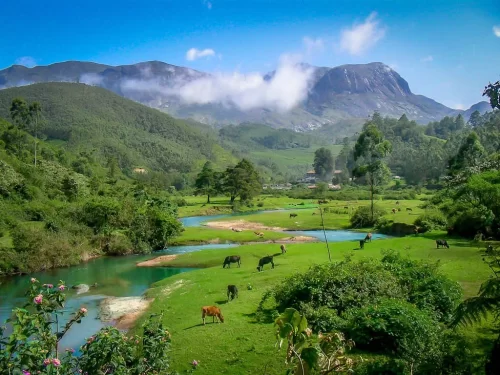
Anamudi View Point
Anamudi View Point is a scenic viewpoint in Munnar offering views of Anamudi, the highest peak in South India.
 Waterfall
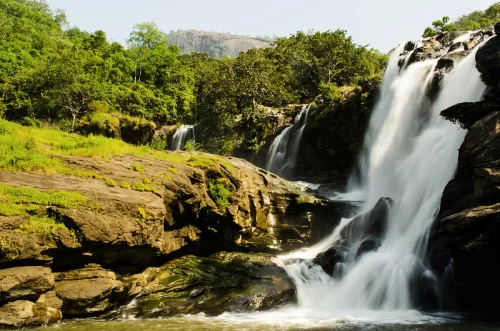
Nayamakad Waterfall
Nyayamakad Waterfalls is a waterfall located on the Munnar–Rajamala road in the Western Ghats of Kerala.
 Wildlife Sanctuary
Chinnar Wildlife Sanctuary
Chinnar Wildlife Sanctuary is a protected forest area near Munnar, known for its diverse wildlife and rare dry thorn forest ecosystem.