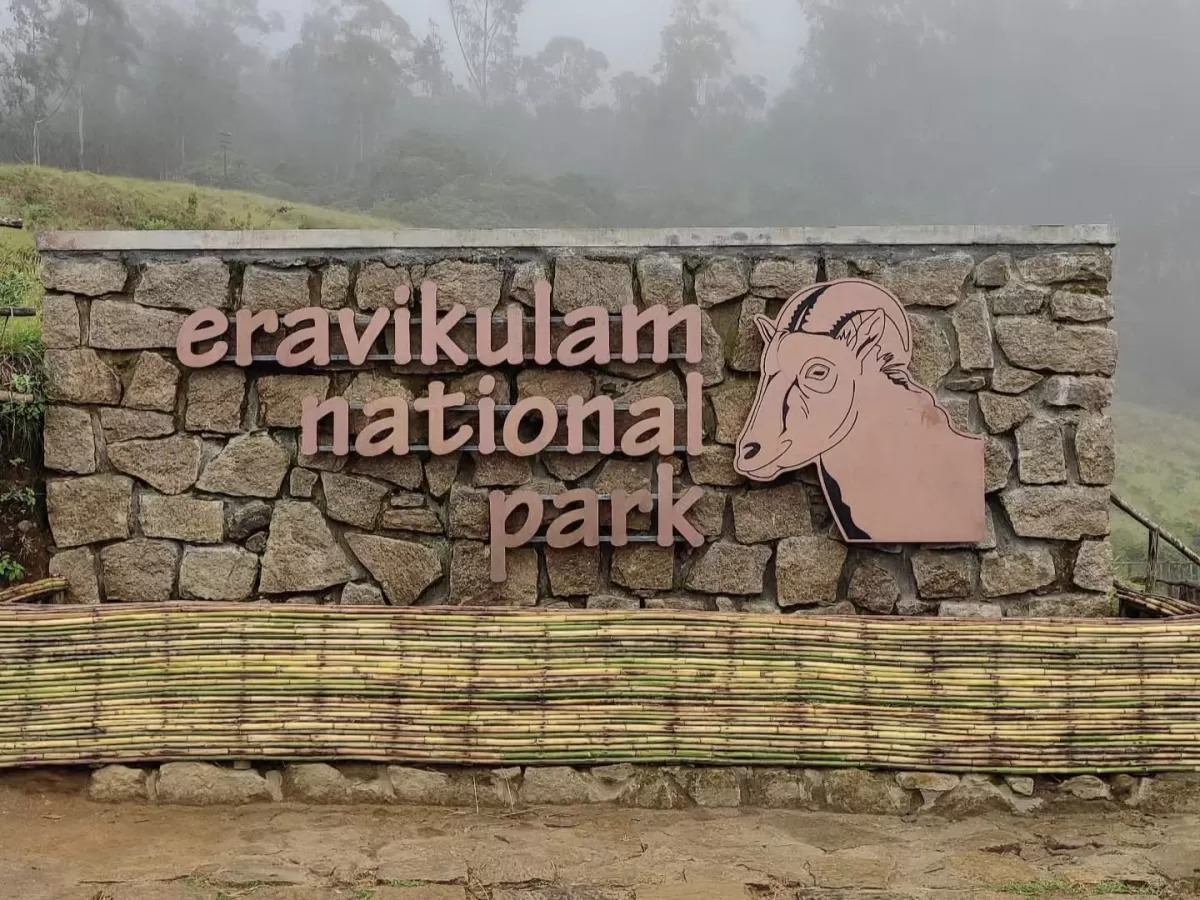
Quick Facts About Eravikulam National Park
| Entry Fee |
200 |
| Timings |
08:00 - 16:00 |
| Altitude (m) |
2695 |
| Ideal Visit Duration (hrs) |
3 |
| Best Time of Day |
Morning |
| Crowd Level |
High |
| Distance from City Centre (km) |
13 |
| Walking Difficulty |
Moderate |
| Parking Available |
Yes |
| Last Mile Access |
Road |
| Suitable for Kids |
Yes |
| Suitable for Seniors |
Yes |
| Wheelchair Friendly |
No |
Why Visit Eravikulam National Park Munnar
Why Visit
Eravikulam National Park is one of the most significant natural attractions near Munnar, renowned for protecting the endangered Nilgiri tahr and preserving high-altitude shola–grassland ecosystems of the Western Ghats. Visitors come to experience a rare combination of wildlife conservation, sweeping mountain views, and ecological importance, all within a carefully regulated national park setting.
Atmosphere
The atmosphere is cool, expansive, and distinctly alpine, with rolling grasslands, mist-covered slopes, and a sense of openness that feels different from forested reserves. The park is quiet and well-managed, with controlled visitor movement that keeps the environment peaceful. Early hours often bring drifting clouds and fresh mountain air, enhancing the sense of being in a protected highland landscape.
What Makes it Special
What makes Eravikulam National Park special is its role as the primary habitat of the Nilgiri tahr and its global ecological value within the Western Ghats, a UNESCO-recognised biodiversity hotspot. The park is also famous for the seasonal blooming of the Neelakurinji flower, which carpets the hillsides once every twelve years (Data not officially verified for exact future bloom cycles). Its combination of conservation focus, panoramic viewpoints, and strict protection measures makes it one of South India’s most important and rewarding nature destinations.
History of Eravikulam National Park Munnar
Eravikulam National Park is located in Idukki district, Kerala, within the Western Ghats, and its landscape was historically part of extensive grassland–shola forest systems. During the British colonial period, large portions of the surrounding region were used for commercial tea plantations, while the higher-altitude grasslands of Eravikulam remained largely undisturbed due to their rugged terrain.
The ecological importance of the area gained formal recognition in the mid-20th century, particularly because it is the natural habitat of the Nilgiri tahr, an endangered mountain ungulate endemic to the Western Ghats. To protect this fragile ecosystem and its wildlife, the region was declared a wildlife sanctuary in 1975.
In 1978, Eravikulam was officially designated as a National Park under Indian wildlife protection laws, marking a shift from colonial-era land use to conservation-focused management. Since then, the park has played a significant role in biodiversity preservation, scientific research, and controlled eco-tourism, and it is internationally recognized for its seasonal blooming of the Neelakurinji flower, which carpets the hills once every twelve years.
Best Time to Visit – Eravikulam National Park Munnar
The best time to visit Eravikulam National Park in Munnar is from September to March, when the weather is cool, visibility is high, and the park is generally open for visitors. These months are ideal for wildlife viewing, scenic grassland walks, and spotting the endangered Nilgiri Tahr in its natural habitat. Clear skies and moderate temperatures make exploration comfortable and rewarding.
- September–November: Post-monsoon freshness with lush grasslands and clear views—excellent for nature lovers and photography.
- December–January: Cool and pleasant—one of the best periods for wildlife sightings and panoramic views (carry warm layers).
- February: Park may close temporarily due to the Nilgiri Tahr calving season.
- March: Park usually reopens with good visibility; temperatures start rising slightly but remain manageable.
- June–August (Monsoon): Heavy rainfall; park access may be restricted or closed for safety reasons.
Best time of day: 8:00 AM to 11:00 AM is ideal, as wildlife is more active, temperatures are cooler, and mist is less likely to obstruct views compared to later hours.
- Wildlife tip: Early morning visits improve chances of spotting Nilgiri Tahr along the grassland slopes.
- Planning tip: Entry is regulated with limited tickets per day—book in advance during peak season.
- Weather tip: Carry light rain protection and warm clothing, as mountain weather can change quickly.
How to Reach Eravikulam National Park, Munnar
Eravikulam National Park is located near Munnar in Idukki district, Kerala, with the main visitor entry at Rajamalai, about 13 km from Munnar town. Access to the park is strictly regulated, and private vehicles are not allowed beyond designated points, so visitors must use official transport arrangements.
- By Air (Nearest airport): The nearest major airport is Cochin International Airport (COK), approximately 110–115 km away. From the airport, travel by taxi or pre-booked cab to Munnar. From Munnar town, continue toward Rajamalai using local transport or park-authorized vehicles.
- By Train (Nearest railway station): The closest major railheads are Aluva Railway Station and Ernakulam Junction (South). From either station, proceed by road to Munnar via taxi or bus. After reaching Munnar, local taxis or autos can take you up to the Rajamalai base area.
- By Road (Primary access route): Munnar is well connected by road from Kochi, Aluva, and other Kerala cities. KSRTC and private buses operate regularly to Munnar Bus Stand. From Munnar, follow the Munnar–Rajamalai route to reach the park entry point.
- Park entry transport (Mandatory): Private vehicles are not permitted inside Eravikulam National Park. Visitors must use official park buses operated by the Forest Department from the Rajamalai entry area to reach the viewing zones.
- Taxi / Local Cab: Hire a local taxi from Munnar to reach the Rajamalai entry gate. Most Munnar sightseeing taxis include Eravikulam National Park as a standard stop.
- Self-drive: You may self-drive only up to the designated parking area near Rajamalai. From there, entry is allowed exclusively via Forest Department vehicles.
- Travel advisory (EEAT): The park is usually closed seasonally during the Nilgiri tahr calving period (typically February–March; exact dates announced annually). During monsoon months (June–September), weather and access may be affected. Always verify entry status and timings locally before visiting.
What to Expect When You Visit Eravikulam National Park, Munnar
Eravikulam National Park is a protected high-altitude grassland ecosystem in the Western Ghats of Kerala, best known as the natural habitat of the endangered Nilgiri Tahr and for the seasonal blooming of Neelakurinji. Expect a regulated, nature-focused visit emphasizing conservation, scenic landscapes, and limited but rewarding wildlife observation rather than free exploration.
- Controlled entry and shuttle access: private vehicles are not allowed beyond the entry point; visitors are transported by park-operated buses to minimize ecological impact.
- Rolling grasslands and shola views: the landscape is dominated by vast grass-covered hills interspersed with shola forests, offering expansive and serene vistas.
- Nilgiri Tahr sightings: this park is one of the best places to observe Nilgiri Tahrs in their natural habitat, often seen grazing on slopes—sightings depend on weather and crowd levels.
- Clearly marked walking paths: expect short, designated walking trails rather than open trekking; movement outside permitted areas is strictly prohibited.
- Cool, windy climate: due to its elevation, temperatures are generally cooler than Munnar town, with strong winds common—carry light warm layers.
- Seasonal closure during monsoon: the park is usually closed during peak monsoon months for ecological regeneration.
- Minimal facilities inside the park: amenities are basic and limited to entry areas; food, water, and restrooms should be planned in advance.
- Strict conservation rules: photography is allowed, but noise, littering, feeding animals, or straying from paths is not permitted.
- Crowds during peak season: expect significant visitor numbers during dry months and holidays, which may affect the quiet nature experience.
- Educational and eco-focused visit: interpretation boards and guides emphasize biodiversity, endemic species, and conservation rather than entertainment.
Tip for a smoother visit: check park status a day before arrival, visit early to avoid crowds, wear comfortable walking shoes, and treat the experience as a guided conservation walk rather than a traditional safari.
Important Visitor Information – Eravikulam National Park, Munnar
- Crowd & Weather Notes: Eravikulam National Park is one of Munnar’s most visited attractions and gets crowded during peak tourist season (October to March), weekends, and holidays. The park lies at high altitude with cool weather year-round. Monsoon season (June to September) brings heavy rain, mist, and slippery trails, while winters can be cold, especially in the early morning.
- Peak / Quiet Hours: Peak hours are mid-morning to early afternoon when most visitors arrive via the park shuttle system. For a quieter experience and clearer views, visit early morning soon after opening on a weekday.
- Dress Code: No formal dress code applies, but wear warm, layered clothing suitable for cold and windy conditions. Comfortable walking shoes with good grip are essential, as paths can be steep and uneven.
- Safety Notes: Follow park rules strictly and stay within designated visitor areas. Do not attempt to approach wildlife, including the Nilgiri Tahr. Carry water, protect against cold wind, and follow instructions from forest officials.
Photography and Viewpoint – Eravikulam National Park Munnar
Eravikulam National Park, located in Idukki district of Kerala, is one of the most visually striking protected areas in the Western Ghats and a UNESCO-recognised biodiversity landscape (as part of the Western Ghats). Famous for rolling shola–grassland ecosystems, mist-covered hills, and as the natural habitat of the endangered Nilgiri Tahr, photography here focuses on wide mountain vistas, seasonal floral landscapes, and responsible wildlife observation from designated visitor zones.
- Best light for photography: Early morning offers soft light, drifting mist, and clearer wildlife movement; late afternoon adds texture and depth to grasslands and hill contours.
- Primary viewpoint areas: The Rajamalai sector (the only publicly accessible area) provides panoramic views of undulating grasslands and distant peaks—ideal for wide landscape compositions.
- Wildlife photography ethics: Nilgiri Tahr can often be seen grazing near trails—use zoom lenses, maintain distance, and never attempt close approaches or feeding.
- Landscape storytelling frames: Capture layered hills, winding paths, and cloud movement to convey the park’s scale and altitude-driven climate.
- Seasonal photography highlights: During the Neelakurinji bloom (once every 12 years; last bloom in 2018), the hills turn blue—next cycle timing.
- Monsoon atmosphere shots: Post-monsoon months bring lush greens and dramatic skies, though access may vary—check official park status before planning.
- Wide vs. telephoto use: Wide lenses work best for sweeping grasslands and skies; telephoto lenses help isolate tahrs, ridgelines, and compressed hill layers.
- Mobile photography tips: Use HDR lightly to balance bright clouds and darker slopes, stabilize your phone in wind-prone viewpoints, and avoid digital zoom for wildlife.
- Crowd & access awareness: Visitor movement is regulated via park transport and guided paths—wait patiently at viewpoints for clear frames.
- Rules & responsible photography: Drones are prohibited, off-trail movement is not allowed, and seasonal closures.
Near By Attraction
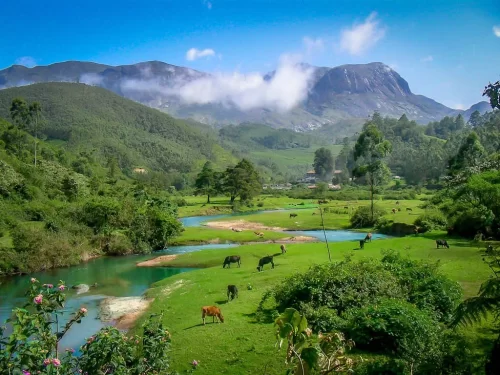 Viewpoint
Anamudi View Point
Anamudi View Point is a scenic viewpoint in Munnar offering views of Anamudi, the highest peak in South India.
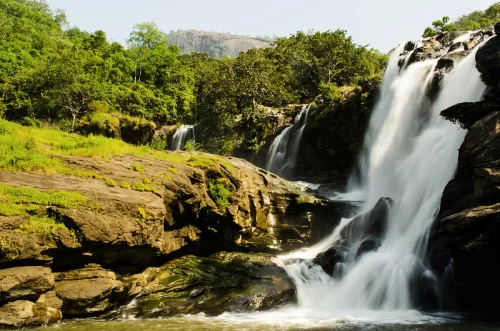 Waterfall
Nayamakad Waterfall
Nyayamakad Waterfalls is a waterfall located on the Munnar–Rajamala road in the Western Ghats of Kerala.
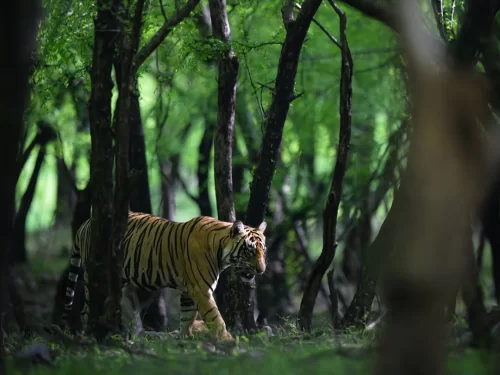 Wildlife Sanctuary
Chinnar Wildlife Sanctuary
Chinnar Wildlife Sanctuary is a protected forest area near Munnar, known for its diverse wildlife and rare dry thorn forest ecosystem.