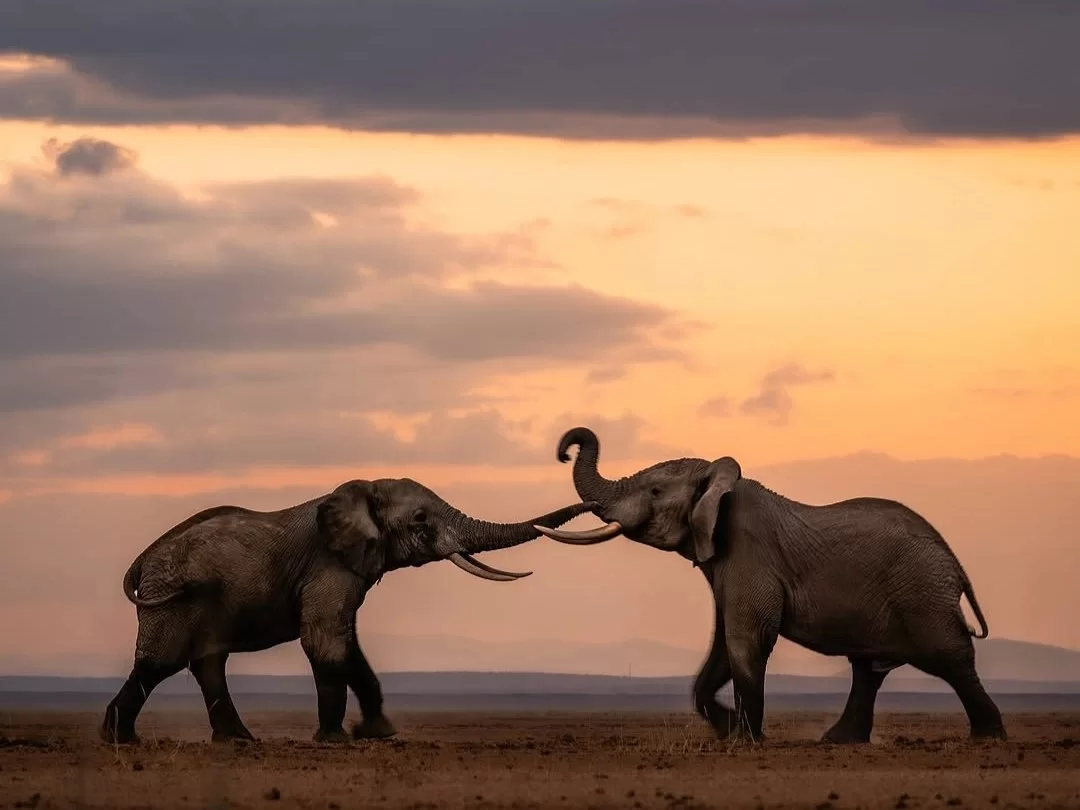
Quick Facts About Elephant Camp
| Entry Fee |
400 |
| Timings |
09:00 - 17:00 |
| Altitude (m) |
900 |
| Ideal Visit Duration (hrs) |
1.25 |
| Best Time of Day |
Morning |
| Crowd Level |
High |
| Distance from Thekkady (km) |
4 |
| Walking Difficulty |
Easy |
| Parking Available |
Yes |
| Last Mile Access |
Road |
| Suitable for Kids |
Yes |
| Suitable for Seniors |
Yes |
| Wheelchair Friendly |
No |
Why Visit Elephant Camp Thekkady
Why Visit
Elephant Camp in Thekkady offers visitors an opportunity to observe and learn about elephants in a controlled, forest-edge setting linked to the Periyar region. People visit to understand the role elephants play in Kerala’s natural and cultural landscape, and to experience close—but managed—interaction that focuses on care, daily routines, and traditional knowledge rather than wilderness sightings alone.
Atmosphere
The atmosphere is earthy, calm, and guided, shaped by forest surroundings, caretakers’ instructions, and the presence of the animals themselves. Mornings tend to feel cooler and more peaceful, while scheduled activity times bring quiet attentiveness as visitors watch feeding, bathing, or handling practices. The setting encourages respectful observation rather than hurried tourism.
What Makes it Special
What makes the Elephant Camp in Thekkady special is its educational focus on elephant care and human–animal relationships in the Western Ghats region. Activities and interaction levels are regulated and may change based on welfare guidelines and forest department policies (specific practices and permissions: Data not officially verified). For many visitors, the experience provides insight into conservation awareness and the responsibilities involved in managing one of India’s most iconic species.
History of Elephant Camp Thekkady
Elephant camps in Thekkady are closely linked to the forest management practices of the Periyar region in Idukki district, Kerala. Historically, domesticated elephants were maintained by forest departments for tasks such as timber hauling, patrolling dense forest terrain, and assisting in conservation-related operations within the Western Ghats.
With the establishment of Periyar Wildlife Sanctuary in 1950 and the later emphasis on wildlife protection and regulated tourism, the functional role of captive elephants gradually shifted. Elephant camps began to be organized as controlled facilities where elephants were housed, cared for by trained mahouts, and integrated into awareness-oriented tourism activities rather than extractive forest labor.
Over time, Elephant Camps in Thekkady became associated with visitor experiences that highlight traditional mahout practices and human–elephant relationships rooted in Kerala’s forest history. Today, these camps are managed under regulatory oversight, reflecting a transition from utilitarian use toward conservation education and responsible tourism within the Periyar landscape.
Best Time to Visit – Elephant Camp Thekkady
The best time to visit an Elephant Camp in Thekkady is from October to March, when the weather is pleasant and suitable for outdoor activities such as elephant interactions, short rides (where permitted), and guided experiences. Cooler temperatures during this period make it more comfortable for visitors to spend time at the camp and observe the elephants in a relaxed setting.
- October–November: Post-monsoon greenery with comfortable weather—ideal for outdoor viewing and photography.
- December–February: Coolest and most popular season—best for longer visits and combined sightseeing in Thekkady (carry light woolens for mornings).
- March: Still suitable, though afternoons begin to warm—morning sessions are recommended.
- June–September (Monsoon): Heavy rainfall; some activities may be restricted or rescheduled for safety—Data not officially verified.
- April–May (Summer): Hot and humid; early morning visits are more comfortable for both visitors and elephants.
Best time of day: 7:30 AM to 10:30 AM is ideal, as temperatures are cooler and elephants are generally more active during morning routines such as bathing and feeding.
- Experience tip: Morning sessions often include guided explanations about elephant care and daily routines.
- Comfort tip: Wear breathable clothing and carry water, especially during warmer months.
- Ethical note: Choose camps that operate under forest department supervision and follow responsible wildlife tourism practices.
How to Reach Elephant Camp Thekkady
Elephant Camp in Thekkady is located near Kumily town, in Idukki district, Kerala, close to the Periyar Tiger Reserve area. These camps are generally accessed as part of organized activities and are well connected by road from Kumily and nearby entry points.
- By Air (Nearest airport): The nearest major airport is Cochin International Airport (COK), approximately 140–145 km away. From the airport, hire a taxi or pre-booked cab to Thekkady via Kottayam or Thodupuzha. After reaching Kumily, local transport can take you to the designated elephant camp location.
- By Train (Nearest railway station): The closest major railhead is Kottayam Railway Station (around 110 km). From Kottayam, continue by road to Thekkady by taxi or KSRTC/private bus. From Kumily town, elephant camps are accessible by short local drives.
- By Road (Primary access): Thekkady is well connected by road from Kochi, Kottayam, and Madurai. KSRTC and private buses operate to Kumily Bus Stand. From the bus stand, hire an auto-rickshaw or taxi to reach the elephant camp entry point.
- Taxi / Private Cab: Hiring a private cab is the most convenient option, especially for families. Most local drivers are familiar with elephant camps and can coordinate timings as per activity slots.
- Self-drive: Self-driving to Kumily is permitted via well-maintained ghat roads. Parking is usually available near elephant camp facilities, but access may be regulated depending on the camp and activity schedule.
- Entry-controlled access: Elephant camp visits are conducted under fixed time slots and supervised activities. Entry is allowed only with valid tickets and as per Forest Department or authorized operator guidelines.
- Travel advisory (EEAT): Activities may be restricted during monsoon months (June–September) or due to animal welfare regulations. Visitors should follow all instructions, avoid loud behavior, and confirm activity timings locally before arrival (Data not officially verified).
What to Expect When You Visit Elephant Camp Thekkady
Elephant camps in Thekkady operate on the fringes of the Periyar forest region and are designed as controlled interaction zones rather than wild encounters. Expect a structured, time-bound experience focused on observing elephants up close, learning about their care routines, and understanding conservation practices under supervision.
- Supervised elephant interactions: activities are conducted under the guidance of trained mahouts and staff, with clear rules for visitor safety and animal welfare.
- Observation over adventure: the experience typically emphasizes watching elephants being fed, bathed, or cared for rather than free movement or wildlife-style sightings.
- Educational component: visitors are often briefed on elephant behavior, diet, daily routines, and the role of elephants in Kerala’s cultural and forest history.
- Time-restricted visits: entry and activities follow fixed slots to manage crowds and reduce stress on the animals.
- Close proximity to animals: expect to be near large animals—following staff instructions strictly is essential at all times.
- Basic forest-side setting: facilities are simple and functional, reflecting the camp’s location near protected forest areas.
- Weather-influenced experience: rain, heat, or humidity can affect comfort levels, especially during monsoon months.
- Photography with limits: photography is usually allowed, but flash or intrusive behavior is discouraged to avoid disturbing the elephants.
- Ethical awareness required: visitors are encouraged to observe responsibly and respect animal welfare guidelines laid out by the operators.
- Often paired with Periyar visits: elephant camps are commonly included alongside Periyar Wildlife Sanctuary or lake activities in Thekkady itineraries.
Tip for a smoother visit: choose reputed, officially managed camps, attend the briefing carefully, avoid loud behavior, and view the experience as educational and observational rather than entertainment-focused.
Important Visitor Information – Elephant Camp, Thekkady
- Crowd & Weather Notes: Elephant camps in Thekkady attract steady crowds, especially during peak tourist season (October to March), weekends, and holidays. Weather is generally pleasant, but monsoon months (June to September) bring heavy rain, muddy ground, and higher humidity; winters are cooler and comfortable.
- Peak / Quiet Hours: Peak hours are usually mid-morning to early afternoon when scheduled interactions and activities take place. For a calmer experience, visit early morning on weekdays and book slots in advance.
- Dress Code: No formal dress code applies. Wear comfortable clothing suitable for outdoor activities; closed, sturdy footwear is recommended due to uneven or muddy terrain.
- Safety Notes: Interact with elephants only under supervision of authorized mahouts and staff. Follow all instructions strictly; do not make sudden movements or feed elephants without permission. Certain activities may be restricted based on animal welfare guidelines or weather conditions (Data not officially verified).
Photography and Viewpoint – Elephant Camp Thekkady
Elephant Camp in Thekkady, located in Idukki district, Kerala, offers a controlled environment where visitors can observe domesticated elephants maintained under forest department–regulated tourism activities. Photography here focuses on ethical wildlife documentation, human–animal interaction within permitted experiences, and the natural forested setting of the Periyar region, rather than close wildlife encounters.
- Best light for photography: Early morning sessions provide softer light and calmer conditions, ideal for natural-looking images of elephants and handlers.
- Permitted activity viewpoints: Photograph elephants during officially allowed activities such as bathing, feeding, or walking—rules vary by camp (exact permissions: Data not officially verified).
- Ethical framing approach: Focus on wider frames that include mahouts and surroundings to show context, avoiding intrusive close-ups of the animals.
- Forest backdrop compositions: Use surrounding trees, paths, and natural light filtering through foliage to add depth and a sense of place.
- Detail photography: Where permitted, capture textures such as skin patterns, eyes, and traditional chains or bells—always from a respectful distance.
- Wide vs. telephoto use: Moderate telephoto lenses are ideal to maintain distance while isolating subjects; wide lenses help document the overall setting.
- Mobile photography tips: Use burst mode for movement, tap to expose for skin tones, and avoid flash to prevent disturbing animals.
- Crowd & timing awareness: Sessions are often time-bound and group-based—arrive early to position yourself for clear, unobstructed views.
- Rules & safety compliance: Follow all instructions from staff, do not cross barriers, and never attempt independent interaction with elephants.
- Responsible tourism etiquette: Choose camps that operate under forest or government oversight, respect animal welfare guidelines, and avoid staged or exploitative photo practices.
Near By Attraction
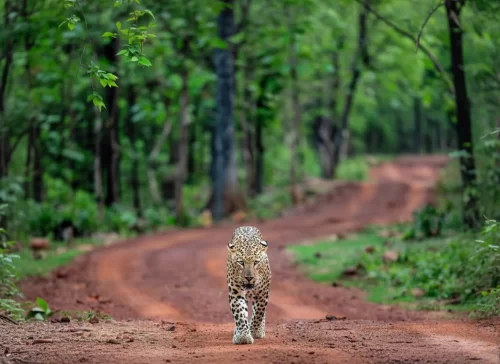 National Park
Periyar National Park
Periyar National Park is a famous protected forest area in Thekkady, known for its rich wildlife, scenic landscapes, and Periyar Lake.
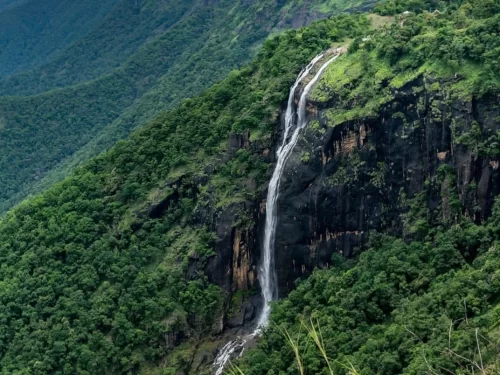 Waterfall
Chellarcovil Aruvikuzhi Waterfalls
Chellarcovil Aruvikuzhi Waterfalls is a picturesque waterfall near Thekkady, known for its valley views and lush surroundings.
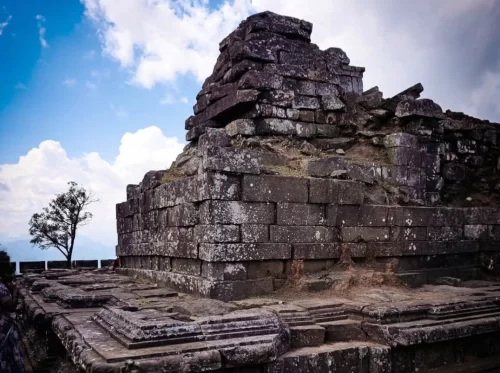 Temple
Shri Mangala Devi Kannaki Temple
Shri Mangala Devi Kannaki Temple is an ancient hilltop shrine near Thekkady, revered for its spiritual legacy and scenic forest setting.