Quick Facts About Periyar National Park
| Entry Fee |
45 |
| Timings |
06:00 - 18:00 |
| Altitude (m) |
900 |
| Ideal Visit Duration (hrs) |
4 |
| Best Time of Day |
Morning |
| Crowd Level |
High |
| Distance from Thekkady (km) |
4 |
| Walking Difficulty |
Moderate |
| Parking Available |
Yes |
| Last Mile Access |
Road |
| Suitable for Kids |
Yes |
| Suitable for Seniors |
Yes |
| Wheelchair Friendly |
No |
Why Visit Periyar National Park Thekkady
Why Visit
Periyar National Park is one of India’s most well-known wildlife reserves, valued for its rich biodiversity and conservation-driven tourism model. Visitors come to explore the forested landscapes of the Western Ghats, observe wildlife in a protected natural setting, and understand how ecological preservation and responsible tourism coexist within one of South India’s most important tiger reserves.
Atmosphere
The atmosphere is calm, forest-dominated, and immersive, shaped by dense vegetation, birdsong, and the presence of Periyar Lake at the park’s core. Movement within the park is regulated, creating a sense of order and quiet respect for nature. Early mornings often feel misty and serene, while afternoons are warmer but still tranquil.
What Makes it Special
What makes Periyar National Park special is its unique approach to wildlife viewing, particularly through lake-based observation that allows animals to be seen naturally along the shoreline. The park protects key species such as elephants, birds, and predators within a UNESCO-recognised Western Ghats biodiversity hotspot. Seasonal access and activities may vary during the monsoon period, and specific closure details should be confirmed as Data not officially verified.
History of Periyar National Park Thekkady
Periyar National Park is located at Thekkady in Idukki district, Kerala, within the biologically rich Western Ghats. The region was historically covered by dense evergreen and moist deciduous forests and remained largely undisturbed until the late 19th century, when the construction of the Mullaperiyar Dam transformed the landscape and created the Periyar Lake at its core.
The ecological value of this forested region gained formal recognition in the mid-20th century, leading to the declaration of Periyar as a wildlife sanctuary in 1950. This marked a shift from colonial-era resource management toward structured wildlife protection, particularly for large mammals such as elephants and predators native to the Western Ghats.
In 1978, the area was designated as a National Park and brought under Project Tiger, strengthening conservation measures and scientific management practices. Today, Periyar National Park stands as one of India’s most significant protected landscapes, representing the transition from utilitarian land use to conservation-led stewardship and playing a central role in the history of wildlife protection in southern India.
Best Time to Visit – Periyar National Park Thekkady
The best time to visit Periyar National Park in Thekkady, Kerala, is from October to March, when the weather is pleasant and forest conditions are ideal for wildlife experiences. During these months, temperatures are comfortable for boat safaris on Periyar Lake, guided nature walks, and eco-tourism activities within the park, with better chances of spotting wildlife near water sources.
- October–November: Post-monsoon greenery with refreshed forest cover—excellent for scenic boat safaris and birdwatching.
- December–February: Cool and dry season—best for wildlife sightings, trekking programs, and extended outdoor activities.
- March: Slightly warmer, but good visibility as animals frequent the lake and forest edges.
- April–May (Summer): Warmer conditions; early morning and late afternoon activities are more comfortable.
- June–September (Monsoon): Heavy rainfall; some trekking and safari activities may be restricted, though the forest appears lush and vibrant.
Best time of day: 7:00 AM to 11:00 AM is ideal for wildlife activities, as temperatures are cooler and animal movement is higher. Afternoon boat safaris are also available but can feel warmer during summer months.
- Wildlife tip: Morning boat safaris increase chances of spotting elephants, sambar deer, and bird species along the lake shores.
- Planning tip: Entry and activities are regulated by the forest department—advance booking is recommended during peak season.
- Safety note: Follow all forest department guidelines strictly and remain within designated visitor zones.
How to Reach Periyar National Park Thekkady
Periyar National Park, officially known as Periyar Tiger Reserve, is located at Thekkady near Kumily town in Idukki district, Kerala, close to the Kerala–Tamil Nadu border. Kumily serves as the main gateway for all park-related activities and entry points.
- By Air (Nearest airport): The nearest major airport is Cochin International Airport, around 140–145 km away. From the airport, hire a taxi or pre-booked cab to Thekkady via Kottayam or Thodupuzha. The journey usually takes 4–5 hours depending on traffic and road conditions.
- By Train (Nearest railway station): Kottayam Railway Station is the closest major railhead, approximately 110 km from Thekkady. From Kottayam, continue by road to Kumily using a taxi or KSRTC/private bus.
- By Road (Primary access): Thekkady is well connected by road from Kochi, Kottayam, Madurai, and nearby towns. KSRTC and private buses operate regularly to Kumily Bus Stand. From Kumily, the Periyar National Park entrance and activity reporting points are easily accessible.
- Taxi / Private Cab: Hiring a private cab is the most convenient option, especially for early morning activities such as trekking or boat safaris. Local drivers are familiar with park entry gates and reporting locations.
- Self-drive: Self-driving to Kumily is permitted via scenic ghat roads. Private vehicles are not allowed inside core forest zones; parking is available near the park entrance and activity counters.
- Entry-controlled access: All park activities, including boating, trekking, and patrol walks, are conducted only with valid permits issued by the Forest Department or authorized counters. Entry points and timings vary by activity.
- Travel tips (EEAT): Carry valid photo ID for permits and arrive early for scheduled activities. Follow all wildlife safety rules strictly, avoid loud behavior, and adhere to instructions issued by forest officials.
What to Expect When You Visit Periyar National Park Thekkady
Periyar National Park, officially known as Periyar Tiger Reserve, is a protected forest landscape in Thekkady, Kerala, centered around dense evergreen forests, rolling hills, and the expansive Periyar Lake. The experience here is conservation-driven and regulated, focusing on nature appreciation and responsible wildlife observation rather than open safaris or guaranteed animal sightings.
- Forest-and-lake ecosystem: expect a mix of thick forest, grassland patches, and calm backwaters that together form one of the Western Ghats’ most balanced habitats.
- Boat safari as the signature activity: wildlife viewing is mainly done via forest department–operated boat cruises on Periyar Lake.
- Unpredictable wildlife sightings: animals such as elephants, deer, wild boar, and birds may appear along the lake shores, while big cats are rarely seen.
- Strictly regulated access: entry, movement, and activities are controlled to protect the ecosystem—this is a conservation reserve, not a drive-through safari park.
- Guided eco-activities available: options may include guided nature walks, bamboo rafting, or trekking programs conducted by trained forest staff.
- Cool but humid forest climate: temperatures are moderate year-round, though humidity and sudden showers are common.
- Seasonal operational changes: heavy monsoon periods may affect boat services or walking programs for safety and ecological reasons.
- Educational and awareness-focused atmosphere: interpretation boards and guides emphasize biodiversity, endangered species, and sustainable tourism.
- Crowds during peak season: winter months and holidays can see high visitor numbers, especially for popular boat safari slots.
- Patience-based experience: the park rewards quiet observation and time rather than fast-paced exploration.
Tip for a smoother visit: book official activities in advance, choose early morning or late afternoon slots, follow forest rules strictly, and approach the visit as a nature and conservation experience rather than a guaranteed wildlife safari.
Important Visitor Information – Periyar National Park, Thekkady
- Crowd & Weather Notes: Periyar National Park receives high visitor numbers during peak season (October to March), weekends, and holidays. The climate is generally pleasant, but monsoon months (June to September) bring heavy rainfall, dense vegetation, and leech presence on forest trails; summers are warmer but manageable.
- Peak / Quiet Hours: Peak hours align with scheduled activities such as boat cruises and guided treks, usually from mid-morning to early afternoon. Early morning slots on weekdays are quieter and preferred for wildlife activity.
- Dress Code: No formal dress code applies. Wear neutral-colored, full-length clothing suitable for forest conditions. Comfortable trekking shoes are essential; carrying a light rain jacket is advisable during monsoon.
- Safety Notes: Entry and activities are permitted only through authorized Kerala Forest Department programs. Do not feed or approach wildlife, avoid loud noises, and strictly follow instructions from forest guards and guides. Certain zones or activities may be restricted during adverse weather or conservation periods.
Photography and Viewpoint – Periyar National Park Thekkady
Periyar National Park, located at Thekkady in Idukki district, Kerala, is one of South India’s most prominent wildlife reserves, set around the scenic Periyar Lake within the Western Ghats. Known for its evergreen forests, grasslands, and regulated wildlife experiences, photography here emphasizes habitat storytelling, lake-based viewpoints, and ethical wildlife observation rather than close-range animal imagery.
- Best light for photography: Early morning and late afternoon provide softer light, atmospheric forest tones, and higher chances of wildlife movement near water edges.
- Periyar Lake viewpoints: Boat safaris offer the most effective photography angles, allowing wide frames of forested hills reflected on calm waters.
- Wildlife observation frames: Elephants, deer, wild boar, and birds are occasionally seen along the shoreline—use telephoto lenses and maintain respectful distance.
- Forest landscape compositions: Capture layered tree canopies, winding waterlines, and misty hills to convey the park’s scale and biodiversity.
- Birdlife photography: Focus on water birds and forest-edge species perched along branches or flying low over the lake.
- Wide vs. telephoto strategy: Wide lenses suit lake-and-forest panoramas, while telephoto lenses isolate wildlife and compressed forest textures.
- Mobile photography tips: Use burst mode for brief wildlife appearances, stabilize shots during boat movement, and avoid digital zoom.
- Crowd & timing awareness: Early boat slots and morning nature walks provide calmer conditions and cleaner compositions.
- Rules & conservation focus: Flash photography, drones, and off-route movement are prohibited—follow forest department guidelines strictly.
- Responsible photography etiquette: Prioritize animal welfare, remain silent during sightings, and use photography to document habitats rather than disturb them.
Near By Attraction
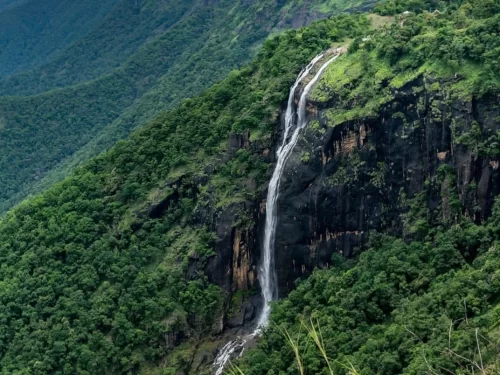 Waterfall
Chellarcovil Aruvikuzhi Waterfalls
Chellarcovil Aruvikuzhi Waterfalls is a picturesque waterfall near Thekkady, known for its valley views and lush surroundings.
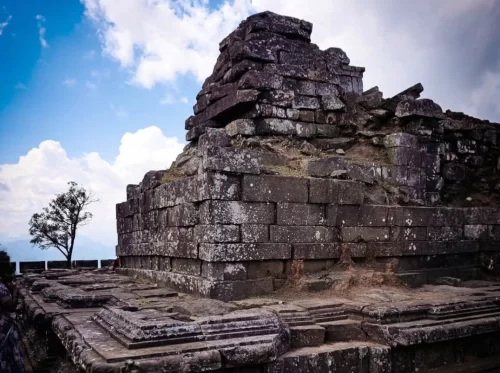 Temple
Shri Mangala Devi Kannaki Temple
Shri Mangala Devi Kannaki Temple is an ancient hilltop shrine near Thekkady, revered for its spiritual legacy and scenic forest setting.


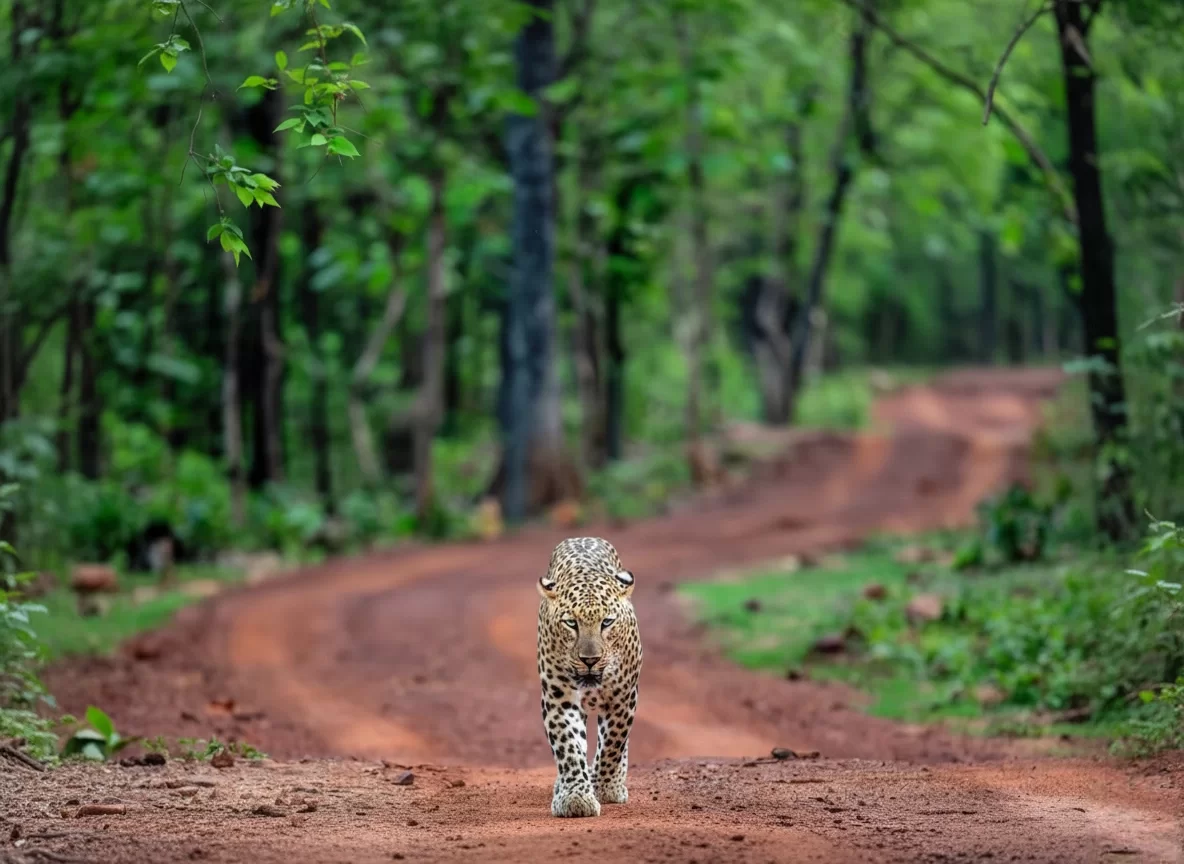
 Cultural Centre

