Quick Facts About Shri Mangala Devi Kannaki Temple
| Entry Fee |
Free |
| Timings |
08:00 - 12:00 |
| Altitude (m) |
1337 |
| Ideal Visit Duration (hrs) |
1.25 |
| Best Time of Day |
Morning |
| Crowd Level |
High |
| Distance from Thekkady (km) |
28 |
| Walking Difficulty |
Moderate |
| Parking Available |
Yes |
| Last Mile Access |
Road |
| Suitable for Kids |
No |
| Suitable for Seniors |
No |
| Wheelchair Friendly |
No |
Why Visit Shri Mangala Devi Kannaki Temple Thekkady
Why Visit
Shri Mangala Devi Kannaki Temple is a deeply significant spiritual and cultural site located within the Periyar Tiger Reserve near Thekkady. Visitors come to connect with the ancient legend of Kannaki, a revered figure in South Indian tradition, and to experience a rare hilltop temple setting that blends devotion, history, and wilderness in a single journey.
Atmosphere
The atmosphere is remote, serene, and reverential, shaped by forested surroundings and restricted access that preserves its sanctity. The temple feels especially calm due to limited visiting periods and controlled entry through forest authorities. Cool winds, expansive views, and the quiet presence of nature create a powerful sense of isolation and spiritual focus.
What Makes it Special
What makes this temple special is its association with Kannaki, the central character of the Tamil epic Silappathikaram (cultural-historical tradition), and its unique location inside a protected wildlife reserve. The temple is traditionally opened only during the annual Chithra Pournami festival, drawing pilgrims from Kerala and Tamil Nadu. Access rules, timings, and permissions are strictly regulated by forest authorities and temple administration; exact details should be confirmed as Data not officially verified.
History of Shri Mangala Devi Kannaki Temple Thekkady
Shri Mangala Devi Kannaki Temple is situated deep within the forested landscape of the Periyar region near Thekkady, in Idukki district, Kerala, close to the Kerala–Tamil Nadu border. The temple is dedicated to Kannaki, the legendary heroine of the Tamil epic Silappathikaram, who is revered for her unwavering virtue, justice, and moral strength.
The origins of the shrine are traditionally associated with the ancient Chera–Pandya period, when Kannaki is believed to have journeyed through this region after the destruction of Madurai. According to long-held tradition, the temple marks the place where Kannaki is said to have attained divine status, leading to her worship as Mangala Devi across parts of present-day Kerala and Tamil Nadu.
Historically, the temple remained secluded due to its location within dense forest terrain and later became part of what is now the Periyar Tiger Reserve. Worship has traditionally been permitted only during specific periods, reinforcing its character as a remote and revered shrine rather than a continuously accessible temple. Today, Shri Mangala Devi Kannaki Temple stands as a significant historical and devotional site, reflecting the deep interlinking of literary tradition, regional belief systems, and the sacred geography of the Western Ghats.
Best Time to Visit – Shri Mangala Devi Kannaki Temple Thekkady
The best time to visit Shri Mangala Devi Kannaki Temple near Thekkady is from October to March, when the weather is pleasant and forest access conditions are more favorable. Located inside the Periyar Tiger Reserve, the temple visit is best planned during this period as temperatures are comfortable and the surrounding landscape is clear, enhancing both the spiritual and natural experience.
- October–November: Post-monsoon greenery with cooler weather—ideal for the journey through the forested reserve.
- December–February: Coolest and most comfortable season—best for temple visits and scenic views from the hilltop location.
- March: Still suitable, though daytime temperatures start rising—morning visits are recommended.
- April–May (Summer): Warmer conditions; access may be limited and visits require early planning.
- June–September (Monsoon): Heavy rainfall; temple access is generally restricted during this period as part of forest protection measures.
Best time of day: Morning hours are ideal for visiting the temple, as access is regulated by forest authorities and trips are usually scheduled earlier in the day for safety and weather considerations.
- Spiritual insight: The temple is dedicated to Goddess Kannaki, revered for justice and virtue, attracting devotees especially during festival days.
- Planning tip: Entry is permitted only on specific days or during temple festivals, with prior permission from forest authorities.
- Travel note: Carry valid identification and follow all forest department guidelines during the visit.
How to Reach Shri Mangala Devi Kannaki Temple Thekkady
Shri Mangala Devi Kannaki Temple is located deep inside the Periyar Tiger Reserve near Thekkady, in Idukki district, Kerala, close to the Kerala–Tamil Nadu border. Access to the temple is strictly controlled by the Forest Department and is allowed only on specific days and through designated routes.
- By Air (Nearest airport): The nearest major airport is Cochin International Airport, approximately 150 km away. From the airport, travel by taxi or pre-booked cab to Thekkady (Kumily). Further access toward the temple is governed by forest entry rules.
- By Train (Nearest railway station): The nearest major railhead is Kottayam Railway Station, around 115 km away. From Kottayam, continue by road to Kumily (Thekkady) using a taxi or bus.
- By Road (Up to Thekkady): Thekkady is well connected by road from Kochi, Kottayam, and Madurai. KSRTC and private buses operate to Kumily Bus Stand. From Kumily, access to Mangala Devi Temple is only permitted on notified days.
- Forest Department access (Mandatory): Entry to Shri Mangala Devi Kannaki Temple is allowed only during the annual Chithra Pournami festival period. Visitors must use Forest Department–approved vehicles or trekking routes with permits; private vehicles are not allowed beyond forest check-posts.
- Permit & ID requirements: Visitors must carry valid government photo ID and obtain permits at the forest check-post as per prevailing rules. Entry timings and routes are strictly regulated.
- Self-drive (Restricted): Self-driving is allowed only up to the forest check-post near Kumily. Beyond this point, movement is permitted only under official supervision.
- Travel tips (EEAT): Plan well in advance as access is limited to specific dates. Carry water, wear suitable footwear for forest terrain, and follow all wildlife and safety instructions issued by forest officials.
What to Expect When You Visit Shri Mangala Devi Kannaki Temple Thekkady
Shri Mangala Devi Kannaki Temple is a remote and culturally significant temple located deep inside the Periyar Tiger Reserve near Thekkady, dedicated to Goddess Mangala Devi, associated with Kannaki of the Tamil epic Silappatikaram. Expect a pilgrimage-style experience marked by restricted access, forest travel, and strong ritual importance rather than a conventional temple visit.
- Remote forest location: the temple lies within a protected forest zone, and access is limited to specific days and seasons, adding to its spiritual and ecological significance.
- Restricted entry protocols: visits are regulated by forest authorities, often requiring permission, identity checks, and use of authorized vehicles only.
- Strong cultural and literary significance: the temple is closely linked to the legend of Kannaki, revered in Tamil tradition, making the visit deeply symbolic rather than architectural.
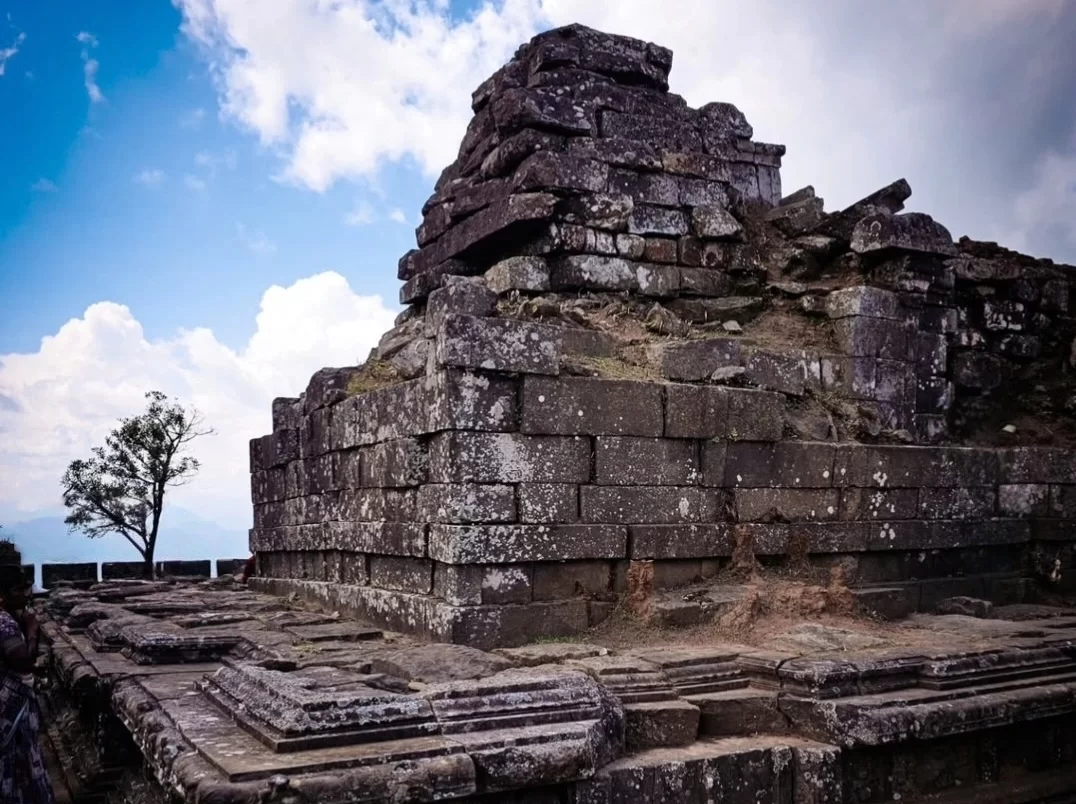
- Simple temple structure: expect a modest shrine without elaborate ornamentation, reflecting its ancient and forest-bound character.
- Seasonal opening pattern: the temple is traditionally opened only during specific periods, notably around the Chitra Pournami festival.
- Forest and wildlife surroundings: the approach route passes through dense forest—while wildlife sightings are not guaranteed, the natural setting is immersive.
- Strict discipline and timing: visitors must follow assigned time slots and return schedules as per forest department regulations.
- Modest dress and ritual decorum: traditional attire and respectful conduct are expected due to the temple’s sacred status.
- No commercial facilities nearby: there are no shops, eateries, or rest areas—carry essentials and prepare for a basic experience.
- Pilgrimage over tourism focus: the visit is spiritually meaningful and reflective, suited to those seeking cultural depth rather than sightseeing comfort.
Tip for a smoother visit: confirm opening dates and permissions in advance, carry valid identification, follow forest instructions strictly, and approach the visit as a sacred pilgrimage within a sensitive ecological zone.
Important Visitor Information – Shri Mangala Devi Kannaki Temple, Thekkady
- Crowd & Weather Notes: The temple receives limited visitors for most of the year due to its forest location, with increased footfall during the annual Chitra Pournami festival when the temple is traditionally opened. The area experiences cool to mild weather, but monsoon months (June to September) bring heavy rain and muddy forest roads.
- Peak / Quiet Hours: Peak hours occur during festival days and morning worship times when access is permitted. Outside these periods, the site remains largely quiet due to restricted entry.
- Dress Code: Modest, traditional attire is required. Shoulders and knees should be covered, and footwear must be removed before entering the temple area, as per temple customs.
- Safety Notes: Access is controlled by the Forest Department and requires prior permission when open—follow official instructions strictly. Travel is through dense forest terrain; be cautious on narrow roads, avoid venturing off designated paths, and adhere to timing regulations issued by authorities.
Photography and Viewpoint – Shri Mangala Devi Kannaki Temple Thekkady
Shri Mangala Devi Kannaki Temple, located deep inside the Periyar Tiger Reserve near Thekkady in Idukki district, Kerala, is an ancient hilltop temple associated with Kannaki, the legendary heroine of the Tamil epic Silappathikaram. Surrounded by dense forests of the Western Ghats and accessible only during specific periods, photography here emphasizes remote landscape views, spiritual atmosphere, and the untouched natural setting rather than architectural grandeur.
- Best light for photography: Early morning offers soft light and misty forest ambience, while late afternoon provides warm tones across hills and treetops.
- Hilltop viewpoint compositions: Elevated surroundings near the temple allow wide frames of forested valleys and distant hill ranges, ideal for panoramic storytelling.
- Temple exterior framing: Capture the modest stone structure against the natural backdrop to highlight its isolation and spiritual significance.
- Nature-integrated shots: Use trees, pathways, and open clearings as foreground elements to blend the temple seamlessly into the forest landscape.
- Wide vs. telephoto strategy: Wide lenses work best for expansive forest and hill views, while telephoto lenses isolate temple details and layered greenery.
- Mobile photography tips: Use panorama mode carefully for valley views, stabilize shots in windy conditions, and expose for mid-tones under forest light.
- Festival-period visuals: During permitted festival days, wide frames of devotees and processions add cultural depth without crowding the composition.
- Crowd & access awareness: Visitor movement is regulated—photograph only from designated paths and viewpoints within allowed timings.
- Cultural sensitivity: Avoid close-up photography of rituals or devotees during worship and maintain silence within temple premises.
- Responsible photography etiquette: Respect forest department rules, avoid off-trail movement, and prioritize conservation and spiritual decorum.
Near By Attraction
 National Park
Periyar National Park
Periyar National Park is a famous protected forest area in Thekkady, known for its rich wildlife, scenic landscapes, and Periyar Lake.
 Waterfall
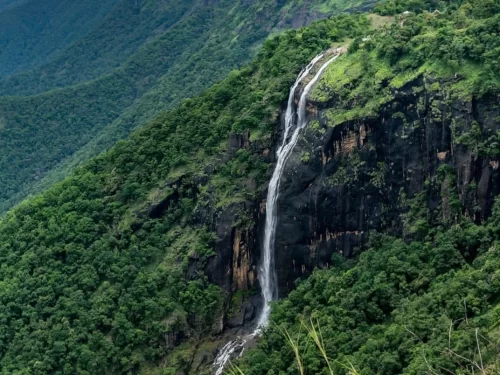
Chellarcovil Aruvikuzhi Waterfalls
Chellarcovil Aruvikuzhi Waterfalls is a picturesque waterfall near Thekkady, known for its valley views and lush surroundings.


 Cultural Centre

