Quick Facts About Talakaveri Temple
Talakaveri Temple, Coorg Quick Facts
| Entry Fee | Free |
|---|---|
| Timings | Generally 6:00 AM–6:00 PM; timings may vary on festival days and special religious occasions. |
| Altitude (m) | Approximately 1,276 m |
| Ideal Visit Duration | 1–2 hours |
| Best Time of Day | Early morning for clear views and a quieter temple atmosphere. |
| Crowd Level | Moderate on most days; very crowded during Tula Sankramana and major Hindu festivals. |
| Distance from City Centre (km) | Approximately 48 km from Madikeri (Coorg) town centre. |
| Walking Difficulty | Easy to moderate; the temple is easily accessible, but reaching the nearby Brahmagiri viewpoint requires climbing a flight of steps. |
| Parking Available | Yes, paid and free parking spaces are available near the temple complex, subject to availability. |
| Last Mile Access | Motorable road reaches the temple entrance, followed by a short walk within the complex. |
| Suitable for Kids | Yes |
| Suitable for Seniors | Yes; the temple is easily accessible, though the viewpoint steps may be challenging. |
| Wheelchair Friendly | Partially; the main temple approach is accessible, but the viewpoint and some areas are accessible only via steps. |
Why Visit Talakaveri Temple, Coorg
Visitors come to Talakaveri Temple to pay homage at the sacred source of the River Kaveri, one of southern India's most revered rivers. The temple is an important pilgrimage site and is also visited for its scenic location in the Brahmagiri Hills.
The atmosphere is peaceful, with devotees offering prayers at the temple and the nearby sacred spring, while the surrounding hills provide a tranquil setting. The cool mountain climate and panoramic viewpoints add to the experience, especially during clear weather.
What makes Talakaveri Temple distinct is its combination of religious importance and high-altitude natural surroundings. Visitors can explore the temple complex, witness the sacred spring believed to be the origin of the Kaveri, and enjoy sweeping views of the Western Ghats from the nearby viewpoint.
History of Talakaveri Temple, Coorg
Talakaveri Temple is a revered Hindu pilgrimage site located in the Brahmagiri Hills of Kodagu (Coorg), Karnataka. The temple marks the traditional source of the River Kaveri, one of South India's most sacred rivers. Although the site's religious significance dates back many centuries, the present temple structure has been renovated and maintained over time.
The temple is dedicated to Goddess Kaveriamma, who is worshipped as the divine personification of the River Kaveri. According to Hindu tradition, Sage Agastya and Lord Ganesha are closely associated with the origin of the river, making Talakaveri an important pilgrimage destination. These accounts are part of religious tradition rather than verified historical records.
Today, Talakaveri Temple remains one of the most significant pilgrimage sites in Karnataka. Thousands of devotees visit throughout the year, especially during Tula Sankramana, when a sacred spring at the temple is believed to symbolically re-emerge, attracting pilgrims from across South India.
Best Time to Visit Talakaveri Temple, Coorg
The best time to visit Talakaveri Temple is from October to March, when the weather is cool and pleasant for visiting the temple, climbing the viewpoint, and enjoying clear views of the surrounding Brahmagiri Hills. The temple is open throughout the year and is especially significant during the annual Tula Sankramana festival.
- Ideal months: October to March for comfortable weather, with mid-October attracting pilgrims during the Tula Sankramana festival.
- Best season conditions: Pleasant temperatures, fresh post-monsoon greenery, and generally clear conditions make it ideal for temple visits and panoramic views from the nearby hilltop viewpoint.
- Periods to avoid: June to September if your priority is sightseeing, as heavy monsoon rainfall can bring dense fog, slippery steps, and reduced visibility, although the temple remains accessible.
How to Reach Talakaveri Temple, Coorg
- Nearest Airport: The nearest airport is Mysuru Airport, approximately 150 km from Talakaveri Temple. For wider domestic and international connectivity, Kannur International Airport is about 115 km away. Taxis are available from both airports.
- Nearest Railway Station: Mysuru Junction Railway Station, around 145 km away, is the nearest major railhead. Another convenient option is Kannur Railway Station, approximately 120 km from the temple. Visitors can continue by taxi or bus to Bhagamandala and Talakaveri.
- By Road: Talakaveri Temple is located about 8 km from Bhagamandala and around 48 km from Madikeri. The temple is connected by a well-maintained hill road, with regular buses operating up to Bhagamandala and limited local transport onward to Talakaveri. Private taxis and self-drive vehicles offer the most convenient access. The final approach is by road, followed by a short climb via steps to the temple and the Brahmagiri viewpoint.
What to Expect When You Visit Talakaveri Temple, Coorg
- Talakaveri Temple is located on the Brahmagiri Hills in Kodagu (Coorg) and is regarded as the sacred source of the River Kaveri. The surroundings include forested hills, mountain viewpoints, and a peaceful temple complex.
- The temple is an active pilgrimage site dedicated to Goddess Kaveriamma. Visitors can expect regular worship, devotees offering prayers, and a calm religious atmosphere throughout the day.
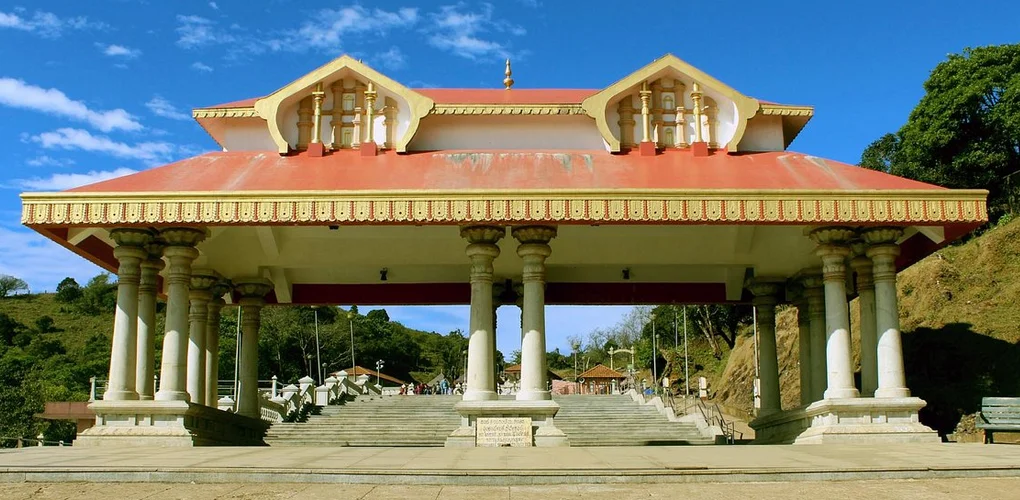
- The temple complex is easily accessible from the parking area by a short walk. A flight of steps leads to the nearby Brahmagiri viewpoint, which requires moderate physical effort to climb.
- Basic facilities such as parking, restrooms, drinking water, small shops selling prasad and ???? items, and simple eateries are available near the temple entrance. Accommodation is available in nearby towns rather than at the temple.
- Visitors must remove their footwear before entering the temple premises. Modest clothing is expected, and photography may be restricted inside the main shrine.
- The hilltop location offers panoramic views of the Western Ghats on clear days. During the monsoon and winter months, mist and low clouds may reduce visibility despite creating a scenic landscape.
- The temple receives its largest crowds during Tula Sankramana (usually in October), weekends, and public holidays, when waiting times for darshan and parking may be longer.
- Weather on the hilltop can change quickly, and the steps to the viewpoint may become slippery after rain. Wearing comfortable footwear with good grip is recommended.
Important Visitor Information for Talakaveri Temple, Coorg
- Crowd and weather: The temple receives the highest number of pilgrims during Tula Sankramana (usually in October), weekends, and public holidays. The monsoon season brings heavy rainfall and mist, making the temple steps and surrounding pathways slippery.
- Peak and quiet visiting hours: Early morning is the best time for a peaceful darshan and clear views of the surrounding Brahmagiri Hills. Mid-morning and festival days are typically the busiest with longer queues.
- Dress code: Talakaveri Temple is an active Hindu pilgrimage site. Visitors should wear modest clothing appropriate for a temple, and footwear must be removed before entering the temple premises.
- Safety and practical cautions: The temple is situated at a high elevation in the Brahmagiri Hills, where weather can change rapidly. Exercise caution while climbing the steps to the nearby viewpoint, particularly during or after rainfall, and follow instructions issued by temple authorities during festivals and periods of heavy crowding.
Photography and Viewpoints at Talakaveri Temple, Coorg
- The temple courtyard and the nearby Brahmagiri Hill viewpoint offer the best locations for photographing the Talakaveri Temple complex, the sacred spring, and the surrounding Western Ghats.
- Climbing the steps to the Brahmagiri viewpoint provides panoramic views of the forested hills, especially on clear days after the monsoon when visibility is at its best.
- Early morning offers soft light and clearer skies for landscape photography, while mist during the monsoon season creates atmospheric views of the hills but may reduce long-distance visibility.
- Photography is generally permitted in the temple premises and surrounding viewpoints. However, visitors should avoid photographing inside restricted worship areas and follow any directions issued by temple authorities.
- The temple experiences higher visitor numbers during Tula Sankramana and weekends, making weekday mornings the best time for unobstructed photographs of the temple and nearby viewpoints.