Mysuru Zoo, Mysuru, Karnataka, India

Mysuru Zoo , Mysuru
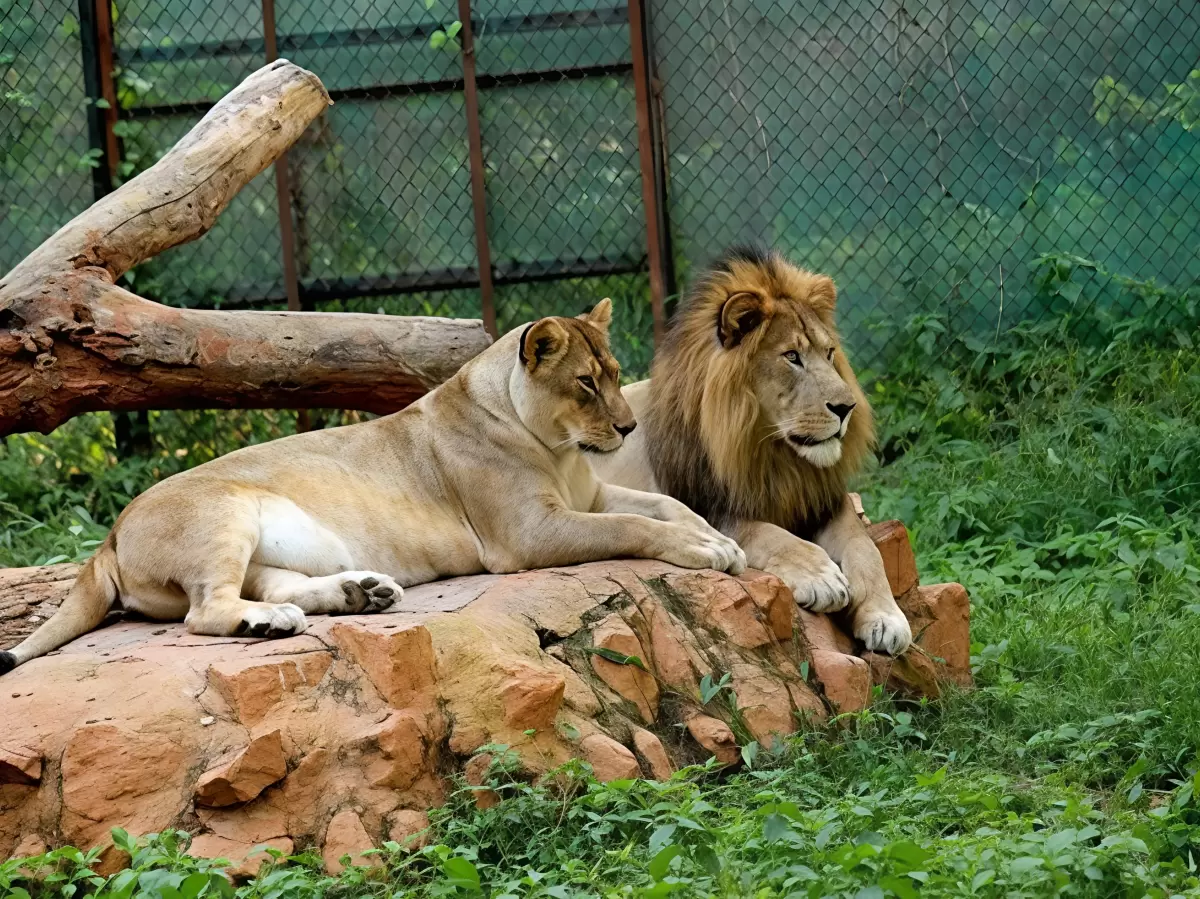
Tourists visit Mysuru Zoo for its extensive collection of animals, including endangered species, and its emphasis on conservation. The zoo’s lush green environment and educational value make it a popular family destination.

Quick Facts About Mysuru Zoo

Entry Fee 50 / 20
Timings 08:30 - 17:30
Altitude (m) 770
Ideal Visit Duration (hrs) 3
Best Time of Day Morning
Crowd Level Moderate / High
Distance from City Centre (km) 3
Walking Difficulty Moderate
Parking Available Yes
Last Mile Access Road
Suitable for Kids Yes
Suitable for Seniors Yes
Wheelchair Friendly Yes

Why Visit Mysuru Zoo

Mysuru Zoo is one of India's oldest and most well-maintained zoos, known for its rich collection of wildlife, including rare and endangered species. Visitors come to see animals in well-designed enclosures that mimic their natural habitats, making it an educational and enriching experience.

The zoo is set in a lush, green environment, offering visitors a peaceful retreat from the hustle and bustle of city life. The well-maintained pathways and various shaded spots make it ideal for a leisurely walk, with ample opportunities for photography and observation.

What makes Mysuru Zoo distinct is its commitment to conservation and breeding programs. It is one of the few zoos in India that actively participates in the breeding of endangered species and provides a space for conservation education. The well-curated exhibits and the focus on wildlife conservation make it a must-visit for nature enthusiasts and animal lovers.

History of Mysuru Zoo

Mysuru Zoo, officially known as the Sri Chamarajendra Park, was established in 1892 by Chamaraja Wodeyar, the then ruler of Mysuru. It was originally intended as a private menagerie for the royal family but was later opened to the public in 1920. The zoo has grown over the years to become one of the most visited and respected zoological parks in India.

The zoo played a key role in animal conservation efforts, particularly with the breeding of endangered species such as the white tiger and various species of primates. It is also known for its historical association with the Wodeyar dynasty, which contributed to its development as a modern zoo with high standards of care for animals.

Mysuru Zoo has cultural significance for the city as it reflects the region's commitment to wildlife preservation. It also serves as an educational hub, raising awareness about conservation efforts and the importance of biodiversity, making it a key cultural and ecological asset of Mysuru.

Best Time to Visit Mysuru Zoo

The best time to visit Mysuru Zoo is during the cooler months, from October to March, when the weather is pleasant and ideal for outdoor activities. The zoo's lush greenery and well-maintained pathways are more enjoyable when temperatures are moderate.
  • Ideal months: October to March
  • Weather conditions: Pleasant, cooler temperatures with minimal rainfall, making it comfortable for walking and sightseeing.
  • Periods to avoid: April to June, as the summer heat can be intense, making outdoor exploration less enjoyable. The zoo may also experience fewer animal sightings due to the heat.

How to Reach Mysuru Zoo

  • Nearest Airport: The nearest airport is Mysuru Airport (MYQ), approximately 15 km from the zoo. It has limited domestic connections, with more international options available through Kempegowda International Airport (BLR) in Bangalore, about 170 km away.
  • Nearest Railway Station: The closest railway station is Mysuru Junction, located about 3 km from the zoo. It is well-connected to major cities like Bangalore and Chennai.
  • Road Access and Last-Mile Connectivity: Mysuru Zoo is easily accessible by road via taxis or auto-rickshaws from the city center. Public buses are available, though taxis provide a quicker and more comfortable ride. The zoo is located in a well-maintained area with paved roads leading directly to the entrance.

What to Expect When You Visit Mysuru Zoo

  • Environment and Surroundings: Mysuru Zoo is set in a well-maintained, lush green environment with plenty of shade and natural landscaping. Expect peaceful surroundings with various animal enclosures, wide walking paths, and areas for relaxation.
  • Facilities and Amenities: The zoo offers basic amenities such as clean restrooms, drinking water stations, and a few food stalls. There are also gift shops, but there are limited dining options within the zoo premises.
  • Accessibility and Movement: The zoo is largely accessible for visitors with mobility challenges. However, the terrain may be uneven in some areas, and a fair amount of walking is required to cover the entire zoo. Wheelchairs are available on request but should be pre-arranged.
  • Typical Visitor Behavior and Conditions: Expect a family-friendly atmosphere with children, especially during weekends and holidays. Visitors tend to spend several hours exploring the zoo. It can get crowded during peak visiting hours, especially in the morning and afternoon, so plan accordingly for a more relaxed experience.

Important Visitor Information for Mysuru Zoo

  • Crowd and Weather Notes: The zoo tends to be busiest during weekends, public holidays, and school vacations. The weather can be hot during summer months (March to June), so it's best to visit early in the morning or late afternoon to avoid the heat.
  • Peak and Quiet Visiting Hours: Early mornings, around 9:00 AM to 11:00 AM, are typically less crowded. The zoo tends to get busier after 2:00 PM, especially on weekends. Weekdays, particularly Tuesday to Thursday, offer a quieter experience.
  • Dress Code: Casual clothing and comfortable footwear are recommended as there is a lot of walking involved. It’s advisable to wear a hat, sunglasses, and sunscreen, especially during sunny weather.
  • Safety Notes and Practical Cautions: Keep a safe distance from the animal enclosures for your safety. Follow all zoo signage and staff instructions. The zoo is well-secured, but remain vigilant and avoid feeding the animals. Ensure you stay hydrated, especially during warmer months.

Photography and Viewpoints at Mysuru Zoo

  • Best Viewpoints or Angles: The best angles for photography are near the tiger, lion, and elephant enclosures, as they offer a clear view of the animals. The aviary is also a great spot for capturing vibrant birdlife.
  • Lighting Conditions and Time-of-Day Considerations: Early morning (around opening time) and late afternoon offer the best lighting for photography, with softer sunlight. Midday can be harsh and may result in overexposed photos, especially near animal enclosures with direct sunlight.
  • Rules or Restrictions on Photography: Photography is allowed in most areas, but flash photography is prohibited in some enclosures to avoid disturbing the animals. Drones are not permitted, and tripods should be used with caution to avoid obstructing pathways.
  • Crowd or Access Factors: The zoo tends to get crowded in the late morning and afternoon, particularly during weekends and school vacations. For quieter photo sessions, it’s best to visit early in the morning on weekdays.

Near By Attraction

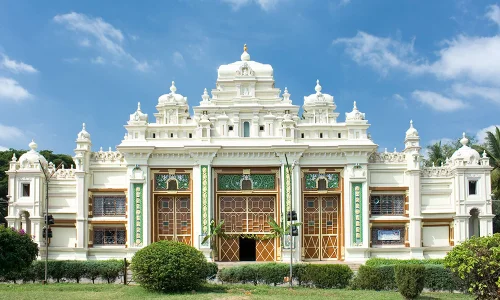
Mysore Palace majestic towers at Mysuru Karnataka during sunny day, featuring red domes yellow facade trees gardens framed branches, perfect royal heritage Karnataka tour package. Mountain

Mysore Palace

Mysore Palace in Mysuru Karnataka India is the official residence of the Wadiyar dynasty and a functioning royal heritage complex.

St. Philomena's Cathedral in Mysore during clear morning, featuring grand neo-gothic facade and spacious courtyard, perfect heritage Karnataka tour package Church

St. Philomena's Cathedral

St Philomenas Cathedral Mysuru Karnataka India is visited for its twin spires stained glass windows and peaceful church setting within the city center.

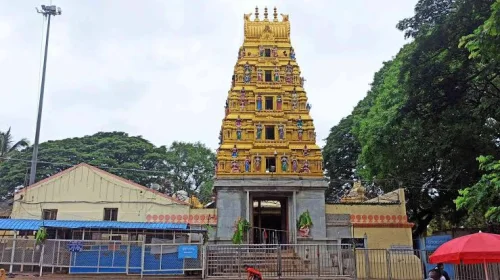
Chamundi Hills. Chamundeshwari Temple gopuram on Chamundi Hills, Mysore with blue sky and Dravidian architecture. Mountain

Chamundi Hills

Chamundi Hills in Mysuru is a prominent hilltop offering views of the city and a famous temple dedicated to Goddess Chamundeshwari.

Frequently Asked Questions About Mysuru Zoo

Mysuru Zoo is located near the center of Mysuru, Karnataka, close to Mysore Palace. The zoo is easily accessible from major areas of the city and is about 3 kilometers from Mysuru Junction railway station.
Mysuru Zoo is generally open from 8:30 AM to 5:30 PM and remains closed on Tuesdays. Visitors are advised to enter at least two hours before closing time for a comfortable visit.
The entry fee for Mysuru Zoo varies for adults and children, with separate pricing for Indian and international visitors. Additional charges apply for camera usage and battery-operated vehicle rides inside the zoo.
Visitors can reach Mysuru Zoo by local buses, auto rickshaws, taxis, or private vehicles within Mysuru, Karnataka. It is well connected by road and easily reachable from Bengaluru, Karnataka via highway.
Parking is available near Mysuru Zoo in designated areas managed by local authorities. Spaces can fill up quickly during weekends, holidays, and school vacation periods.
The best time to visit Mysuru Zoo is between October and March when the weather in Mysuru, Karnataka is pleasant. Morning hours are ideal as animals are generally more active and crowds are lighter.
Most travelers spend around two to three hours exploring Mysuru Zoo. This allows enough time to walk through major enclosures and take short breaks during the visit.
Food stalls and drinking water facilities are available inside Mysuru Zoo. Clean restroom facilities are located at multiple points within the premises for visitor convenience.
Mysuru Zoo is suitable for children due to its well-maintained pathways and wide range of animal exhibits. Families visiting from nearby Bengaluru, Karnataka often include it in their Mysuru itinerary.
Online tickets are available for Mysuru Zoo through official booking platforms. Booking in advance can help reduce waiting time at the entrance, especially during peak seasons.

Loved this place ? Let’s Plan Your Karnataka Trip

Get customized Karnataka tour planning designed around regional diversity, seasonal weather shifts, road travel distances, and realistic pacing. Whether you are visiting for heritage monuments, temple architecture, hill retreats, wildlife reserves, beach

⚡ Quick Response | 💰 Free consultation | 🕒 24×7 expert support

×

Plan Your Trip