Quick Facts About Sri Nimishambha Temple
Sri Nimishambha Temple, Mysore Quick Facts
| Entry Fee | Free |
|---|---|
| Timings | Generally 6:00 AM–1:00 PM and 4:00 PM–8:30 PM; timings may vary during festivals and special poojas. |
| Altitude (m) | Approximately 680 m |
| Ideal Visit Duration | 30 minutes–1 hour |
| Best Time of Day | Morning or evening for comfortable weather and temple rituals. |
| Crowd Level | Moderate on regular days; high during Fridays, weekends, and major festivals. |
| Distance from City Centre (km) | Approximately 15 km from Mysore city centre. |
| Walking Difficulty | Easy; the temple approach requires minimal walking. |
| Parking Available | Yes, parking is available near the temple premises. |
| Last Mile Access | Accessible by motorable road, followed by a short walk to the temple entrance. |
| Suitable for Kids | Yes |
| Suitable for Seniors | Yes; minimal walking is required, though crowds may require extra care. |
| Wheelchair Friendly | Partially; the approach area is accessible, but some temple sections may have steps. |
Why Visit Sri Nimishambha Temple, Mysore
Visitors come to Sri Nimishambha Temple to seek the blessings of Goddess Nimishambha, a revered form of Goddess Parvati. Located near the confluence of the Cauvery and Lokapavani rivers, the temple is an important spiritual destination for devotees visiting the Mysore and Srirangapatna region.
The atmosphere is peaceful and devotional, with regular prayers, traditional rituals, and a riverside setting that adds to the calm surroundings. The temple area provides visitors a quiet place for worship and reflection away from the busy city environment.
What makes Sri Nimishambha Temple distinct is its combination of a riverside location, traditional South Indian temple practices, and the unique worship of Goddess Nimishambha. Its proximity to Srirangapatna also makes it a convenient stop while exploring the cultural attractions around Mysore.
History of Sri Nimishambha Temple, Mysore
Sri Nimishambha Temple is a revered Hindu temple located at Srirangapatna near Mysore, Karnataka. The temple is dedicated to Goddess Nimishambha, a form of Goddess Parvati, and is situated on the banks of the River Cauvery. The shrine has been an important place of worship for devotees in the region for several generations.
According to local tradition, the temple is associated with the sage Soubhari and the belief that Goddess Nimishambha appeared to protect devotees and remove difficulties instantly, giving the deity the name Nimishambha, meaning "the one who resolves problems in a moment." These accounts are part of religious tradition rather than verified historical records.
The temple's location near Srirangapatna, a historic town that served as the capital of the Mysore Kingdom under the Wadiyar rulers and Tipu Sultan, adds to the cultural importance of the surrounding area. Today, Sri Nimishambha Temple remains a popular pilgrimage site visited by devotees seeking blessings from the goddess.
Best Time to Visit Sri Nimishambha Temple, Mysore
The best time to visit Sri Nimishambha Temple is from October to March, when the weather is comfortable for travelling to the temple located on the banks of the River Cauvery near Srirangapatna. The temple remains open throughout the year, with special importance during festivals and auspicious days dedicated to Goddess Nimishambha.
- Ideal months: October to March for pleasant temperatures and comfortable temple visits, with additional spiritual significance during festival periods.
- Best season conditions: Cooler weather makes it easier to explore the temple surroundings, spend time near the Cauvery riverbank, and combine the visit with nearby attractions around Srirangapatna.
- Periods to avoid: April to June due to high temperatures, which can make daytime travel less comfortable. During major festivals and weekends, expect larger crowds and longer waiting times for darshan.
How to Reach Sri Nimishambha Temple, Mysore
- Nearest Airport: The nearest airport is Mysuru Airport, approximately 25 km from Sri Nimishambha Temple. Limited flights operate from this airport. For wider connectivity, Kempegowda International Airport, Bengaluru is around 170 km away, with taxis and buses available to Mysore.
- Nearest Railway Station: Mysuru Junction Railway Station, about 20 km away, is the nearest major railhead. It has regular train services from Bengaluru, Chennai, Hyderabad, and other major cities. Taxis, auto-rickshaws, and buses are available from the station.
- By Road: Sri Nimishambha Temple is located at Srirangapatna, near the banks of the River Cauvery, around 20 km from Mysore city. The temple is well connected by road through Mysore–Bengaluru routes. Visitors can reach the temple by private vehicle, taxi, local buses, or KSRTC buses to Srirangapatna followed by local transport. Parking is available near the temple, though the area can become crowded during weekends and festival days.
What to Expect When You Visit Sri Nimishambha Temple, Mysore
- Sri Nimishambha Temple is a revered Hindu temple located on the banks of the River Cauvery near Srirangapatna, in the Mysore region. The temple is dedicated to Goddess Nimishambha, a form of Goddess Parvati, and is an active pilgrimage site.
- Visitors can expect a traditional temple atmosphere with devotees offering prayers, performing rituals, and seeking blessings. The riverside setting adds a peaceful element to the temple surroundings.
- The temple is accessible by road, with a short walk required from nearby parking areas. The premises are mostly easy to explore, though some areas near the riverbank may have uneven surfaces.
- Basic facilities such as parking, drinking water, restrooms, shops selling flowers and puja items, and small eateries are available near the temple entrance. Larger facilities are available in Srirangapatna and Mysore city.
- Visitors should remove footwear before entering the shrine, dress modestly, and maintain a respectful atmosphere during prayers. The temple follows traditional worship practices.
- The temple receives higher crowds on weekends, Fridays, full moon days, and during important Hindu festivals, especially when special pujas and ceremonies are conducted.
- Photography may be restricted inside the main shrine area. Visitors should follow temple guidelines regarding photography, offerings, and movement within the premises.
- The riverside location can become warm during summer afternoons and slippery during rainy periods. Carrying water and walking carefully near wet surfaces is recommended.
Important Visitor Information for Sri Nimishambha Temple, Mysore
- Crowd and weather: The temple attracts more devotees during weekends, full moon days, Fridays, and major Hindu festivals. Mysore experiences hot summers, while the monsoon season may bring rain that can make outdoor areas near the temple slippery.
- Peak and quiet visiting hours: Early morning and non-festival weekdays are generally quieter for darshan. The temple is usually more crowded during special pooja timings, weekends, and religious occasions.
- Dress code: Sri Nimishambha Temple is an active Hindu shrine. Visitors should wear modest clothing suitable for a place of worship, and footwear must be removed before entering the temple premises.
- Safety and practical cautions: The temple is located near the banks of the River Cauvery, so visitors should exercise caution near the river area, especially during monsoon periods and high water flow. During festivals, follow queue arrangements and temple staff instructions for a smooth darshan experience.
Photography and Viewpoints at Sri Nimishambha Temple, Mysore
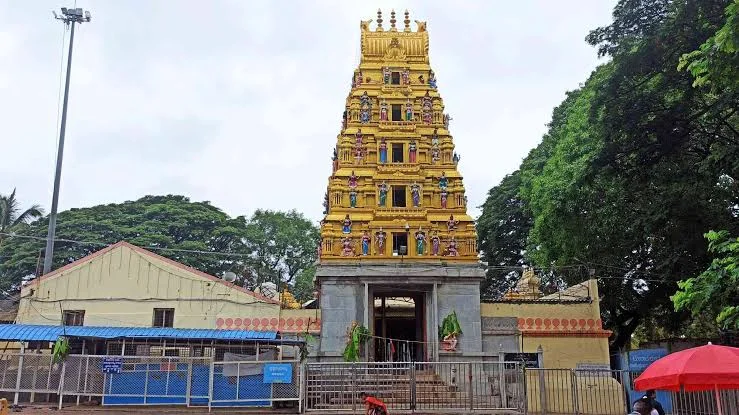
- The temple entrance, traditional Dravidian-style architecture, and the riverside surroundings near the Cauvery River provide the main viewpoints for photography.
- Morning hours offer softer light for capturing the temple exterior and fewer visitors, while the evening period provides a peaceful atmosphere around the riverside setting.
- Photography is generally permitted in the outer temple areas. Visitors should follow temple guidelines and avoid photography inside restricted sanctum areas or during specific religious rituals.
- The temple receives higher visitor numbers on weekends, festival days, and during special poojas, which can make close-up photography of the entrance and courtyard more difficult.
- The area around the temple, including the riverbank and nearby open spaces, provides wider landscape angles that capture both the spiritual setting and natural surroundings.