+91 9910402252
admin@chalbanjare.com


| Entry Fee | 25 |
| Timings | 06:00 - 18:00 |
| Altitude (m) | 2130 |
| Ideal Visit Duration (hrs) | 2 |
| Best Time of Day | Morning |
| Crowd Level | Moderate |
| Distance from Srinagar (km) | 55 |
| Walking Difficulty | Moderate |
| Parking Available | No |
| Last Mile Access | Walk |
| Suitable for Kids | Yes |
| Suitable for Seniors | No |
| Wheelchair Friendly | No |
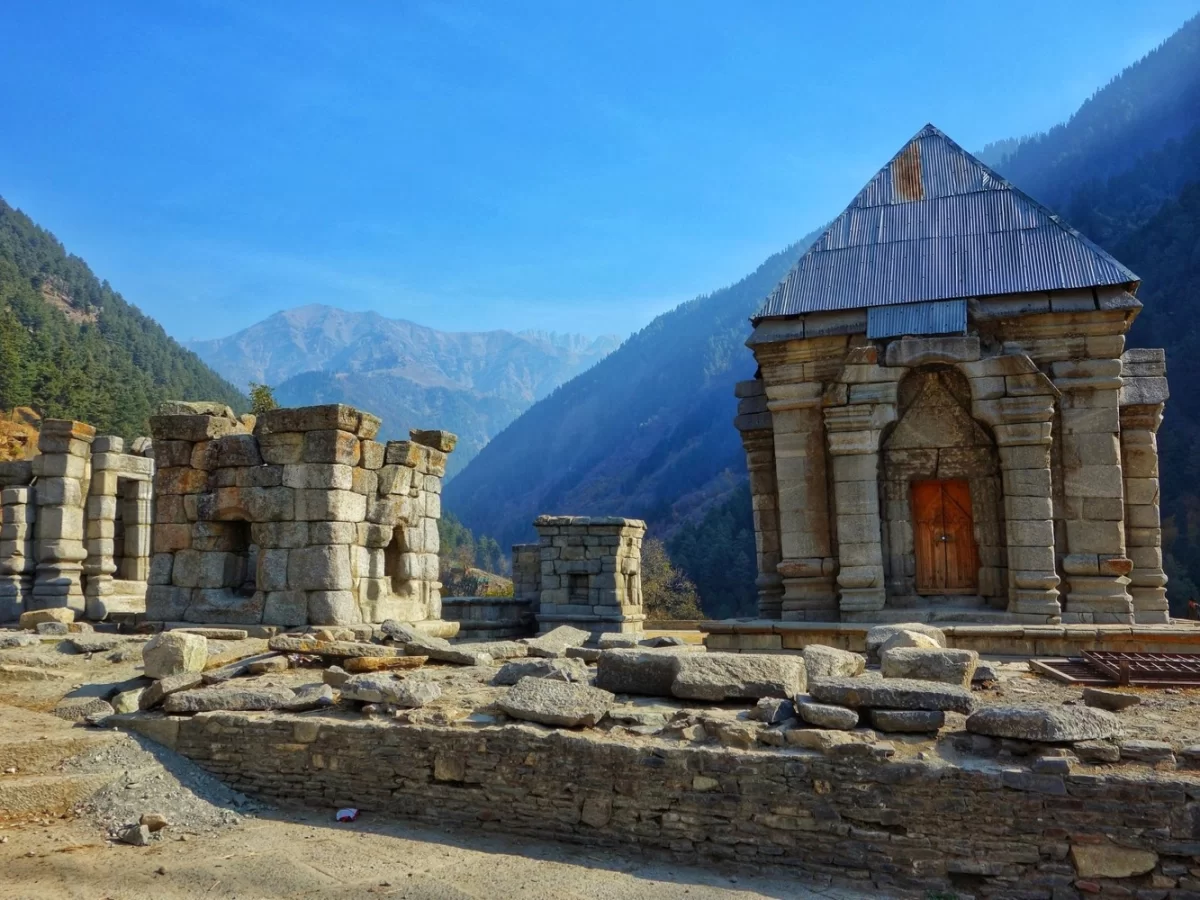
Visitors come to Naranag Mandir to see the ancient Hindu temple complex, notable for its Kashmiri architectural style and historic significance dating back to the 8th century. It attracts travelers interested in archaeology, heritage, and spiritual sites nestled in nature.
The on-ground atmosphere is serene, with temple ruins set against the backdrop of the Himalayan foothills and nearby streams. The area is relatively quiet, allowing visitors to explore the stone structures and carved pillars at a leisurely pace.
What makes Naranag Mandir distinct for travelers is its combination of historical architecture and scenic surroundings, offering both cultural insight and natural beauty. The site’s remote location provides a peaceful experience, unlike more frequented tourist spots in the region.
Naranag Mandir, dating back to the 8th century CE, was built during the reign of King Lalitaditya Muktapida of the Karkota dynasty. The temple complex was dedicated to Lord Shiva and served as an important center for Shaivism in the Kashmir Valley.
The site originally consisted of a cluster of temples with intricate stone carvings, pillars, and sanctums arranged along a terraced layout. Its architectural style reflects early Kashmiri temple design, combining Gupta and Gandharan influences with local construction techniques.
Abandoned after the decline of the Karkota dynasty, the ruins of Naranag Mandir remain a significant archaeological and historical site. They offer visitors insight into the religious practices and architectural sophistication of medieval Kashmir while blending into the surrounding Himalayan landscape.
Naranag Mandir is best visited during the late spring to early autumn months when the temple complex is fully accessible, the surrounding Himalayan scenery is clear, and trekking paths are safe and navigable.
Naranag Mandir is an ancient temple complex located in Naranag village, Ganderbal district, Jammu & Kashmir, at the foothills of the Himalayas. Access involves air, rail, and road travel, with a final mountain approach.
 Pilgrimage Site
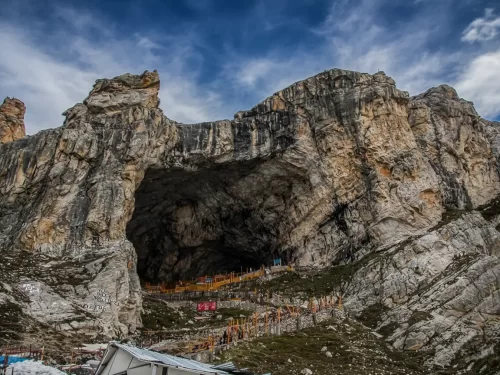
A high-altitude Hindu shrine dedicated to Lord Shiva, located in a natural cave in the Himalayas.
 Lake
Lake
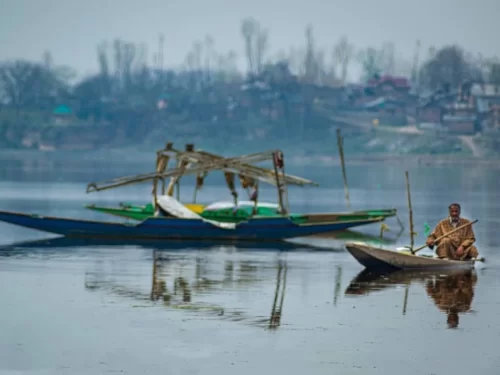
Mansabal Lake is a freshwater lake located in Ganderbal district, about 30 km north of Srinagar.
 Glacier
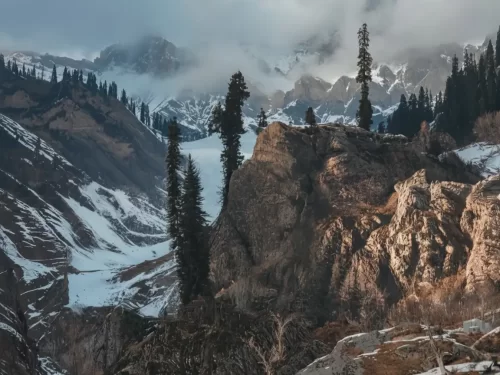
Thajiwas Glacier is a seasonal snow and ice glacier located near Sonamarg in Ganderbal district of Jammu and Kashmir.
Get customized Jammu and Kashmir tour planning designed around seasonal weather patterns, valley travel routes, snow conditions, and realistic hill road timing. Whether you are visiting for scenic landscapes, serene lakes, spiritual journeys, meadow stays
⚡ Quick Response | 💰 Free consultation | 🕒 24×7 expert support

