Quick Facts About Baba Dhansar
| Entry Fee | Free |
| Timings | 06:00 - 19:00 |
| Altitude (m) | 600 |
| Ideal Visit Duration (hrs) | 1 |
| Best Time of Day | Morning |
| Crowd Level | High |
| Distance from Katra (km) | 15 |
| Walking Difficulty | Moderate |
| Parking Available | Yes |
| Last Mile Access | Walk |
| Suitable for Kids | Yes |
| Suitable for Seniors | No |
| Wheelchair Friendly | No |
Why Visit Baba Dhansar, Katra
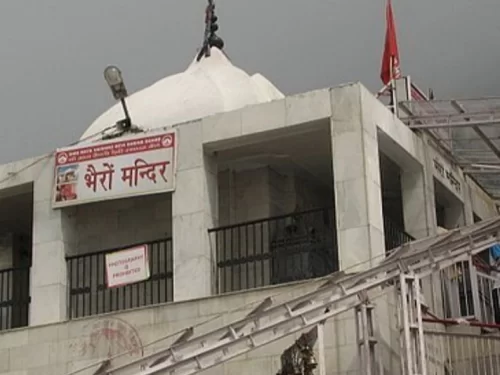
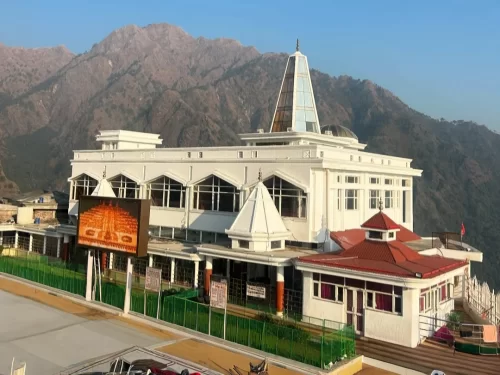
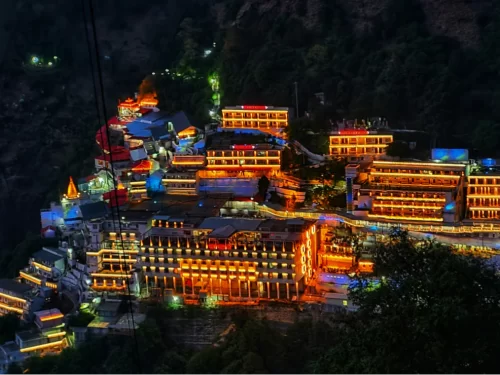
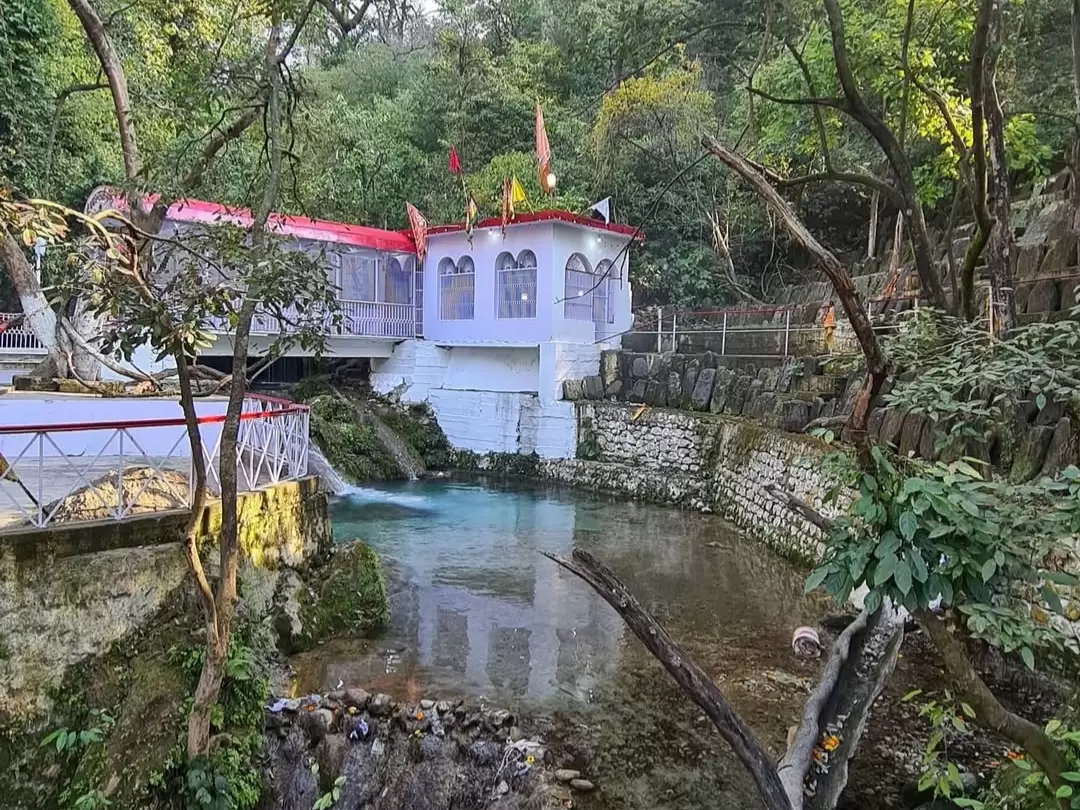
Baba Dhansar near Katra attracts visitors for its cave shrine dedicated to Lord Shiva and its natural spring-fed waterfall setting. Pilgrims and day travelers visit to offer prayers inside the cave temple and to see the clear water pool formed by the cascading stream.
The atmosphere at Baba Dhansar is devotional yet nature-oriented, with stone steps leading down to the shrine area surrounded by rocky cliffs and greenery. The sound of flowing water is constant, and the site remains especially active during weekends and the Shivratri festival period.
What makes Baba Dhansar distinct is its combination of a naturally formed cave temple and a visible waterfall within a compact gorge setting. Unlike large hilltop shrines, this location offers a close-up spiritual experience integrated with a natural water feature just a short drive from Katra.
History of Baba Dhansar, Katra
Baba Dhansar is a sacred cave shrine located near Karua village, approximately 15 kilometers from Katra in Reasi district, Jammu and Kashmir. The site is dedicated to Lord Shiva and is associated with local religious traditions that predate the formal development of the Vaishno Devi pilgrimage infrastructure.
According to regional belief, Baba Dhansar was a devotee of Lord Shiva who meditated in this area, and the cave shrine is considered spiritually linked to his penance. The natural cave contains a Shiva Lingam, and the presence of a perennial water stream and waterfall nearby has reinforced the site’s sacred identity within local Hindu tradition.
Over time, Baba Dhansar evolved into a recognized pilgrimage and excursion site for devotees visiting the Katra region. Its historical relevance lies in sustained religious practice and local devotion, with the natural cave and surrounding landscape forming the core of its spiritual and cultural identity.
Best Time to Visit – Baba Dhansar Katra
Baba Dhansar near Katra is most enjoyable when the waterfall flow is steady but access steps remain safe, as the shrine is located inside a natural cave complex reached by a steep staircase and is highly influenced by seasonal rainfall.
- Ideal months: October to March offers the safest access and most comfortable weather conditions.
- Weather during the best season: Post-monsoon and winter months bring mild to cool temperatures (around 8–22°C), clearer skies, and a steady waterfall flow without excessive runoff. The staircase and pathways are generally drier and safer compared to peak monsoon months.
- Periods to avoid (and why): July to September sees heavy monsoon rainfall in the Reasi region, leading to strong water flow, slippery steps, and occasional restrictions near the cave area for safety reasons. Late May to June afternoons can be warmer, especially during mid-day descent and ascent.
How to Reach Baba Dhansar Katra
- Nearest Airport: Jammu Airport (Satwari Airport), approximately 55–60 km from Baba Dhansar. From the airport, taxis to the shrine area take around 1.5–2 hours depending on traffic and road conditions.
- Nearest Railway Station: Shri Mata Vaishno Devi Katra Railway Station (around 15 km away) is the closest railhead. Jammu Tawi Railway Station (approximately 50 km away) offers broader connectivity to major cities. From either station, taxis and local transport to Karua village (near the shrine) are available.
- Road Access & Last-Mile Connectivity: Baba Dhansar is located near Karua village, about 15 km from Katra. Private vehicles and taxis can reach the designated parking area near the shrine entrance. From there, visitors descend a series of steep stone steps to reach the cave temple and waterfall area. The steps can be slippery, especially during monsoon, and the path involves a return uphill climb.
What to Expect When You Visit Baba Dhansar Katra
- Environment and Surroundings: Baba Dhansar is located near Karua village, approximately 15–17 km from Katra in Reasi district, Jammu and Kashmir. The shrine is set in a natural gorge surrounded by rocky cliffs and dense vegetation. A small waterfall and a clear water pool lie near the temple cave, creating a scenic but humid environment. During monsoon (July to September), water flow increases significantly, and the area can become slippery and misty.
- Facilities and Amenities: Basic facilities such as small shops selling prasad, tea, and snacks are available near the entrance area. Public toilet facilities may be present but are simple in infrastructure. There are no large commercial establishments inside the gorge area. Changing areas and seating are limited. Safety railings are installed along the stairway and near the water pool, but the site remains largely natural.
- Accessibility and Movement: Baba Dhansar is accessible by motorable road from Katra, with parking available near the entrance zone. From the parking area, visitors must descend a long flight of stone steps to reach the shrine and waterfall area. The descent is manageable for most visitors, but climbing back up can be physically demanding. During rainy weather, steps and rocks can become slippery, requiring careful footing.
- Typical Visitor Behavior and Conditions: The site attracts both pilgrims and nature visitors. Footfall increases during weekends and during Nag Panchami, when a local fair is held. Visitors typically spend 30–60 minutes at the shrine and waterfall area. Bathing in the natural pool may be restricted depending on water conditions and safety advisories. During peak monsoon flow, access close to the waterfall may be limited for safety reasons.
Important Visitor Information – Baba Dhansar Katra
- Crowd & Weather Notes: Baba Dhansar sees increased visitor numbers on weekends and during Mahashivratri and Shravan month, when devotees gather in large numbers. Summer months (April to June) are warm but manageable near the waterfall area. Monsoon (July to September) enhances the waterfall flow but makes stone steps and pathways slippery. Winters (December to February) are cool and relatively less crowded.
- Peak / Quiet Hours: Late morning to early afternoon (10:30 AM – 2:30 PM) is typically the busiest period, especially on religious occasions. Early mornings on weekdays are comparatively quieter.
- Dress Code: Modest attire is recommended as it is an active Hindu shrine. Footwear must be removed before entering the temple cave area. Visitors bathing near the waterfall should wear appropriate, respectful clothing.
- Safety Notes: The site involves descending a long flight of steep steps to reach the temple and waterfall; visitors should plan for the uphill return climb. Surfaces near the waterfall can be slippery, especially during monsoon. Follow local instructions regarding bathing zones, as certain areas may be restricted due to strong water flow.
Photography and Viewpoints – Baba Dhansar, Katra
- Best viewpoints/angles: The stepped descent toward the natural cave shrine offers layered frames of the gorge and flowing stream; the main waterfall above the cave is best captured from the designated viewing platform, slightly off-center to include surrounding rock formations; upward angles from near the lower steps highlight the cascade against steep forested cliffs.
- Lighting & time-of-day: Morning hours provide softer light filtering into the gorge and better contrast on the waterfall; midday light reaches deeper into the ravine but can create bright highlights on wet rock surfaces; during monsoon, heavier water flow enhances waterfall volume but mist and spray may affect clarity.
- Rules/restrictions: Photography inside the cave shrine area may be restricted—confirm locally; flash photography near the idol and during active ???? (worship) is discouraged; drone usage may be restricted due to forested terrain and local regulations—follow posted instructions.
- Crowd & access factors: The site sees higher visitor numbers on weekends and religious occasions, limiting uninterrupted waterfall frames; early weekday visits provide clearer compositions; the descent involves multiple steep steps and wet surfaces, which can be slippery, especially during monsoon, affecting equipment stability.