Quick Facts About Ardhkuwari Temple
| Entry Fee | Free |
| Timings | 00:00 - 23:59 |
| Altitude (m) | 1480 |
| Ideal Visit Duration (hrs) | 3 |
| Best Time of Day | Morning |
| Crowd Level | High |
| Distance from Katra (km) | 6 |
| Walking Difficulty | Moderate |
| Parking Available | No |
| Last Mile Access | Trek |
| Suitable for Kids | Yes |
| Suitable for Seniors | Yes |
| Wheelchair Friendly | No |
Why Visit Ardhkuwari Temple, Katra
Ardhkuwari Temple is a key halt on the Vaishno Devi pilgrimage route, located roughly midway between Katra and the Bhawan shrine. Pilgrims visit to pay respects at the Garbh Joon cave, where Mata Vaishno Devi is believed to have meditated before proceeding to the main shrine.
The atmosphere at Ardhkuwari is devotional and active, with steady pilgrim movement along the paved track. The cave entry is regulated through a queue system, and facilities such as rest areas, food counters, and medical support are available nearby, making it a structured and well-managed stop along the ascent.
What makes Ardhkuwari Temple distinct is the narrow Garbh Joon cave passage that devotees traditionally crawl through as part of the pilgrimage ritual. Unlike open temple complexes, this shrine offers a contained cave experience combined with its strategic position on the mountain route, making it both a spiritual and physical milestone on the journey.
History of Ardhkuwari Temple, Katra
Ardhkuwari Temple is an important shrine located along the pilgrimage route to Vaishno Devi in the Trikuta Hills near Katra, Reasi district, Jammu and Kashmir. The temple is spiritually associated with the larger Vaishno Devi pilgrimage and holds significance within the same devotional tradition.
According to established religious belief, Goddess Vaishno Devi is said to have meditated inside the narrow cave at Ardhkuwari for nine months while evading the demon Bhairon Nath. The cave, often referred to as Garbh Joon, symbolizes a womb-like passage and remains central to the shrine’s identity. This association forms the core of the temple’s religious importance.
Over time, Ardhkuwari evolved into a structured stop along the Vaishno Devi yatra route, with facilities developed to manage large numbers of pilgrims. Today, it functions as a key spiritual halt before the main Bhawan shrine, maintaining its role through continuous religious practice rather than through documented political or architectural history.
Best Time to Visit – Ardhkuwari Temple Katra
Ardhkuwari Temple, located midway on the Vaishno Devi pilgrimage route near Katra, is best visited when trekking conditions are comfortable and waiting times are manageable, as both weather and pilgrim volume directly affect the experience.
- Ideal months: March to June and September to November provide the most balanced weather for the yatra halt at Ardhkuwari.
- Weather during the best season: Spring and early summer bring moderate temperatures (around 10–25°C), making the uphill trek from Katra more manageable, especially during early morning or night hours. Post-monsoon autumn offers clearer skies, stable pathways, and comfortable conditions for darshan and rest stops.
- Periods to avoid (and why): July to August sees monsoon rainfall, which can make sections of the trekking path wet and crowded shelter areas congested. December to January can be very cold, particularly at night, with near-freezing temperatures affecting comfort. Navratri periods witness extremely heavy pilgrim footfall, often resulting in long waiting times for cave darshan.
How to Reach Ardhkuwari Temple Katra
- Nearest Airport: Jammu Airport (Satwari Airport), approximately 50 km from Katra. From the airport, taxis to Katra take around 1.5–2 hours depending on traffic and security checks along the Jammu–Katra route.
- Nearest Railway Station: Shri Mata Vaishno Devi Katra Railway Station is the nearest railhead, located within Katra town and well connected to major Indian cities. Jammu Tawi Railway Station (around 50 km away) serves as an alternative with broader connectivity.
- Road Access & Last-Mile Connectivity: Ardhkuwari Temple is situated on the Vaishno Devi pilgrimage route, approximately 6 km from Katra along the uphill trek to Bhawan. Motor vehicles are not permitted beyond the Katra base. Pilgrims must proceed on foot, pony, palki, or battery-operated vehicles (available on designated stretches). The pathway is paved and illuminated but involves a steady uphill climb. During peak pilgrimage seasons, queue waiting times for the Garbh Joon cave can be significant, and entry is regulated by shrine board authorities.
What to Expect When You Visit Ardhkuwari Temple Katra
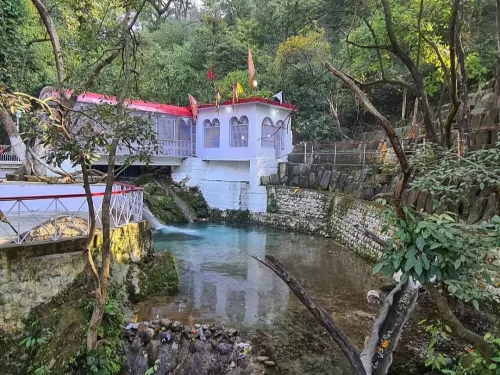
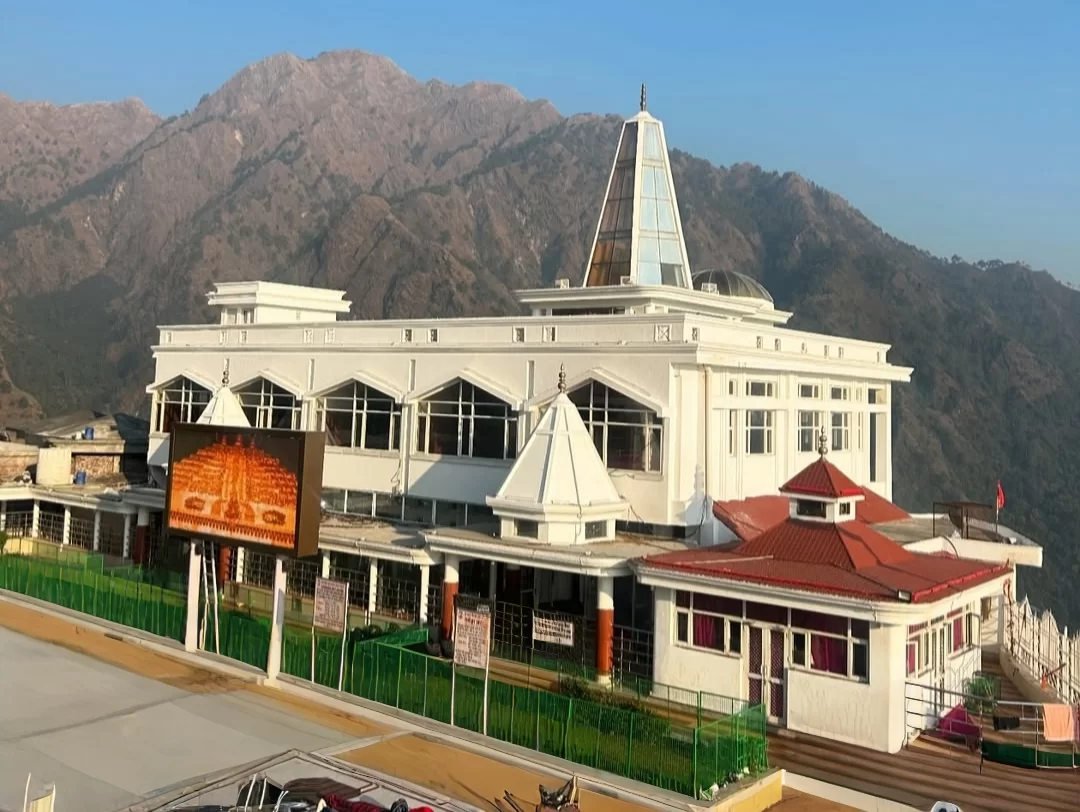
- Environment and Surroundings: Ardhkuwari Temple is located approximately 6 km from Katra on the Vaishno Devi pilgrimage route in Reasi district, Jammu and Kashmir. The temple is situated along the paved mountain track leading to the Bhawan and is surrounded by forested slopes of the Trikuta Hills. The complex is built on terraced levels to accommodate pilgrims. Weather conditions vary by season—summers can be warm during the climb, monsoon brings rain and mist, and winters are cold, especially at night.
- Facilities and Amenities: The shrine area has organized queue systems, covered waiting halls, drinking water points, medical aid, and public toilet facilities managed by the Shri Mata Vaishno Devi Shrine Board. Food outlets and rest areas are available nearby. Cloakrooms are provided for luggage storage before entering the narrow cave passage (Garbh Joon). Due to heavy footfall, waiting times for cave entry can be significant during peak seasons.
- Accessibility and Movement: Ardhkuwari is accessible only on foot or by permitted services along the Vaishno Devi track. Pilgrims can walk, hire ponies, or use battery car services on designated routes. The main cave passage is narrow and requires bending or crawling through a tight rock channel; however, during high crowd periods, an alternate passage is often used for smoother movement. The pathway is paved but includes gradual inclines and steps.
- Typical Visitor Behavior and Conditions: The temple attracts a high volume of pilgrims throughout the year, especially during Navratri and summer months. Many devotees halt here before proceeding to the Bhawan. Waiting times for darshan can extend to several hours during peak days. Visitors typically spend 30–90 minutes in the complex, depending on queue length. Security checks and regulated entry are strictly enforced.
Important Visitor Information – Ardhkuwari Temple Katra
- Crowd & Weather Notes: Ardhkuwari Temple experiences heavy pilgrim flow throughout the year, especially during Navratri (March–April and September–October) and peak summer months (May–June). Winters (December to February) are cold along the trek route, while monsoon (July to September) can bring rainfall and slippery walking sections.
- Peak / Quiet Hours: The shrine is accessible 24 hours as part of the Vaishno Devi Yatra route. Waiting time for darshan at the Garbh Joon cave can extend significantly during festival periods and evenings. Early weekday mornings generally have comparatively shorter queues, though this varies by season.
- Dress Code: Modest attire is required as it is an active Hindu shrine. Footwear must be removed before entering the temple complex. Comfortable clothing and proper trekking shoes are recommended for the uphill route from Katra.
- Safety Notes: The original Garbh Joon cave passage is narrow and involves crawling; elderly visitors or those with medical conditions may opt for the new alternate tunnel when available. Follow Shrine Board guidelines and queue management systems. The trek includes steep gradients; use designated paths only and remain cautious during wet weather conditions.
Photography and Viewpoints – Ardhkuwari Temple, Katra
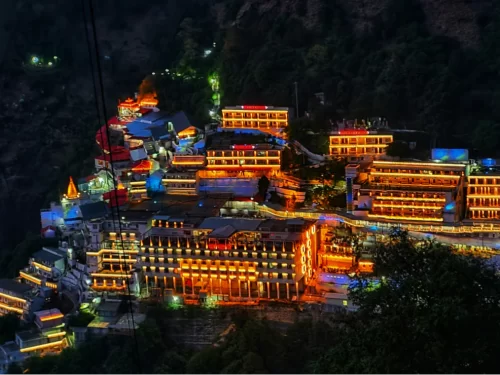
- Best viewpoints/angles: Exterior shots of the temple complex are best captured from the open courtyard areas along the trekking route, where the structure sits against the Trikuta Hills backdrop; elevated bends of the path slightly above the complex provide wider frames of the temple cluster and surrounding slopes; night-time ridge views with illuminated pathways create layered compositions from designated rest points.
- Lighting & time-of-day: Early morning provides clearer hillside visibility and softer light on the temple façade; late evening enhances the glow of pathway lights and shrine illumination; during monsoon or winter fog, visibility across the valley can fluctuate rapidly.
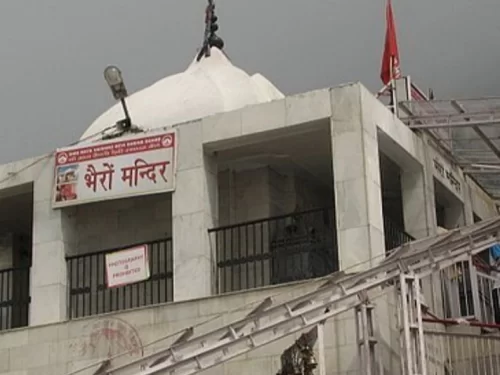
- Rules/restrictions: Photography inside the Garbh Joon cave and inner sanctum is strictly prohibited; security regulations may restrict cameras and mobile devices beyond certain checkpoints—follow Shrine Board instructions; drone usage is strictly banned in the shrine zone.
- Crowd & access factors: Ardhkuwari is a major stop on the Vaishno Devi yatra and experiences heavy queues, especially during Navratri and peak pilgrimage seasons, limiting uninterrupted exterior framing; early morning hours provide relatively clearer surroundings; the uphill approach and waiting areas can be crowded, affecting stable equipment handling.