Quick Facts About Triund
| Entry Fee | Free |
| Timings | 06:00 - 18:00 |
| Altitude (m) | 2875 |
| Ideal Visit Duration (days) | 2 |
| Best Time of Day | Morning |
| Crowd Level | High |
| Distance from McLeod Ganj (km) | 9 |
| Walking Difficulty | Moderate |
| Parking Available | Yes |
| Last Mile Access | Trek |
| Suitable for Kids | Yes |
| Suitable for Seniors | No |
| Wheelchair Friendly | No |
Why Visit Triund
Triund is an ideal destination for travelers who want to experience high-altitude Himalayan landscapes without attempting a long or technical trek. It offers a perfect balance of adventure, natural beauty, and accessibility from McLeod Ganj.
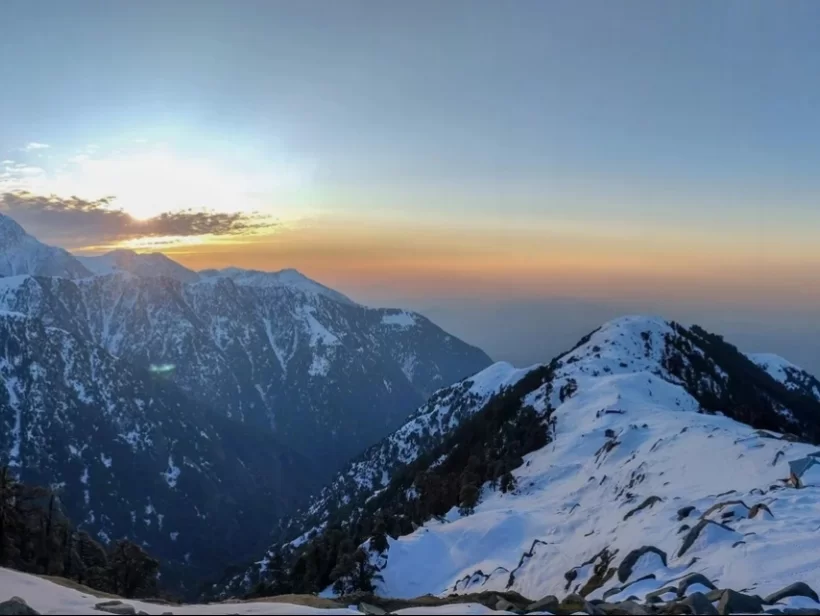
Atmosphere: The atmosphere at Triund is refreshing and expansive. Cool mountain air, wide open meadows, and uninterrupted views create a sense of calm and freedom. During evenings, the area becomes especially peaceful as daylight fades and the mountains glow in changing colors.
What Makes it Special: What sets Triund apart is its dramatic contrast of landscapes—towering snow-covered Dhauladhar peaks on one side and the sweeping Kangra Valley on the other. The combination of an achievable trek, panoramic views, and the opportunity to camp under star-filled skies makes Triund one of the most rewarding short treks in Himachal Pradesh.
Background of Triund
Triund has long been known as a natural mountain ridge used by shepherds and local villagers as a seasonal grazing ground due to its wide, open meadow and reliable water sources nearby. Its location at the base of the Dhauladhar range made it a natural resting point between lower valleys and higher mountain routes.
With the development of McLeod Ganj as a travel and trekking hub, Triund gradually emerged as a popular trekking destination, especially among first-time trekkers. The trail became more defined over time as foot traffic increased, while the landscape itself remained largely untouched.
Today, Triund is recognized primarily for its trekking value and natural setting rather than historical structures. It represents the region’s outdoor travel culture—focused on mountain exploration, camping, and responsible nature-based tourism.
Best Time to Visit Triund
The best time to visit Triund is from March to June and from September to November, when weather conditions are stable and the trekking trail remains safe and accessible. During these periods, temperatures are comfortable, and visibility of the Dhauladhar range and Kangra Valley is at its best.
Summer months offer pleasant trekking conditions and clear skies, making them ideal for camping and overnight stays. Post-monsoon months provide crisp air and lush surroundings, while avoiding the slippery trail conditions seen during the rainy season. Winter trekking is possible but challenging due to snowfall and sub-zero temperatures.
- March to June: Pleasant weather and ideal trekking conditions
- July to August: Not recommended due to rain and slippery trails
- September to November: Clear views and fewer crowds
- December to February: Snow-covered trek suitable only for experienced trekkers
How to Reach Triund
- By Air: The nearest airport is Kangra Airport (Gaggal), located approximately 20 km from McLeod Ganj. From there, you can hire a taxi or take a local bus to McLeod Ganj, the base point for the trek to Triund.
- By Train: The nearest major railway station is Pathankot Railway Station, about 90 km from McLeod Ganj. From Pathankot, you can take a bus or taxi to reach Dharamshala, then a local taxi to McLeod Ganj.
- By Road: McLeod Ganj is well-connected by road. From Dharamshala, it takes around 30 minutes by taxi or bus to reach McLeod Ganj, the starting point for the trek to Triund.
- Local Access: The trek to Triund begins from the Gallu Devi Temple, located around 9 km from McLeod Ganj. From here, visitors begin the moderate trek, which takes 4–6 hours to reach the top. Taxis and shared vehicles are available from McLeod Ganj to Gallu Devi Temple.
What to Expect When You Visit Triund
- Scenic Trek: Expect a moderate, uphill trek through dense forests, rocky trails, and open meadows that lead to breathtaking panoramic views of the Dhauladhar mountain range and Kangra Valley.
- Changing Landscape: The landscape along the trek is diverse, with lush green forests in the lower sections and rocky terrain near the top. The last stretch to Triund offers sweeping views of snow-capped peaks and valleys, making it a perfect spot for photography.
- Camping Experience: Triund is a popular camping destination, where you can expect an immersive outdoor experience. Campsites offer stunning views of the surrounding mountains and starry skies at night. It’s an ideal spot for both first-time campers and seasoned adventurers.
- Sunrise & Sunset Views: Triund offers magnificent sunrise and sunset views, with the sky changing colors over the Dhauladhar range. Sunrise is especially popular for those who camp overnight and wake up to the first light over the mountains.
- Wildlife and Nature: As you trek, keep an eye out for local wildlife, such as Himalayan Monals, Leopards, and various bird species. The forest is rich in flora and fauna, creating an enriching natural experience.
- Physical Effort: The trek involves a continuous uphill climb, making it moderately challenging. Expect to exert moderate physical effort, especially on steeper sections of the trail.
- Basic Facilities: At the top, there are basic facilities, including some local tea stalls, but do not expect full amenities. Be sure to carry your own supplies, especially water and snacks, for the hike and overnight stay.
Important Visitor Information for Triund
- Crowd & Weather Notes: Triund tends to be crowded during peak trekking seasons (March–June and September–October), especially on weekends and holidays. The weather can vary quickly due to the altitude, with sudden temperature drops, rain, or strong winds, especially during the monsoon and winter months.
- Peak / Quiet Hours: Peak hours for trekking are between 10:00 AM and 3:00 PM, as most trekkers aim to reach Triund by afternoon. Early mornings (before 8:00 AM) and late afternoons (after 4:00 PM) offer quieter conditions and better opportunities for photography, with fewer people on the trail.
- Dress Code: Wear comfortable, weather-appropriate clothing for the trek. Layered clothing is recommended to accommodate changing temperatures. Trekking boots with good grip are essential for the rocky terrain. If camping, carry a warm jacket, gloves, and a hat, as temperatures can drop significantly at night.
- Safety Notes: The trail can be slippery, especially during the monsoon or winter months, so take extra caution. Stay hydrated, carry enough water and snacks, and wear proper footwear. Avoid trekking in heavy rain or fog, as visibility can be reduced. Ensure you have a fully charged phone and a portable charger. If you are camping, bring appropriate camping gear to stay warm and dry.
Photography and Viewpoint Experience at Triund
- Best Photography Spots: Triund offers one of the most stunning panoramic views in the Dharamshala region. From the top, you can capture wide-angle shots of the Dhauladhar mountains, the Kangra Valley, and the clear blue sky. Sunrise and sunset are particularly popular times for photography.
- Lighting Conditions: Early mornings (around sunrise) provide soft, golden lighting that is perfect for capturing the landscape in warm tones. The late afternoon (around sunset) brings vibrant colors to the sky and mountains, creating dramatic and colorful scenes. Avoid mid-day for photos as the sun can be harsh, and shadows are minimal.
- Seasonal Photography: Triund’s appearance changes with the seasons. In summer and autumn, the surrounding greenery is lush, providing vibrant landscapes. During winter, snow-capped peaks and frost-covered grass make for a magical winter scene, perfect for capturing snowy vistas. Monsoon brings mist, adding a mystical feel to the photos.
- Wildlife Photography: Along the trek and at the top, there’s a chance to capture local wildlife like the Himalayan Monal, butterflies, and various bird species. The flora and fauna along the trail offer fantastic close-up photo opportunities.
- Landscape & Portrait Photography: Triund’s landscape lends itself well to both wide-angle landscape photography and portrait shots with the towering mountains in the background. If you’re camping, the nighttime sky filled with stars offers an excellent opportunity for astrophotography.
- Photography Tips: To capture the perfect shot, use a tripod for stable shots, especially for long exposures during sunset or star photography. Use a wide-angle lens for sweeping landscape shots and a zoom lens for wildlife or distant mountain shots. Protect your gear in case of rain or mist, and bring extra batteries as cold weather can drain battery life quickly.