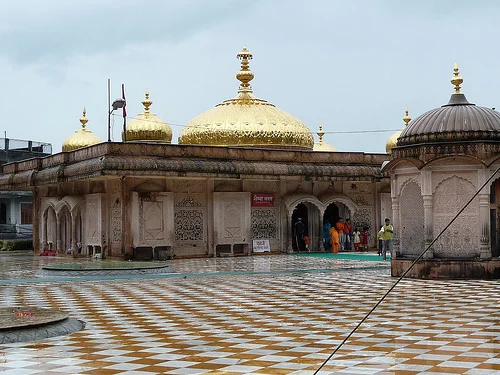
Jwala Ji (Jwalamukhi) Temple, Kangra, Himachal Pradesh, India

Jwala Ji (Jwalamukhi) Temple , Dharamshala
Visitors and pilgrims come to witness the eternal natural flames emerging from rock fissures within the sanctum, which are worshipped as manifestations of the goddess. The temple holds significant religious importance and attracts devotees throughout the year, especially during Navratri and other major Hindu festivals.

Quick Facts About Jwala Ji (Jwalamukhi) Temple

Jwala Ji (Jwalamukhi) Temple Dharamshala Quick Facts

Entry Fee No entry fee for general darshan
Timings Generally open from 5:00 AM to 10:00 PM; aarti and darshan timings may vary during festivals and special occasions.
Altitude (m) Approximately 610 m above sea level
Ideal Visit Duration 1–2 hours
Best Time of Day Early morning or evening during aarti ceremonies
Crowd Level High during Navratri and major Hindu festivals; moderate on regular days
Distance from City Centre (km) Approximately 55 km from Dharamshala city centre
Walking Difficulty Easy
Parking Available Yes, parking facilities are available near the temple complex
Last Mile Access Direct road access to the temple entrance followed by a short walk through the temple premises
Suitable for Kids Yes
Suitable for Seniors Yes
Wheelchair Friendly Partially; some sections are accessible, though crowd conditions and steps may limit movement

Why Visit Jwala Ji (Jwalamukhi) Temple Dharamshala

Visitors come to Jwala Ji Temple to worship Goddess Jwalamukhi and witness the sacred eternal flames that emerge naturally from fissures within the temple sanctum.

The atmosphere is devotional and vibrant, with pilgrims, priests, and worshippers gathering throughout the day for prayers, offerings, and temple rituals.

What makes Jwala Ji Temple distinct is the presence of the naturally occurring flames revered as manifestations of the goddess, making it one of the most significant Shakti Peetha pilgrimage sites in Himachal Pradesh.

History of Jwala Ji (Jwalamukhi) Temple Dharamshala

Jwala Ji Temple, located in the Kangra district of Himachal Pradesh, is one of the most revered Shakti Peethas in India. The temple is dedicated to Goddess Jwala Devi and is unique for its eternal natural flames that emerge from fissures in the rock, which are worshipped as manifestations of the goddess.

According to Hindu tradition, the temple is associated with the legend of Goddess Sati and is believed to mark the place where her tongue fell, giving the site its status as a sacred Shakti Peetha. Over the centuries, the temple received patronage from several rulers, including Maharaja Ranjit Singh, who contributed to its development and offered a gold-plated dome.

Today, Jwala Ji Temple remains an important pilgrimage destination, attracting devotees from across the country who visit to witness the sacred flames and participate in traditional religious ceremonies.

Best Time to Visit Jwala Ji (Jwalamukhi) Temple Dharamshala

Jwala Ji Temple can be visited throughout the year, but the most comfortable period for darshan and exploring the surrounding Kangra region is from October to April when temperatures are pleasant and travel conditions are generally favorable.

  • Ideal months: October to April is considered the best time to visit Jwala Ji Temple, offering comfortable weather for temple visits, pilgrimage, and sightseeing in the Kangra Valley.
  • Weather conditions during the best season: Days are usually mild and pleasant, making it convenient to attend aartis, perform religious rituals, and explore nearby attractions without the heat of summer.
  • Periods to avoid: July to September can bring heavy monsoon rainfall to the region, occasionally affecting road travel and outdoor movement. Navratri festivals attract very large numbers of devotees, resulting in longer queues and crowded temple premises.

How to Reach Jwala Ji (Jwalamukhi) Temple Dharamshala

  • Nearest Airport: Kangra Airport (Gaggal Airport), located approximately 50 km from Jwala Ji Temple, is the nearest airport. Taxis and local transport are readily available for the onward journey.
  • Nearest Railway Station: Jwalamukhi Road Railway Station on the Pathankot–Joginder Nagar railway line is the nearest railway station, situated about 20 km from the temple. Pathankot Junction is the nearest major railhead with broader connectivity.
  • Road Access and Last-Mile Connectivity: Jwala Ji Temple is located in Jwalamukhi town of Kangra district and is well connected by road from Dharamshala, Kangra, Pathankot, and Chandigarh. Private vehicles, taxis, and Himachal Road Transport buses provide convenient access to the temple. The final approach is fully motorable, with parking facilities available near the temple complex. During Navratri and major religious festivals, increased pilgrim traffic may result in temporary traffic diversions and longer walking distances.

What to Expect When You Visit Jwala Ji (Jwalamukhi) Temple Dharamshala

  • Environment and Surroundings: Jwala Ji Temple is a revered Hindu pilgrimage site set amidst the lower Himalayan hills of Kangra district. The temple is known for its eternal natural flames emerging from rock fissures, creating a unique spiritual atmosphere that attracts devotees throughout the year.
  • Facilities and Amenities: The temple complex offers basic visitor facilities, including shoe storage, drinking water, rest areas, and shops selling prasad and religious offerings. Additional restaurants and accommodation options are available in the surrounding town.
  • Accessibility and Movement: The temple is easily accessible by road and requires only a short walk from nearby parking areas. Visitors may encounter security checks and organized queue systems, particularly during busy pilgrimage periods.
  • Visitor Conditions: Devotees visit primarily for darshan and religious rituals. Crowd levels increase significantly during Navratri and other major festivals, leading to longer waiting times. Visitors are expected to follow temple customs, maintain respectful conduct, and observe any photography restrictions within sacred areas.

Important Visitor Information for Jwala Ji (Jwalamukhi) Temple Dharamshala

  • Jwala Ji Temple experiences very high devotee footfall during Navratri, major Hindu festivals, weekends, and auspicious religious occasions, resulting in longer darshan queues.
  • Early morning hours generally offer a more peaceful darshan experience, while late mornings, evenings, and festival periods are typically the busiest.
  • The temple remains accessible throughout the year, though monsoon rains can occasionally affect travel conditions in the surrounding Kangra region.
  • Modest attire is recommended inside the temple premises, and visitors must remove footwear before entering the sacred areas.
  • Visitors should follow temple regulations, respect ongoing rituals, maintain orderly queues, and be mindful of restricted areas around the sacred eternal flames.

Photography and Viewpoints at Jwala Ji (Jwalamukhi) Temple Dharamshala

  • The best exterior photographs are captured from the temple entrance plaza and courtyard areas, where the temple's golden dome, traditional architecture, and surrounding Shivalik hills can be framed together.
  • Morning hours provide softer light and fewer visitors, making it easier to photograph the temple complex and architectural details without heavy crowd interference.
  • Several viewpoints within the temple premises offer elevated perspectives of the surrounding Kangra landscape, particularly on clear days.
  • Photography inside the sanctum housing the sacred eternal flames is generally restricted or prohibited. Visitors should strictly follow temple regulations and instructions from temple authorities.
  • The temple's intricate carvings, ornamental gateways, and gilded structures are best photographed during daylight hours when details are clearly visible.
  • Navratri festivals and other major religious occasions attract large numbers of devotees, which can significantly affect access to photography locations and waiting times.
  • Tripods, commercial photography equipment, and drone operations may require prior permission and can be restricted within the temple premises for security and religious reasons.

Near By Attraction

 Temple

Chintpurni Devi

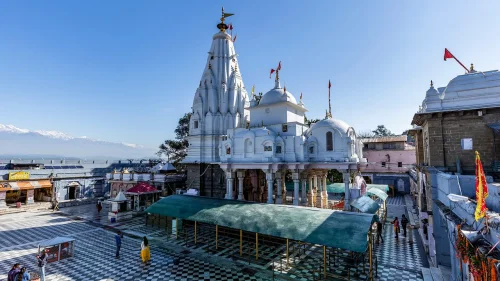
Chintpurni Devi Temple is a revered Hindu temple dedicated to Goddess Chintpurni, located in Una district of Himachal Pradesh and regarded as one of the major Shakti Peethas in northern India.

 Temple

Brajeshwari Devi Temple

Brajeshwari Devi Temple is a prominent Hindu temple dedicated to Goddess Brajeshwari, located in Kangra near Dharamshala in Himachal Pradesh.
 Monastery

Sherabling Monastery

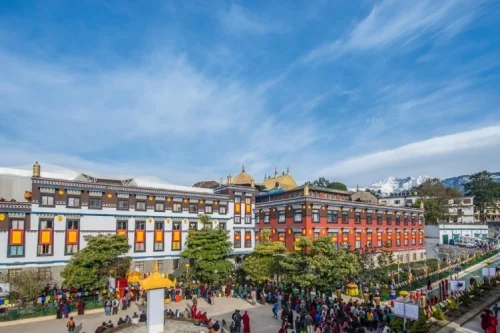
Sherabling Monastery is a Tibetan Buddhist monastery situated in the Bhattu area of Kangra district, Himachal Pradesh, and serves as the seat of the Tai Situpa lineage of the Kagyu school of Buddhism.

Frequently Asked Questions About Jwala Ji (Jwalamukhi) Temple

Loved this place ? Let’s Plan Your Himachal Pradesh Trip

Get customized Himachal Pradesh tour planning designed around season, road conditions, hill travel pacing, and comfort preferences. Whether you are visiting for snow experiences, mountain landscapes, temple towns, adventure activities, or relaxed valley s

⚡ Quick Response | 💰 Free consultation | 🕒 24×7 expert support

×

Plan Your Trip