Quick Facts About Solang Valley
| Entry Fee | Free |
| Timings | 09:00 - 18:00 |
| Altitude (m) | 2560 |
| Ideal Visit Duration (hrs) | 4 |
| Best Time of Day | Morning |
| Crowd Level | High |
| Distance from Manali (km) | 14 |
| Walking Difficulty | Easy |
| Parking Available | Yes |
| Last Mile Access | Car |
| Suitable for Kids | Yes |
| Suitable for Seniors | Yes |
| Wheelchair Friendly | No |
Why Visit Solang Valley
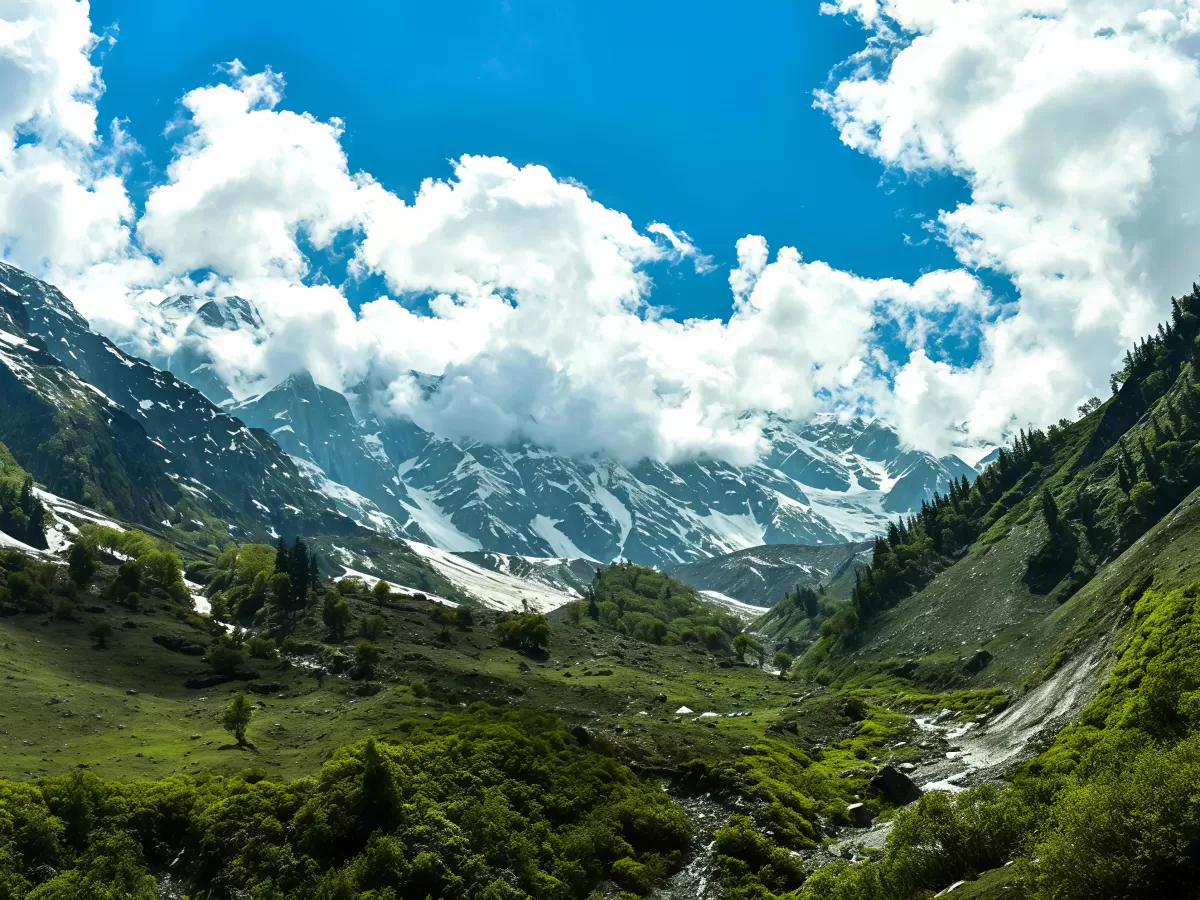
Solang Valley is visited for its wide, open mountain setting that allows clear views of surrounding peaks and changing landscapes across seasons. The valley floor is broad and accessible, making it easy to experience high-altitude scenery without long walks or difficult terrain. It works well for travelers who want outdoor experiences close to Manali rather than remote trekking routes.
The atmosphere is active and open rather than quiet. You will hear wind, activity calls, and vehicle movement, especially during peak hours. Early mornings are calmer, with clearer skies and softer light, while afternoons become busier and louder due to adventure operations and tour vehicles.
What makes Solang Valley special is the combination of scenery and seasonal activities in one place. In summer, it supports paragliding and open-ground experiences, while in winter it turns into a snow zone suitable for skiing and snow play. Few places near Manali offer such direct access to both mountain views and organized outdoor activities without requiring technical skills or long travel time.
Background and Development
Solang Valley was traditionally a grazing ground and seasonal passage used by local villagers moving livestock between lower and higher pastures. For a long time, it remained an open alpine meadow with limited outside attention, visited mainly by locals and occasional travelers moving toward Rohtang Pass.
Its transformation began in the late 20th century when winter sports and basic skiing activities were introduced due to the valley’s natural slope and reliable snowfall. Over time, Solang Valley gained recognition as one of the few easily accessible snow zones near Manali, leading to gradual infrastructure development.
Today, the valley is shaped more by tourism and adventure sports than by cultural or religious associations. Its significance lies in how it evolved from a quiet grazing area into a major outdoor activity hub while still retaining its natural valley layout and seasonal character.
Best Time to Visit Solang Valley
Solang Valley can be visited throughout the year, but the experience changes significantly with the seasons. The best time depends on whether you are interested in adventure activities, snow experiences, or clear mountain views.
Summer months from April to June are ideal for paragliding, zorbing, and sightseeing, with stable weather and open roads. Winter months from December to February are preferred for snow activities, though access may depend on snowfall and road conditions.
- April to June: Best for adventure activities, clear skies, and comfortable daytime temperatures
- July to September: Lush surroundings but frequent rain, reduced visibility, and occasional activity shutdowns
- October to November: Quieter period with crisp weather and fewer visitors, limited activities
- December to February: Snow season suitable for skiing and snow play, but very high crowd levels
How to Reach Solang Valley
- Solang Valley is located about 14 km northwest of Manali on the road toward Rohtang Pass.
- From Manali town, taxis and private vehicles can reach Solang Valley in 30 to 40 minutes, depending on traffic and road conditions.
- Local buses and shared taxis operating toward Solang village and Rohtang route run regularly during the tourist season.
- The road is fully motorable and maintained, but traffic congestion is common during peak tourist months and snow season.
- During heavy snowfall, vehicle movement may be restricted, and access may require special permissions or snow-equipped vehicles.
What to Expect When You Visit Solang Valley
- A wide open valley surrounded by steep mountain slopes, offering unobstructed views and open walking areas.
- Clearly defined activity zones with operators offering paragliding, zorbing, snow skiing, snow tubing, and ATV rides depending on season.
- High crowd density during late mornings and afternoons, especially in peak summer and winter months.
- Commercial setup with ticket counters, rental stalls, small cafes, and paid restrooms near the parking area.
- Cold temperatures even in summer due to altitude, with sudden weather changes including wind and cloud cover.
- Snow-covered ground in winter months, which can be slippery and uneven, requiring proper footwear.
Important Visitor Information
- Crowd and Weather Notes: Solang Valley becomes extremely crowded during peak tourist months from May to June and December to January. Weather can change quickly, with sudden winds, cloud cover, or snowfall affecting visibility and activities.
- Peak Hours: Late morning to early afternoon between 10:30 am and 3:30 pm, when most tour vehicles and activity bookings arrive.
- Quiet Hours: Early morning before 9:00 am offers fewer crowds, clearer mountain views, and smoother access to parking and activities.
- Dress Code: Warm layered clothing is necessary year-round. In winter, insulated jackets, gloves, and waterproof shoes are essential due to snow and low temperatures.
- Safety Notes: Follow operator instructions strictly for adventure activities. Snow areas can be slippery, and weather-related shutdowns are common. Avoid walking close to takeoff zones and moving vehicles during peak traffic hours.
Photography and Viewpoint
- Early morning offers the best photography conditions, with soft light, clearer skies, and minimal crowd interference across the valley floor.
- Wide-angle shots work well to capture the scale of the valley, especially from the edges of the open meadow where surrounding slopes frame the scene.
- In winter, snow-covered ground and activity zones create strong visual contrast, but glare can be high. Sunglasses and lens hoods help manage reflections.
- Paragliding takeoff areas provide elevated viewpoints, but access is controlled and photography should be done only from permitted zones.
- Afternoons often bring haze and cloud movement, which can soften distant mountain details and reduce image clarity.
- Drone usage may be restricted during peak seasons and near activity zones due to safety concerns and local regulations.