Quick Facts About Shri Anjani Mahadev Mandir
| Entry Fee | Free |
| Timings | 06:00 - 18:00 |
| Altitude (m) | 2460 |
| Ideal Visit Duration (hrs) | 2 |
| Best Time of Day | Morning |
| Crowd Level | Moderate |
| Distance from Manali (km) | 6 |
| Walking Difficulty | Moderate |
| Parking Available | Yes |
| Last Mile Access | Walk |
| Suitable for Kids | Yes |
| Suitable for Seniors | No |
| Wheelchair Friendly | No |
Why Visit Shri Anjani Mahadev Mandir
Shri Anjani Mahadev Mandir is a must-visit destination for travelers seeking spiritual peace along with natural beauty. The temple offers a rare combination of devotion, adventure, and scenic Himalayan landscapes, making it appealing to both pilgrims and nature lovers.
Atmosphere: The atmosphere at Shri Anjani Mahadev Mandir is calm, spiritual, and deeply serene. Surrounded by snow-capped mountains and alpine meadows, the temple feels especially tranquil during the early morning hours. The sound of prayers, bells, and natural silence creates a powerful sense of devotion an
History and Religious Significance of Shri Anjani Mahadev Mandir
Shri Anjani Mahadev Mandir is an ancient Hindu temple dedicated to Lord Shiva and holds deep religious importance in the Manali region. According to local beliefs and Hindu mythology, this sacred site is associated with Goddess Anjani, the mother of Lord Hanuman, who is believed to have performed intense penance here to please Lord Shiva.
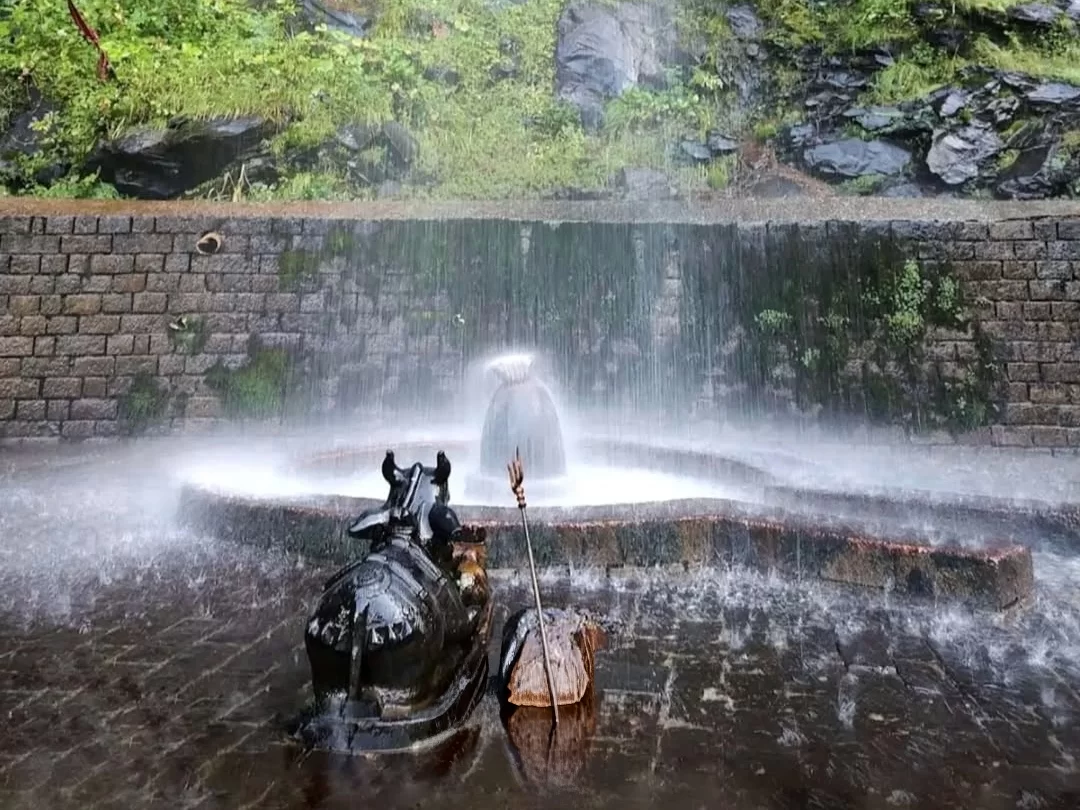
The temple is especially revered for its naturally forming ice Shivling, which appears during the winter months. Devotees believe this phenomenon to be divine, as the ice Shivling gradually grows in size with falling temperatures and melts as summer approaches. This natural process is considered a manifestation of Lord Shiva’s presence.
Shri Anjani Mahadev Mandir is an important pilgrimage destination, particularly during the winter season and on auspicious occasions like Maha Shivratri. The temple’s spiritual significance, combined with its remote mountain setting and trek-based access, makes the visit feel like a sacred journey rather than a routine temple visit.
Best Time to Visit Shri Anjani Mahadev Mandir
The best time to visit Shri Anjani Mahadev Mandir depends largely on weather conditions and the natural formation of the ice Shivling. Seasonal changes significantly influence accessibility, spiritual experience, and overall comfort during the visit.
Winter (December to February): This is the most significant time to visit the temple, as the famous ice Shivling forms naturally during this period. Heavy snowfall enhances the spiritual and scenic appeal, but cold temperatures and trekking conditions require proper preparation.
Spring & Summer (March to June): As temperatures rise, the ice Shivling gradually melts, but the temple remains accessible. Pleasant weather, clear skies, and blooming landscapes make this season suitable for visitors who prefer easier trekking and scenic views.
Monsoon (July to September): Visits during monsoon are less recommended due to slippery trails and potential weather-related risks. However, fewer crowds and lush greenery may appeal to experienced trekkers.
- Best spiritual experience: December to February for ice Shivling darshan
- Best weather conditions: March to June for safe trekking and clear views
- Peak crowd period: Winter months and Maha Shivratri
- Least crowded season: Monsoon months, with weather caution
How to Reach Shri Anjani Mahadev Mandir
- By Air: The nearest airport is Bhuntar Airport (Kullu–Manali Airport), located about 50 km from Manali. From the airport, taxis are available to Solang Valley. The drive takes approximately 1.5 to 2 hours, depending on road and weather conditions.
- By Train: The closest railway station is Joginder Nagar Railway Station, around 165 km away, connected by a narrow-gauge line. For better connectivity, Chandigarh Railway Station (approximately 310 km away) is commonly used. From these stations, travelers can reach Manali by bus or taxi.
- By Road: Manali is well-connected by road to major cities such as Delhi (about 540 km) and Chandigarh (about 310 km). From Manali, Shri Anjani Mahadev Mandir is around 6 km away near Solang Valley. Taxis and private vehicles can be hired up to the village parking area.
- Last Mile Trek: From the parking point near Solang village, visitors must undertake a short uphill trek of approximately 1.5 to 2 km to reach the temple. The trail is well-marked but can be slippery in winter and monsoon seasons.
- Alternative Access: Horses and mules are available locally for those who prefer not to trek on foot, especially useful for senior visitors or during snowy conditions.
What to Expect When You Visit Shri Anjani Mahadev Mandir
- Spiritual and Peaceful Setting: Visitors can expect a deeply spiritual atmosphere surrounded by Himalayan landscapes. The calm environment, temple bells, and prayers create a serene experience, especially during early morning hours.
- Short Scenic Trek: Reaching the temple involves a short uphill trek through snow-covered paths in winter or green alpine trails in summer. The trek adds a sense of devotion and accomplishment to the visit.
- Ice Shivling (Seasonal): During winter months, devotees can witness the naturally formed ice Shivling, which is the main highlight of the temple. In warmer months, the Shivling gradually melts but the spiritual importance remains unchanged.
- Panoramic Mountain Views: The temple offers stunning views of surrounding snow-clad peaks and valleys, making the visit visually rewarding in addition to its religious significance.
- Moderate Physical Effort: While the trek is short, it can be physically demanding for some visitors due to altitude and weather conditions. Proper footwear and slow pacing are recommended.
- Basic Facilities: Facilities near the temple are minimal. Visitors should carry water, warm clothing, and essentials, especially during winter or peak pilgrimage periods.
Important Visitor Information for Shri Anjani Mahadev Mandir
- Crowd & Weather Notes: The temple experiences higher crowds during winter months, especially when the ice Shivling forms and during festivals like Maha Shivratri. Weather conditions can be extremely cold, with snowfall common in winter, while summers remain cool and pleasant.
- Peak / Quiet Hours: Peak visiting hours are between 9:00 AM and 12:00 PM when most pilgrims arrive. Quiet hours are early mornings and late afternoons, offering a more peaceful darshan and better trekking conditions.
- Dress Code: Modest clothing is recommended as the site is a religious place. Warm clothing is essential throughout the year, especially in winter, including jackets, gloves, and proper trekking shoes.
- Safety Notes: Visitors should be cautious while trekking, particularly during snow or rain. Slippery paths, cold temperatures, and altitude can pose challenges. It is advisable to carry water, avoid rushing, and follow local guidance for weather and trail conditions.
Photography and Viewpoints at Shri Anjani Mahadev Mandir
- Mountain Landscape Photography: Shri Anjani Mahadev Mandir offers breathtaking views of the surrounding Himalayan peaks, alpine slopes, and snow-covered terrain during winter. These natural backdrops make it an excellent location for wide-angle landscape photography.
- Temple & Spiritual Moments: The temple’s simple stone structure set against dramatic mountain scenery creates powerful visual contrasts. Capturing moments of prayer, rituals, and the natural ice Shivling (when present) adds spiritual depth to photographs.
- Best Time for Photography: Morning hours provide clear skies, softer natural light, and fewer visitors, making it ideal for both landscape and temple photography. Afternoon light highlights the surrounding peaks but may bring more crowds.
- Seasonal Viewpoints: In winter, the area transforms into a snow-laden viewpoint with pristine white surroundings. During summer and spring, lush greenery and open mountain views dominate the scenery, offering a completely different visual experience.
- Photography Guidelines: Tripods may be difficult to use due to limited space and foot traffic. Visitors should avoid obstructing worship activities and seek permission before photographing devotees or rituals to respect religious sentiments.