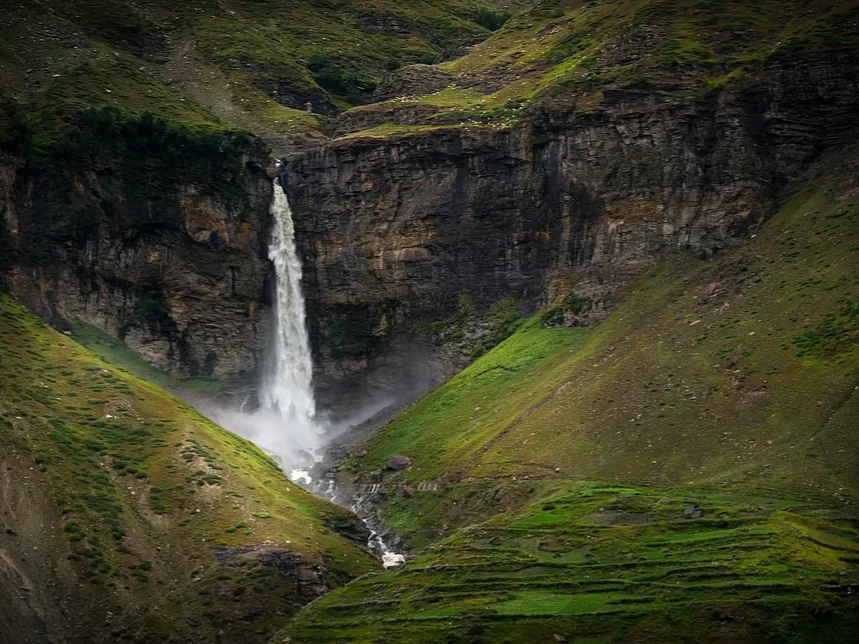
Sissu Waterfall: A Scenic Himachal Paradise

Sissu Waterfall , Sissu
Sissu Waterfall, located in Himachal Pradesh’s Lahaul region, is a picturesque natural attraction where snow-fed streams plunge into serene pools. Surrounded by lush greenery and rugged mountains, it offers stunning photography spots and a tranquil escape from city life. Accessible via the Manali-Leh Highway, it is ideal for nature lovers and adventure enthusiasts.

Quick Facts About Sissu Waterfall

Entry Fee Free
Timings 06:00 - 18:00
Altitude (m) 3120
Ideal Visit Duration (hrs) 2
Best Time of Day Morning
Crowd Level Moderate
Distance from Manali (km) 40
Walking Difficulty Easy
Parking Available Yes
Last Mile Access Walk
Suitable for Kids Yes
Suitable for Seniors Yes
Wheelchair Friendly No

Why Visit Sissu Waterfall

Sissu Waterfall, located in the pristine Lahaul Valley of Himachal Pradesh, is a stunning natural spectacle that draws travelers seeking tranquility and scenic beauty. The waterfall, fed by the Beas River, cascades dramatically down rocky cliffs, creating a mesmerizing sight and soothing sounds that instantly calm the mind. Its location along the Manali-Leh highway makes it easily accessible, yet it retains a serene, unspoiled charm.

The atmosphere at Sissu Waterfall is refreshing and invigorating. Surrounded by lush greenery, rugged Himalayan peaks, and the flowing river, visitors experience a perfect blend of adventure and peace. The crisp mountain air, combined with the roar of cascading water, makes it an ideal spot for picnics, photography, meditation, or simply connecting with nature. The area is relatively uncrowded, allowing travelers to enjoy the landscape without the distractions of heavy tourism.

What makes Sissu Waterfall truly special is its combination of natural grandeur and accessibility. Unlike many hidden waterfalls in the Himalayas, Sissu offers both dramatic views and easy reach, making it perfect for day trips and short excursions. The sight of water plunging over rugged cliffs against the backdrop of snow-capped mountains is unforgettable, and its serene surroundings make it a rejuvenating experience for all visitors.

History & Local Significance of Sissu Waterfall

Sissu Waterfall, sometimes locally referred to as a part of the Palden Lhamo Dhara landscape, has long been a natural landmark within the Lahaul Valley of Himachal Pradesh. Rather than being tied to any documented ancient historical event or urban settlement, its story is intrinsically linked to the geography and traditional life of the Sissu region. The waterfall is fed by glacial melt from the high Himalayan range, creating a dramatic cascade that has attracted the attention of travelers and locals alike for generations. Its presence has shaped the valley’s scenic identity and served as a familiar landmark for traders, pilgrims, and nomadic communities moving through the high mountain routes.

For the local Lahauli community, the broader landscape around Sissu — which includes the waterfall — is bound up with traditional beliefs and the mountain environment. The surrounding area, including nearby temples and village shrines, reflects the region’s blend of Himalayan culture and reverence for natural features. While the waterfall itself is not tied to specific ancient myths or rituals in documented sources, its landscape plays a role in the lived experience of life in the Lahaul Valley, symbolizing purity and natural abundance that supports local agriculture and seasonal cycles.

Best Time to Visit Sissu Waterfall

Sissu Waterfall is best enjoyed when the weather is pleasant, the water flow is strong, and the surrounding valley scenery is at its peak. The waterfall is fed by glacial melt, which means that snowmelt in the warmer months makes the cascade most dramatic and visually stunning. During this period, visitors can comfortably explore the natural surroundings, enjoy photography, and experience the valley’s lush beauty. Winters in Sissu bring heavy snowfall and very cold temperatures, making access challenging and often limiting travel opportunities. Therefore, planning your visit during the warmer, more stable months will give you the best overall experience.
  • Summer (May to September): This is the most recommended time to visit Sissu Waterfall. Weather is pleasant, skies are clear, and the waterfall flows with strong, snow?melt?fed waters, creating ideal conditions for sightseeing, photography, and outdoor activities.
  • Spring & Early Summer (May–June): Early in the season, snow begins to melt, feeding the waterfall with full force and bringing rich greenery to the valley. Cool temperatures and gentle breezes make it a comfortable time to explore the area.
  • Autumn (September to October): After the peak summer, autumn offers crisp blue skies, cooler temperatures, and fewer crowds, while still providing beautiful views of the waterfall alongside changing hues of the surrounding landscape.
  • Winter (November to March): The water flow slows and temperatures drop significantly, with frequent snowfall in the region. Winter access can be difficult due to snowy roads and cold conditions, so this season is generally not recommended for a typical visit to the falls.

How to Reach Sissu Waterfall

  • By Road (Most Convenient): The easiest and most popular way to reach Sissu Waterfall is by road. Sissu lies along the Leh–Manali Highway (NH3), accessible via the Atal Tunnel from Manali. The drive from Manali to Sissu is scenic and takes about 1.5–2 hours, covering roughly 40?km after passing through the Atal Tunnel. Sissu’s location on a major highway means the waterfall can often be seen directly from the roadside, with short walks to closer viewpoints.
  • From Nearby Towns: Keylong, the district headquarters of Lahaul & Spiti, is about 30–35?km away, and taxis or shared vehicles from Keylong can drop you near Sissu. Local buses and shared cabs operate seasonally between Manali, Keylong, and Sissu.
  • By Air: The nearest airport is Bhuntar Airport near Kullu. From Bhuntar, travelers typically hire a taxi or take a bus to Manali, and then continue through the Atal Tunnel to Sissu. The total road journey from Bhuntar to Sissu is around 4–5 hours depending on traffic and weather.
  • By Train: The closest railway access is Joginder Nagar Railway Station (on the narrow?gauge line), roughly 160–170?km away. From there, you can take a taxi or connect to Manali and then proceed to Sissu by road. Railway connectivity through this route is limited, so most visitors prefer reaching nearby cities first and then using road transport.
  • On Foot (Short Walk/Trek from Village): Once you reach Sissu village, the waterfall is visible from the highway. Many travelers choose to walk a short distance (about 30–45?minutes) from the road to reach closer viewpoints and enjoy the surroundings; the walk is on a generally easy trail with mountain views.

What to Expect When You Visit Sissu Waterfall

  • Breathtaking Scenery: Expect panoramic views of the Lahaul Valley, with snow-capped Himalayan peaks framing the cascading waters of Sissu Waterfall. The combination of lush green meadows, rocky cliffs, and the roaring waterfall creates a dramatic natural landscape.
  • Refreshing Atmosphere: The air around Sissu Waterfall is crisp and invigorating, with the cool mist from the waterfall providing natural refreshment. The sound of rushing water adds a serene, meditative quality to the experience.
  • Photographic Opportunities: Photographers can capture the waterfall from multiple angles—both from the roadside and by taking short walking trails. Early morning or late afternoon light enhances the beauty of the waterfall and surrounding valley.
  • Short Walks and Easy Treks: Visitors should expect easy walking paths leading from the highway or village to closer viewpoints. These trails are suitable for most visitors, including families, but sturdy shoes are recommended for uneven terrain.
  • Seasonal Variations: The waterfall’s flow is strongest during late spring and summer due to snowmelt. During autumn, expect clearer skies and crisp weather. Winters bring snow and reduced water flow, making access more challenging.
  • Local Village Charm: Along the way or nearby, visitors may encounter small villages where traditional Lahauli architecture and Himalayan lifestyle can be observed. This adds a cultural touch to the natural experience.
  • Peaceful Experience: While popular, Sissu Waterfall is relatively less crowded than many other Himalayan attractions. Expect a tranquil visit, perfect for relaxation, meditation, or quiet family picnics.

Important Visitor Information for Sissu Waterfall

  • Crowd & Weather Notes: Sissu Waterfall experiences moderate crowds, with peak visitor numbers during the summer months (May–September). The weather is pleasant and ideal for sightseeing during this period. Winters bring heavy snowfall, making access difficult and roads slippery. Always check local weather reports before planning your visit.
  • Peak / Quiet Hours: Early mornings and late afternoons are the best times to visit for fewer crowds, better lighting for photography, and a peaceful experience. Midday can be busier, especially during the summer tourist season.
  • Dress Code: Dress comfortably and in layers due to variable Himalayan weather. Wear sturdy walking shoes for trails, and bring rain gear if visiting during the monsoon or early summer melt season. Sunglasses and sun protection are recommended at higher altitudes.
  • Safety Notes: The waterfall is located near rocky cliffs and flowing water, so caution is advised. Avoid getting too close to slippery edges. Children should be supervised at all times. Mobile connectivity may be limited, so plan accordingly. Carry water, snacks, and basic first-aid supplies for safety.

Photography and Viewpoints at Sissu Waterfall

  • Main Road Viewpoint: The waterfall can be seen directly from the Manali-Leh highway near Sissu village. This viewpoint provides a wide-angle perspective of the waterfall cascading down the cliffs against the backdrop of snow-capped Himalayan peaks, ideal for landscape photography.
  • Closer Walkway Trails: A short 20–30 minute walk from the highway leads to closer vantage points. These trails allow visitors to capture the waterfall from different angles, including shots of the flowing water, surrounding rocks, and lush greenery.
  • Best Time for Photography: Early morning or late afternoon provides the best natural lighting, softer shadows, and fewer crowds. During summer months, the waterfall is at its fullest due to snowmelt, enhancing its visual impact.
  • Seasonal Variations: Summer and early autumn offer vibrant green landscapes, while autumn brings clearer skies and crisp views. Winter photography is challenging due to snow and reduced water flow, but it offers a serene, snowy alpine scene for adventurous photographers.
  • Photography Tips: Use a tripod for long-exposure shots to capture the silky effect of flowing water. Wide-angle lenses are ideal for capturing the waterfall along with the Himalayan surroundings. Drone photography can provide unique aerial perspectives, but always follow local regulations.
  • Scenic Panoramas: Beyond the waterfall, the Lahaul Valley offers stunning panoramic views of mountains, rivers, and traditional villages, allowing visitors to combine natural beauty with cultural scenery in their photographs.

Near By Attraction

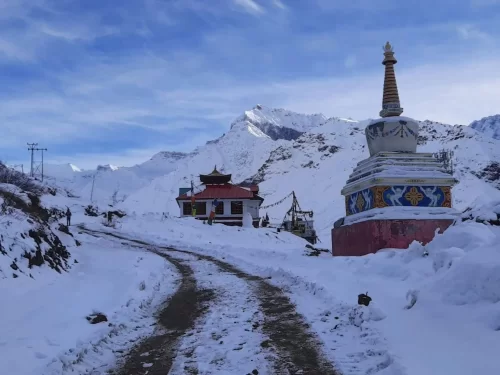
Snow-covered Sissu Monastery featuring a small temple with a red roof, a decorated Buddhist stupa in the foreground, winding path through deep snow, and towering Himalayan peaks in the background. Monastery

Sissu Monastery

Sissu Monastery is a serene Buddhist sanctuary nestled in the picturesque Lahaul Valley, Himachal Pradesh.
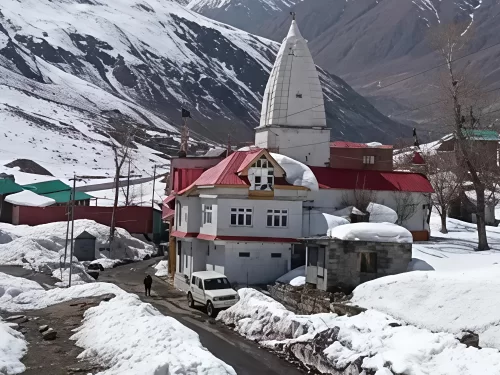
Sissu Raja Ghepan Temple snowy Lahaul village red roof white shikhara temple complex parked white SUV local walking snow-covered road majestic snow-capped peaks backdrop, perfect Himachal tour packages. Cultural Centre

Raja Ghepan Temple

Raja Ghepan Temple is a revered spiritual temple in Sissu village, dedicated to the patron deity of Lahaul Valley.
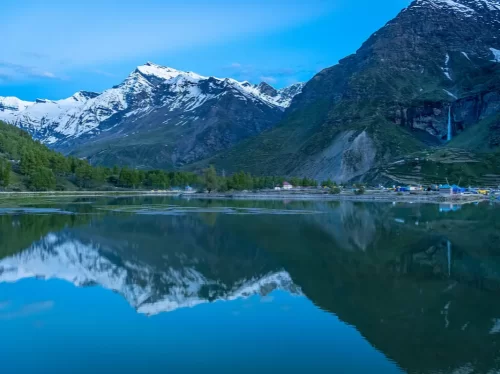
Sissu Lake mirror reflection of snow-capped peaks, cascading waterfall, colorful village huts with green trees along deep blue waters under twilight blue sky, perfect Himachal Pradesh tour package. Lake

Sissu Lake

Sissu Lake is a tranquil high altitude waterbody near Sissu village in Himachal Pradesh’s LahaulSpiti district, known for its mirrorlike reflections and alpine vistas.

Frequently Asked Questions About Sissu Waterfall

The best time to visit Sissu Waterfall is between May and October when the Atal Tunnel route from Manali remains open and weather conditions in Himachal Pradesh are stable. Snowmelt during summer makes the waterfall more impressive.
Sissu Waterfall is located in Sissu village in Lahaul Valley in Himachal Pradesh, close to the Manali Leh highway. It is clearly visible from the main road and easy to access.
Sissu Waterfall can be reached from Manali via the Atal Tunnel in about 1.5 to 2 hours depending on traffic and weather. Visitors can park near Sissu and walk a short distance toward the base area.
There is usually no entry fee to visit Sissu Waterfall. Visitors can access the viewpoint and surrounding area without purchasing a ticket.
Sissu Waterfall is accessible during daylight hours from morning until sunset. Visiting during the day ensures better visibility and safer travel on mountain roads.
Around 30 to 60 minutes is sufficient to explore Sissu Waterfall and take photographs. Many travelers stop briefly while passing through Lahaul Valley.
Sissu Waterfall remains accessible during winter if the Atal Tunnel is operational, but heavy snowfall in Lahaul Valley can restrict movement near the waterfall. Checking current road conditions is advisable before planning a winter visit.
Sissu Waterfall is suitable for families as it requires minimal walking from the roadside. Visitors should still supervise children near wet and slippery surfaces.
Photography and mobile videography are allowed at Sissu Waterfall. The cascading water against the mountain backdrop makes it a popular photo stop.
Visitors should carry warm clothing, sturdy footwear, and drinking water while visiting Sissu Waterfall due to high altitude weather conditions. It is important to be cautious on slippery rocks and avoid littering.

Loved this place ? Let’s Plan Your Himachal Pradesh Trip

Get customized Himachal Pradesh tour planning designed around season, road conditions, hill travel pacing, and comfort preferences. Whether you are visiting for snow experiences, mountain landscapes, temple towns, adventure activities, or relaxed valley s

⚡ Quick Response | 💰 Free consultation | 🕒 24×7 expert support

×

Plan Your Trip