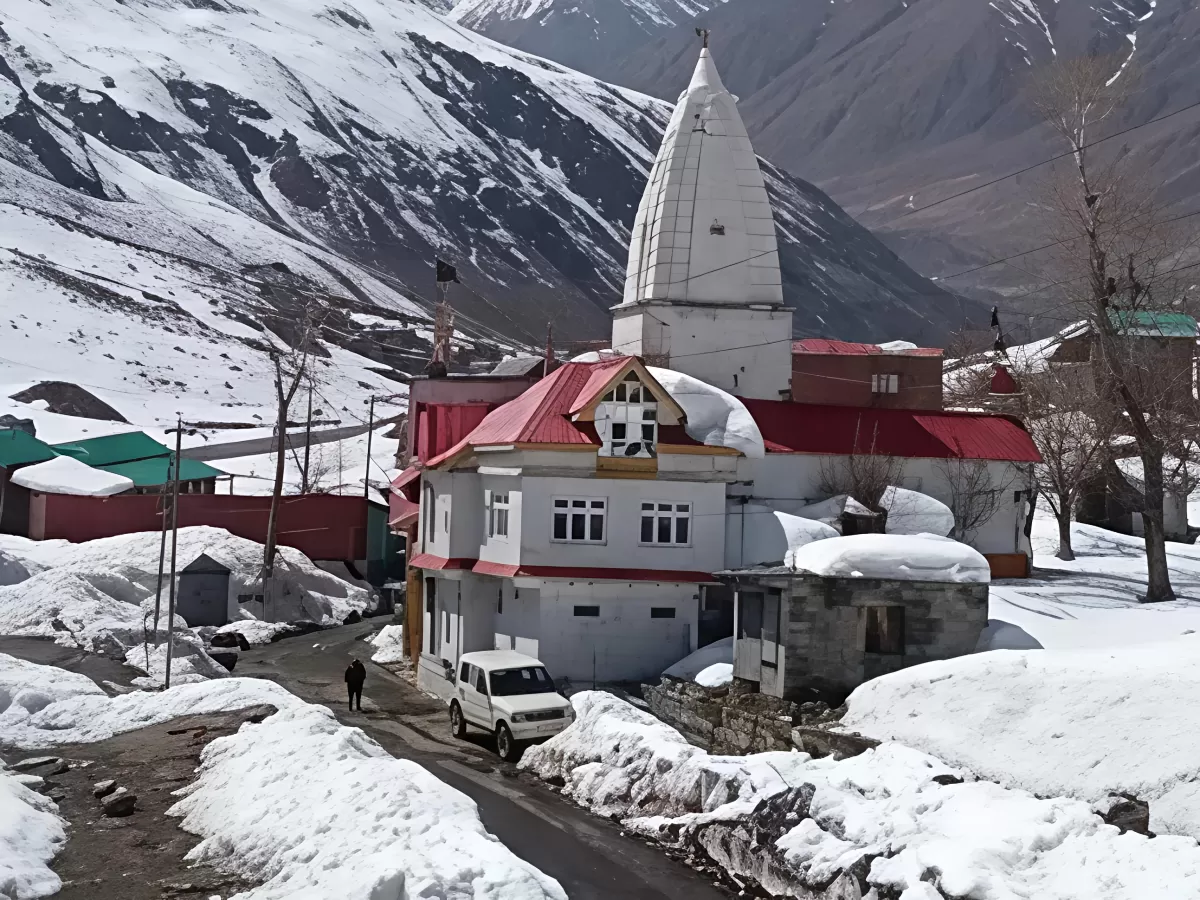
Raja Ghepan Temple – Sacred Spiritual Shrine in Lahaul Valley

Raja Ghepan Temple , Sissu
Raja Ghepan Temple is located in the scenic Sissu village of Lahaul and Spiti district in Himachal Pradesh, India. The temple is dedicated to Raja Ghepan (also known as Gyephang), the most revered deity of the valley, believed to protect the region and its people. It stands roadside along the Manali–Leh Highway and is a prominent spiritual stop for both locals and visitors traveling through the high Himalayan landscape. The temple’s simple architecture does not reflect its deep cultural significance — devotees regularly stop here to pay respects, seek blessings, and connect with the region’s ancient beliefs and traditions. Every three years, a grand Rath Yatra procession celebrates the deity across Lahaul Valley, reflecting the rich spiritual heritage of the area

Quick Facts About Raja Ghepan Temple

Entry Fee Free
Timings 08:00 - 17:30
Altitude (m) 3120
Ideal Visit Duration (hrs) 1
Best Time of Day Morning
Crowd Level Moderate
Distance from Manali (km) 40
Walking Difficulty Easy
Parking Available Yes
Last Mile Access Walk
Suitable for Kids Yes
Suitable for Seniors Yes
Wheelchair Friendly No

Why Visit Raja Ghepan Temple

Raja Ghepan Temple is a spiritual and cultural landmark in the Lahaul Valley, offering visitors a unique insight into the local Himalayan beliefs and traditions. Dedicated to the revered deity Raja Ghepan, the temple attracts devotees and travelers seeking blessings, peace, and a connection with the region's rich spiritual heritage.

The atmosphere at Raja Ghepan Temple is serene and meditative, with the backdrop of the snow-capped Himalayan peaks enhancing the sacred ambiance. The temple’s courtyard and surrounding village pathways provide a calm setting for reflection, prayer, and photography, making it a perfect stop for travelers exploring the high-altitude landscape.

What makes Raja Ghepan Temple special is its deep cultural significance despite its simple architecture. Every three years, the grand Rath Yatra festival celebrates the deity, drawing people from across Lahaul Valley. This unique combination of spiritual importance, local traditions, and Himalayan scenery makes the temple a must-visit for those looking to experience authentic regional culture.

Religious Significance of Raja Ghepan Temple

Raja Ghepan Temple is one of the most revered spiritual sites in the Lahaul Valley, dedicated to Raja Ghepan (also called Gyephang), the patron deity believed to protect the region and its inhabitants. The temple serves as a central place of worship for locals, with devotees visiting to seek blessings for prosperity, health, and safety during their journeys through the high Himalayan terrain.

The temple is particularly significant for its triennial Rath Yatra festival, during which the deity’s idol is carried through surrounding villages in a grand procession. This event not only reinforces the spiritual importance of Raja Ghepan but also strengthens the cultural bonds of the Lahauli communities. The temple stands as a symbol of faith, continuity, and the unique Himalayan religious traditions that have been preserved over centuries.

Best Time to Visit

Raja Ghepan Temple, a serene and ancient spiritual site, is best experienced when the weather is pleasant and the surroundings are at their most vibrant. The temple, known for its intricate carvings and peaceful atmosphere, is located in a region with a tropical climate, making certain months ideal for travel.

  • October to March: These months offer cool and comfortable weather, perfect for exploring the temple grounds without the discomfort of excessive heat or rain.
  • Festival Periods: Visiting during local festivals adds a cultural dimension to the trip, as devotees perform traditional rituals and ceremonies, providing a glimpse into the temple’s living heritage.
  • Early Morning or Late Afternoon: These times of day provide soft lighting for photography and a tranquil experience, avoiding the midday heat.
  • Avoid Monsoon (June to September): Heavy rains can make access challenging and reduce the enjoyment of the temple’s outdoor spaces.

Planning your visit around these optimal periods ensures you can fully appreciate the historical significance, spiritual ambiance, and natural beauty surrounding Raja Ghepan Temple.
How to Reach

  • By Air: The nearest airport to Raja Ghepan Temple is [Insert Nearest Airport], approximately [X] km away. From the airport, travelers can hire taxis or use private cabs to reach the temple comfortably.
  • By Train: The closest railway station is [Insert Nearest Railway Station], well-connected to major cities. From the station, local buses, taxis, and auto-rickshaws provide easy access to the temple.
  • By Road: Raja Ghepan Temple is well-linked by road. Regular buses and private vehicles from nearby towns and cities can reach the temple. Travelers can enjoy scenic drives through the surrounding countryside, especially from [Nearest Major City].
  • Local Transportation: Once near the temple, short walks, e-rickshaws, and cycle rickshaws are convenient for navigating the temple complex and nearby attractions.
  • Travel Tips: Roads may be narrow or winding in certain areas; it’s recommended to hire experienced local drivers. Early morning arrivals are ideal to avoid crowds and enjoy the serene atmosphere.

What to Expect When You Visit

  • Architectural Beauty: Raja Ghepan Temple is renowned for its intricate carvings, ancient stone sculptures, and majestic architecture that reflect the region’s historical and cultural heritage.
  • Spiritual Ambiance: The temple exudes a serene and peaceful atmosphere, making it ideal for meditation, reflection, and spiritual rejuvenation.
  • Local Rituals and Festivals: Visitors may witness traditional rituals, prayer ceremonies, and festivals that showcase the temple’s vibrant cultural practices.
  • Scenic Surroundings: The temple is set amidst lush greenery and picturesque landscapes. Early mornings and late afternoons offer stunning natural views perfect for photography.
  • Guided Insights: Knowledgeable local guides provide historical context, legends, and stories about the temple, enhancing the visitor experience and understanding of its significance.
  • Peaceful Walks: The temple complex allows leisurely strolls along stone pathways, courtyards, and gardens, giving visitors time to absorb the serene environment.
  • Local Culture: Small markets and local eateries near the temple offer authentic regional snacks, souvenirs, and handicrafts, giving a taste of local life and traditions.

Important Visitor Information

  • Crowd & Weather Notes: The temple experiences higher visitor traffic during weekends, public holidays, and local festivals. The best time to enjoy a peaceful visit is during weekdays and early mornings. The weather is most comfortable from October to March, while the monsoon season (June to September) can make access slippery and less enjoyable.
  • Peak / Quiet Hours: Peak hours are typically from 10:00 AM to 4:00 PM when groups and local devotees visit. For a quieter, more reflective experience, plan your visit early in the morning or late in the afternoon, when the temple grounds are less crowded and photography is ideal.
  • Dress Code: Visitors are expected to dress modestly out of respect for religious customs. Covering shoulders and knees is recommended. Comfortable footwear is advised as some areas require walking on uneven stone paths.
  • Safety Notes: While the temple is generally safe, visitors should stay hydrated, carry sun protection, and be cautious on steps and stone pathways. Keep personal belongings secure, especially during busy periods, and follow guidance from temple staff or signage to ensure a safe visit.

Photography and Viewpoints

  • Best Photography Times: Early morning (sunrise) and late afternoon (golden hour) provide soft, warm lighting ideal for capturing the temple’s intricate architecture and surrounding landscapes. Avoid midday sun, which can create harsh shadows.
  • Key Viewpoints: Several elevated areas around the temple offer panoramic views of the temple complex against lush greenery. The main courtyard and stone terraces are perfect for wide-angle shots of the architecture and visitors performing rituals.
  • Architectural Details: Close-up photography of the temple’s carvings, sculptures, and inscriptions is highly recommended. Pay attention to textures, patterns, and symmetrical designs that highlight the craftsmanship.
  • Landscape and Nature: The temple is surrounded by gardens and scenic pathways. Capture seasonal blooms, local flora, and the natural backdrop that adds depth and context to your photos.
  • Photography Tips: Respect the sacred areas and avoid using flash in interiors where rituals are ongoing. Tripods are useful for low-light photography but check temple guidelines. Wide-angle lenses work well for capturing the scale of the temple.
  • Drone Use: Drones may be restricted due to religious and safety reasons. Always check with temple authorities before attempting aerial photography.
  • Cultural Etiquette: While photographing visitors or rituals, seek permission. Respect the spiritual ambiance to ensure your photography does not disturb worshippers.

Near By Attraction

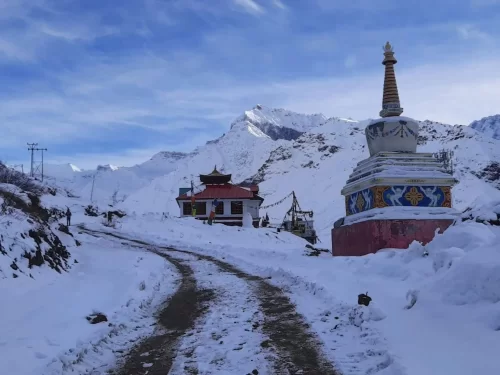
Snow-covered Sissu Monastery featuring a small temple with a red roof, a decorated Buddhist stupa in the foreground, winding path through deep snow, and towering Himalayan peaks in the background. Monastery

Sissu Monastery

Sissu Monastery is a serene Buddhist sanctuary nestled in the picturesque Lahaul Valley, Himachal Pradesh.
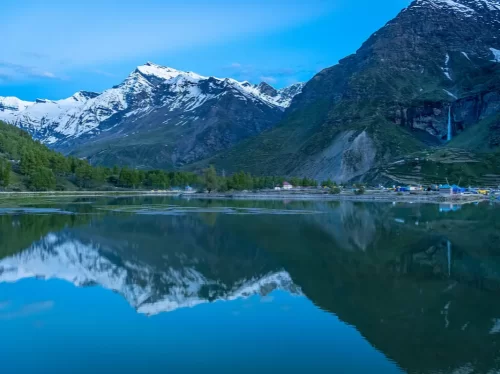
Sissu Lake mirror reflection of snow-capped peaks, cascading waterfall, colorful village huts with green trees along deep blue waters under twilight blue sky, perfect Himachal Pradesh tour package. Lake

Sissu Lake

Sissu Lake is a tranquil high altitude waterbody near Sissu village in Himachal Pradesh’s LahaulSpiti district, known for its mirrorlike reflections and alpine vistas.
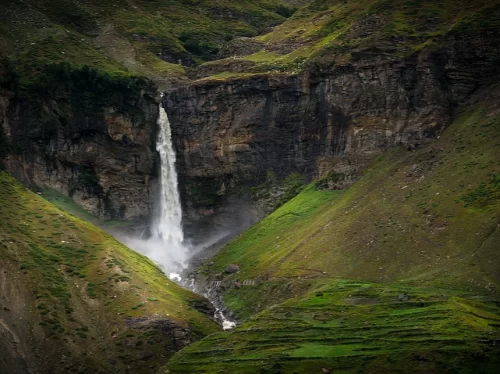
Sissu Waterfall cascading down a tall rocky cliff into a narrow stream below, surrounded by lush green hills and rugged mountain slopes in the Lahaul Valley. Waterfall

Sissu Waterfall

Nestled in the Lahaul Valley, Sissu Waterfall mesmerizes visitors with its pristine cascading

Frequently Asked Questions About Raja Ghepan Temple

The best time to visit Raja Ghepan Temple is between May and October when the roads to Lahaul Valley in Himachal Pradesh remain open and weather conditions are stable. These months offer clear views of the surrounding mountains.
Raja Ghepan Temple is located in Sissu village in Lahaul Valley in Himachal Pradesh. The temple is an important local shrine dedicated to the regional deity Ghepan.
Raja Ghepan Temple can be reached easily from Sissu village by a short walk from the main road. Visitors traveling from Manali can use the Atal Tunnel route to reach Sissu.
There is no entry fee to visit Raja Ghepan Temple. Devotees and visitors can enter the temple premises freely while respecting local customs.
Raja Ghepan Temple is generally open during daytime hours from morning until evening. Visiting during daylight ensures easier access and better visibility.
Around 30 to 45 minutes is sufficient to explore Raja Ghepan Temple and spend quiet time within the temple premises. Additional time may be needed during local festivals.
Raja Ghepan Temple may be difficult to access during peak winter due to snowfall in Lahaul Valley. Travelers should check road conditions in Himachal Pradesh before planning a winter visit.
Raja Ghepan Temple involves minimal walking from the roadside, making it relatively accessible for senior citizens. Visitors should still move carefully on uneven ground.
Photography is generally allowed in the outer areas of Raja Ghepan Temple, but restrictions may apply inside the main shrine. Visitors should follow temple guidelines and seek permission if required.
Visitors should carry warm clothing, drinking water, and sun protection while visiting Raja Ghepan Temple due to high altitude weather conditions. It is important to dress modestly and respect local religious practices.

Loved this place ? Let’s Plan Your Himachal Pradesh Trip

Get customized Himachal Pradesh tour planning designed around season, road conditions, hill travel pacing, and comfort preferences. Whether you are visiting for snow experiences, mountain landscapes, temple towns, adventure activities, or relaxed valley s

⚡ Quick Response | 💰 Free consultation | 🕒 24×7 expert support

×

Plan Your Trip