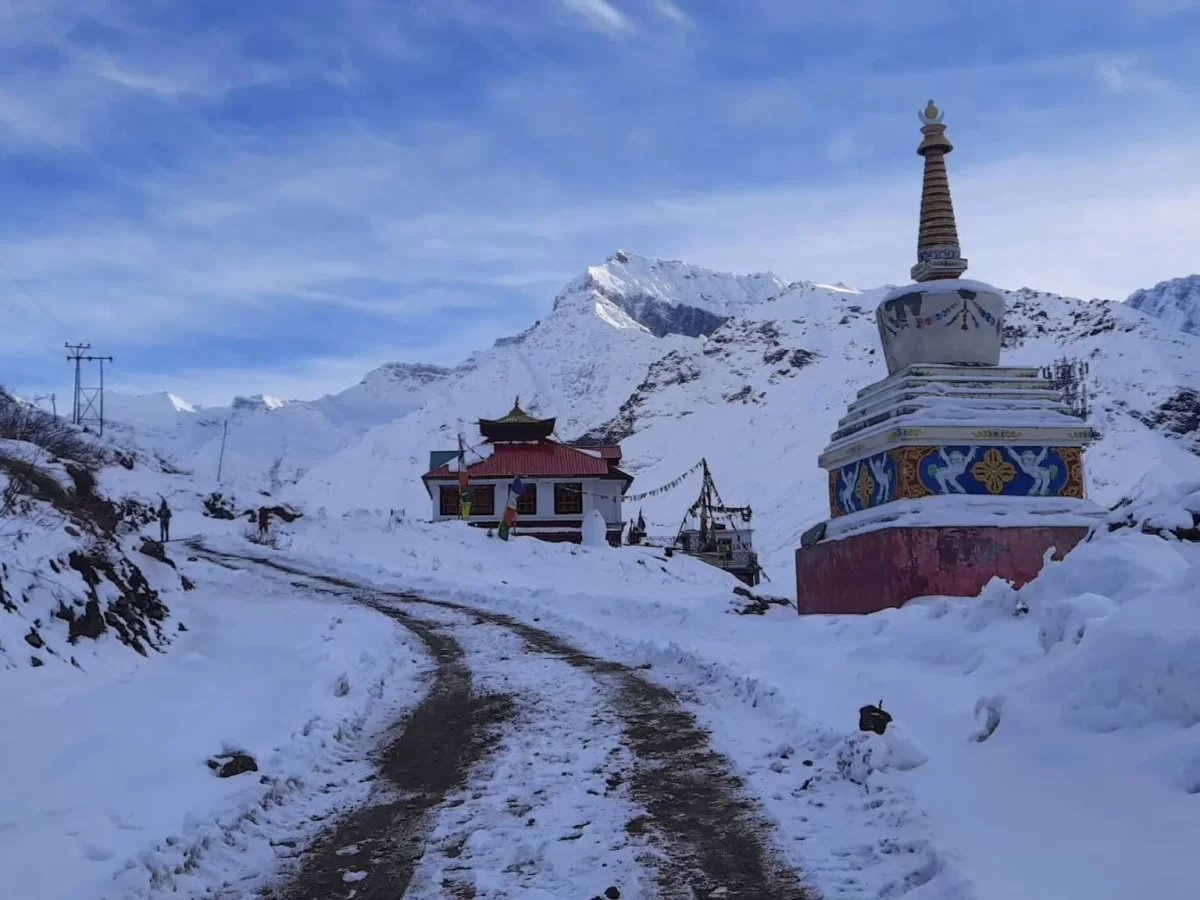
Sissu Monastery: Explore Spiritual Heritage in Himachal

Sissu Monastery , Sissu
Sissu Monastery, also known as Sissu Gompa, is a charming Buddhist monastery set amidst the scenic landscapes of Himachal Pradesh’s Lahaul region. Known for its peaceful ambiance, traditional architecture, and colorful murals, it attracts visitors seeking spiritual solace and cultural insight. The monastery also offers panoramic views of the surrounding mountains and the nearby Chandra River.

Quick Facts About Sissu Monastery

Entry Fee Free
Timings 08:00 - 12:00
Altitude (m) 3200
Ideal Visit Duration (hrs) 1
Best Time of Day Morning
Crowd Level Low
Distance from Keylong (km) 30
Distance from Manali (km) 40
Walking Difficulty Easy
Parking Available No
Last Mile Access Walk
Suitable for Kids Yes
Suitable for Seniors Yes
Wheelchair Friendly No

Why Visit

Sissu Monastery is a hidden gem in Himachal Pradesh that offers a perfect blend of spirituality, culture, and natural beauty. Nestled amidst the serene landscapes of the Lahaul Valley, it provides visitors with a peaceful escape from busy city life and an opportunity to immerse themselves in Buddhist traditions.

Atmosphere: The monastery exudes tranquility, with soft chants, fluttering prayer flags, and a calm courtyard that encourages meditation and reflection. The surrounding mountains and the flowing Chandra River add a sense of harmony and connection to nature, making every visit deeply rejuvenating.

What Makes it Special: Sissu Monastery is renowned for its colorful murals, traditional Tibetan-style architecture, and the warm hospitality of resident monks. Unlike more crowded tourist spots, it maintains a quiet, authentic environment where visitors can witness daily rituals, interact with locals, and experience genuine spiritual serenity.

History

The spiritual roots of Sissu and its surrounding monasteries trace back to the long tradition of Buddhism in the Lahaul Spiti region of Himachal Pradesh. Lahaul historically became part of the Buddhist cultural sphere between the 9th and 10th centuries when prominent Buddhist scholars and translators helped establish and restore gompas (monastic centers) across the high Himalayan valleys, spreading Vajrayana teachings and practices in these remote settlements.

The monastery near Sissu, commonly referred to as Sissu Monastery or Labrang Gompa in the nearby Labrang village, reflects this legacy of Himalayan Buddhism with its traditional Tibetan?influenced architecture, prayer halls, and spiritual ambiance. As part of this heritage, gompas in Lahaul?Spiti have long been community centers where monks and villagers engage in prayer, meditation, and cultural observances, upholding centuries?old pilgrimage customs and daily monastic routines.

While specific founding dates for the gompa complex around Sissu are not definitively recorded, the presence of Buddhist practice here is tied to the broader history of Buddhism in the valley, which saw many monasteries constructed and restored through the influence of translators like Rinchen Zangpo and later local patronage. These traditions underscore the spiritual landscape of Sissu, where religious life and Himalayan culture have flourished together for generations.

Best Time to Visit

Sissu Monastery, set high in the Lahaul & Spiti district of Himachal Pradesh, experiences distinct seasonal changes due to its high altitude Himalayan climate. Choosing the best time to visit depends on the kind of experience you want — whether it’s comfortable sightseeing, lush landscapes, snow scenery, or cultural immersion. Accurate weather patterns and road conditions play a major role in planning a trip here, especially given the region’s winter closures and seasonal variability.

  • Late Spring to Early Summer (May to June): This period offers pleasant weather with daytime temperatures typically between 15?°C and 25?°C, snow melting from the high peaks, and easy access via the Atal Tunnel road. It’s ideal for sightseeing, gentle walks, and experiencing the valley’s evolving greenery.
  • Summer to Early Autumn (July to October): Roads remain largely open, and the surrounding landscape is lush from meltwater. While July–August can bring occasional rain and localized slips, overall conditions are suitable for travel. September–October is particularly attractive with clearer skies and cooler temperatures.
  • Winter (November to March): Winter transforms the region into a snowy landscape offering dramatic views and a peaceful atmosphere for snow lovers. However, heavy snowfall can affect local access and road conditions, and Sissu village tourism may be subject to temporary local closures. Travelers should confirm travel availability before planning during these months.
  • Best Time of Day: Early mornings around sunrise provide soft light for photography and a serene feel inside and around the monastery’s prayer halls. Mid?morning is also pleasant for walking and exploring nearby viewpoints.

For most visitors seeking a balance of accessibility and scenic beauty, May through October is considered the best overall window to visit Sissu Monastery, with comfortable temperatures and reliable road connectivity in the Lahaul & Spiti high?mountain region.
How to Reach

  • By Road (Most Convenient): Sissu Monastery is located on the Leh–Manali Highway in the Lahaul & Spiti district of Himachal Pradesh. Travelers usually reach Sissu via Manali and the Atal Tunnel. The Atal Tunnel allows year-round access, significantly reducing travel time. The drive from Manali to Sissu is approximately 40 km and takes 1.5–2 hours. Roads are mostly well-paved but narrow and winding in certain stretches, so experienced drivers are recommended.
  • By Bus / Shared Taxi: HRTC buses and private shared taxis operate between Manali and Keylong, with stops at Sissu. Bus schedules are seasonal and dependent on road conditions. Shared taxis can be hired from Manali for a more flexible schedule.
  • By Air: The nearest airport is Bhuntar Airport (Kullu–Manali Airport), about 125 km from Manali. From Bhuntar, travelers must drive to Manali and then proceed via the Atal Tunnel to Sissu. Bhuntar connects to major cities such as Delhi and Chandigarh.
  • By Train: The nearest railway station is Joginder Nagar Railway Station, with limited connectivity. Major train routes connect to Chandigarh or Pathankot; from these hubs, travelers must continue by road to Manali and then to Sissu. Future rail projects (e.g., Bhanupli–Leh line) are planned but not operational yet.
  • Local Access & Last-Mile Connectivity: Once in Sissu village, the monastery and nearby attractions are easily accessible on foot or via local taxis and jeeps. The village layout is compact, and most key sites are within short walking distances from parking areas or guesthouses.

What to Expect When You Visit

  • Serene Atmosphere: Sissu Monastery offers a peaceful and tranquil environment, ideal for meditation and quiet reflection. Visitors often notice the calm chants and gentle ringing of temple bells.
  • Stunning Architecture: The monastery showcases traditional Himalayan Buddhist architecture with intricately painted walls, prayer flags, and beautifully carved wooden structures.
  • Cultural Experience: Witness monks performing daily rituals, including morning prayers and butter lamp ceremonies. Engage respectfully to learn about local Buddhist traditions and spiritual practices.
  • Scenic Location: Nestled in the Lahaul Valley, the monastery offers breathtaking views of surrounding snow-capped mountains and the Chandra River, perfect for nature lovers and photographers.
  • Guided Visits: Knowledgeable local guides can provide historical context about the monastery, its founding, and the significance of various murals and statues.
  • Peaceful Walks: Explore nearby trails and courtyards, which offer quiet spaces for reflection and the opportunity to observe local flora and fauna.
  • Respectful Interaction: Visitors should maintain decorum by removing shoes before entering prayer halls, dressing modestly, and asking permission before photographing monks or rituals.
  • Local Community: Experience the warm hospitality of the nearby village community, with opportunities to taste traditional Lahauli cuisine or purchase handmade crafts.

Important Visitor Information

  • Crowd & Weather Notes: Sissu Monastery is generally quiet due to its remote location, but visitor numbers may increase during local festivals. Weather in the Lahaul Valley can be unpredictable—winters are extremely cold with snow, while summers are mild but can have sudden rains. Dress and plan accordingly.
  • Peak / Quiet Hours: Early mornings and late afternoons are the most serene times to visit, perfect for meditation and photography. Midday may see more local visitors attending rituals.
  • Dress Code: Modest clothing is required inside the monastery. Cover shoulders and knees, and remove hats. Comfortable walking shoes are recommended for navigating uneven paths and nearby trails.
  • Safety Notes: The monastery is perched on hilly terrain, so watch your step on stairs and uneven surfaces. Follow signage, respect restricted areas, and supervise children closely. Keep warm in colder months and carry water during warmer periods.

Photography and Viewpoint

  • Panoramic Mountain Views: Sissu Monastery is set against the dramatic backdrop of the Himalayan peaks, including views of the Chandra River. Sunrise and sunset offer the most spectacular lighting for capturing the snow-capped mountains.
  • Monastery Architecture: Photograph the intricately painted walls, colorful prayer flags, and traditional wooden carvings. Early morning light highlights the vibrant details of murals and statues.
  • Golden Hour Opportunities: The soft light during early morning and late afternoon enhances textures and colors, making it ideal for both wide-angle landscapes and close-up cultural shots.
  • Respectful Photography: Always ask permission before photographing monks or religious ceremonies. Avoid using flash in prayer halls to protect delicate murals and maintain the spiritual atmosphere.
  • Hidden Angles & Trails: Small side paths and terraces around the monastery offer less crowded viewpoints and unique photographic perspectives, perfect for capturing intimate scenes of daily rituals or local life.
  • Seasonal Variations: Snow in winter creates a serene, whitewashed landscape, while spring and summer bring lush greenery and colorful wildflowers that complement the monastery’s vibrant architecture.
  • Equipment Tips: A tripod is useful for low-light interior shots or long-exposure landscape photography. Wide-angle and zoom lenses help capture both sweeping vistas and detailed carvings.

Near By Attraction

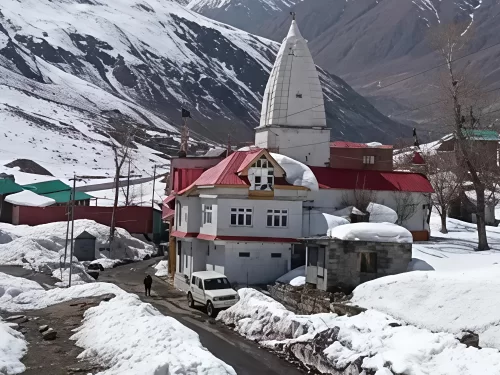
Sissu Raja Ghepan Temple snowy Lahaul village red roof white shikhara temple complex parked white SUV local walking snow-covered road majestic snow-capped peaks backdrop, perfect Himachal tour packages. Cultural Centre

Raja Ghepan Temple

Raja Ghepan Temple is a revered spiritual temple in Sissu village, dedicated to the patron deity of Lahaul Valley.
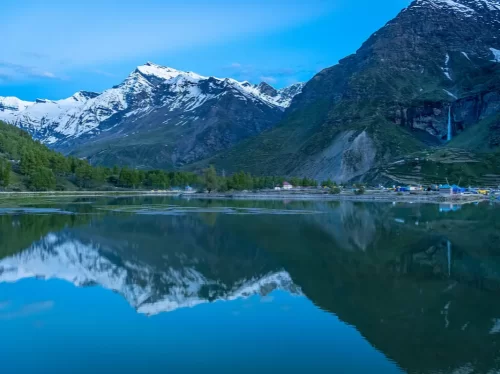
Sissu Lake mirror reflection of snow-capped peaks, cascading waterfall, colorful village huts with green trees along deep blue waters under twilight blue sky, perfect Himachal Pradesh tour package. Lake

Sissu Lake

Sissu Lake is a tranquil high altitude waterbody near Sissu village in Himachal Pradesh’s LahaulSpiti district, known for its mirrorlike reflections and alpine vistas.
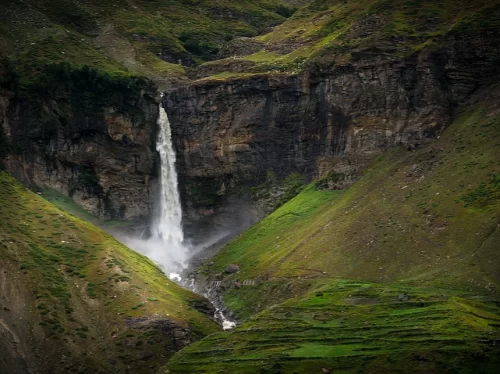
Sissu Waterfall cascading down a tall rocky cliff into a narrow stream below, surrounded by lush green hills and rugged mountain slopes in the Lahaul Valley. Waterfall

Sissu Waterfall

Nestled in the Lahaul Valley, Sissu Waterfall mesmerizes visitors with its pristine cascading

Frequently Asked Questions About Sissu Monastery

The best time to visit Sissu Monastery is between May and October when the Atal Tunnel route from Manali in Himachal Pradesh remains open and weather conditions are stable. These months offer clear mountain views and comfortable travel.
Sissu Monastery is located in Sissu village in Lahaul Valley in Himachal Pradesh, close to the Bhaga River. It is easily visible from the main highway passing through the village.
Sissu Monastery can be reached by road from Manali via the Atal Tunnel, which takes approximately 1.5 to 2 hours depending on traffic and weather. Private vehicles and taxis are the most convenient options.
There is usually no entry fee to visit Sissu Monastery. Visitors can enter the premises respectfully without purchasing a ticket.
Sissu Monastery is generally open during daylight hours from morning until early evening. Visiting before sunset is recommended due to limited lighting in the village area.
Around 30 to 60 minutes is sufficient to explore Sissu Monastery and observe the prayer hall and surroundings. Many visitors combine the visit with nearby Sissu Lake and waterfall.
Sissu Monastery remains accessible during winter when the Atal Tunnel is operational, but heavy snowfall in Lahaul Valley can affect local road conditions. Checking weather updates before travel is advisable.
Photography is usually allowed in the outer areas of Sissu Monastery, but restrictions may apply inside prayer halls. Visitors should follow monastery guidelines and seek permission if unsure.
Sissu Monastery involves minimal walking from the roadside, making it relatively accessible for senior citizens. Visitors should still move carefully on uneven surfaces.
Visitors should carry warm clothing, drinking water, and sun protection while visiting Sissu Monastery due to high altitude conditions in Himachal Pradesh. It is important to maintain silence and respect local religious practices.

Loved this place ? Let’s Plan Your Himachal Pradesh Trip

Get customized Himachal Pradesh tour planning designed around season, road conditions, hill travel pacing, and comfort preferences. Whether you are visiting for snow experiences, mountain landscapes, temple towns, adventure activities, or relaxed valley s

⚡ Quick Response | 💰 Free consultation | 🕒 24×7 expert support

×

Plan Your Trip