Quick Facts About Sethan Valley
| Entry Fee | Free |
| Timings | 06:00 - 18:00 |
| Altitude (m) | 2700 |
| Ideal Visit Duration (hrs) | 6 |
| Best Time of Day | Morning |
| Crowd Level | Low |
| Distance from Manali (km) | 13 |
| Walking Difficulty | Easy |
| Parking Available | Yes |
| Last Mile Access | Car |
| Suitable for Kids | Yes |
| Suitable for Seniors | No |
| Wheelchair Friendly | No |
Why Visit Sethan Valley
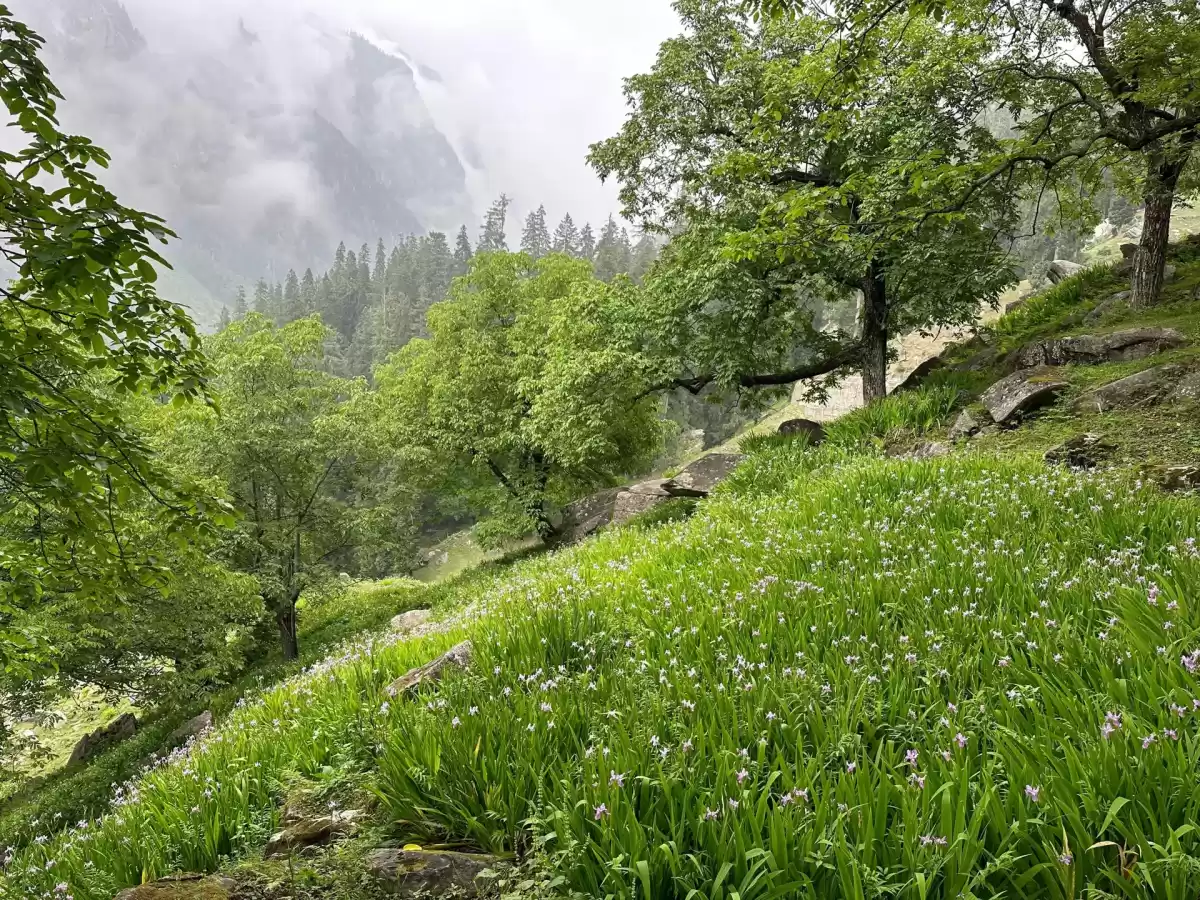
Sethan Valley is best visited by travelers looking to escape the crowded tourist areas of Manali and experience a quieter mountain setting. The valley offers wide open spaces, minimal commercial activity, and clear views of surrounding peaks, making it suitable for slow travel rather than sightseeing.
The atmosphere in Sethan is calm and sparse. There are no large hotels, activity zones, or shopping streets. Most sounds come from wind, snowfall in winter, or daily village life. This makes the place feel isolated, especially outside peak snow season.
What makes Sethan Valley special is its reliable winter snowfall combined with very low crowd density compared to mainstream snow destinations. It allows visitors to experience snow play, snowboarding, and overnight stays without the noise and congestion commonly found in Solang Valley or Rohtang routes.
Background and Settlement
Sethan Valley is a small mountain settlement traditionally inhabited by families engaged in agriculture and livestock grazing. For most of its existence, the village remained isolated due to its higher elevation and limited road access, with residents relying on nearby lower villages for trade and supplies.
The area gained attention only in recent years when travelers and winter sports enthusiasts began looking for quieter snow destinations near Manali. Its natural slopes and consistent snowfall made it suitable for basic snow activities without large-scale development.
Sethan Valley does not have religious landmarks or historical monuments. Its significance comes from its gradual shift from a remote farming village to a low-impact travel destination that still retains its original rural character and slow pace of life.
Best Time to Visit Sethan Valley
The best time to visit Sethan Valley depends on whether you are looking for snow or quiet mountain scenery. Due to its altitude, weather conditions change quickly and directly affect road access.
Winter months from December to February are the most popular, as Sethan receives consistent snowfall and becomes suitable for snow play and snowboarding. Summer and early autumn offer clear skies and silence but limited activities.
- December to February: Best for snowfall, snowboarding, and winter stays, but road access may be challenging
- March: Melting snow with fewer visitors, mixed ground conditions
- April to June: Pleasant weather, open views, and minimal crowds
- July to September: Monsoon season with slippery roads and reduced visibility
- October to November: Cold, dry weather with clear skies before snowfall begins
How to Reach Sethan Valley
- Sethan Valley is located about 13 km from Manali and is accessed via Prini village on the Manali-Naggar road.
- From Manali town, taxis and private vehicles can reach Sethan in approximately 40 to 50 minutes, depending on road and weather conditions.
- The road beyond Prini becomes narrow and steep, with sharp bends. Driving requires caution, especially during rain or snow.
- Local buses do not go directly to Sethan. The closest drop point is Prini village, from where a private taxi is required.
- During winter snowfall, access may require a 4x4 vehicle or snow chains. Roads can be temporarily closed during heavy snow.
What to Expect When You Visit Sethan Valley
- A small mountain village setting with open snow fields in winter and quiet, empty landscapes during other seasons.
- Very limited facilities. Expect only basic homestays or camps, with no markets, fuel stations, or medical centers nearby.
- Cold temperatures throughout the year due to high altitude, with strong winds common in open areas.
- Snow-covered ground in winter months, suitable for snowboarding and snow play but uneven and slippery.
- Minimal tourist presence compared to Manali or Solang Valley, resulting in a calm and isolated experience.
- Mobile network connectivity can be weak or inconsistent depending on the service provider.
Important Visitor Information
- Crowd and Weather Notes: Sethan Valley generally remains uncrowded throughout the year. During winter snowfall, visitor numbers increase slightly, but the area never feels busy. Weather can change quickly, with sudden drops in temperature and reduced visibility due to clouds or snowfall.
- Peak Hours: Late morning to early afternoon between 11:00 am and 2:00 pm, when day visitors from Manali usually arrive.
- Quiet Hours: Early morning and late afternoon are the quietest times, offering clear views and minimal human activity.
- Dress Code: Warm, layered clothing is essential year-round. In winter, insulated jackets, gloves, waterproof shoes, and thermal wear are necessary.
- Safety Notes: Roads can be slippery and narrow, especially during snow or rain. There are no guardrails in many sections. Visitors should avoid walking on steep slopes during heavy snowfall and carry essentials due to limited local facilities.
Photography and Viewpoint
- Wide open snow fields in winter provide clean foregrounds for landscape photography, especially during fresh snowfall.
- Early morning and late afternoon offer the best light, with soft shadows and clearer views of surrounding peaks.
- Clear days allow distant views toward Hamta Valley and nearby mountain ridgelines, best captured with wide-angle lenses.
- Minimal structures and low human activity make it easier to frame natural shots without visual clutter.
- Wind and cold temperatures can drain batteries quickly in winter. Carry spares and keep equipment protected.
- There are no designated viewpoints or platforms. Photography is done from open ground and village edges.