Quick Facts About Rehala Falls
| Entry Fee | Free |
| Timings | 08:00 - 17:00 |
| Altitude (m) | 2500 |
| Ideal Visit Duration (hrs) | 1 |
| Best Time of Day | Morning |
| Crowd Level | Moderate |
| Distance from Manali (km) | 25 |
| Walking Difficulty | Easy |
| Parking Available | Yes |
| Last Mile Access | Car |
| Suitable for Kids | Yes |
| Suitable for Seniors | No |
| Wheelchair Friendly | No |
Why Visit Rehala Falls
Rehala Falls is worth a stop for travelers who want to experience the raw, untouched side of the Himalayas without a long detour. Located directly on the Manali–Rohtang Pass road, it offers a refreshing natural break during mountain drives, especially after ascending from Manali.
Atmosphere: The atmosphere around Rehala Falls is cool, misty, and distinctly alpine. The constant sound of falling water, cold air from higher altitudes, and surrounding deodar forests create a sharp contrast to the busier tourist areas closer to Manali.
What Makes it Special: Rehala Falls is fed by melting glaciers, which keeps the water flow strong and icy cold even in warmer months. Its roadside accessibility combined with its natural, undeveloped setting makes it feel more authentic than landscaped waterfalls, offering a genuine Himalayan roadside experience.
History of Rehala Falls
Rehala Falls has no documented association with temples, rituals, or local legends. Its significance comes from its natural formation rather than human history. The waterfall is formed by glacial meltwater descending from the higher Himalayan ranges above the Rohtang Pass region.
For decades, Rehala Falls has existed as a natural landmark along the old mountain route used by locals, shepherds, and traders moving between Manali and the higher passes. With the development of the Manali–Rohtang road, it gradually became a known stop for travelers due to its visibility directly from the roadside.
Unlike curated tourist attractions, Rehala Falls has remained largely untouched, with no structural modifications or managed facilities. Its continued presence in its original form reflects the raw alpine environment of this section of the Himalayas.
Best Time to Visit Rehala Falls
Rehala Falls is accessible only when the Manali–Rohtang Pass road is open, and seasonal weather plays a major role in the overall experience. Water flow, visibility, and safety conditions vary throughout the year.
- May to June: Peak visiting period with strong water flow from melting snow and relatively stable road conditions.
- July to September: Water volume remains high, but monsoon rains can make rocks slippery and visibility unpredictable.
- October: Cooler temperatures with reduced tourist traffic, though water flow begins to decline.
- November to April: Road access is usually restricted due to heavy snowfall, making visits unlikely.
- Best Time of Day: Morning hours are safest and offer clearer views before clouds and traffic increase.
How to Reach Rehala Falls
- From Manali: Rehala Falls is located around 25 km from Manali on the Manali–Rohtang Pass road. The drive takes approximately 1 to 1.5 hours depending on traffic and weather.
- By Taxi: Local taxis from Manali are the most reliable option. Drivers are familiar with road conditions and seasonal access restrictions.
- By Self-Drive: Suitable for experienced mountain drivers only. The road has sharp bends, steep climbs, and can be slippery during rain or snowmelt.
- Public Transport: Limited buses operate toward Rohtang Pass when the road is open. Visitors can request a drop near the falls, though service frequency is irregular.
- Last Mile Access: The waterfall is visible from the roadside with no trekking required. Visitors need to stop safely along the road to access the viewing area.
What to Expect When You Visit Rehala Falls
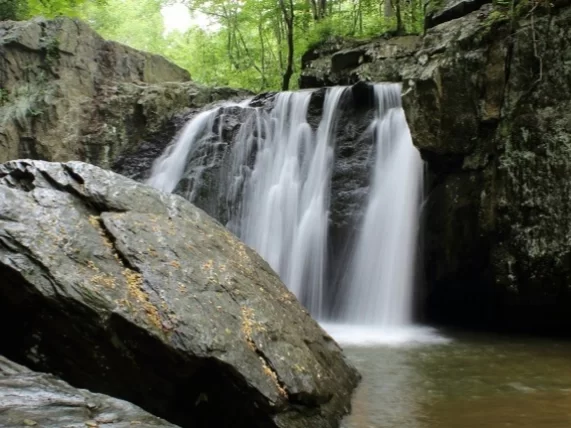
- A tall, fast-flowing waterfall cascading directly onto rocks beside the road, creating a cool mist in the surrounding area.
- Cold temperatures even during summer months due to altitude and glacial water flow.
- Slippery rocks and wet ground near the base of the falls, requiring careful movement.
- No designated viewing platforms, railings, or safety barriers.
- Limited time stop rather than a long sightseeing visit, best suited for short breaks.
- Occasional traffic congestion as vehicles stop briefly for photos.
Important Visitor Information
- Crowd & Weather Notes: Rehala Falls usually has low crowds, but traffic builds up during peak tourist months from May to June. Weather can shift quickly, with sudden fog, rain, or cold winds, especially in the afternoon.
- Peak / Quiet Hours: Peak hours are late morning to early afternoon when most vehicles head toward Rohtang Pass. Early morning hours are quieter and safer for short stops.
- Dress Code: Wear warm layers regardless of season. Waterproof shoes with good grip are strongly recommended due to wet and slippery surfaces near the falls.
- Safety Notes: Do not step onto loose rocks or attempt to climb near the waterfall. There are no safety barriers, and water flow can be strong. Avoid visiting during heavy rain or poor visibility.
Photography and Viewpoint
- Rehala Falls offers dramatic close-range photography, with water cascading sharply over dark mountain rocks just beside the road.
- Morning light works best, as it evenly illuminates the falling water and reduces glare caused by mist and cloud cover.
- During peak snowmelt season, long-exposure shots can capture the force and texture of the glacial flow, though tripods must be used carefully on uneven ground.
- The surrounding deodar forests and winding mountain road add depth and scale to wide-angle compositions.
- There is no formal viewpoint or platform, so photographers must maintain distance from traffic and avoid standing on wet or unstable rocks.
- Fog and spray can affect lens clarity; carrying a lens cloth is recommended.