Parvati River – Scenic Lifeline of Himachal Pradesh

Parvati River , Kasol
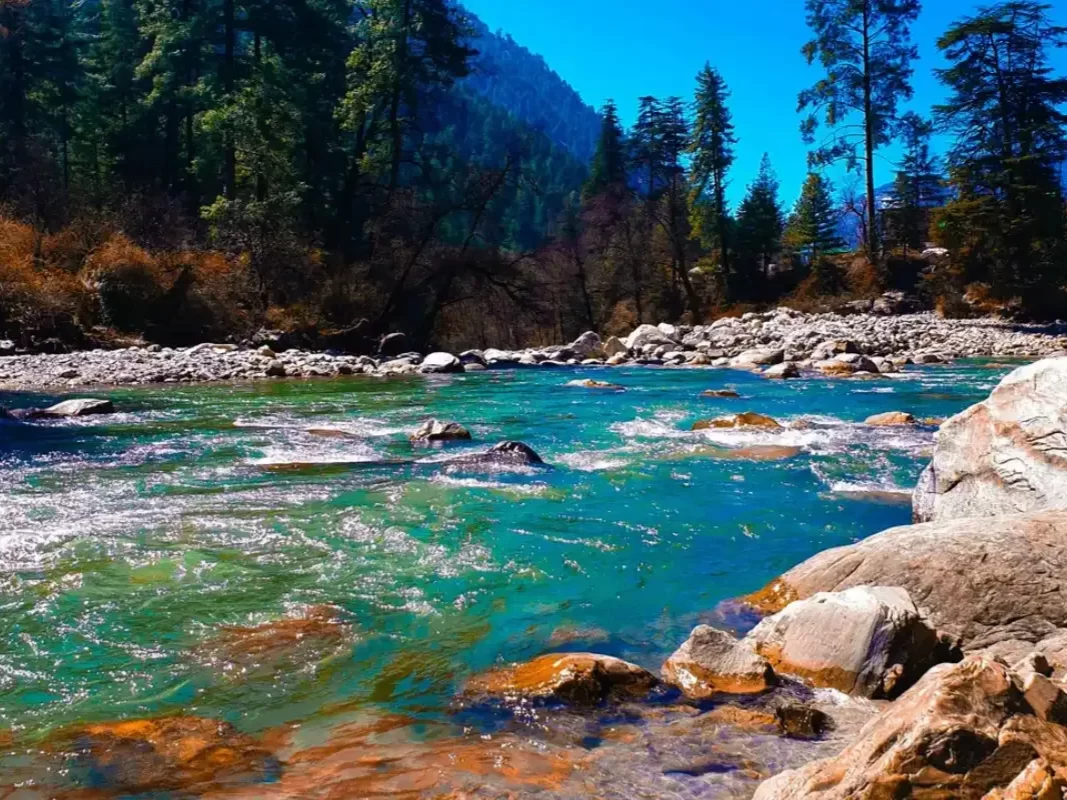
The Parvati River originates in the Himalayas and winds through Parvati Valley, creating breathtaking landscapes dotted with small villages and trekking trails. It is a hub for nature lovers, trekkers, and adventure enthusiasts, offering activities such as river rafting, camping, and photography. The river also holds cultural significance, with local temples and settlements along its banks adding to its charm. Its crystal-clear waters and surrounding pine forests make it one of Himachal Pradesh’s most picturesque rivers.

Quick Facts About Parvati River

Entry Fee Free
Timings 00:00 - 23:59
Altitude (m) 1600
Ideal Visit Duration (hrs) 2
Best Time of Day Morning
Crowd Level Moderate
Distance from Kasol (km) 0
Distance from Bhuntar (km) 30
Distance from Kullu (km) 40
Walking Difficulty Moderate
Parking Available Yes
Last Mile Access Walk
Suitable for Kids Yes
Suitable for Seniors Yes
Wheelchair Friendly No

Why Visit Parvati River

The Parvati River is a natural jewel of Himachal Pradesh, offering visitors a serene escape into the heart of the Himalayas. Its crystal-clear waters, surrounded by lush pine forests and majestic mountains, create a peaceful atmosphere ideal for relaxation, photography, and connecting with nature.

What makes the Parvati River special is its combination of natural beauty and cultural significance. Flowing through the Parvati Valley, it passes picturesque villages like Kasol and Manikaran, where visitors can experience local Himachali culture, temples, and hot springs. The river also serves as a hub for adventure seekers, providing opportunities for riverside trekking, camping, and picnics.

The atmosphere is tranquil yet invigorating, with the gentle river sounds complementing the panoramic Himalayan views. Unlike crowded tourist spots, the Parvati River offers a calm and rejuvenating experience, making it perfect for nature lovers, photographers, and travelers seeking a mix of scenic beauty and local culture.

History and Cultural Significance of Parvati River

The Parvati River has long been an integral part of life in Parvati Valley, supporting agriculture, settlements, and trade routes in the region. Its waters have nurtured generations of local communities, sustaining villages like Kasol and Manikaran, and making it central to daily life in the valley.

Culturally, the river holds importance due to its proximity to sacred sites such as the Manikaran Sahib Gurudwara and hot springs, which are revered by both Hindu and Sikh pilgrims. These sites attract visitors who combine spiritual journeys with nature exploration, making the river valley a unique blend of natural beauty and cultural experience.

The Parvati River is also historically linked to trekking and travel in the Himalayas, as its valleys have served as ancient pathways for traders and pilgrims moving between Himachal and neighboring regions. Today, it remains a symbol of harmony between nature and human settlement in this Himalayan landscape.

Best Time to Visit Parvati River

The ideal time to visit the Parvati River is during the warmer months when the valley is fully accessible and the weather is pleasant. Seasonal variations offer different experiences, from lush green landscapes in summer to snow-dusted scenery in winter for the adventurous.
  • Summer (May to September): Pleasant temperatures, clear skies, and ideal conditions for riverside walks, trekking, and camping.
  • Autumn (September to October): Crisp weather, fewer tourists, and vibrant foliage along the valley and riverbanks.
  • Winter (November to March): Scenic snow-covered landscapes, but access can be challenging due to icy roads and limited services; recommended only for experienced travelers.
  • Time of Day: Morning to early afternoon is best for enjoying calm waters, soft light for photography, and quieter surroundings.
  • Crowd Levels: Low to moderate; highest near Kasol and Manikaran during peak season.

How to Reach Parvati River

  • By Air: The nearest airport is Kullu–Manali Airport (Bhuntar), about 30–40 km from Kasol. From the airport, travelers can hire taxis or private cabs to reach the river and nearby villages.
  • By Train: The closest major railway stations are Joginder Nagar and Chandigarh Railway Station. From there, the valley is accessible by road via bus or private taxi.
  • By Road: Parvati River runs alongside the Kasol–Manikaran road, making it easily accessible via buses, shared taxis, and private vehicles from Bhuntar, Kullu, or Manali. The route is scenic with well-maintained roads in summer.
  • Self-Drive: Driving via the Manali–Kasol highway offers spectacular views of the valley. Summer months are ideal; winter travel may be challenging due to snow and icy conditions.
  • Local Access: From parking areas or village roads, the riverbanks are accessible via short walking paths. Terrain is generally easy near Kasol but can be moderate in remote stretches.
  • Tips: Carry water and light snacks, wear comfortable walking shoes, and check weather conditions before traveling, especially in winter.

What to Expect When You Visit Parvati River

  • Scenic Beauty: Crystal-clear waters flowing through lush pine forests and Himalayan landscapes, perfect for nature photography and relaxation.
  • Peaceful Atmosphere: Tranquil surroundings with minimal crowds, ideal for meditation, reading, or riverside picnics.
  • Cultural Experience: Proximity to villages like Kasol and Manikaran allows visitors to experience local Himachali culture, temples, and hot springs.
  • Adventure Activities: Opportunities for riverside trekking, camping, and short hikes along the riverbanks.
  • Wildlife & Nature: Spot local Himalayan flora and fauna along the river valley, including birds and alpine vegetation.
  • Photography Opportunities: Stunning landscapes, flowing water, and seasonal foliage provide excellent photography scenes year-round.
  • Family-Friendly: Gentle riverside paths suitable for children and seniors, though supervision is recommended near stronger currents.
  • Seasonal Variations: Summer offers green landscapes and calm waters, while winter provides snow-covered scenery for experienced travelers.
  • Relaxation & Reflection: A perfect escape from crowded tourist spots to enjoy solitude, natural sounds, and fresh mountain air.

Important Visitor Information for Parvati River

  • Crowd & Weather Notes: Generally low to moderate crowds. Summers are warm and pleasant, while winters can be cold with occasional snowfall. Weather in the valley can change quickly, so carry layers and sun protection.
  • Peak / Quiet Hours: Early mornings and late afternoons are the quietest, offering peaceful riverside experiences. Midday can see more visitors near Kasol and Manikaran.
  • Dress Code: Casual and comfortable clothing is recommended. Modest attire is appreciated when visiting nearby temples and sacred sites. Comfortable walking shoes are advised for uneven paths.
  • Safety Notes: Paths along the river can be rocky or slippery. Exercise caution, especially with children and seniors. Avoid swimming in strong currents and always supervise kids near the river. Carry water, sunscreen, and be prepared for sudden weather changes.

Photography and Viewpoints at Parvati River

  • Riverside Views: Capture the crystal-clear waters of the river flowing through lush pine forests and Himalayan landscapes, perfect for landscape photography.
  • Villages and Culture: Villages like Kasol and Manikaran along the river offer picturesque shots of local Himachali architecture, temples, and daily life.
  • Mountain Backdrops: The surrounding Himalayan peaks provide dramatic backdrops, especially during sunrise and sunset, ideal for panoramic photography.
  • Seasonal Photography: Summer and autumn feature green valleys and flowing waters, while winter transforms the riverbanks into snow-covered scenic landscapes.
  • Adventure and Trekking Shots: Capture trekkers, riverside campsites, and trails that wind along the river, showcasing the adventurous side of Parvati Valley.
  • Golden Hour: Early morning and late afternoon light offers soft, warm tones, enhancing the natural colors of the river, forests, and mountains.
  • Wildlife and Flora: Photograph Himalayan birds, alpine vegetation, and riverside flora, adding diversity to your travel photography collection.
  • Tips for Photographers: Use a wide-angle lens for landscapes and keep respect for locals and nature in mind. Avoid disturbing wildlife and sacred spaces while shooting.

Near By Attraction

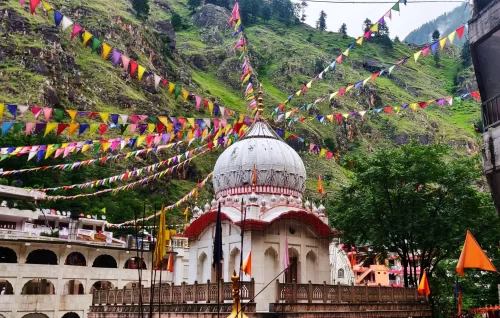
Colorful prayer flags over Manikaran Gurudwara dome during misty weather, featuring arched temple, green hills, perfect spiritual Himachal Pradesh tour package. Tourist Attraction

Manikaran Sahib

Manikaran Sahib is a revered pilgrimage site and scenic destination in Himachal Pradesh, known for its hot springs, gurudwara, and Himalayan beauty.
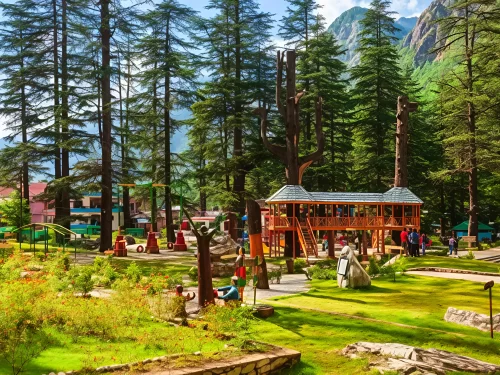
Scenic view of Nature Park in Kasol featuring tall pine trees, a wooden treehouse-style structure, green lawns, walking paths, and mountains in the background with visitors exploring the park. Tourist Attraction

Nature Park Kasol

Nestled in the heart of Kasol, Nature Park offers lush greenery, scenic trails, and a peaceful Himalayan retreat.

Frequently Asked Questions About Parvati River

The best time to visit Parvati River is between March and June and from September to November when the weather in Himachal Pradesh is pleasant. These months offer clear views and safer riverbank exploration.
Parvati River flows through the Parvati Valley in Kullu district of Himachal Pradesh and passes through popular villages like Kasol and Manikaran. It is a major natural attraction in the region.
Parvati River can be easily accessed from Kasol as it flows alongside the village. Visitors can reach the riverbank within a short walk from the main market area.
Parvati River has strong currents and cold glacial water, making swimming risky in many stretches. Visitors are advised to avoid entering deep or fast flowing sections.
There is no entry fee to visit Parvati River as it is a natural river flowing through public areas. Access points near towns and villages are generally open to visitors.
Travelers near Parvati River can enjoy riverside walks, photography, camping in designated areas, and relaxing in scenic surroundings. Adventure activities should only be done through authorized operators.
Parvati River is accessible throughout the year, but heavy rainfall during monsoon can increase water levels and flow speed. Checking local weather conditions before visiting is advisable.
Guesthouses, camps, and hotels are available near Parvati River in places like Kasol and Manikaran in Himachal Pradesh. Advance booking is recommended during peak tourist seasons.
Parvati River is suitable for family visits when staying on safe riverbanks and designated viewpoints. Constant supervision is necessary for children due to strong currents.
Visitors should wear sturdy footwear, carry warm clothing even in summer, and stay at a safe distance from the water while visiting Parvati River. It is important to avoid littering and respect the natural environment.

Loved this place ? Let’s Plan Your Himachal Pradesh Trip

Get customized Himachal Pradesh tour planning designed around season, road conditions, hill travel pacing, and comfort preferences. Whether you are visiting for snow experiences, mountain landscapes, temple towns, adventure activities, or relaxed valley s

⚡ Quick Response | 💰 Free consultation | 🕒 24×7 expert support

×

Plan Your Trip