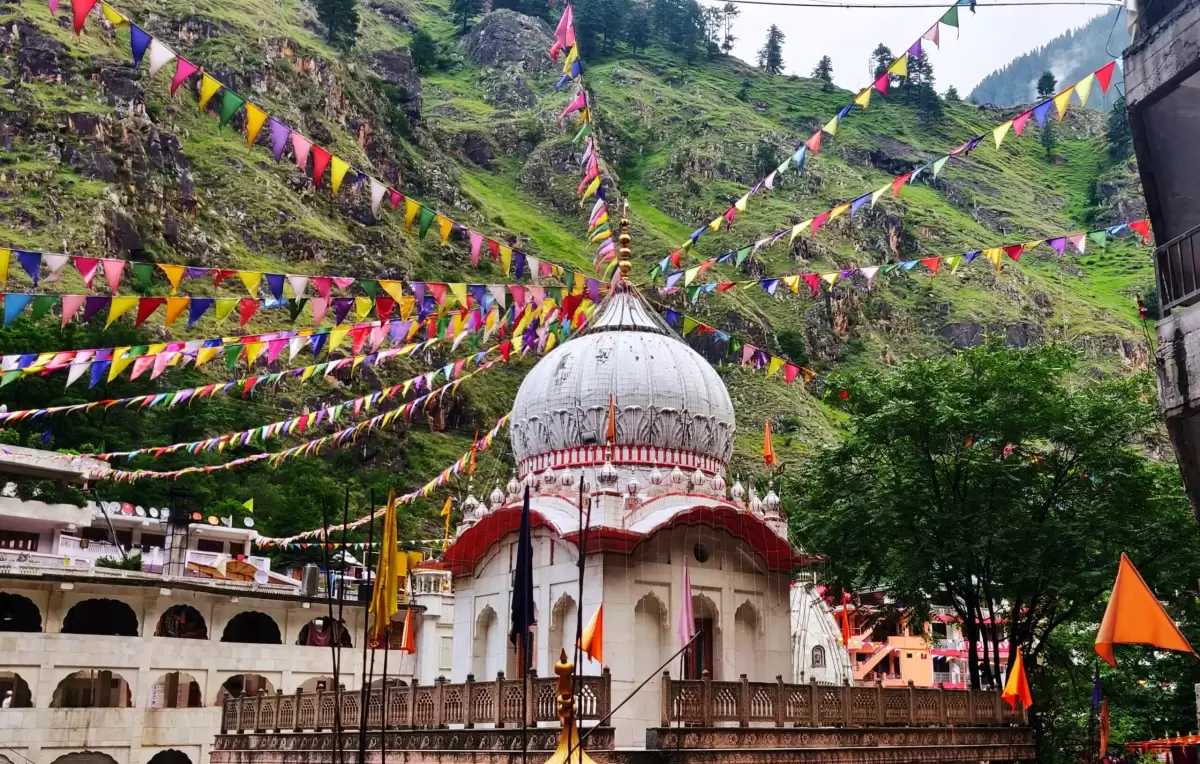
Manikaran Sahib – Spiritual and Scenic Gem in Parvati Valley

Manikaran Sahib , Kasol
Located in the Parvati Valley near Kasol, Manikaran Sahib is famous for its historic Sikh Gurudwara, Hindu temples, and natural hot springs. The site attracts pilgrims and tourists alike, offering spiritual experiences, cultural insight, and picturesque landscapes. Visitors can enjoy riverside walks, local cuisine, and serene views of the surrounding mountains.

Quick Facts About Manikaran Sahib

Entry Fee Free
Timings 00:00 - 23:59
Altitude (m) 1760
Ideal Visit Duration (hrs) 3
Best Time of Day Morning
Crowd Level Moderate
Distance from Kasol (km) 4
Distance from Bhuntar (km) 40
Walking Difficulty Easy
Parking Available No
Last Mile Access Walk
Suitable for Kids Yes
Suitable for Seniors Yes
Wheelchair Friendly No

Why Visit Manikaran Sahib

Atmosphere: Manikaran Sahib exudes a serene and spiritual ambiance, nestled amidst the majestic peaks of the Parvati Valley. The gentle flow of the Parvati River, combined with the scent of incense from the Gurudwara and nearby temples, creates a calming environment perfect for reflection and rejuvenation. Visitors often feel a sense of peace and connection to nature and spirituality.

What Makes it Special: This unique destination blends cultural, spiritual, and natural wonders. The historic Sikh Gurudwara and Hindu temples sit beside natural hot springs, which are believed to have healing properties. Pilgrims come to seek blessings, while tourists are drawn to the picturesque landscapes, riverside walks, and the opportunity to experience Himachali culture firsthand. Manikaran Sahib’s combination of devotion, tradition, and scenic beauty makes it a must-visit spot in the Himalayas.

History & Religious Significance of Manikaran Sahib

Manikaran Sahib holds immense spiritual importance for both Sikhs and Hindus. The site is believed to have been visited by Guru Nanak, the founder of Sikhism, and is home to a historic Sikh Gurudwara that dates back several centuries. The Gurudwara complex is renowned for its beautiful architecture, serene surroundings, and the community kitchen (Langar) that serves free meals to thousands of visitors daily.

For Hindus, Manikaran is sacred due to its natural hot springs, which are considered to have healing powers. Local legends mention that Lord Shiva and Parvati meditated here, giving the springs their spiritual and therapeutic significance. Pilgrims from across India visit to take a dip in the hot springs, believed to cleanse both body and soul.

Over time, Manikaran Sahib has become a harmonious confluence of culture, faith, and natural beauty, attracting spiritual seekers, tourists, and nature lovers alike. Its blend of history, devotion, and Himalayan landscapes makes it a unique and revered destination in Himachal Pradesh.

Best Time to Visit Manikaran Sahib

Manikaran Sahib can be visited throughout the year, but certain seasons and times of day enhance the experience, both for sightseeing and spiritual activities. The weather, crowd levels, and scenic beauty vary across seasons, making some periods ideal for travel.
  • Spring (March to June): Pleasant weather with clear skies, mild temperatures, and blooming flora. Ideal for sightseeing, photography, and outdoor walks along the Parvati River.
  • Monsoon (July to August): Moderate to heavy rainfall; lush greenery but slippery paths. Best for visitors who enjoy misty landscapes but not recommended for large crowds or senior travelers.
  • Autumn (September to November): Cool, clear weather with low humidity. Perfect for trekking nearby trails, enjoying panoramic views, and quieter visits before winter sets in.
  • Winter (December to February): Cold temperatures with occasional snowfall in higher altitudes. Peaceful and serene, suitable for visitors seeking solitude and spiritual reflection. Warm clothing is necessary.
  • Best Time of Day: Early mornings (7 AM – 10 AM) or late afternoons (4 PM – 6 PM) offer fewer crowds, softer light for photography, and a more tranquil atmosphere at the Gurudwara and hot spr

How to Reach Manikaran Sahib

  • By Air: The nearest airport is Kullu–Manali Airport (Bhuntar Airport), approximately 35–40 km from Manikaran. Taxis and buses are available from the airport to Kasol and then to Manikaran.
  • By Train: The closest broad-gauge railway station is at Pathankot (around 150 km). From there, travelers can hire taxis or take buses to reach Kasol and Manikaran.
  • By Road: Manikaran is well-connected by road to Kasol, Kullu, and Bhuntar. Regular state buses, private buses, and taxis operate from major towns. From Kasol, it is just about 4 km, making it easily walkable or accessible via local transport.
  • Local Transport: Auto-rickshaws, shared cabs, and private taxis are available from Kasol village to the Gurudwara and hot springs. Walking from Kasol is also feasible for those who prefer a scenic riverside stroll.
  • Tips: Roads can be narrow and winding in the Parvati Valley, so plan extra travel time. During peak season, public transport may be crowded, so early departure is recommended.

What to Expect When You Visit Manikaran Sahib

  • Spiritual Experience: Visitors can experience the serene ambiance of the historic Sikh Gurudwara and nearby Hindu temples. Participate in prayers, witness the Langar (community kitchen), and soak in the devotional atmosphere.
  • Scenic Beauty: Manikaran is nestled along the Parvati River, surrounded by lush green hills and snow-capped Himalayan peaks. The combination of flowing water, forested trails, and mountain vistas offers a visually stunning experience.
  • Hot Springs: Natural hot springs are believed to have therapeutic properties. Pilgrims and tourists can take a dip in designated areas for relaxation and spiritual purification.
  • Local Culture: The town reflects Himachali culture, with local shops, traditional cuisine, and friendly villagers offering insight into the region’s heritage.
  • Family-Friendly Visit: Gentle walking paths, riverside areas, and picnic spots make it suitable for families and children.
  • Photography Opportunities: Misty mornings, scenic riverbanks, and temple architecture provide excellent spots for photography enthusiasts.
  • Peaceful Environment: Even during peak season, mornings and late afternoons offer tranquility, making it ideal for meditation, reflection, or simply enjoying nature.
  • Moderate Accessibility: Most areas are easily walkable from parking zones, but some paths near hot springs are uneven. Seniors and children should take care while walking.

Important Visitor Information

  • Crowd & Weather Notes: Manikaran Sahib sees moderate crowds throughout the year. Peak season is from March to June and September to November, with pleasant weather and clear skies. Monsoon (July–August) brings heavy rainfall, making paths slippery, while winter (December–February) is cold but less crowded.
  • Peak / Quiet Hours: Early mornings (7 AM – 10 AM) and late afternoons (4 PM – 6 PM) are ideal for visiting to avoid crowds. Midday is usually busier, especially near the Gurudwara and hot springs.
  • Dress Code: Modest attire is recommended when entering religious sites. Comfortable walking shoes and layered clothing are advisable, as temperatures can vary, especially in mornings and evenings.
  • Safety Notes: Stick to marked paths, especially near hot springs and riverbanks. Avoid stepping into unmarked areas or slippery rocks. Children and seniors should be supervised, and basic first-aid items are recommended.

Photography and Viewpoints

  • Gurudwara Architecture: The historic Sikh Gurudwara offers stunning architectural details, golden domes, and riverside reflections—perfect for wide-angle and heritage photography.
  • Parvati River Views: Scenic riverside spots provide excellent opportunities for landscape and nature photography, especially during early mornings when mist rises from the river.
  • Hot Springs: The natural hot springs surrounded by stone steps create unique compositions. Steam rising from the water adds a mystical effect to photos.
  • Mountain Backdrops: The surrounding Himalayan peaks create dramatic vistas, ideal for panoramic shots and sunrise/sunset photography.
  • Seasonal Colors: Spring and autumn bring vibrant greenery and colorful flora, enhancing photographs with natural contrast and texture.
  • Photography Tips: Use a tripod for low-light mornings or evenings, polarizing filters to enhance water reflections, and wide-angle lenses for capturing the full landscape. Respect pilgrims’ privacy while photographing religious areas.
  • Best Times for Photography: Early morning (7–10 AM) and late afternoon (4–6 PM) provide soft lighting, minimal crowds, and optimal conditions for capturing scenic shots.

Near By Attraction

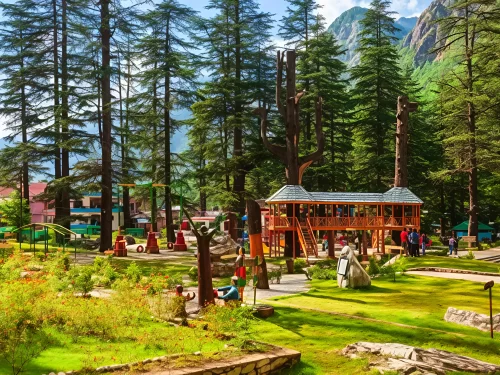
Scenic view of Nature Park in Kasol featuring tall pine trees, a wooden treehouse-style structure, green lawns, walking paths, and mountains in the background with visitors exploring the park. Tourist Attraction

Nature Park Kasol

Nestled in the heart of Kasol, Nature Park offers lush greenery, scenic trails, and a peaceful Himalayan retreat.
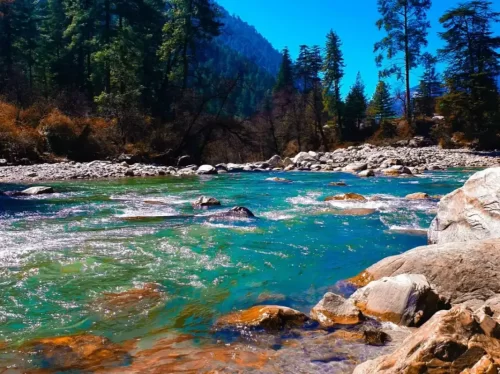
Parvati River Kasol Parvati Valley Himachal Pradesh during clear blue skies, featuring turquoise rapids large boulders deodar pine forested Himalayan peaks backdrop, perfect cultural experience Himachal tour package. River

Parvati River

Flowing through the heart of Himachal, the Parvati River is known for its pristine waters, lush valleys, and adventure spot

Frequently Asked Questions About Manikaran Sahib

The best time to visit Manikaran Sahib is between March and June and again from September to November when the weather in Parvati Valley remains pleasant. Winters can be very cold due to its Himalayan location.
Manikaran Sahib is located in the Parvati Valley near Kasol in Kullu district of Himachal Pradesh. It sits along the banks of the Parvati River at a moderate altitude.
Manikaran Sahib is about 4 kilometers from Kasol and can be reached by local bus, taxi, or private vehicle. The road connectivity from Kasol and Kullu town is smooth and well maintained.
There is no entry fee to visit Manikaran Sahib. Visitors can enter the gurudwara premises freely and participate in prayers and langar.
Manikaran Sahib is generally open from early morning until late evening, with continuous access for devotees. Specific prayer timings may vary depending on the day and religious schedule.
Around one to two hours is sufficient to explore Manikaran Sahib, attend prayers, and visit the hot springs within the complex. Additional time may be required during busy days.
Manikaran Sahib is accessible to senior citizens, though some areas may involve steps. Basic assistance is helpful for elderly visitors due to occasional crowd movement.
Accommodation facilities including simple rooms are available within the Manikaran Sahib complex and nearby Kasol. Advance booking is advisable during peak travel months in Himachal Pradesh.
Manikaran Sahib experiences heavy footfall during weekends and summer tourist season in Kullu district. Early morning visits usually offer a more peaceful experience.
Visitors to Manikaran Sahib should dress modestly, cover their heads inside the gurudwara, and remove footwear before entering. It is important to follow temple guidelines and maintain cleanliness.

Loved this place ? Let’s Plan Your Himachal Pradesh Trip

Get customized Himachal Pradesh tour planning designed around season, road conditions, hill travel pacing, and comfort preferences. Whether you are visiting for snow experiences, mountain landscapes, temple towns, adventure activities, or relaxed valley s

⚡ Quick Response | 💰 Free consultation | 🕒 24×7 expert support

×

Plan Your Trip