Quick Facts About Nature Park Kasol
| Entry Fee | 30 |
| Timings | 08:30 - 18:30 |
| Altitude (m) | 1580 |
| Ideal Visit Duration (hrs) | 2 |
| Best Time of Day | Morning |
| Crowd Level | Moderate |
| Distance from Kasol (km) | 0.4 |
| Walking Difficulty | Easy |
| Parking Available | No |
| Last Mile Access | Walk |
| Suitable for Kids | Yes |
| Suitable for Seniors | Yes |
| Wheelchair Friendly | No |
Why Visit Nature Park Kasol
Nature Park Kasol is a serene escape in the heart of Parvati Valley, offering a peaceful retreat amidst lush greenery and the gentle flow of the Parvati River. Its calm atmosphere makes it ideal for relaxation, family outings, and reconnecting with nature.
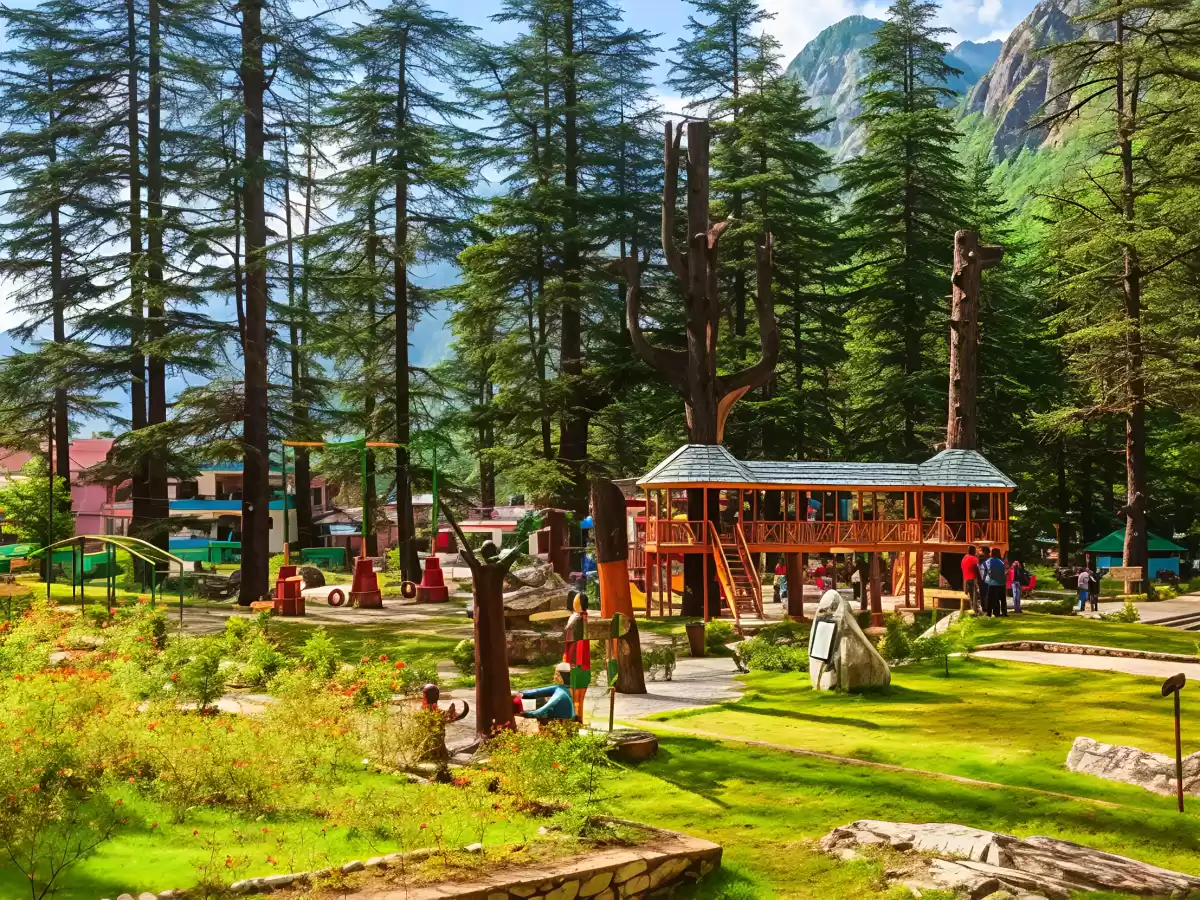
What makes the park special is its combination of natural beauty and accessibility. Visitors can stroll along well-maintained walking paths, enjoy shaded picnic spots, and admire the surrounding Himalayan scenery without strenuous effort. The park’s riverside location adds a soothing ambiance, while nearby pine and deodar forests provide cool shade and picturesque views.
The park also offers a chance to experience local life subtly, with glimpses of Kasol village nearby and occasional local cultural activities. Its friendly environment, family-oriented spaces, and photogenic landscapes make it a must-visit destination for travelers exploring Kasol and the Parvati Valley.
History and Significance of Nature Park Kasol
Nature Park Kasol is a relatively modern landscaped park developed to provide residents and visitors with a serene recreational area along the Parvati River. Unlike ancient sites or religious landmarks, the park’s significance lies in its role as a green oasis in the bustling Kasol village and a gateway to the natural beauty of Parvati Valley.
The park has become an important community space for locals and travelers alike, offering walking trails, picnic spots, and riverside relaxation. Its design encourages visitors to enjoy the surrounding Himalayan landscape while promoting sustainable tourism and environmental appreciation.
Though it does not have historical monuments or cultural rituals associated with it, the park’s value comes from its contribution to eco-friendly tourism and its role in connecting people with nature in the heart of the valley.
Best Time to Visit Nature Park Kasol
The ideal time to visit Nature Park Kasol is during the warmer months when the weather is pleasant and the park’s greenery is at its best. Seasonal variations provide different experiences, from vibrant summer foliage to crisp autumn air, making it suitable for nature walks, photography, and family outings.
- Summer (April to June): Pleasant temperatures, lush greenery, and flowing river waters; ideal for walks, picnics, and photography.
- Monsoon (July to September): Valley becomes greener, but paths may be slippery; light rainfall adds to the scenic charm.
- Autumn (October to November): Crisp, clear weather with fewer visitors; perfect for peaceful strolls and enjoying Himalayan views.
- Winter (December to February): Cooler temperatures; park remains accessible but mornings and evenings can be chilly.
- Best Time of Day: Morning to late afternoon is ideal for comfortable walks, soft sunlight, and fewer crowds.
- Crowd Levels: Low to moderate throughout the week; weekends may see slightly more local visitors.
How to Reach Nature Park Kasol
- By Air: The nearest airport is Kullu–Manali Airport (Bhuntar), about 31?km from Kasol. From the airport, taxis or private cabs can be hired to reach the park within an hour.
- By Train: The closest major railway station is Chandigarh Railway Station, approximately 300?km away. From Chandigarh, travelers can hire a taxi or take a bus to Kasol.
- By Road: Kasol is well-connected by road. State-run buses, shared taxis, and private cabs operate from Bhuntar, Manali, and Kullu. The Nature Park is within walking distance from the Kasol market area.
- Self-Drive: Driving via the Manali-Kasol highway offers scenic Himalayan views. Roads are generally good in summer, while winter may require caution due to snow or icy patches.
- Local Access: The park is easily walkable from central Kasol, with short, gentle paths leading to riverside spots and picnic areas.
- Tips: Carry water, wear comfortable shoes for walking, and check weather conditions in winter for safe travel.
What to Expect When You Visit Nature Park Kasol
- Breathtaking Scenery: Surrounded by dense pine forests and snow-capped peaks, Nature Park Kasol offers a serene escape into the Himalayas.
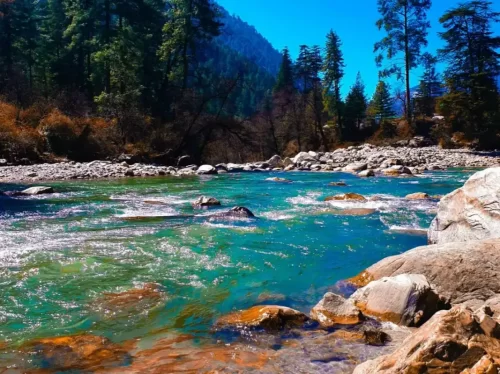
- Peaceful River Walks: Meander along the Parvati River and enjoy the soothing sound of flowing water amid lush greenery.
- Diverse Flora and Fauna: Spot Himalayan birds, colorful wildflowers, and medicinal plants native to the region.
- Picnic and Relaxation Spots: Designated areas for picnics and relaxation with scenic views make it ideal for family outings.
- Adventure Trails: Moderate trekking paths and nature trails for both beginners and experienced hikers.
- Photography Opportunities: Stunning landscapes, misty mornings, and vibrant sunsets provide perfect photo ops.
- Best Time to Visit: March to June and September to November offer pleasant weather and clear skies for outdoor activities.
- Local Culture: Interact with nearby Kasol village locals and explore authentic Himachali cuisine and lifestyle.
- Facilities: Basic amenities like benches, signboards, and washrooms are available, but carry essentials for a comfortable visit.
Important Visitor Information
- Crowd & Weather Notes: Peak season is from March to June and September to November, when the weather is pleasant. Summers are moderately busy, while winters are quieter but colder. Expect light rain during the monsoon (July-August).
- Peak / Quiet Hours: Mornings (7 AM – 10 AM) and late afternoons (4 PM – 6 PM) are quieter. Midday tends to be more crowded with tourists and local visitors.
- Dress Code: Comfortable trekking shoes and layered clothing are recommended. Light woolens or jackets are advisable in early mornings or evenings, and modest attire is preferred when interacting with local communities.
- Safety Notes: Stick to marked trails, avoid venturing into steep areas alone, and be cautious near riverbanks. Carry water, snacks, and a basic first-aid kit. Mobile connectivity may be weak in some spots.
Photography and Viewpoint
- Scenic River Views: The Parvati River runs alongside the park, offering stunning shots of flowing water framed by dense pine forests and Himalayan peaks.
- Misty Morning Photography: Early mornings often bring mist and soft sunlight, perfect for capturing ethereal landscapes and fog-draped trees.
- Sunrise and Sunset Spots: Elevated viewpoints along the walking trails provide unobstructed vistas of the valley, ideal for golden hour photography.
- Wildlife and Flora: Spot Himalayan birds, colorful wildflowers, and unique plant species—excellent for macro and nature photography.
- Panoramic Trails: Short trekking trails lead to vantage points with 180° views of Kasol Valley, ideal for wide-angle shots or drone photography (where permitted).
- Photography Tips: Carry a tripod for low-light conditions, and protect your camera from river mist. Neutral or polarizing filters enhance water reflections and greenery vibrance.
- Best Times for Photography: March to June and September to November provide clear skies, vibrant landscapes, and comfortable weather for long outdoor shoots.
- Respect Nature: Avoid stepping on fragile plants or disturbing wildlife. Stick to marked viewpoints to preserve the park’s pristine environment.