Quick Facts About Nehru Kund
| Entry Fee | Free |
| Timings | 06:00 - 18:00 |
| Altitude (m) | 2040 |
| Ideal Visit Duration (hrs) | 1 |
| Best Time of Day | Morning |
| Crowd Level | Moderate |
| Distance from Manali (km) | 6 |
| Walking Difficulty | Easy |
| Parking Available | Yes |
| Last Mile Access | Walk |
| Suitable for Kids | Yes |
| Suitable for Seniors | Yes |
| Wheelchair Friendly | No |
Why Visit Nehru Kund
Nehru Kund is a peaceful natural stop on the Manali–Rohtang Pass road, best known for its crystal-clear glacial water that flows directly from the nearby mountains. It offers travelers a refreshing break from the journey and a chance to experience the raw purity of Himalayan spring water in a calm, open setting.
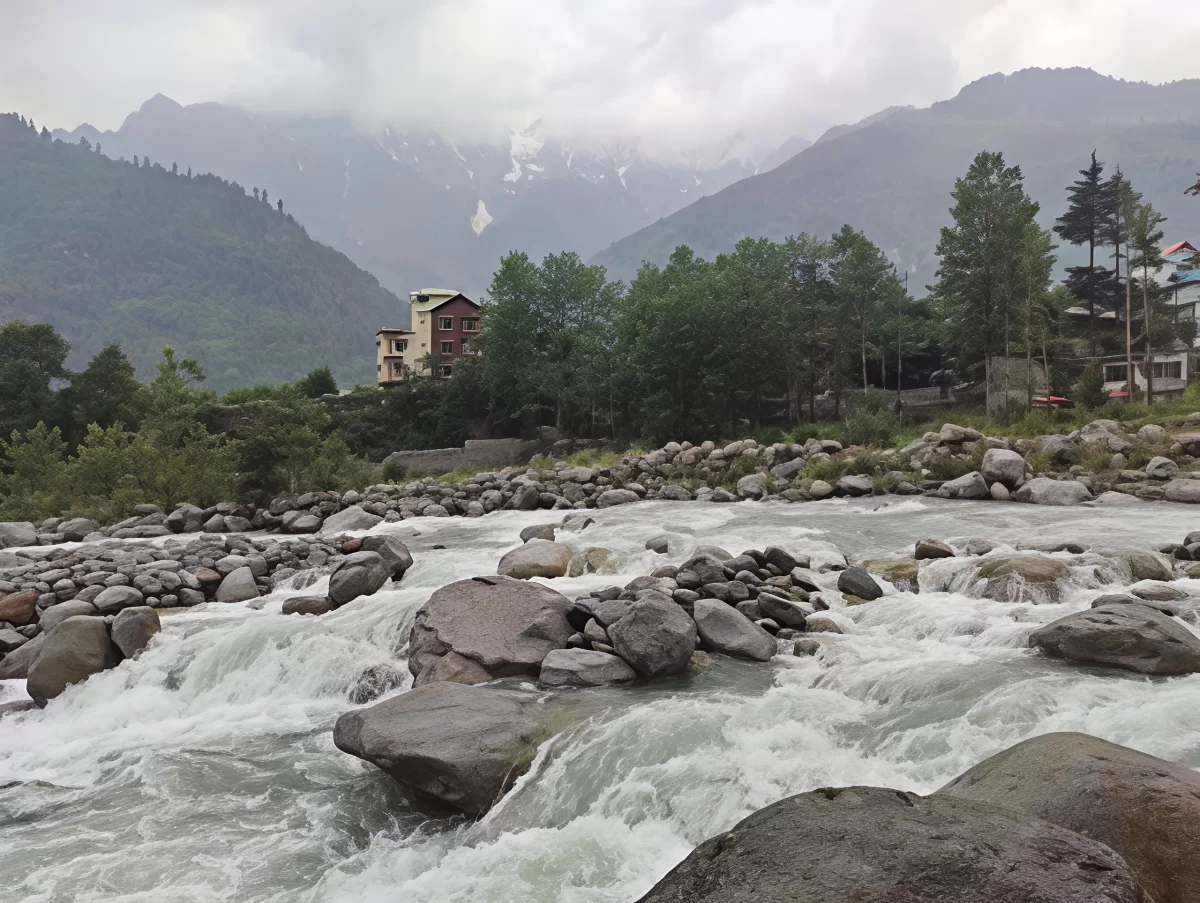
The atmosphere here is quiet and scenic, with snow-fed streams, cool mountain air, and panoramic views of surrounding peaks. Unlike crowded tourist attractions, Nehru Kund remains relatively untouched, making it ideal for travelers seeking short, serene pauses and authentic Himalayan landscapes.
What makes Nehru Kund special is its reputation as a natural freshwater source named after India’s first Prime Minister, Jawaharlal Nehru, who is believed to have stopped here to drink the water during his visits to Manali. The simplicity of the site, combined with its historical association and natural beauty, makes it a worthwhile stop for nature lovers, photographers, and road-trip travelers.
Background and Significance
Nehru Kund gets its name from India’s first Prime Minister, Jawaharlal Nehru, who is locally believed to have stopped at this natural spring during his visits to Manali and drank water from the source. Over time, the spot became known among locals and travelers as Nehru Kund, linking the place more to modern history than to ancient legend or religious tradition.
There is no temple, shrine, or ritual activity associated with Nehru Kund. Its importance comes from its role as a natural freshwater source fed by glacial melt from the surrounding Himalayan slopes. For decades, it has served as a reliable resting point along the Manali–Rohtang route, especially before the road became heavily commercialized.
Today, Nehru Kund is valued more for its natural and historical context rather than cultural or religious significance. It reflects an era when Himalayan travel routes were simpler, and natural water sources like this were essential stops for travelers moving through high-altitude terrain.
Best Time to Visit Nehru Kund
The best time to visit Nehru Kund is from April to October, when the Manali–Rohtang Pass road is open and the water flow is steady and clear. During these months, weather conditions are generally stable, making short stops safe and comfortable for travelers.
Summer months from May to June offer the most pleasant experience, with cool mountain temperatures and easy road access. The surrounding landscape is green, and the glacial stream is active without being too forceful, making it ideal for photography and short breaks.
Monsoon season from July to September brings heavier water flow, but occasional landslides and slippery road edges can make stopping risky. Visits during this time should be brief and cautious, especially after rainfall.
- April to June: Best overall period with clear roads, mild weather, and steady water flow
- July to September: Fewer visitors but higher water levels and occasional road safety concerns
- October: Crisp air and scenic surroundings before winter road closures begin
- November to March: Not recommended due to snow, road closures, and limited access
How to Reach Nehru Kund
- Nehru Kund is located on the Manali–Rohtang Pass road, around 6 km north of Manali town, before Gulaba.
- From Manali, taxis and private vehicles can reach the spot directly via the Leh–Manali Highway in about 20 minutes, depending on traffic.
- Local buses heading toward Rohtang Pass, Solang Valley, or Kothi pass nearby. You may need to get down on the roadside and walk a short distance.
- The site is directly accessible from the main road, with no trekking required. A brief walk from the road edge leads to the water outlet.
- During winter months, access may be restricted due to snow and temporary road closures beyond certain points.
What to Expect When You Visit Nehru Kund
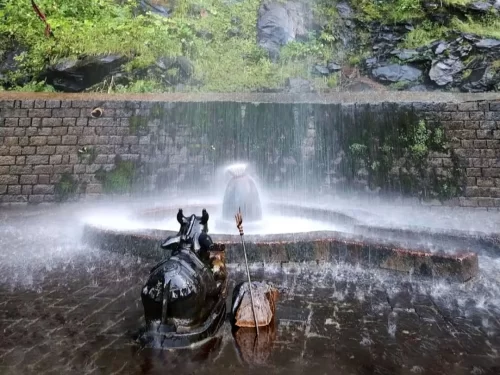
- A roadside natural spring with ice-cold, clear water flowing directly from the mountains, especially refreshing during warmer months.
- Open surroundings with mountain views rather than a developed tourist complex. Facilities are minimal and mostly absent.
- Short visit duration. Most travelers stop for 10 to 20 minutes to rest, take photos, or drink water before continuing their journey.
- Uneven ground near the water outlet. The area can be slippery due to constant water flow and moss-covered stones.
- Occasional vendors selling tea or snacks during peak tourist season, but no permanent shops or restrooms.
- Passing traffic noise from the highway, especially during peak Rohtang season, which reduces the sense of isolation.
Important Visitor Information
- Crowd and Weather Notes: Crowd levels increase significantly from May to June due to traffic toward Rohtang Pass. Weather remains cool throughout the year, but sudden temperature drops and strong winds are common, even in summer.
- Peak Hours: Late morning to early afternoon, especially between 11:00 am and 3:00 pm when tourist traffic is highest.
- Quiet Hours: Early morning before 9:00 am offers fewer vehicles, clearer views, and safer stopping conditions.
- Dress Code: Wear warm layers year-round. Even in summer, cold air and splashing glacial water can cause discomfort without proper clothing.
- Safety Notes: Exercise caution near the roadside due to fast-moving vehicles. The ground around the spring is slippery, and there are no safety railings or barriers. Drinking water directly from the source is common but should be avoided if flow appears disturbed or muddy.
Photography and Viewpoint
- The best photography angles are from the roadside facing the spring outlet, where clear water emerges against a backdrop of rocky mountain slopes.
- Morning light provides softer illumination and better clarity, reducing harsh shadows caused by surrounding hills.
- During late spring and early summer, the contrast between flowing water, green patches, and distant snow-covered peaks offers balanced landscape shots.
- Close-up shots of the water stream are popular, but photographers should be cautious of slippery stones and splashing water.
- There is no designated viewpoint or elevated platform. All photography is done from natural ground level near the highway.
- Traffic movement can interrupt wide-angle shots, so patience is required during peak hours.