Nechung Monastery: A Spiritual Haven in Dharamshala

Nechung Monastery , Dharamshala
Nechung Monastery, located in Dharamshala, is one of the most prominent Tibetan Buddhist monasteries in India. It is renowned for its peaceful environment, sacred rituals, and being home to the Nechung Oracle, a revered spiritual figure. The monastery is often visited by those seeking spiritual solace and insight into Tibetan Buddhism. Visitors can enjoy serene landscapes, vibrant Buddhist culture, and captivating spiritual practices.

Quick Facts About Nechung Monastery

Entry Fee Free
Timings 06:00 - 18:00
Altitude (m) 2080
Ideal Visit Duration (hrs) 2
Best Time of Day Morning
Crowd Level Moderate
Distance from Dharamshala (km) 8
Walking Difficulty Moderate
Parking Available Yes
Last Mile Access Walk
Suitable for Kids Yes
Suitable for Seniors Yes
Wheelchair Friendly No

Why Visit Nechung Monastery

Atmosphere: Nechung Monastery offers a peaceful and serene atmosphere, set against the backdrop of the lush hills of Dharamshala. The monastery is a tranquil retreat from the hustle and bustle of the city, making it an ideal place for those looking for spiritual solace or a quiet escape. The air is filled with the scent of incense, the hum of chanting, and the calming presence of monks and visitors alike. Whether you’re meditating, taking in the views, or simply soaking in the monastery's tranquility, the atmosphere here promotes peace and reflection.

What Makes it Special: Nechung Monastery is not only significant for its spiritual practices but also for its historical and cultural importance. It is home to the Nechung Oracle, an esteemed figure in Tibetan Buddhism, who serves as an advisor to the Dalai Lama. The monastery holds regular religious rituals and ceremonies, which attract both pilgrims and tourists. The architecture, typical of Tibetan design, with its vibrant prayer flags and intricate carvings, adds to its charm. Visitors can witness traditional Buddhist rituals, interact with monks, and learn about Tibetan spirituality. The surrounding landscape also offers stunning views, adding a natural charm to this sacred site.

History of Nechung Monastery

Religious Significance: Nechung Monastery holds a pivotal place in Tibetan Buddhism, primarily due to its association with the Nechung Oracle, one of the most revered spiritual figures within the Tibetan tradition. The Oracle is considered a vital spiritual advisor to the Dalai Lama, providing guidance on matters of great importance. The monastery’s significance is also reflected in its role as a center for Tibetan religious practices, where monks engage in daily prayers, rituals, and meditation. These activities not only support the spiritual growth of those within the monastery but also serve as a beacon of Tibetan Buddhism for the broader community.

History: Founded in the early 20th century, Nechung Monastery is located in Dharamshala, a city that has become a major hub for Tibetan culture and religion after the Dalai Lama's exile in the 1950s. The monastery was established to preserve and propagate Tibetan religious traditions. Over the years, it has become a key site for pilgrims and visitors seeking insight into Tibetan spirituality. Its connection to the Nechung Oracle dates back centuries, and it continues to be a significant location for religious ceremonies, including the Oracle’s trance rituals, where the Oracle speaks to provide guidance on important decisions for Tibet’s future.

Best Time to Visit Nechung Monastery

The best time to visit Nechung Monastery is during the months of March to June and September to November. During these periods, the weather in Dharamshala is pleasant and ideal for exploring the monastery and its surroundings. The temperatures are moderate, neither too hot nor too cold, making it a comfortable time for walking and sightseeing. The monastery’s peaceful atmosphere is especially serene in these months, allowing visitors to fully experience its spiritual ambiance.

  • March to June: The weather is mild and comfortable, with clear skies and moderate temperatures, ideal for outdoor activities and temple visits.
  • September to November: This period offers pleasant temperatures, with the monsoon rains having passed, making the surroundings lush and beautiful.
  • Avoid Winter (December to February): Although winters are cool and crisp, it can be quite cold, especially at the monastery's higher altitude, and heavy snow can limit access to the site.
  • Summer (July to August): While it’s still a good time to visit, the monsoon season can bring heavy rainfall, which may affect the scenic views and make the paths slippery.

How to Reach Nechung Monastery

Nechung Monastery is located in Dharamshala, Himachal Pradesh, and is well-connected by road, air, and rail. Visitors can reach the monastery easily from various parts of India. Below are the best ways to get there:

  • By Air: The nearest airport is Gaggal Airport (Dharamshala Airport), located around 13 km from the monastery. It is well connected to major cities like Delhi and Chandigarh. From the airport, you can take a taxi or a local bus to reach the monastery.
  • By Train: The nearest railway station is Kangra Railway Station, located about 28 km away from Dharamshala. From the station, you can take a taxi or bus to reach Nechung Monastery. Alternatively, you can travel to Pathankot Railway Station (90 km away), which is a major railway junction, and take a taxi or bus from there.
  • By Bus: Dharamshala is well-connected by road with several cities across northern India. There are regular bus services from cities like Delhi, Amritsar, and Chandigarh to Dharamshala. You can take a bus to the main bus stand in Dharamshala and hire a taxi to reach Nechung Monastery.
  • By Taxi: Taxis are available from nearby cities and the Dharamshala bus station. It’s advisable to hire a local taxi for a comfortable and direct ride to the monastery, especially if you're traveling in a group or with luggage.

What to Expect When You Visit Nechung Monastery

A visit to Nechung Monastery is a serene and enlightening experience. As one of the most significant Tibetan Buddhist monasteries, it offers a deep spiritual experience combined with natural beauty. Here’s what you can expect during your visit:

  • Spiritual Atmosphere: The monastery is a peaceful retreat, filled with the sounds of chanting, prayer wheels, and the scent of incense. The environment promotes calmness and introspection, making it an ideal place for meditation and spiritual reflection.
  • Tibetan Buddhist Rituals: You may witness monks performing daily rituals, prayers, and the traditional chanting of mantras. The presence of the Nechung Oracle adds a unique dimension to the monastery, as it is an integral part of Tibetan spiritual practices.
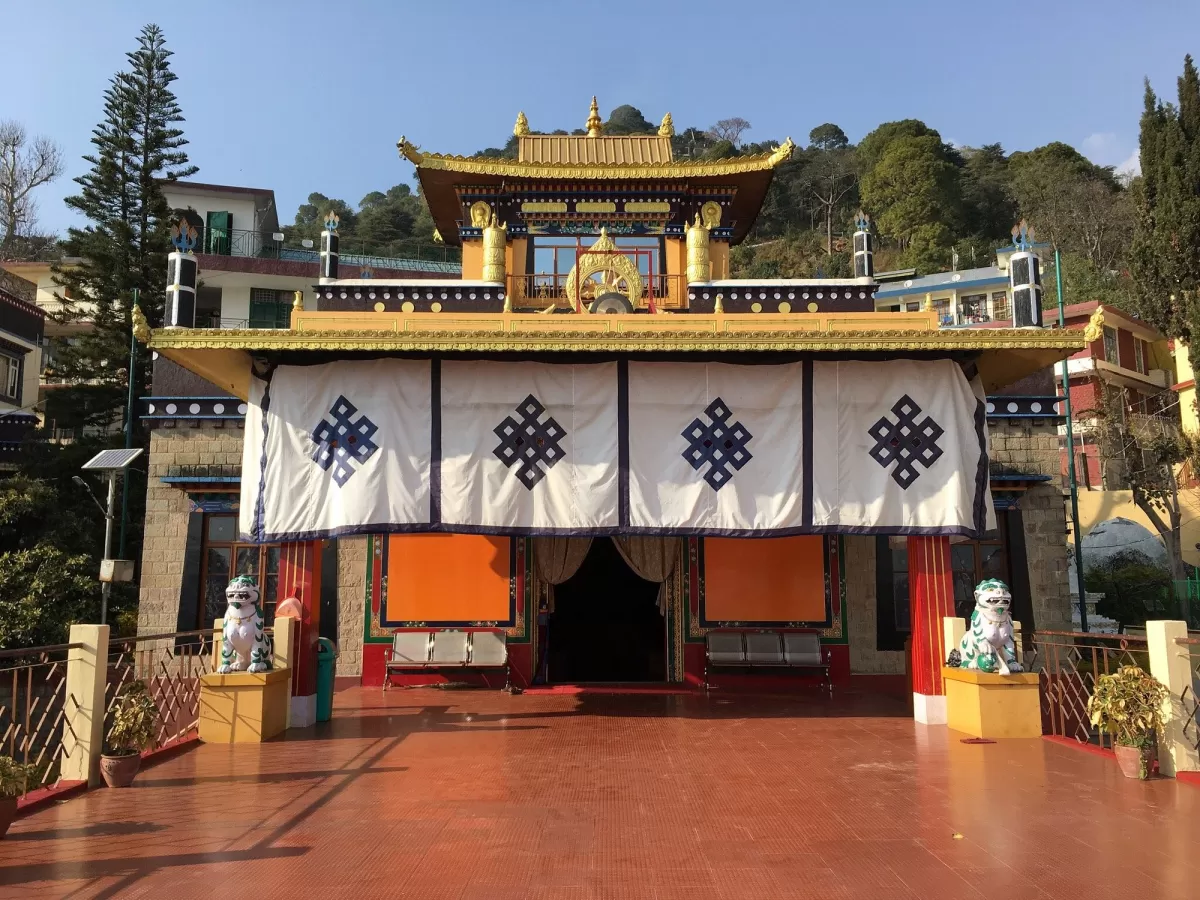
  • Vibrant Buddhist Architecture: The monastery features traditional Tibetan Buddhist architecture, with colorful prayer flags, intricate murals, and beautifully decorated temples. The design and decoration of the monastery reflect the deep cultural and religious values of Tibetan Buddhism.
  • Stunning Views: The monastery offers breathtaking panoramic views of the surrounding mountains and valleys. The lush greenery, along with the crisp mountain air, creates a refreshing atmosphere, perfect for taking a moment to relax and enjoy nature.
  • Interaction with Monks: You can interact with the monks who live and study here, learning more about Tibetan Buddhism, rituals, and the daily life of those who dedicate themselves to the faith.
  • Peaceful Environment: Whether you’re there for religious purposes or simply to enjoy the tranquil surroundings, you can expect a calm and undisturbed environment perfect for personal reflection, prayer, or just soaking in the serenity.

Important Visitor Information

  • Crowd & Weather Notes: Nechung Monastery tends to be less crowded in the early mornings, especially before 10 AM. Weekdays generally see fewer visitors compared to weekends. During peak tourist seasons (March to June, September to November), the monastery can see a moderate to high number of visitors. Weather can be unpredictable, so check the forecast before visiting, especially in the monsoon months (July to August) when rainfall may cause some difficulty in reaching the monastery due to slippery paths.
  • Peak / Quiet Hours: The quietest times to visit are early mornings (6:00 AM - 8:00 AM) and late afternoons (4:00 PM - 6:00 PM). These hours allow you to experience the monastery in a tranquil setting, away from the peak crowds. If you’re looking to witness religious rituals and interact with the monks, visiting around mid-morning (9:00 AM - 12:00 PM) is ideal.
  • Dress Code: Nechung Monastery, like most religious sites, requires respectful attire. It’s advisable to dress modestly, covering shoulders and knees. Avoid wearing revealing clothes or inappropriate footwear (like flip-flops) when entering prayer halls. If you're planning to meditate or participate in any rituals, ensure your clothing is comfortable and respectful of the sacred environment.
  • Safety Notes: The paths around the monastery, especially uphill areas, may be steep and uneven, so wear sturdy footwear. During the monsoon season, the terrain can become slippery, so extra caution is advised. There are no designated guardrails along some parts of the walk, so be mindful of your surroundings. It’s also advisable to carry a water bottle, as the monastery is situated in a relatively remote area with limited facilities.

Photography and Viewpoint

  • Scenic Views: Nechung Monastery offers stunning panoramic views of the surrounding Himalayan mountains, valleys, and lush green forests. The monastery’s elevated location makes it an ideal spot for capturing the beauty of Dharamshala’s natural landscape. Early mornings or late afternoons provide the best light for photography, with the sun casting a golden hue over the hills and the monastery.
  • Photography of the Monastery: The monastery's traditional Tibetan Buddhist architecture, vibrant prayer flags, and intricate murals make for captivating subjects. Visitors can capture the colorful prayer wheels, stupas, and the serene prayer halls. Keep in mind that photography is allowed in the public areas, but respect the privacy and sanctity of the inner temples where some areas might be off-limits to cameras.
  • Best Photo Opportunities: The most iconic photography spots include the main prayer hall, the view of the surrounding mountains from the monastery’s steps, and the vibrant prayer flags fluttering in the wind. The Nechung Oracle’s chamber, although more private, can be captured from a distance. The best times for photography are at sunrise or sunset when the light enhances the colors and atmosphere.
  • Respectful Photography: While photography is encouraged in many parts of the monastery, it’s important to always ask permission before taking photos of the monks or during rituals. Many visitors come for spiritual reasons, so be mindful of not disturbing the peaceful atmosphere when taking pictures.
  • Photography Tips: - Carry a good quality camera with a zoom lens to capture distant views and intricate details of the architecture. - The area around the monastery is peaceful, so use a tripod if you prefer stable shots in low light. - Respect the local culture and always be discreet when taking photos, especially during religious ceremonies.

Near By Attraction

Masroor Rock-Cut Temple near Dharamshala featuring ancient monolithic stone temples carved from rock, reflected in a green water tank with clear blue sky above. Historical Site

Masroor Rock-cut Temple

The Masroor Rock-cut Temple is a stunning ancient temple complex carved directly into rock, located in the Kangra Valley of Himachal Pradesh.

Kangra Art Museum in Dharamshala featuring a grand yellow and maroon building with wide red staircases, decorative emblem at the entrance, and snow-capped Dhauladhar mountains in the background. Museum

Kangra Art Museum

The Kangra Art Museum is a vibrant cultural space in Dharamshala dedicated to preserving and showcasing the unique art and heritage of the Kangra Valley.

The Tibet Museum in Dharamshala featuring a grand Tibetan-style building with golden rooftops, red facade, wide staircase lined with flowers, and visitors at the entrance under a blue sky. Museum

The Tibet Museum

The Tibet Museum in Dharamshala offers a deep insight into the rich cultural heritage and history of Tibet through captivating exhibits and displays.

Frequently Asked Questions About Nechung Monastery

The best time to visit Nechung Monastery is between March and June and from September to November when the weather in Dharamshala remains pleasant. These months allow comfortable sightseeing in Kangra district of Himachal Pradesh.
Nechung Monastery is located near the Tsuglagkhang Complex in McLeod Ganj in Kangra district of Himachal Pradesh. It is an important monastery associated with Tibetan Buddhist traditions.
Nechung Monastery can be reached easily on foot from McLeod Ganj market as it is situated close to the main temple complex. Visitors can also hire a local taxi to reach the nearby area.
There is no entry fee to visit Nechung Monastery. Visitors can enter the monastery premises freely while respecting religious customs.
Nechung Monastery is generally open during daylight hours from morning until evening. Visiting earlier in the day allows a quieter and more peaceful experience.
Around 30 to 60 minutes are sufficient to explore Nechung Monastery and observe its prayer halls and murals. Visitors often combine it with nearby monasteries in McLeod Ganj.
Nechung Monastery is suitable for family visits as it involves minimal walking and a calm environment. Children should be guided to maintain silence inside prayer halls.
Nechung Monastery remains accessible during winter, though cold weather in Himachal Pradesh may affect travel comfort. Carrying warm clothing is recommended during colder months.
Photography may be restricted inside certain sections of Nechung Monastery. Visitors should follow monastery guidelines and seek permission before taking pictures.
Visitors to Nechung Monastery should dress modestly, remove footwear before entering prayer areas, and maintain silence. It is important to respect religious practices and avoid disturbing ongoing rituals.

Loved this place ? Let’s Plan Your Himachal Pradesh Trip

Get customized Himachal Pradesh tour planning designed around season, road conditions, hill travel pacing, and comfort preferences. Whether you are visiting for snow experiences, mountain landscapes, temple towns, adventure activities, or relaxed valley s

⚑ Quick Response | πŸ’° Free consultation | πŸ•’ 24Γ—7 expert support

×

Plan Your Trip