+91 9910402252
admin@chalbanjare.com


| Entry Fee | Free |
| Timings | 06:00 - 18:00 |
| Altitude (m) | 700 |
| Ideal Visit Duration (hrs) | 2 |
| Best Time of Day | Morning |
| Crowd Level | Moderate |
| Distance from Kangra (km) | 15 |
| Walking Difficulty | Moderate |
| Parking Available | Yes |
| Last Mile Access | Walk |
| Suitable for Kids | Yes |
| Suitable for Seniors | Yes |
| Wheelchair Friendly | No |
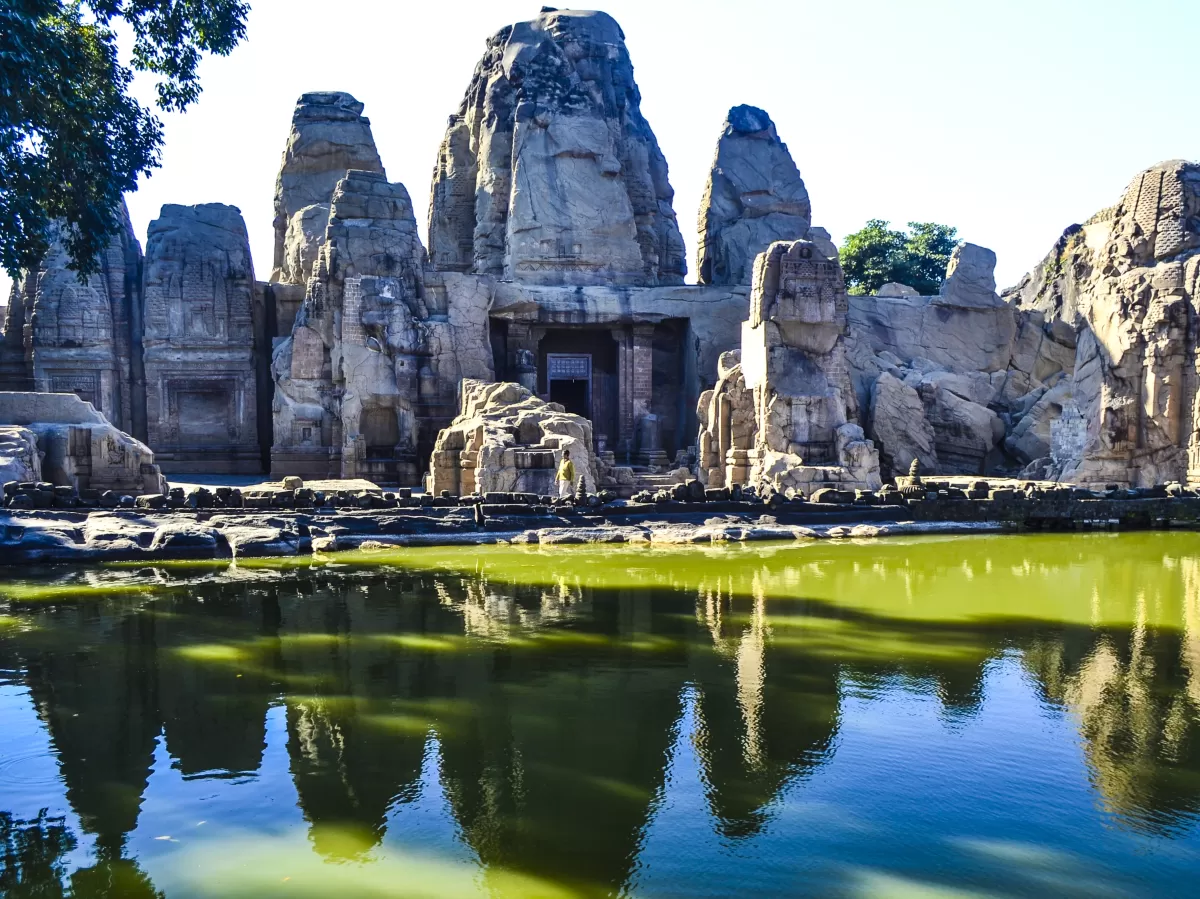
The Masroor Rock-cut Temple is a must-visit for anyone interested in ancient architecture, history, and spirituality. Carved directly into solid rock, this 8th-century temple complex offers a rare glimpse into the ingenuity of ancient builders and the religious practices of the time. Located in a serene setting surrounded by lush landscapes, the temple provides both a historical and spiritual experience for visitors.
The atmosphere at Masroor is tranquil and reflective, making it an ideal place for those seeking peace and solitude while exploring ancient religious sites. Visitors can admire the intricately carved temples, each featuring detailed sculptures and stone carvings that depict gods, goddesses, and various mythological scenes. The setting, with its scenic views of the Kangra Valley, enhances the spiritual experience, making it a truly memorable destination.
What makes Masroor Rock-cut Temple special is its unique rock-cut architecture and historical significance. Unlike many other temples in India, which are made of stone or brick, Masroor’s temples were carved directly into rock, showcasing the skill and artistry of ancient builders. The temple complex remains one of the few examples of its kind in India, offering insights into the region’s rich religious and cultural heritage.
Masroor Rock-cut Temple, believed to have been carved in the 8th century, is a remarkable example of ancient monolithic rock-cut architecture in India. Situated in the Kangra Valley, this temple complex is dedicated to Lord Shiva and showcases the architectural brilliance of its time. It is one of the few examples of rock-cut temples in India, where entire shrines have been carved from solid rock, rather than being built using traditional construction methods.
The temple complex includes a set of sanctums, each adorned with intricate carvings and sculptures depicting Hindu deities, mythological scenes, and motifs from nature. Although it is not as widely known as some other ancient Indian temples, Masroor’s architectural design and rock-cut carvings make it a significant historical and cultural site, offering insight into early Hindu temple architecture in the region.
The best time to visit Masroor Rock-cut Temple is during the cooler months, from October to March. During this period, the weather in the Kangra Valley is pleasant, with mild temperatures and clear skies, perfect for exploring the temple and its surroundings. The summer months (April to June) can get hot, and the temple is best avoided during the peak of summer, as it can become quite uncomfortable due to the heat.
Masroor Rock-cut Temple is located in the Kangra Valley of Himachal Pradesh, about 15 km from the town of Kangra. The temple is easily accessible by road and offers scenic views as you approach. Here’s how you can reach the temple from various points:
 Temple
Bethu Ki Ladi Temple is a local Hindu temple located in Dharamshala, Himachal Pradesh, known for its religious significance and peaceful hill surroundings.
 Temple
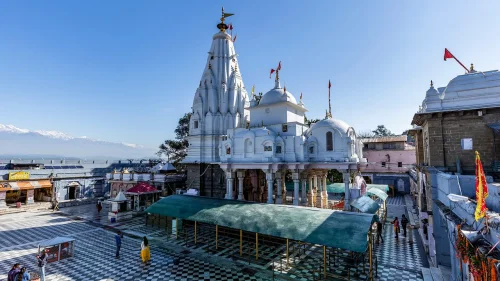
Brajeshwari Devi Temple is a prominent Hindu temple dedicated to Goddess Brajeshwari, located in Kangra near Dharamshala in Himachal Pradesh.
 Temple
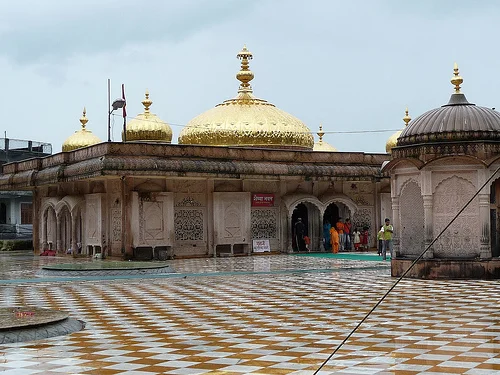
Jwala Ji (Jwalamukhi) Temple is a revered Hindu temple dedicated to Goddess Jwalamukhi, located in Kangra district of Himachal Pradesh and recognized as one of the important Shakti Peethas in India.
Get customized Himachal Pradesh tour planning designed around season, road conditions, hill travel pacing, and comfort preferences. Whether you are visiting for snow experiences, mountain landscapes, temple towns, adventure activities, or relaxed valley s
⚡ Quick Response | 💰 Free consultation | 🕒 24×7 expert support

