The Tibet Museum - Explore Tibetan Culture and History

The Tibet Museum , Dharamshala
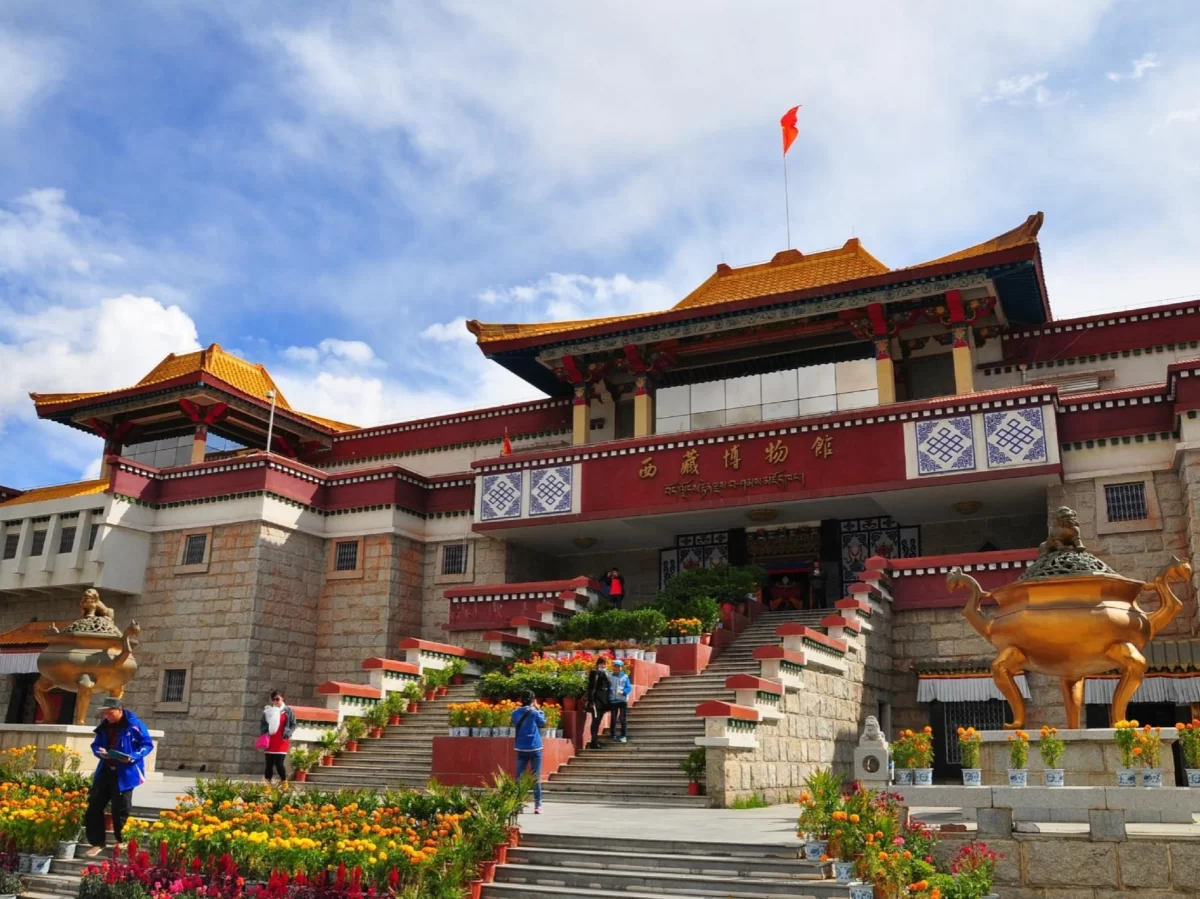
Located in the heart of Dharamshala, The Tibet Museum provides a unique opportunity to explore Tibetan history, culture, and the ongoing struggle for Tibetan independence. It showcases various exhibitions related to Tibet’s political history, religion, and the stories of Tibetan refugees. Visitors can gain a deeper understanding of Tibetan traditions, art, and the profound impact of Tibet\'s historical and political events. The museum also honors the resilience and determination of the Tibetan people, making it an essential stop for anyone interested in Tibetan culture.

Quick Facts About The Tibet Museum

Entry Fee Free
Timings 09:00 - 17:00
Altitude (m) 1500
Ideal Visit Duration (hrs) 2
Best Time of Day Morning
Crowd Level Low
Distance from Dharamshala (km) 3
Walking Difficulty Easy
Parking Available Yes
Last Mile Access Walk
Suitable for Kids Yes
Suitable for Seniors Yes
Wheelchair Friendly Yes

Why Visit The Tibet Museum

The Tibet Museum offers a rare and profound opportunity to explore the history, culture, and struggle of the Tibetan people. Located in Dharamshala, the museum provides insight into Tibet's rich heritage, as well as the political and religious challenges faced by the Tibetan community. A visit to the museum is not only educational but also deeply moving, offering visitors a chance to understand the history behind Tibet’s exile and the ongoing efforts to preserve its culture.

Atmosphere

The atmosphere at The Tibet Museum is respectful and contemplative. The museum’s design and exhibits encourage reflection, with powerful imagery and storytelling that resonate deeply with visitors. Its peaceful setting in Dharamshala enhances the experience, making it a space for quiet learning and introspection. The atmosphere fosters respect for the Tibetan people and their rich cultural traditions, while also shedding light on their struggles for freedom and autonomy.

What Makes it Special

What makes The Tibet Museum special is its unique focus on both the cultural and political aspects of Tibet. Unlike other museums, it highlights the Tibetan diaspora's journey and the continuing efforts to preserve Tibetan culture and identity. The museum’s exhibits, which include historical photographs, Tibetan religious artifacts, and interactive displays, are curated with a deep sense of respect and empathy for the Tibetan community. The museum also offers an educational experience that highlights the resilience and hope of the Tibetan people, making it an essential stop for those interested in understanding the complexities of Tibetan culture and politics.

History of The Tibet Museum

The Tibet Museum was established in 1998 by the Central Tibetan Administration in Dharamshala, India, to preserve and showcase the history, culture, and struggles of the Tibetan people. The museum was created to educate visitors about Tibet's rich heritage and the Tibetan diaspora's journey, especially after the 1959 Tibetan uprising and the subsequent exile of the Dalai Lama and thousands of Tibetans to India. The museum plays a vital role in preserving Tibetan art, history, and stories for future generations and providing a platform for raising awareness about the Tibetan cause.

Significance

The Tibet Museum holds significant cultural and educational value. It is a symbol of the resilience of the Tibetan people and their ongoing efforts to preserve their identity, language, and traditions despite years of political and cultural suppression. The museum also highlights the experiences of Tibetan refugees and their contributions to the global community, providing a platform for dialogue on Tibet’s political situation and the ongoing Tibetan struggle for autonomy and human rights. The museum's exhibits, which include historical photographs, religious artifacts, and Tibetan paintings, bring the complex story of Tibet’s past to life, making it an important cultural landmark.

Best Time to Visit The Tibet Museum

The Tibet Museum is open year-round, making it accessible at any time. However, certain seasons offer a more enjoyable experience depending on the climate and the crowd levels in Dharamshala. Here's a breakdown of the best times to visit:

  • Spring (March to May): This is one of the best times to visit as the weather in Dharamshala is pleasant, with moderate temperatures and clear skies. The town is less crowded compared to the summer months, offering a calm experience while exploring the museum.
  • Autumn (September to November): Another ideal time to visit, as the weather remains mild and comfortable. This is a great period for sightseeing and museum visits, with fewer tourists and beautiful fall foliage in the surrounding areas.
  • Summer (June to August): While the weather is warm, Dharamshala can become more crowded during this period due to summer vacations. If you don't mind larger crowds, this can still be a good time to visit as the museum offers cooling indoor spaces and educational exhibits that can provide a break from the heat.
  • Winter (December to February): The winter months in Dharamshala can be quite cold, especially at higher altitudes. However, this is the least crowded time of the year, and the Tibet Museum offers a quiet, reflective atmosphere. If you enjoy solitude and don’t mind chilly temperatures, winter can be a peaceful time to visit.

Overall, the best time to visit The Tibet Museum is during the spring and autumn months when the weather is comfortable and the crowds are moderate, offering a peaceful and immersive experience.

How to Reach The Tibet Museum

The Tibet Museum is conveniently located in Dharamshala, Himachal Pradesh, and is easily accessible by various modes of transportation. Whether you are traveling from nearby towns or other parts of India, here's how you can reach the museum:

  • By Air: The nearest airport to Dharamshala is Gaggal Airport (Dharamshala Airport), located around 15 km from the Tibet Museum. The airport is well-connected to Delhi, with daily flights. From the airport, you can take a taxi or private car to the museum.
  • By Train: The nearest major railway station is Pathankot (about 90 km away), which has train connections to many major cities like Delhi, Amritsar, and Chandigarh. From Pathankot, you can hire a taxi or take a bus to Dharamshala, and then travel to the museum by taxi or walk.
  • By Bus: Dharamshala is well-connected by bus from various cities like Delhi, Chandigarh, and other towns in Himachal Pradesh. You can take a direct bus to Dharamshala's main bus station and from there, hire a taxi or take a local bus to reach the museum (about 3 km away).
  • By Road: Dharamshala is easily accessible by road from major cities. If you're driving from Delhi, it takes around 10-12 hours to reach Dharamshala. Once in Dharamshala, the Tibet Museum is a short drive from the main town area, or you can opt for a short walk uphill.

The Tibet Museum is located in the McLeod Ganj area, which is the upper part of Dharamshala. If you're staying in the town center, it’s a short drive or a scenic walk uphill to the museum.

What to Expect When You Visit The Tibet Museum

A visit to The Tibet Museum is both an educational and emotional experience. As you explore the museum’s carefully curated exhibits, you’ll gain a deeper understanding of Tibetan culture, history, and the ongoing struggle for Tibet’s freedom. Here’s what you can expect during your visit:

  • Engaging Exhibits: The museum showcases a variety of exhibits, including photographs, artifacts, and multimedia displays that chronicle the rich history of Tibet. These exhibits offer a profound insight into Tibet's political and religious history, as well as its cultural evolution over the centuries.
  • Interactive Learning: The Tibet Museum offers interactive displays that allow you to engage with the content more deeply. Audio guides and short films on the Tibetan struggle and culture provide valuable context, making your visit both informative and immersive.
  • Personal Reflection: The atmosphere of the museum encourages personal reflection. Many visitors are moved by the stories of Tibet's refugees and the resilience of its people. The peaceful, respectful environment offers ample opportunities for quiet contemplation and understanding.
  • Insight into Tibetan Buddhism: You’ll find several sections dedicated to the Tibetan Buddhist tradition, including religious art, scriptures, and statues. These displays offer a deeper understanding of the spiritual practices that are central to Tibetan life.
  • Educational Atmosphere: The museum is an excellent place for both casual visitors and those with a deeper interest in Tibetan history and culture. It’s a great spot for students, researchers, and anyone passionate about human rights and cultural preservation.
  • Respectful Space: The museum fosters a space of respect and learning. Expect a calm, quiet atmosphere where visitors are encouraged to appreciate the exhibits and reflect on Tibet’s political and cultural history in a dignified manner.

Overall, a visit to The Tibet Museum will leave you with a greater appreciation for the Tibetan people’s culture, their struggles, and their enduring spirit. It's an enriching experience that combines history, art, and social justice.

Important Visitor Information

  • Crowd & Weather Notes: Dharamshala experiences moderate to low crowd levels throughout the year, with peak visitation during the summer months (May to August) and during Tibetan New Year celebrations. The museum is usually quieter in the winter (December to February), providing a more peaceful experience. The weather in Dharamshala is pleasant in spring and autumn, but can get chilly during the winter months. Be prepared for occasional rain during the monsoon season (June to August).
  • Peak / Quiet Hours: The museum tends to be busier during weekends and holidays, particularly in the late mornings and early afternoons. For a quieter experience, it’s best to visit during weekdays, especially in the early hours of the morning right after opening. If you're looking to avoid crowds, visiting in the off-peak season (winter) is ideal.
  • Dress Code: There is no strict dress code at the museum, but visitors are encouraged to dress modestly out of respect for the Tibetan culture and the solemn nature of the exhibits. Comfortable clothing and shoes are recommended as you may spend time walking around the museum and exploring the nearby area.
  • Safety Notes: The Tibet Museum is located in the higher part of Dharamshala, and while the paths leading to the museum are accessible, be cautious if you're walking uphill. The museum itself is very safe, but as with any crowded tourist destination, always keep your belongings secure. Visitors should also be mindful of slippery surfaces during the rainy season and wear appropriate footwear.

Photography and Viewpoint at The Tibet Museum

  • Photography Opportunities: The Tibet Museum offers a range of photography opportunities, allowing visitors to capture its unique exhibits and the beautiful surrounding area. You can photograph the museum’s art and artifacts, including Tibetan religious statues, paintings, and historical photos. However, visitors are encouraged to respect the museum's peaceful atmosphere and avoid taking photos during meditation sessions or when other visitors are in deep contemplation. For the best results, visit in the early morning or late afternoon when the light is softer.
  • Scenic Viewpoints: The Tibet Museum is located in the scenic town of Dharamshala, which is nestled in the Himalayan foothills. From the museum, you can enjoy breathtaking views of the surrounding mountains and valleys. The museum offers a peaceful environment where you can reflect while taking in these stunning views. The main viewpoint at the museum overlooks the lush green hills and provides a tranquil backdrop for any photos you may wish to take.
  • Respectful Photography: While photography is allowed in most parts of the museum, it is important to respect the personal space of other visitors. The museum’s exhibits, especially those related to Tibetan history and culture, are highly sensitive, so it is advised to refrain from using flash photography. Additionally, be mindful when taking photos in areas with other people meditating or reflecting on the exhibits. Always ask for permission before photographing others in the museum.
  • Best Time for Photos: For optimal lighting, the best times to photograph the museum’s surroundings are early morning or late afternoon, when the light is soft and the crowds are thinner. These hours provide excellent opportunities to capture the serene atmosphere of the museum and the stunning Himalayan views without too many distractions in the frame.

Near By Attraction

Masroor Rock-Cut Temple near Dharamshala featuring ancient monolithic stone temples carved from rock, reflected in a green water tank with clear blue sky above. Historical Site

Masroor Rock-cut Temple

The Masroor Rock-cut Temple is a stunning ancient temple complex carved directly into rock, located in the Kangra Valley of Himachal Pradesh.

Kangra Art Museum in Dharamshala featuring a grand yellow and maroon building with wide red staircases, decorative emblem at the entrance, and snow-capped Dhauladhar mountains in the background. Museum

Kangra Art Museum

The Kangra Art Museum is a vibrant cultural space in Dharamshala dedicated to preserving and showcasing the unique art and heritage of the Kangra Valley.

Tushita Meditation Centre Dharamshala entrance gate in McLeod Ganj Himachal Pradesh Mountain

Tushita Meditation Centre

Tushita Meditation Centre, located in the serene hills of Dharamshala, offers a tranquil environment for meditation and Buddhist teachings.

Frequently Asked Questions About The Tibet Museum

The best time to visit The Tibet Museum is between March and June and from September to November when the weather in Dharamshala remains pleasant. These months allow comfortable sightseeing in Kangra district of Himachal Pradesh.
The Tibet Museum is located in McLeod Ganj near the Tsuglagkhang Complex in Dharamshala in Kangra district of Himachal Pradesh. It focuses on Tibetan history, culture, and the exile experience.
The Tibet Museum can be reached easily on foot from McLeod Ganj market as it is located within walking distance. Visitors can also hire a local taxi to reach the Tsuglagkhang Complex area.
An entry fee is usually charged at The Tibet Museum for visitors. Tickets can be purchased at the entrance counter before entering the exhibition area.
The Tibet Museum is generally open from morning until late afternoon, except on designated closing days. It is advisable to check current timings before planning a visit.
Around one to two hours are sufficient to explore The Tibet Museum and understand its exhibits through photographs, documents, and audiovisual displays. Visitors interested in detailed history may spend more time.
The Tibet Museum is suitable for family visits, especially for those interested in cultural and historical learning. Parents should guide children to respect the exhibits and maintain silence.
The Tibet Museum remains accessible during winter, though cold weather in Himachal Pradesh may affect travel comfort. The indoor setting makes it a good option during colder months.
Photography may be restricted inside certain sections of The Tibet Museum. Visitors should follow museum rules and confirm camera policies at the entrance.
Visitors to The Tibet Museum should maintain silence inside galleries, avoid touching exhibits, and follow posted guidelines. Carrying light woolens is advisable due to changing weather conditions in Himachal Pradesh.

Loved this place ? Let’s Plan Your Himachal Pradesh Trip

Get customized Himachal Pradesh tour planning designed around season, road conditions, hill travel pacing, and comfort preferences. Whether you are visiting for snow experiences, mountain landscapes, temple towns, adventure activities, or relaxed valley s

⚡ Quick Response | 💰 Free consultation | 🕒 24×7 expert support

×

Plan Your Trip