Quick Facts About Namgyal Monastery
| Entry Fee | Free |
| Timings | 09:00 - 17:30 |
| Altitude (m) | 1800 |
| Ideal Visit Duration (hrs) | 2 |
| Best Time of Day | Morning |
| Crowd Level | Moderate |
| Distance from McLeod Ganj (km) | 1 |
| Walking Difficulty | Easy |
| Parking Available | Yes |
| Last Mile Access | Road |
| Suitable for Kids | Yes |
| Suitable for Seniors | Yes |
| Wheelchair Friendly | No |
Why Visit Namgyal Monastery
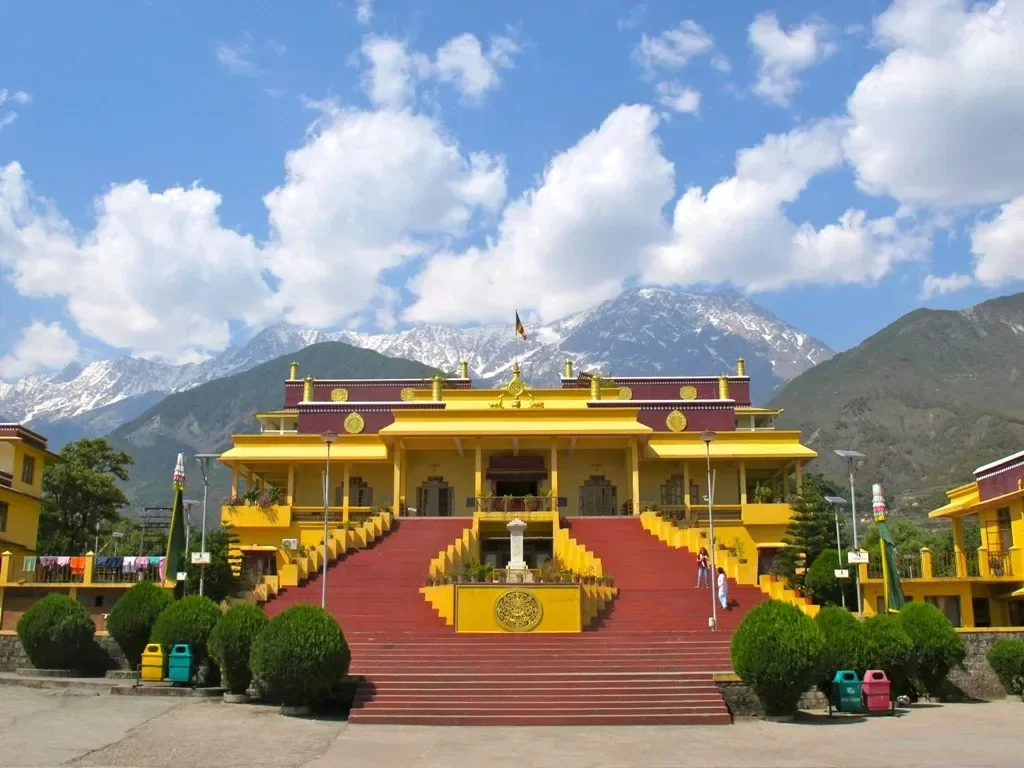
Namgyal Monastery is one of the most spiritually significant sites in McLeod Ganj, offering visitors a rare opportunity to experience the living traditions of Tibetan Buddhism. As the personal monastery of His Holiness the Dalai Lama, it holds immense importance for practitioners, scholars, and travelers seeking meaningful spiritual insight.
Atmosphere: The monastery exudes a calm and contemplative atmosphere, enriched by the sound of monks chanting, the spinning of prayer wheels, and the presence of incense. The surrounding Himalayan views and the quiet discipline of monastic life create a deeply peaceful environment.
What Makes it Special: What sets Namgyal Monastery apart is its close association with the Dalai Lama and its role as the largest Tibetan Buddhist learning institution outside Tibet. Visitors can observe traditional debates, prayer rituals, and monastic education, making it a unique place to understand authentic Tibetan Buddhist practice.
History of Namgyal Monastery
Namgyal Monastery was originally founded in 1564 in Tibet by the Third Dalai Lama and has long served as the personal monastery of the Dalai Lamas. Following the Tibetan exile in 1959, the monastery was re-established in McLeod Ganj, Dharamshala, alongside the residence of His Holiness the 14th Dalai Lama.
The monastery functions as a premier center for advanced Tibetan Buddhist studies, specializing in ritual practices, philosophy, and monastic debate. It plays a central role in preserving and transmitting core teachings of Tibetan Buddhism, particularly those related to the Gelug tradition.
Over the decades, Namgyal Monastery has grown into the largest Tibetan monastic institution outside Tibet. Its continued operation as an active learning and ritual center reflects its enduring importance in maintaining spiritual continuity for the Tibetan community in exile.
Best Time to Visit Namgyal Monastery
Namgyal Monastery can be visited throughout the year, but the experience is most rewarding during seasons with pleasant weather and clear views of the surrounding mountains. The monastery’s open courtyards and prayer halls are best enjoyed when climate conditions are comfortable.
- March to June: One of the best periods to visit, offering mild temperatures and clear skies. This season is ideal for observing daily prayers and exploring the Tsuglagkhang Complex comfortably.
- July to September: Monsoon months bring lush greenery but also frequent rainfall. While the monastery remains open, outdoor movement may be limited, and visitors should plan accordingly.
- October to November: Excellent time to visit with cool weather, fewer crowds, and clear post-monsoon views. The peaceful atmosphere enhances meditation and observation.
- December to February: Winter months are colder, especially in the mornings. Visitor numbers are lower, making it suitable for those seeking a quiet and reflective experience.
- Best Time of Day: Morning hours are ideal to witness prayer rituals and monastic activities, while late afternoons offer a calmer environment.
How to Reach Namgyal Monastery
- By Air: Kangra Airport (Gaggal) is the nearest airport, located approximately 18 km from Namgyal Monastery. It has regular domestic flights from Delhi. From the airport, taxis are easily available, and the drive to McLeod Ganj takes about 45–60 minutes depending on traffic and weather.
- By Train: Pathankot Junction is the nearest major railway station, around 90 km away. It is well connected to Delhi, Amritsar, and Jammu. From Pathankot, visitors can hire a taxi or take a state-run or private bus to Dharamshala, followed by local transport to McLeod Ganj.
- By Road: Dharamshala and McLeod Ganj are well connected by road to major cities such as Delhi, Chandigarh, and Shimla. Regular HRTC and private buses operate to Dharamshala. From Dharamshala city, McLeod Ganj is about 10 km uphill and easily accessible by taxi or local bus.
- Local Access: Namgyal Monastery is located within the Tsuglagkhang Complex, about 1 km from McLeod Ganj main square. Visitors can reach it on foot via a short uphill walk or by local taxi and auto-rickshaw.
What to Expect When You Visit Namgyal Monastery
- Living Monastic Environment: Visitors can expect to witness an active monastic setting where monks engage in daily prayers, study sessions, and traditional debates, offering an authentic glimpse into Tibetan Buddhist life.
- Prayer Halls & Rituals: The monastery’s prayer halls resonate with chanting, the sound of drums, and the blowing of horns during scheduled rituals. Silence and respectful behavior are expected, especially during prayer times.
- Spiritual Calm: The atmosphere is peaceful and contemplative, enhanced by prayer wheels, incense, and views of the surrounding Dhauladhar range. Many visitors find the setting ideal for quiet reflection.
- Cultural Insight: Visitors may observe traditional Tibetan Buddhist practices, symbolic artwork, and monastic discipline, helping them better understand the philosophy and daily routines of the monks.
- Short, Meaningful Visit: The monastery can be explored comfortably within a short time, making it suitable for visitors who want a spiritually enriching experience without extensive walking.
Important Visitor Information
- Crowd & Weather Notes: Namgyal Monastery generally maintains a calm and disciplined atmosphere. Crowds are moderate during peak tourist seasons (April–June, September–October) and during special prayer sessions. Weather can be cool year-round due to its elevation; winters are cold and summers are pleasantly mild.
- Peak / Quiet Hours: Peak hours are usually between 10:00 AM and 1:00 PM when visitors arrive after morning prayers. Early mornings (7:00–9:00 AM) and late afternoons (4:00–6:00 PM) are quieter and ideal for peaceful exploration.
- Dress Code: Modest attire is strongly recommended. Visitors should wear clothes covering shoulders and knees as a sign of respect. Remove shoes before entering prayer halls and avoid wearing caps or hats indoors.
- Safety Notes: The monastery is safe and well-maintained. Maintain silence inside prayer areas, follow monastery guidelines, and avoid touching sacred objects without permission. Be cautious on stairways, especially during winter or after rain.
Photography and Viewpoint
- Photography Guidelines: Photography is generally allowed in the outer ????? (courtyards), monastery exteriors, and surrounding viewpoints. However, photography inside prayer halls and during ongoing rituals is usually restricted. Always observe signboards and seek permission if unsure.
- Best Photography Spots: The monastery terrace and open areas offer striking views of McLeod Ganj, the Dhauladhar mountain range, and surrounding pine forests. The rows of prayer wheels, monks in traditional robes, and colorful Tibetan murals provide authentic cultural frames.
- Best Time for Photos: Early morning light (around 7:00–9:00 AM) creates soft, golden tones ideal for architectural and landscape shots. Late afternoon offers dramatic mountain backdrops, especially on clear days.
- Viewpoint Experience: From the monastery complex, visitors can enjoy serene panoramic views overlooking Dharamshala and the lush Kangra Valley. The elevated setting enhances the sense of calm and spiritual isolation.
- Tips for Visitors: