Quick Facts About Naggar Castle
| Entry Fee | Paid |
| Timings | 09:00 - 18:00 |
| Altitude (m) | 1760 |
| Ideal Visit Duration (hrs) | 2 |
| Best Time of Day | Morning |
| Crowd Level | Moderate |
| Distance from Manali (km) | 20 |
| Walking Difficulty | Moderate |
| Parking Available | Yes |
| Last Mile Access | Walk |
| Suitable for Kids | Yes |
| Suitable for Seniors | Yes |
| Wheelchair Friendly | No |
Why Visit Naggar Castle
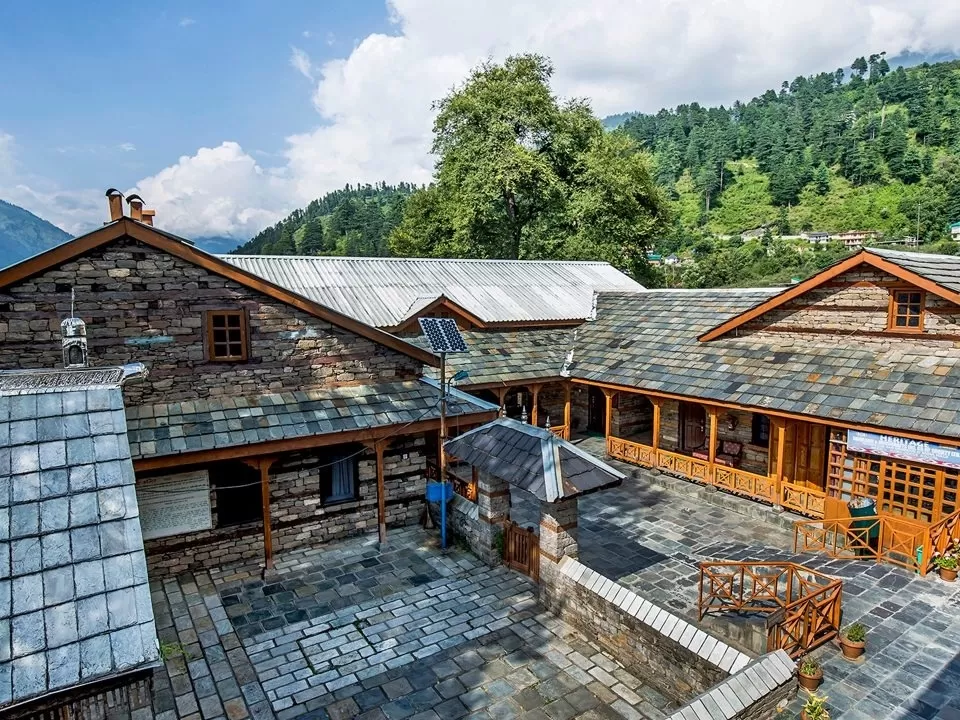
Naggar Castle is worth visiting for its combination of historic architecture and open valley views rather than for interactive exhibits or guided tours. The structure reflects traditional Himachali building techniques using stone, wood, and slate, giving a clear sense of how regional fortifications were designed for both residence and defense.
The atmosphere inside the castle is quiet and steady, especially compared to busier attractions in Manali. Sounds are limited to footsteps, wind, and occasional voices from the courtyard. Early hours feel calm, while midday sees moderate tourist movement without feeling overcrowded.
What makes Naggar Castle special is its location and layout. Positioned on a ridge above the Kullu Valley, it offers unobstructed views of the Beas River and surrounding mountains. Unlike many restored forts, the castle retains much of its original structure, allowing visitors to experience an authentic historical setting rather than a fully modernized monument.
Historical Background
Naggar Castle was built in the early 15th century by Raja Sidh Singh, the ruler of the Kullu kingdom, and served as the royal residence for several generations. Its hilltop position was chosen for visibility and control over the Kullu Valley trade routes, as well as for natural defense.
The castle is a strong example of traditional Kath Kuni architecture, a regional construction style that uses interlocking wooden beams and stone without cement. This technique helped the structure withstand earthquakes and harsh mountain weather, which is why much of the original building remains intact today.
When the Kullu royal capital later shifted to Sultanpur, the castle lost its political role and gradually fell out of use. In the 20th century, parts of the building were restored and adapted for public access and heritage stays, allowing visitors to experience the space while preserving its original layout and materials.
Best Time to Visit Naggar Castle
Naggar Castle can be visited throughout the year, but weather conditions influence visibility and walking comfort. The best time depends on whether you prefer clear valley views, mild temperatures, or quieter surroundings.
Spring and summer months from March to June offer the most stable conditions, with clear skies and comfortable daytime temperatures. Winter brings fewer visitors but colder weather and occasional snowfall, which can affect access roads.
- March to June: Best for clear views, pleasant weather, and easy road access
- July to September: Green surroundings but frequent rain and reduced visibility
- October to November: Crisp air, fewer crowds, and clear mountain views
- December to February: Very quiet period with cold temperatures and occasional snow
How to Reach Naggar Castle
- Naggar Castle is located in Naggar town, about 20 km south of Manali, on the Manali–Naggar road.
- From Manali, taxis and private vehicles can reach Naggar in approximately 45 to 60 minutes, depending on traffic.
- Local buses running between Manali and Naggar operate frequently. From the Naggar bus stop, the castle is a short uphill walk.
- The final approach involves walking on a paved but inclined path with steps leading to the castle entrance.
- Roads are generally accessible year-round, though winter snowfall may slow travel times.
What to Expect When You Visit Naggar Castle
- A well-preserved stone and wood structure with narrow corridors, low doorways, and uneven floors typical of Kath Kuni architecture.
- Open courtyards, balconies, and terraces offering clear views over the Kullu Valley and the Beas River below.
- Quiet interiors with minimal signage. Exploration is mostly self-guided, with limited written explanations of rooms.
- A mix of public museum-style areas and sections operated as a heritage hotel, clearly separated for visitors.
- Moderate foot traffic during the day, with enough space to move around without congestion.
- Basic amenities such as restrooms and a small cafe nearby, but no large commercial setup inside the monument.
Important Visitor Information
- Crowd & Weather Notes: Naggar Castle experiences moderate crowds during peak tourist seasons (April–June and September–October). Summers are pleasant with clear skies, while winters can be cold with occasional snowfall making paths slippery.
- Peak / Quiet Hours: Peak visiting hours are between 11:00 AM and 3:00 PM when day tourists arrive from Manali and Kullu. Early mornings (9:00–10:30 AM) and late afternoons (after 4:00 PM) are quieter and ideal for relaxed exploration.
- Dress Code: There is no strict dress code, but modest and comfortable clothing is recommended. Carry warm layers even in summer due to mountain winds, and wear non-slip footwear for stone pathways.
- Safety Notes: The castle structure is well-maintained, but visitors should be cautious on steep staircases and open balconies. Elderly visitors should take support while climbing, and children should be supervised near viewpoints.
Photography and Viewpoints
- Best Viewpoints: Naggar Castle offers sweeping panoramic views of the Kullu Valley and the Beas River from its open courtyards and upper balconies. The western-facing terraces are especially popular for valley-wide shots.
- Golden Hour Photography: Early morning and late afternoon provide the best natural light. Sunrise softly illuminates the surrounding deodar forests, while sunset creates dramatic golden hues over the snow-capped peaks in the distance.
- Architectural Details: The castle’s traditional Kath-Kuni architecture—stone walls interlocked with wooden beams—makes for excellent close-up and detail photography, particularly doors, windows, and carved balconies.
- Landscape & Portrait Shots: The combination of historic stone structures, wooden interiors, and expansive Himalayan backdrops makes this spot ideal for travel portraits and cultural photography.
- Photography Tips: Tripods are generally allowed for personal use, but space can be limited during peak hours. A wide-angle lens works best for landscapes, while a standard lens is ideal for architectural elements.