+91 9910402252
admin@chalbanjare.com


| Entry Fee | Free |
| Timings | 09:00 - 17:00 |
| Altitude (m) | 1500 |
| Ideal Visit Duration (hrs) | 2 |
| Best Time of Day | Morning |
| Crowd Level | Moderate |
| Distance from McLeod Ganj (km) | 2.5 |
| Walking Difficulty | Easy |
| Parking Available | Yes |
| Last Mile Access | Road |
| Suitable for Kids | Yes |
| Suitable for Seniors | Yes |
| Wheelchair Friendly | Yes |
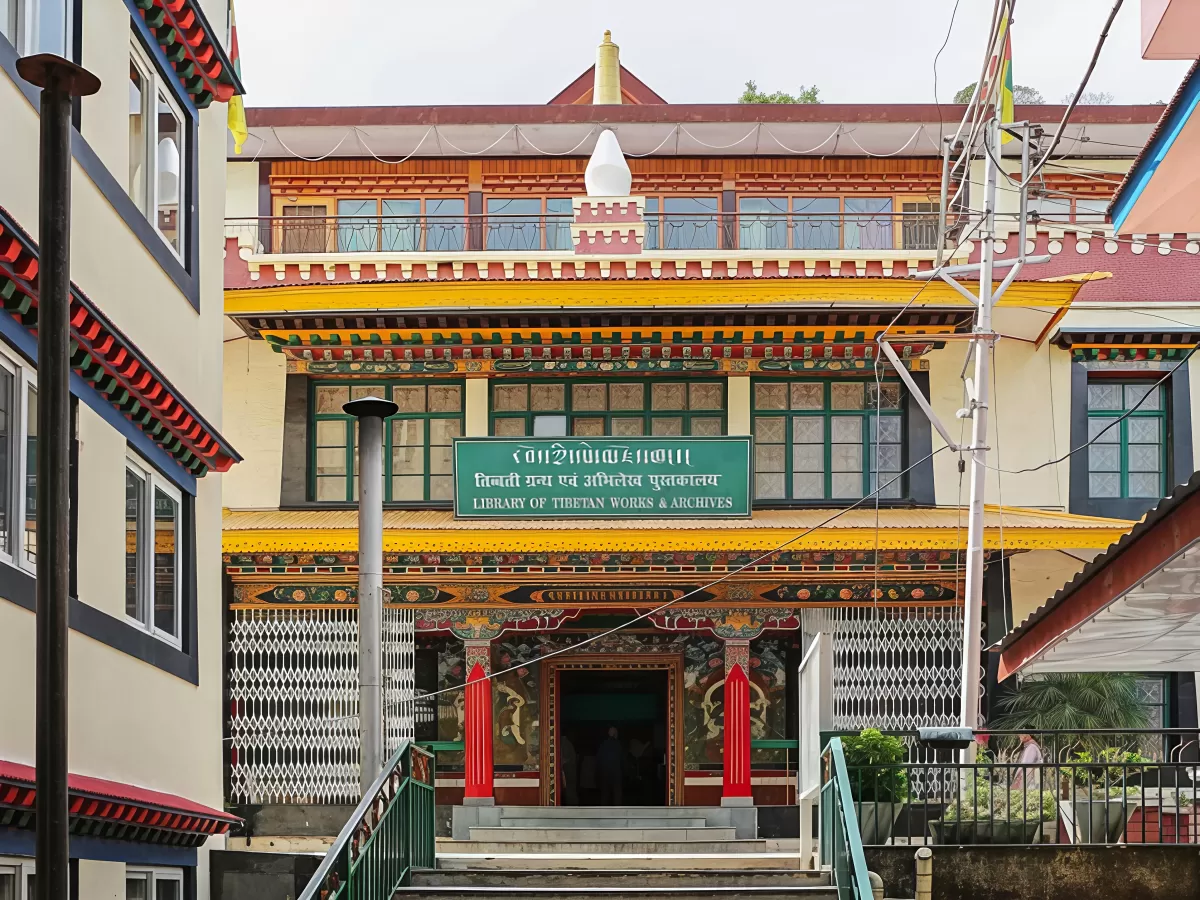
The Library of Tibetan Works and Archives is an essential visit for anyone interested in Tibetan culture, history, and philosophy. This cultural hub not only preserves rare texts and manuscripts but also serves as a center for Tibetan studies and spiritual growth.
Atmosphere: The atmosphere is calm and contemplative, with a serene environment ideal for reflection and learning. The architecture of the library, set against the backdrop of the Dhauladhar mountain range, creates a peaceful ambiance perfect for those seeking a deeper connection with Tibetan heritage.
What Makes it Special: The library houses one of the most extensive collections of Tibetan manuscripts, including ancient texts, scriptures, and rare Buddhist writings. It is also the birthplace of many cultural and educational initiatives that have helped preserve Tibetan traditions. The presence of exhibitions, lectures, and events makes it a vibrant educational space, allowing visitors to learn more about Tibetan philosophy, religion, and art.
The Library of Tibetan Works and Archives (LTWA) was established in 1970 by the 14th Dalai Lama in Dharamshala, India. The institution was created with the mission to preserve, promote, and study Tibetan culture, history, and religious teachings, which have faced significant disruption due to the Tibetan diaspora and the Chinese occupation of Tibet.
In its early years, the LTWA focused on gathering Tibetan manuscripts and rare texts that were being displaced due to the political unrest in Tibet. It soon became a crucial center for Tibetan scholars and exiles who were trying to preserve and pass on their cultural heritage. The library serves as an invaluable resource for those interested in Tibetan Buddhist philosophy, literature, and history.
Today, the LTWA remains one of the most important cultural institutions in the Tibetan exile community, with extensive archives, manuscripts, and ongoing educational programs. It is not just a library, but a place of knowledge sharing and intellectual exchange, providing a platform for research, teaching, and the preservation of Tibetan traditions.
The best time to visit the Library of Tibetan Works and Archives is during the cooler months, from March to June and September to November, when the weather in Dharamshala is pleasant and conducive for exploration. During these months, the library is less crowded, and the environment remains calm, perfect for those looking to explore Tibetan culture in peace.
Avoid the peak monsoon season (July–August), when the region experiences heavy rainfall, making the area more slippery and less comfortable for walking. Winters (December to February) can be chilly, but the weather is clear and crisp, offering a serene atmosphere for reflection.
 Temple
Bethu Ki Ladi Temple is a local Hindu temple located in Dharamshala, Himachal Pradesh, known for its religious significance and peaceful hill surroundings.
 Temple
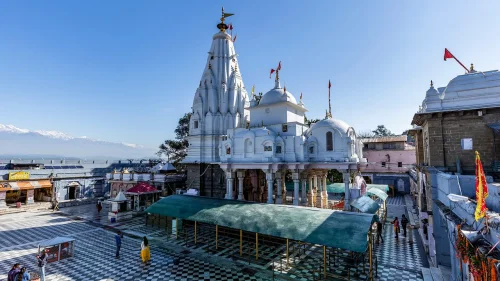
Brajeshwari Devi Temple is a prominent Hindu temple dedicated to Goddess Brajeshwari, located in Kangra near Dharamshala in Himachal Pradesh.
 Temple
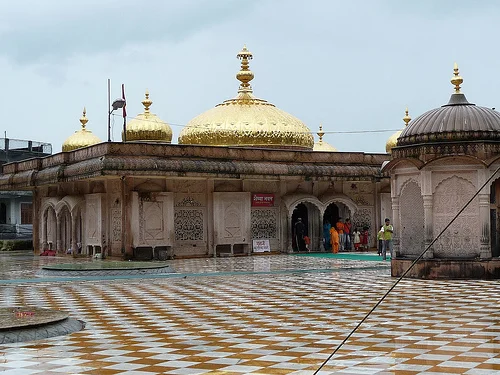
Jwala Ji (Jwalamukhi) Temple is a revered Hindu temple dedicated to Goddess Jwalamukhi, located in Kangra district of Himachal Pradesh and recognized as one of the important Shakti Peethas in India.
Get customized Himachal Pradesh tour planning designed around season, road conditions, hill travel pacing, and comfort preferences. Whether you are visiting for snow experiences, mountain landscapes, temple towns, adventure activities, or relaxed valley s
⚡ Quick Response | 💰 Free consultation | 🕒 24×7 expert support

