Kullu Valley, Himachal Pradesh

Kullu Valley , Manali
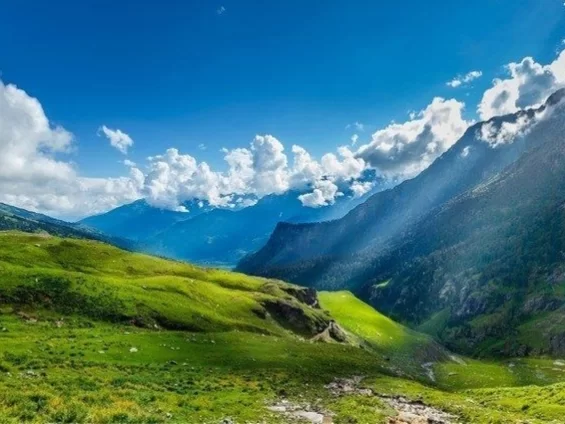
Kullu Valley stretches along the Beas River between Mandi and Manali and forms the cultural and geographic heart of the Kullu region. The valley is defined by terraced fields, pine forests, small towns, and steady mountain life rather than a single viewpoint or monument. It is experienced through drives, village stops, temples, and seasonal changes rather than a fixed attraction.

Quick Facts About Kullu Valley

Entry Fee Free
Timings Open 24 Hours
Altitude (m) 1300
Ideal Visit Duration (days) 3
Best Time of Day Morning
Crowd Level Moderate
Distance from Kullu (km) 0
Walking Difficulty Easy
Parking Available Yes
Last Mile Access Car
Suitable for Kids Yes
Suitable for Seniors Yes
Wheelchair Friendly No

Why Visit Kullu Valley

Kullu Valley is worth visiting for travelers who want to experience the everyday rhythm of Himalayan life rather than a single tourist attraction. The valley offers a blend of natural scenery, riverside landscapes, farming culture, and traditional settlements spread across a wide geographic area.

Atmosphere: The atmosphere in Kullu Valley is open, calm, and expansive. Flowing along the Beas River, the valley feels spacious compared to higher hill towns, with fresh mountain air, orchards, terraced fields, and a slower pace of life that reflects its rural roots.

What Makes it Special: What sets Kullu Valley apart is its scale and diversity. Instead of one viewpoint or landmark, the entire valley itself is the attraction—offering seasonal changes, local festivals, village interactions, river views, and access to surrounding mountains, making it a base for deeper exploration of Himachal Pradesh.

History of Kullu Valley

Kullu Valley has been inhabited since ancient times due to its fertile land, water availability from the Beas River, and strategic location in the central Himalayas. The valley historically functioned as a settlement corridor rather than a single kingdom center, with villages developing along trade and migration routes.

In early regional records, Kullu was known as Kulanthapitha, mentioned in ancient Indian texts as a land located beyond the main Himalayan ranges. Over centuries, the valley came under the rule of local hill chieftains, most notably the Kullu Rajas, who governed from Naggar before shifting the capital to Sultanpur (modern-day Kullu town).

The valley’s historical importance lies in its role as a cultural and administrative heart of the region, connecting remote mountain communities. Traditional architecture, settlement patterns, and long-standing agricultural practices seen today reflect centuries of continuous habitation shaped by geography rather than monumental construction.

Best Time to Visit Kullu Valley

Kullu Valley is a year-round destination, but seasonal conditions strongly influence scenery, comfort, and travel ease. The valley’s moderate elevation keeps it accessible for most of the year compared to higher Himalayan regions.
  • March to June: Ideal visiting season with mild temperatures, flowering apple orchards, and excellent visibility for sightseeing and outdoor activities.
  • July to September: Monsoon months bring lush green landscapes and fuller rivers, though occasional rain and road disruptions can occur.
  • October to November: Clear skies, crisp air, and fewer tourists make this a peaceful time for exploring villages and scenic drives.
  • December to February: Winter offers quiet surroundings with snowfall in nearby higher regions; the valley itself remains mostly accessible but cold.
  • Best Time of Day: Early mornings provide clear mountain views, while late afternoons are comfortable for walking and local exploration.

How to Reach Kullu Valley

  • By Air: The nearest airport is Bhuntar Airport (Kullu–Manali Airport), located about 10 km from Kullu town, with regular flights from major cities like Delhi.
  • By Road: Kullu Valley is well connected by road via NH-3. Regular buses and taxis operate from Delhi, Chandigarh, and Shimla to Kullu and nearby towns.
  • By Bus: Himachal Road Transport Corporation (HRTC) runs frequent Volvo and ordinary buses connecting Kullu with major North Indian cities.
  • By Train: The nearest broad-gauge railway station is Chandigarh (approx. 250 km away). From there, travelers continue by road.
  • Local Travel: Taxis, shared cabs, and local buses are available to explore different parts of the valley and nearby villages.

What to Expect When You Visit Kullu Valley

  • Wide valley landscapes with the Beas River flowing alongside roads, villages, and farmlands.
  • A mix of small towns, traditional villages, apple orchards, and terraced fields rather than a single tourist spot.
  • Moderate tourist activity in main areas like Kullu town, with quieter rural pockets a short distance away.
  • Comfortable altitude for most visitors, making it suitable for longer stays without altitude-related discomfort.
  • Seasonal changes in scenery, from flowering orchards in spring to green monsoon landscapes and crisp autumn views.
  • Easy access to nearby attractions, trekking routes, temples, and mountain passes.

Important Visitor Information

  • Crowd & Weather Notes: Kullu Valley experiences moderate crowds year-round, with peak tourist flow during April to June and major festivals. Weather remains generally pleasant, though monsoon months can bring sudden rain and reduced visibility.
  • Peak / Quiet Hours: Peak activity is typically from late morning to early evening in towns and marketplaces. Early mornings and late afternoons are quieter and ideal for sightseeing and photography.
  • Dress Code: Light layers are suitable during spring and summer, while warm clothing is essential in autumn and winter. Comfortable walking shoes are recommended for village paths and local exploration.
  • Safety Notes: Follow road advisories during monsoon due to possible landslides. Stay cautious near riverbanks and during outdoor activities, and respect local guidelines while visiting villages and natural areas.

Photography and Viewpoint

  • Kullu Valley offers wide panoramic photography opportunities, with long stretches of the Beas River framed by terraced fields and mountain slopes.
  • Early morning light highlights mist rising from the river and softens the valley contours, making it ideal for landscape and travel photography.
  • During spring, apple orchards in bloom add color and texture, while autumn brings golden fields and clear mountain backdrops.
  • Multiple roadside pull-offs, bridges, and village paths act as natural viewpoints without the need for designated platforms.
  • Drone photography is restricted in many areas and may require prior permission from local authorities.
  • Photographers should be mindful of private farmland and village spaces and seek consent when photographing people.

Near By Attraction

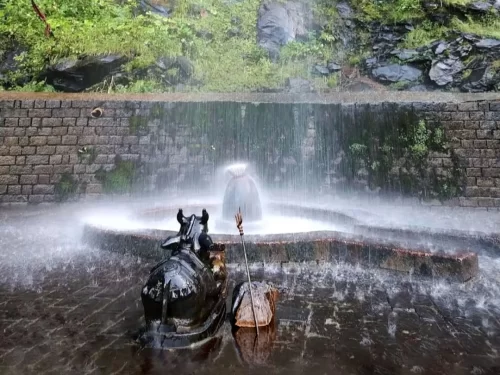
Shri Anjani Mahadev Mandir in Manali, Himachal Pradesh, featuring a natural Shiva lingam beneath cascading waterfall water with a Nandi statue in the foreground, a revered spiritual site included in Himachal Pradesh tour packages. Temple

Shri Anjani Mahadev Mandir

Shri Anjani Mahadev Mandir is a revered ancient Shiva temple near Manali, known for its naturally forming ice Shivling and stunning mountain surroundings.
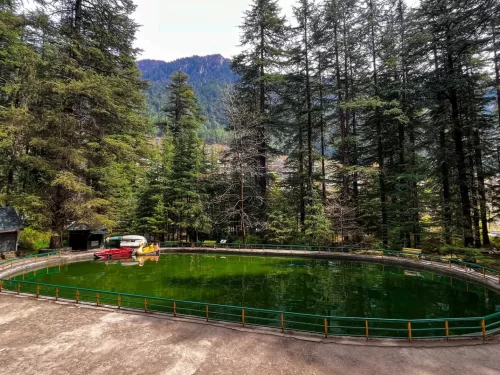
Boating at Van Vihar lake Manali during clear day, featuring green pool deodar trees and mountain backdrop, perfect romantic experience Himachal Pradesh tour package. Wildlife Sanctuary

Van Vihar National Park

Van Vihar National Park is a serene green park in Manali, famous for tall deodar trees, scenic walking trails, and riverside views.

Vibrant colonial buildings on Mall Road Shimla during dawn, featuring shops, clock tower, deodar trees, perfect shopping stroll, Himachal Pradesh tour packages. Market / Bazaar

Manali Mall Road

Mall Road Manali is the most vibrant and popular street in Manali, known for shopping, cafes, local culture, and stunning mountain vibes.

Frequently Asked Questions About Kullu Valley

Kullu Valley is located in Himachal Pradesh along the Beas River between Manali and Mandi. The valley stretches across scenic mountain landscapes and small towns.
Kullu Valley can be reached by road from Manali Chandigarh and Delhi while the nearest airport is Bhuntar Airport near Kullu town. Regular buses and taxis connect the valley to major cities in Himachal Pradesh.
The best time to visit Kullu Valley is from March to June for pleasant weather and from September to November for clear mountain views. Winter months bring colder temperatures and occasional snowfall in higher areas.
Kullu Valley offers activities such as river rafting trekking paragliding camping and sightseeing. Adventure sports are commonly organized along the Beas River and nearby hills.
Kullu Valley is suitable for family vacations as it provides a mix of nature sightseeing temples and light adventure options. Families can plan relaxed stays in towns like Kullu and nearby Manali.
There are numerous hotels resorts homestays and guest houses in Kullu Valley ranging from budget to mid range properties. Accommodation is available in Kullu town as well as surrounding villages.
Kullu Valley has essential facilities including transport services local markets medical centers and guided tour operators. Larger amenities are concentrated around Kullu town and Manali.
Most travelers spend two to four days exploring Kullu Valley depending on planned activities and nearby excursions. It is often combined with trips to Manali Solang Valley and Kasol.
Kullu Valley remains accessible during winter though heavy snowfall can affect roads to higher altitude areas. Checking local weather updates before traveling within Himachal Pradesh is advisable.
Travelers planning a trip to Kullu Valley should carry layered clothing as temperatures can vary throughout the day. Booking transport and adventure activities through authorized operators ensures smoother travel.

Loved this place ? Let’s Plan Your Himachal Pradesh Trip

Get customized Himachal Pradesh tour planning designed around season, road conditions, hill travel pacing, and comfort preferences. Whether you are visiting for snow experiences, mountain landscapes, temple towns, adventure activities, or relaxed valley s

⚑ Quick Response | πŸ’° Free consultation | πŸ•’ 24Γ—7 expert support

×

Plan Your Trip