Kangra Fort – Historic Fortress with Majestic Views in Himachal Pradesh

Kangra Fort , Dharamshala
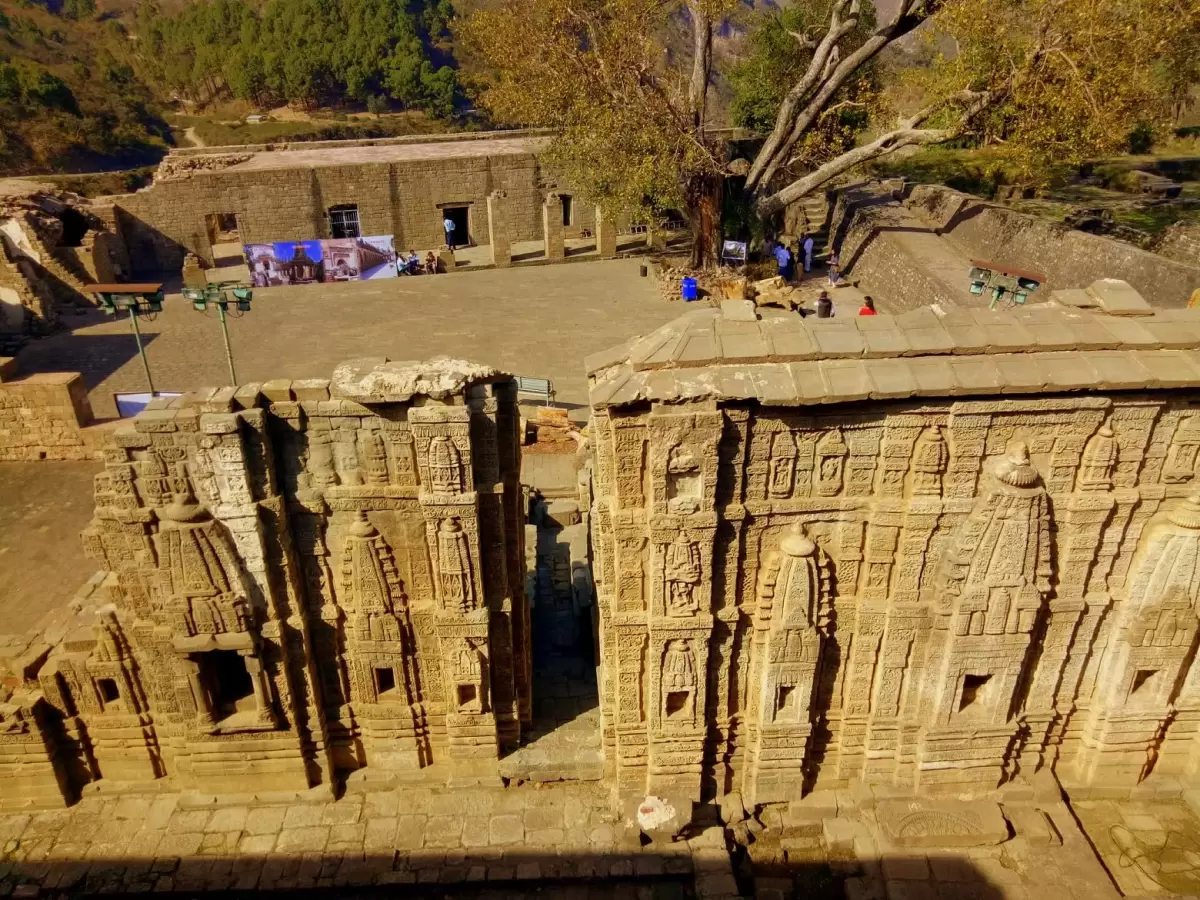
Kangra Fort, situated near the town of Kangra in Himachal Pradesh, is a massive hill fort dating back to ancient times. It stands as a testament to the architectural brilliance and military importance of the region throughout history. The fort has been a strategic military stronghold, having witnessed numerous battles, including invasions by the Mughals and the Sikhs. Visitors can explore its grand gates, ancient temples, and stunning panoramic views of the surrounding valleys and the Dhauladhar mountain range. The fort\'s archaeological remains and cultural significance make it a must-visit for history buffs and adventure seekers alike.

Quick Facts About Kangra Fort

Entry Fee INR 20
Timings 09:00 - 18:00
Altitude (m) 700
Ideal Visit Duration (hrs) 3
Best Time of Day Morning
Crowd Level High
Distance from Kangra (km) 3
Walking Difficulty Moderate
Parking Available Yes
Last Mile Access Walk
Suitable for Kids Yes
Suitable for Seniors Yes
Wheelchair Friendly No

Why Visit Kangra Fort

Kangra Fort is a must-visit for history enthusiasts and those who love exploring ancient fortifications. Located in the picturesque Kangra Valley, this fort offers a captivating insight into the region's military history and strategic importance. As one of the oldest forts in India, it invites visitors to explore its ancient gates, temples, and ruins while experiencing the magnificent views of the Dhauladhar mountains and Kangra Valley.

Atmosphere: The atmosphere at Kangra Fort is peaceful and reflective, allowing visitors to step back in time and imagine the fort's former grandeur. Surrounded by lush greenery and towering mountains, the fort offers a serene environment perfect for those who enjoy quiet walks and photography. The blend of ancient architecture with natural beauty makes the fort a unique cultural experience.

What Makes it Special: Kangra Fort stands out for its historical significance and its association with the ancient Katoch dynasty, who ruled the region for centuries. The fort is a symbol of resilience, having withstood multiple invasions throughout history, including by the Mughals and the Sikhs. The impressive gateways, intricate carvings, and the temples within the fort complex make it a fascinating place for visitors interested in architecture, history, and culture.

History of Kangra Fort

Kangra Fort, one of the oldest forts in India, has a history that dates back to ancient times. It was originally constructed by the Katoch dynasty, the rulers of Kangra, around the 4th century. Over the centuries, the fort has undergone multiple expansions and renovations, influenced by the ruling powers of the time. Its strategic location on a hilltop made it a formidable military stronghold, guarding the entrance to the Kangra Valley.

The fort has witnessed numerous battles and invasions. It was attacked by several Mughal emperors, most notably by Emperor Akbar in the 16th century. Despite facing multiple attacks, the fort was a key symbol of resistance and held its ground for centuries. However, in the early 19th century, the fort was finally captured by the forces of Maharaja Ranjit Singh, marking the end of its military significance.

Kangra Fort played a crucial role in the region's political and military history and served as the seat of the Katoch kings for many years. Today, the fort stands as a testament to the region's rich past, with its ruins offering a glimpse into its glorious history. The fort's design, architecture, and strategic location are reminders of the incredible resilience and power of the rulers who once held it.

Best Time to Visit Kangra Fort

The best time to visit Kangra Fort is during the cooler months of the year, from October to March. The weather is pleasant and ideal for exploring the fort and surrounding areas. Summer months (April to June) can be quite hot, making the climb to the fort and the exploration less comfortable. The monsoon season (July to September) is best avoided due to the risk of slippery paths and heavy rains.

  • October to March: Ideal for visiting due to pleasant weather and clear skies
  • Summer (April–June): Can get hot, not recommended for daytime visits
  • Monsoon (July–September): Avoid visiting during the rainy season due to slippery paths

How to Reach Kangra Fort

  • By Air: The nearest airport to Kangra Fort is Kangra Airport (Gaggal), located about 15 km from Kangra town. From the airport, you can hire a taxi or take a local bus to reach the fort.
  • By Train: The nearest major railway station is Kangra Railway Station, located around 4 km from the fort. You can hire a taxi or walk to the fort from the station. Alternatively, the more well-connected Pathankot Railway Station (about 90 km away) offers better connectivity.
  • By Road: Kangra is well-connected by road, and buses run regularly from nearby towns like Dharamshala, Palampur, and even Delhi. From the Kangra bus station, you can easily reach the fort via a short taxi ride or on foot.
  • Local Access: Once in Kangra town, the fort is just 3 km away from the city center. You can easily reach it by taxi or a short walk up the hill.

What to Expect When You Visit Kangra Fort

  • Ancient Architecture: Expect to see remnants of ancient architecture, with impressive gates, temples, and intricate carvings that reflect the fort's historical significance and strategic importance. The fort's design is a blend of military and cultural influences.
  • Stunning Views: From the fort’s vantage point, you can enjoy panoramic views of the Kangra Valley, lush greenery, and the towering Dhauladhar mountain range. The landscape is especially beautiful during the early morning and late afternoon hours.
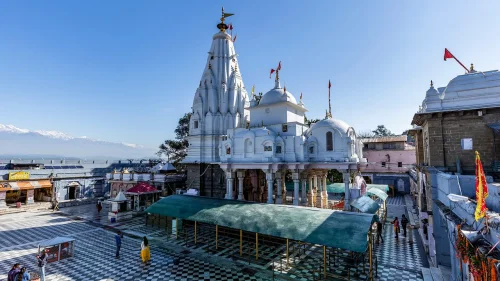
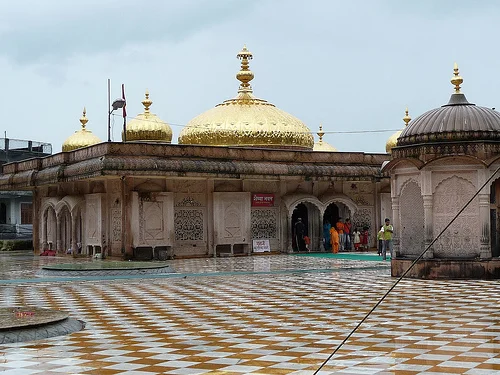
  • Ruins and Temples: The fort houses several temples dedicated to Hindu deities, along with ruins that tell the story of its past. While walking through the fort, you'll pass by historical remnants that speak of battles and regal lifestyles from centuries ago.
  • Peaceful Environment: The fort provides a peaceful escape from the bustling town of Kangra. The serene atmosphere is perfect for quiet reflection, photography, or simply immersing yourself in history.
  • Exploration and Hiking: The trek to the fort can be a bit steep, but it’s manageable. Expect to enjoy a bit of outdoor exercise while exploring the fort’s many levels, gates, and structures. The walk up to the fort also allows for beautiful views along the way.
  • Historical Insights: The fort’s museum and informational boards provide fascinating details about the fort’s past, its importance in regional history, and its role in various battles. You can expect to learn about the Katoch dynasty and the fort’s strategic military significance.

Important Visitor Information for Kangra Fort

  • Crowd & Weather Notes: The fort is moderately crowded, especially during peak tourist seasons (October to March). To avoid crowds, consider visiting early in the morning or later in the afternoon. Weather can be hot during summers, so it’s advisable to visit during cooler months. Monsoon season (July–September) is best avoided due to slippery paths.
  • Peak / Quiet Hours: Peak hours are usually between 11:00 AM and 3:00 PM. The best time to visit for a quieter experience is early morning (9:00 AM to 11:00 AM) or late afternoon (4:00 PM onwards).
  • Dress Code: There is no specific dress code, but comfortable clothing and shoes are recommended, especially since the terrain may require some walking. Since the fort is an open-air site, be prepared for the sun, and carry a hat or sunglasses. During the winter months, it can get cold, so dressing in layers is a good idea.
  • Safety Notes: While the fort is generally safe to explore, it’s important to stay on the marked paths as some parts of the fort can be steep or uneven. Carry sufficient water, especially in summer, as there are limited food and water facilities on-site. Avoid visiting during heavy rain or storms, as the paths can become slippery.

Photography and Viewpoint at Kangra Fort

  • Scenic Views: Kangra Fort offers breathtaking panoramic views of the Kangra Valley and the Dhauladhar mountain range. The expansive views from the fort's higher levels are ideal for landscape photography. Capture the valley’s lush green landscapes, especially during the morning and late afternoon when the light is soft and golden.
  • Architectural Photography: The fort’s architecture, including its gateways, temples, and old structures, offers excellent opportunities for architectural photography. The blend of military design and traditional Indian temple architecture adds a unique visual appeal.
  • Best Time for Photography: Early morning and late afternoon are the best times for photography, as the lighting is ideal for both architectural and landscape shots. The golden hour light enhances the fort's rugged beauty and the vibrant landscape around it. Cloudless days offer the best visibility and crisp views of the mountains.
  • Wildlife and Nature Shots: The fort’s surroundings, particularly the lush terrain and nearby hills, make it a great spot for nature and wildlife photography. If you're lucky, you may spot birds or other wildlife, especially early in the morning. Be sure to capture the beauty of the flora and fauna around the fort.
  • Indoor Photography: Inside the fort, the ancient carvings, sculptures, and historical remnants provide ample material for close-up photography. The temple within the fort complex also offers unique shots with its intricate artwork and peaceful ambiance.
  • Photography Tips: Bring a wide-angle lens to capture the vast landscapes and architectural features. For detailed shots of carvings or temple interiors, a macro lens will be useful. A tripod is recommended for low-light conditions, particularly during the early morning or late evening. Always be respectful of the site’s cultural and historical significance while taking photos.

Near By Attraction

Masroor Rock-Cut Temple near Dharamshala featuring ancient monolithic stone temples carved from rock, reflected in a green water tank with clear blue sky above. Historical Site

Masroor Rock-cut Temple

The Masroor Rock-cut Temple is a stunning ancient temple complex carved directly into rock, located in the Kangra Valley of Himachal Pradesh.

Kangra Art Museum in Dharamshala featuring a grand yellow and maroon building with wide red staircases, decorative emblem at the entrance, and snow-capped Dhauladhar mountains in the background. Museum

Kangra Art Museum

The Kangra Art Museum is a vibrant cultural space in Dharamshala dedicated to preserving and showcasing the unique art and heritage of the Kangra Valley.

The Tibet Museum in Dharamshala featuring a grand Tibetan-style building with golden rooftops, red facade, wide staircase lined with flowers, and visitors at the entrance under a blue sky. Museum

The Tibet Museum

The Tibet Museum in Dharamshala offers a deep insight into the rich cultural heritage and history of Tibet through captivating exhibits and displays.

Frequently Asked Questions About Kangra Fort

The best time to visit Kangra Fort, Kangra is from October to March when the weather is cooler and comfortable for walking. Summer afternoons in Kangra Himachal Pradesh can be quite warm.
Kangra Fort, Kangra is generally open during standard daytime hours and remains closed on certain public holidays. Visitors should confirm the weekly closing day before planning their visit in Kangra Himachal Pradesh.
Kangra Fort, Kangra charges an entry fee for visitors with separate rates for Indian and foreign tourists. Audio guides may be available for an additional charge.
Kangra Fort, Kangra is located about 3 kilometers from Kangra town center and can be reached by taxi auto or private vehicle. It is around 20 kilometers from Dharamshala Himachal Pradesh.
Most visitors spend around one to two hours exploring Kangra Fort, Kangra. The visit includes walking through multiple gates temples and viewing points.
Kangra Fort, Kangra involves walking on uneven stone pathways and climbing steps. Elderly visitors in Kangra Himachal Pradesh should move carefully and wear supportive footwear.
Photography is generally allowed at Kangra Fort, Kangra for personal use. Visitors should follow site regulations and avoid restricted areas.
Parking is available near the entrance of Kangra Fort, Kangra with space for private vehicles. During peak tourist season in Kangra Himachal Pradesh availability may vary.
Kangra Fort, Kangra can be visited during summer but early morning or late afternoon visits are more comfortable. Carrying water is advisable due to open exposure in Kangra Himachal Pradesh.
Kangra Fort, Kangra can be combined with visits to Masroor Rock Cut Temple and Brajeshwari Temple. These attractions are located within driving distance in Kangra Himachal Pradesh.

Loved this place ? Let’s Plan Your Himachal Pradesh Trip

Get customized Himachal Pradesh tour planning designed around season, road conditions, hill travel pacing, and comfort preferences. Whether you are visiting for snow experiences, mountain landscapes, temple towns, adventure activities, or relaxed valley s

⚡ Quick Response | 💰 Free consultation | 🕒 24×7 expert support

×

Plan Your Trip