Quick Facts About Himalayan Nyinmapa Buddhist Monastery
| Entry Fee | Free |
| Timings | 06:00 - 19:00 |
| Altitude (m) | 2050 |
| Ideal Visit Duration (hrs) | 1 |
| Best Time of Day | Morning |
| Crowd Level | Low |
| Distance from Manali (km) | 3 |
| Walking Difficulty | Easy |
| Parking Available | Yes |
| Last Mile Access | Car |
| Suitable for Kids | Yes |
| Suitable for Seniors | Yes |
| Wheelchair Friendly | No |
Why Visit Himalayan Nyinmapa Buddhist Monastery
The Himalayan Nyinmapa Buddhist Monastery is an ideal place for visitors seeking peace, reflection, and a deeper understanding of Tibetan Buddhist traditions while in Manali.
Atmosphere: The monastery offers a calm and meditative atmosphere, with prayer chants, fluttering prayer flags, and quiet courtyards creating a soothing spiritual environment away from tourist crowds.
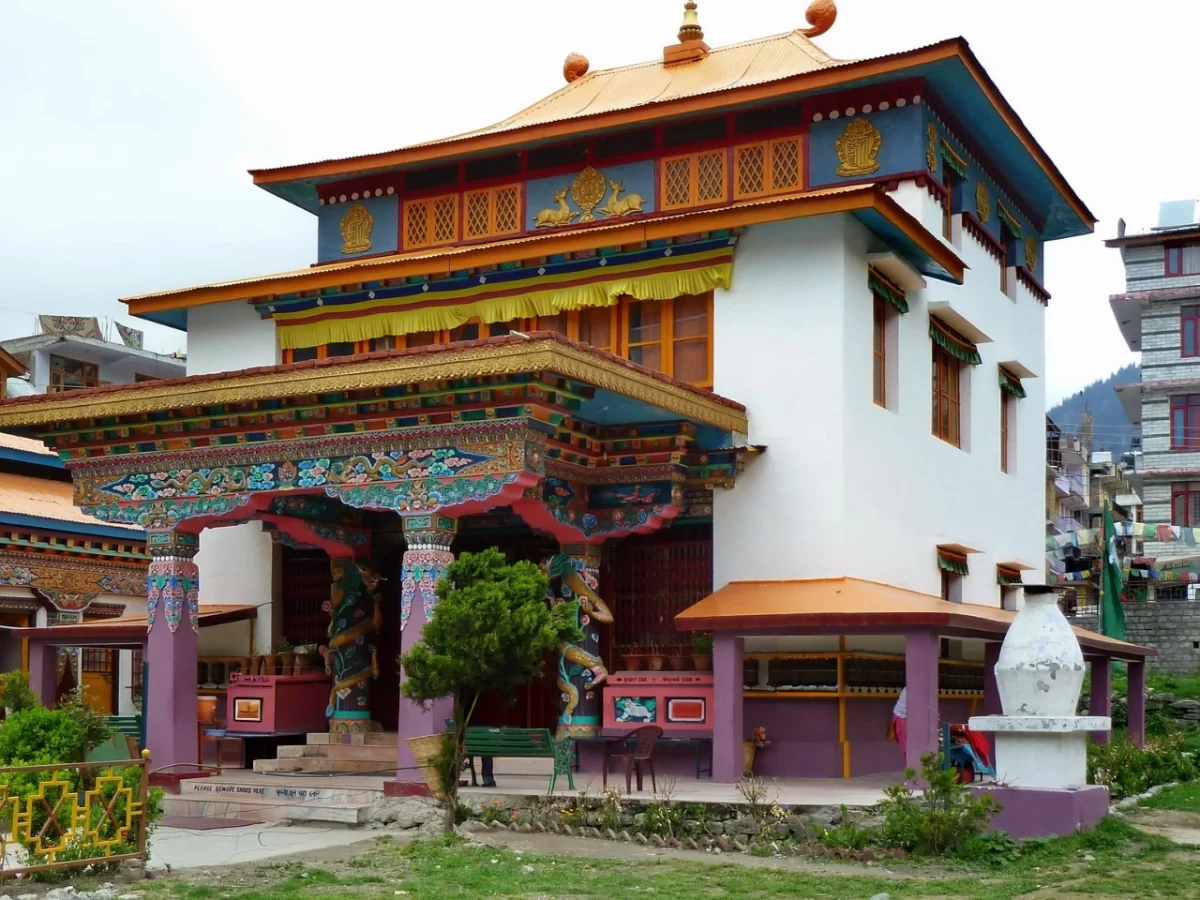
What Makes it Special: Associated with the Nyingma tradition of Tibetan Buddhism, the monastery is known for its colorful murals, traditional prayer halls, and authentic monastic practices. It provides an opportunity to experience living Buddhist culture rather than a purely historical site.
Background and Significance
The Himalayan Nyinmapa Buddhist Monastery follows the Nyingma school, the oldest tradition of Tibetan Buddhism. It was established to serve as a center for spiritual practice, learning, and meditation for monks and followers in the Manali region.
The monastery reflects Tibetan Buddhist principles through its prayer halls, wall paintings, statues, and daily rituals. Monks residing here engage in chanting, study of scriptures, and meditation, keeping traditional practices alive in the Himalayan foothills.
Over time, the monastery has also become a place of quiet spiritual retreat for visitors, offering insight into Buddhist teachings focused on compassion, mindfulness, and inner peace rather than ceremonial tourism.
Best Time to Visit Himalayan Nyinmapa Buddhist Monastery
The Himalayan Nyinmapa Buddhist Monastery can be visited throughout the year, as it remains open in all seasons and offers a peaceful indoor and outdoor environment.
- March to June: Pleasant weather makes this period ideal for visiting and spending time in the monastery surroundings.
- July to September: Suitable during the monsoon season, with fewer visitors and a quieter atmosphere.
- October to February: Winter visits offer a serene experience, though cold temperatures require warm clothing.
- Best Time of Day: Early morning or evening hours provide a calm setting and the chance to observe prayer sessions.
How to Reach Himalayan Nyinmapa Buddhist Monastery
- From Manali Town: The monastery is located about 2.5 km from Manali town and can be reached easily by taxi or auto-rickshaw.
- By Road: Situated near the Manali–Leh Road, it is well connected by a motorable road suitable for private vehicles and cabs.
- By Walking: Visitors staying nearby can walk to the monastery; the route is mostly flat with minor inclines.
- By Air: Bhuntar Airport, around 52 km away, is the nearest airport. Taxis are available from the airport to Manali.
- By Bus: Manali is well connected by bus from major cities; local transport can be used for the final stretch.
What to Expect When You Visit the Monastery
- A peaceful environment with prayer halls, prayer wheels, and monks engaged in daily rituals.
- Traditional Tibetan Buddhist architecture featuring colorful murals, statues, and sacred symbols.
- A calm, unhurried visit suitable for quiet observation, meditation, and respectful exploration.
- Opportunities to witness chanting or prayer sessions during morning and evening hours.
- A spiritually enriching experience rather than a commercial or crowded tourist attraction.
Important Visitor Information
- Crowd & Weather Notes: The monastery remains lightly crowded throughout the year. Weather has minimal impact on visits, though winters can be cold and require warm clothing.
- Peak / Quiet Hours: Early mornings and evenings are the most peaceful times, while midday sees slightly more visitors.
- Dress Code: Modest clothing is recommended. Avoid short or revealing outfits as this is an active place of worship.
- Safety Notes: The monastery is safe for visitors of all ages. Maintain silence inside prayer halls and follow monastery guidelines during prayer times.
Photography and Viewpoint
- Photography is generally permitted in outdoor areas of the monastery, capturing prayer flags, courtyards, and surrounding Himalayan views.
- Indoor photography may be restricted inside prayer halls; visitors should look for signage or seek permission before taking photos.
- The monastery grounds offer calm viewpoints overlooking nearby valleys and mountain slopes, ideal for serene landscape shots.
- Soft morning and evening light enhances the colors of murals, prayer flags, and architectural details.
- Visitors are encouraged to photograph respectfully without disturbing monks or ongoing religious activities.