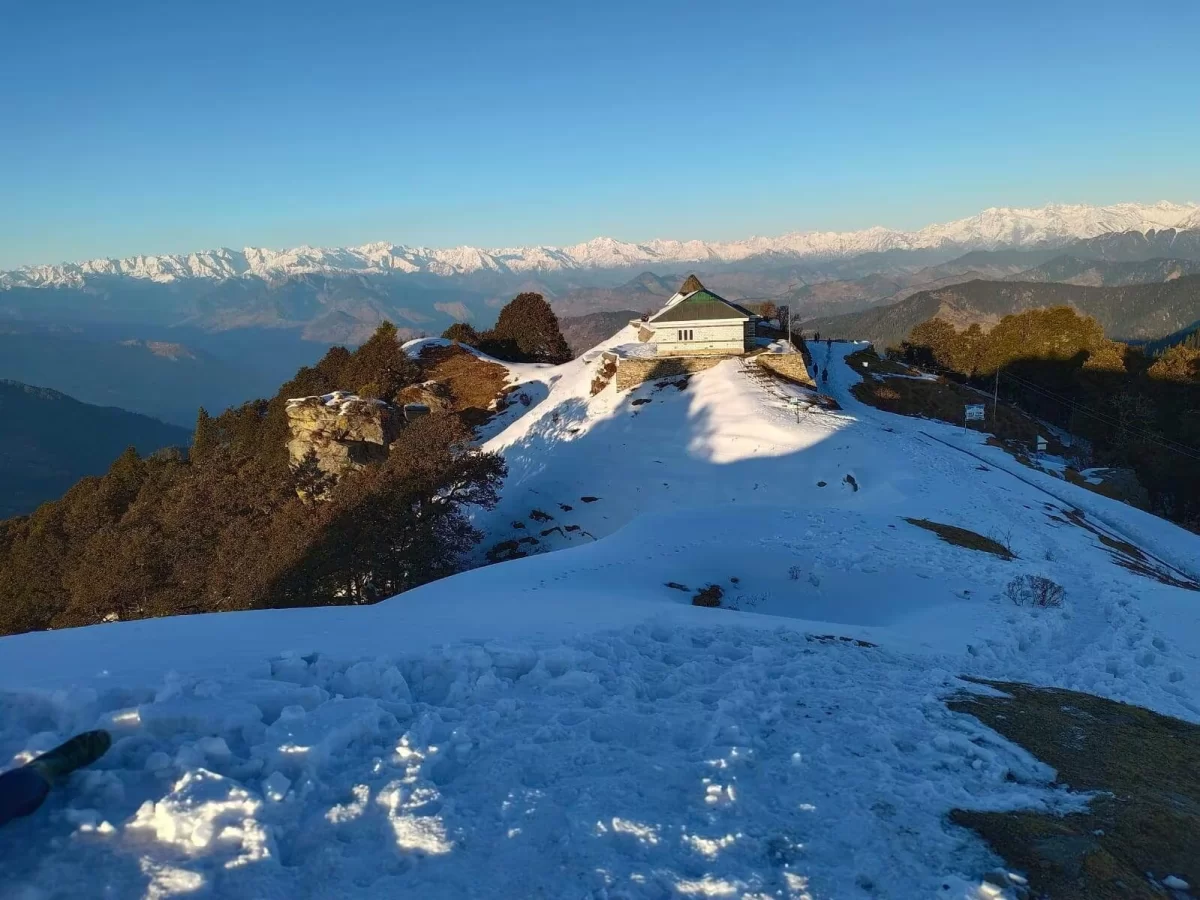
Majestic Summit with Panoramic Views

Hatu Peak , Narkanda
Located at an altitude of 3,400 meters, Hatu Peak is one of the highest points in the region, offering breathtaking views of the surrounding valleys and snow-capped mountains. Known for its peaceful surroundings and scenic beauty, it attracts nature lovers, trekkers, and photography enthusiasts alike. The hike to the peak, which passes through dense forests, offers an opportunity to immerse in the natural beauty of the area. Hatu Peak is also home to a small temple dedicated to Hatu Mata, adding a spiritual touch to the trek.

Quick Facts About Hatu Peak

Entry Fee Free
Timings 06:00 - 18:00
Altitude (m) 3400
Ideal Visit Duration (hrs) 4
Best Time of Day Morning
Crowd Level Moderate
Distance (km) 15
Walking Difficulty Moderate
Parking Available Yes
Last Mile Access Walk
Suitable for Kids Yes
Suitable for Seniors Yes
Wheelchair Friendly No

Why Visit

Hatu Peak is a must-visit for adventure enthusiasts, nature lovers, and anyone seeking breathtaking mountain views. The trek to the peak offers a unique experience with its combination of dense forests, rugged terrain, and serene landscapes. Whether you’re looking to challenge yourself with a moderate hike or simply enjoy the panoramic views from the summit, Hatu Peak provides a memorable experience. The presence of the Hatu Mata Temple at the top adds a spiritual element, making it an even more rewarding destination.

Atmosphere

The atmosphere at Hatu Peak is one of peace and tranquility. The cool mountain air and the sound of nature around you, combined with stunning views of the valleys and snow-capped peaks, create a calming and refreshing environment. Whether you are on the trek or relaxing at the summit, you can expect a peaceful and rejuvenating experience away from the hustle and bustle.

What Makes it Special

What makes Hatu Peak special is its perfect blend of natural beauty, adventure, and spirituality. The panoramic views from the summit are nothing short of spectacular, giving you a bird’s-eye view of the surrounding mountains and valleys. The hike offers an opportunity to experience diverse landscapes, from forested trails to open meadows, making it ideal for photography and nature walks. The temple at the top adds a sense of serenity and spiritual significance, making it a place where both adventure and inner peace can be found.

History

Hatu Peak, located at an elevation of 3,400 meters, is not just a popular trekking destination but also a place of local significance. The area is known for its natural beauty, attracting trekkers and nature lovers alike. The peak is home to the Hatu Mata Temple, which adds a cultural and spiritual aspect to the site. The temple is dedicated to the local deity Hatu Mata and is a key stopping point for pilgrims who trek up the mountain. The peak itself has been a part of local legends and folk tales, making it an integral part of the community's heritage.

Best Time to Visit

The best time to visit Hatu Peak is during the months of March to June and September to November. These months offer pleasant weather with clear skies, making the trek to the summit more enjoyable. Avoid the monsoon season (June to August) as the trails can get slippery and less accessible. The peak offers stunning views year-round, but the spring and autumn seasons provide the most favorable conditions for outdoor activities.
  • March to June provides moderate temperatures and clear skies, ideal for trekking and photography.
  • September to November is also perfect, with mild weather and vibrant autumn colors surrounding the area.
  • Summer (May-June) can be a bit warmer, but mornings and evenings remain cool, making it suitable for early treks.
  • Avoid the monsoon months (July-August) as rain and mud can make the trails difficult and unsafe.
  • Early mornings or late afternoons are the best times to visit to avoid the midday heat and enjoy quieter moments at the summit.

How to Reach

  • By Road: Hatu Peak is well-connected by road, and the nearest town, Narkanda, is about 15 km from the peak. You can reach Narkanda via Shimla, which is around 60 km away. Taxis and buses from Shimla and Narkanda can take you to the base of the trek to Hatu Peak.
  • By Car: If you are traveling by car, you can drive from Shimla to Narkanda and then follow the road that leads up to Hatu Peak. The roads are generally in good condition, but be cautious of the steep terrain as you approach the peak. There is parking available at the base, from where you can begin your trek.
  • By Foot: The last part of the journey to Hatu Peak involves a moderate trek from the base parking area. The trek takes about 1-2 hours, depending on your pace. The route is well-marked and offers beautiful views along the way, making it an enjoyable hike for nature enthusiasts.

What to Expect When You Visit

  • Scenic Trek: Expect a moderate yet rewarding trek to the summit of Hatu Peak, passing through dense forests, open meadows, and offering breathtaking views of the surrounding mountains and valleys. The trail is well-marked, but it may be steep in some sections.
  • Panoramic Views: Once you reach the top, be prepared to witness some of the most stunning panoramic views of the Himalayas. You’ll also have a clear view of the nearby towns and valleys. The beauty of the landscape makes the effort of the trek truly worth it.
  • Hatu Mata Temple: At the summit, you’ll find the Hatu Mata Temple, a small but spiritually significant shrine. It adds a unique cultural element to your visit and is a peaceful spot for reflection and photography.
  • Photography Opportunities: The entire trek offers excellent photography opportunities, whether you are capturing the dense forest landscapes, the temple at the top, or the stunning views from the peak itself. Early mornings or late afternoons are the best times for photographs, as the light is soft and golden.
  • Tranquil Atmosphere: Unlike more crowded tourist destinations, Hatu Peak offers a peaceful atmosphere. The fresh mountain air and the sounds of nature make it a perfect escape for those looking to relax and reconnect with nature.
  • Wildlife and Flora: Along the trail, you may encounter various species of local flora and fauna. Keep an eye out for birds, small mammals, and unique plant life, especially in spring and summer when the flora is in full bloom.

Important Visitor Information

  • Crowd & Weather Notes: Hatu Peak is a relatively less crowded destination, but it can get busier during weekends and public holidays. The weather at the peak can be unpredictable, so it’s essential to check the forecast before your visit. During the summer months, the temperatures are pleasant, but winter can be cold, especially at the summit, with a chance of snowfall from November to February.
  • Peak / Quiet Hours: The peak hours for visitors are generally between 10 AM and 2 PM. To avoid crowds and enjoy a more peaceful experience, it is best to visit early in the morning or later in the afternoon. Early mornings offer cooler temperatures and a quieter atmosphere, while the late afternoon provides soft lighting for photography.
  • Dress Code: Wear comfortable and sturdy shoes, as the trek involves some uphill walking and uneven terrain. Depending on the season, you should bring layers—light clothing for summer, and warmer layers or a jacket for the cooler months. If visiting in winter, make sure to carry warm clothes, gloves, and a hat. Don’t forget sunscreen and a hat during sunny months.
  • Safety Notes: The trek to Hatu Peak is moderate but can be steep in some sections. Be sure to stay on the marked paths to avoid getting lost. Carry sufficient water, snacks, and a first-aid kit. During the monsoon season (June to September), trails may become slippery, so caution is advised. The peak can get windy and cold, especially in the early mornings and evenings, so plan accordingly.

Photography and Viewpoint

  • Panoramic Views: Hatu Peak offers some of the most spectacular panoramic views in the region. From the summit, you can capture stunning vistas of the surrounding valleys, hills, and distant snow-capped peaks. The landscape is particularly breathtaking during the early morning and late afternoon when the lighting is soft and warm.
  • Best Photography Spots: The best spots for photography are near the top, where you can photograph the temple and the expansive views. There are also several elevated spots along the trail that offer beautiful perspectives of the surrounding forests and mountains.
  • Golden Hour Shots: The golden hour, just after sunrise and before sunset, is the best time for photography. The soft lighting enhances the natural beauty of the landscape, providing the perfect conditions for capturing the tranquil atmosphere of the area.
  • Wildlife and Flora: If you're a nature photographer, Hatu Peak offers great opportunities to capture local wildlife and unique flora. Keep your camera ready to photograph birds, small animals, and the beautiful alpine plants that thrive in the area.
  • Photography Tips: Due to the elevation and cooler temperatures at the summit, be prepared for wind and colder conditions, especially in the mornings. Bring protective gear for your camera, such as a lens cover and a weatherproof bag, to protect your equipment from the elements.

Near By Attraction

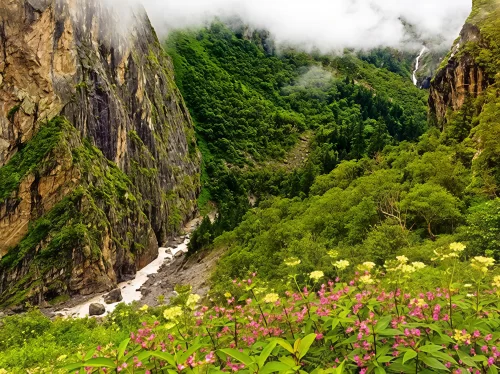
Jau Baag near Hatu Peak featuring a dramatic deep green valley with steep rocky cliffs, dense forest cover, flowing mountain stream below, and vibrant wildflowers in the foreground under misty clouds. Tourist Attraction

Jau Baag

Jau Baag is a scenic and serene destination known for its lush greenery, tranquil environment, and scenic views.
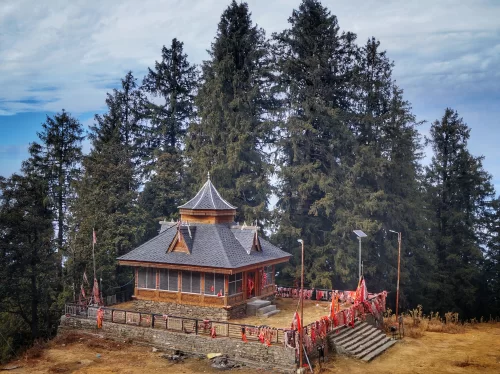
Derthu Mata Temple in Narkanda featuring a traditional wooden Himachali temple with sloped roof, prayer flags along the boundary, stone platform, and tall deodar trees in the background. Temple

Derthu Mata Temple

The serene and picturesque Derthu Mata Temple offers a tranquil escape for devotees and nature lovers alike.
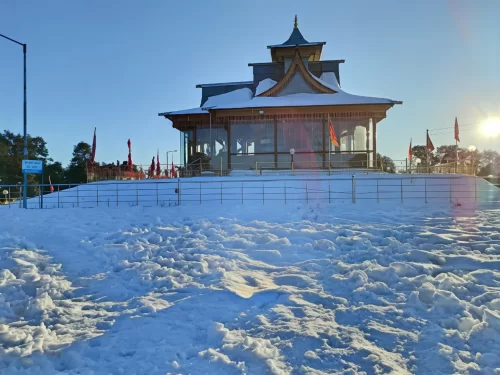
Hatu Mata Temple at Narkanda during winter sunrise, featuring snow blanket, red flags, prayer lamps, perfect spiritual Himachal Pradesh tour package. Temple

Hatu Mata Temple

Hatu Mata Temple, perched on the highest peak of Narkanda, is a revered religious site offering breathtaking views and a peaceful atmosphere.

Frequently Asked Questions About Hatu Peak

The best time to visit Hatu Peak is between April and June and from September to November when the weather in Shimla district of Himachal Pradesh remains clear and pleasant. These months offer better road conditions and panoramic mountain views.
Hatu Peak is located near Narkanda in Shimla district of Himachal Pradesh at an altitude of around 3400 meters. It is one of the highest peaks in the region and offers wide views of the Himalayas.
Hatu Peak can be reached by a steep 6 to 7 kilometer drive from Narkanda town. Visitors usually travel by private vehicle or hire a local taxi experienced in mountain roads.
There is no entry fee to visit Hatu Peak. Travelers can access the peak area freely while following local safety guidelines.
The road to Hatu Peak is narrow, steep, and includes sharp bends, requiring careful driving. During monsoon or winter, the route can become slippery and challenging.
Around one to two hours is sufficient to explore Hatu Peak and visit the small temple at the top. Many visitors spend additional time enjoying the scenic viewpoints.
Hatu Peak often receives heavy snowfall during winter in Himachal Pradesh, and the road may be temporarily closed. Travelers should check current road conditions before planning a winter visit.
Hatu Peak is suitable for families comfortable with mountain travel and short walks near the summit. Visitors should supervise children near open viewpoints.
Photography and mobile videography are allowed at Hatu Peak. The snow covered mountains and forested slopes make it a popular spot for landscape photography.
Visitors should carry warm clothing, drinking water, sun protection, and wear comfortable footwear while visiting Hatu Peak due to high altitude weather conditions. Ensuring the vehicle is in good condition is also important before the uphill drive.

Loved this place ? Let’s Plan Your Himachal Pradesh Trip

Get customized Himachal Pradesh tour planning designed around season, road conditions, hill travel pacing, and comfort preferences. Whether you are visiting for snow experiences, mountain landscapes, temple towns, adventure activities, or relaxed valley s

⚑ Quick Response | πŸ’° Free consultation | πŸ•’ 24Γ—7 expert support

×

Plan Your Trip