Quick Facts About Derthu Mata Temple
| Entry Fee | Free |
| Timings | 06:00 - 18:00 |
| Altitude (m) | 1500 |
| Ideal Visit Duration (hrs) | 2 |
| Best Time of Day | Morning |
| Crowd Level | Moderate |
| Distance (km) | 15 |
| Walking Difficulty | Easy |
| Parking Available | Yes |
| Last Mile Access | Walk |
| Suitable for Kids | Yes |
| Suitable for Seniors | Yes |
| Wheelchair Friendly | No |
Why Visit
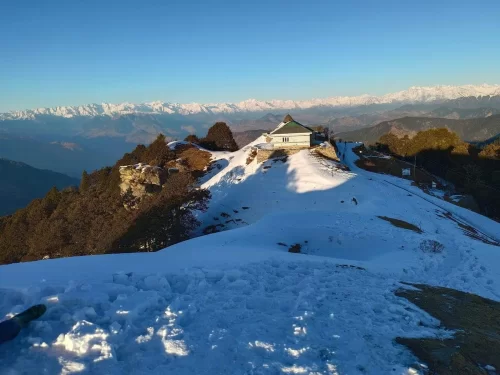
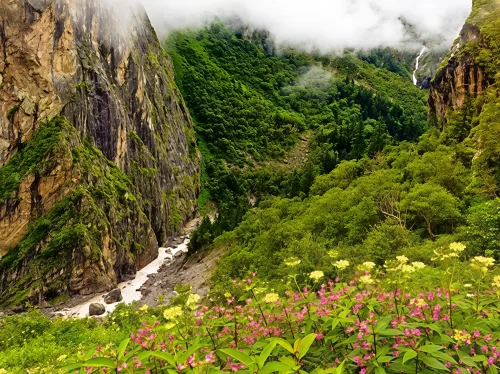
Derthu Mata Temple offers a peaceful and spiritual retreat, away from the hustle and bustle of everyday life. Nestled amidst the serene hills, it provides visitors with not only a place for prayer and reflection but also a chance to connect with nature. The surroundings are filled with lush greenery and panoramic views of the mountains, making it a perfect spot for those seeking tranquility.
Atmosphere
The atmosphere at Derthu Mata Temple is calm and spiritually enriching. The temple is surrounded by picturesque landscapes, with clear skies and a serene environment that invites contemplation. Whether you're coming to offer prayers or simply enjoy the scenic beauty, the peaceful vibe is what draws many to the temple.
What Makes it Special
The temple's spiritual significance and tranquil setting make it special. The combination of religious importance, breathtaking views, and accessibility for all ages makes it a popular destination. Additionally, the surrounding nature makes it an excellent spot for photography, relaxation, and a short escape from the daily grind.
History
Derthu Mata Temple holds a special place for locals and visitors alike. The temple is dedicated to Derthu Mata, a revered deity in the region, whose blessings are believed to bring peace and prosperity. While the exact historical origins of the temple are not documented, it has been an important spiritual center for generations.
Religious Significance
The temple is of religious importance to the local community, especially those who seek blessings from Derthu Mata. Devotees believe that visiting the temple brings spiritual tranquility and protection. It is an essential part of the region's religious practices, especially during certain festivals and rituals dedicated to the deity.
Best Time to Visit
The best time to visit Derthu Mata Temple is during the early morning or late afternoon. This allows visitors to enjoy the temple's tranquil atmosphere before it gets crowded. The months between March and October are ideal, as the weather is pleasant and the surroundings are lush and green.
- The weather is most favorable between March and October, with clear skies and mild temperatures.
- Early mornings and late afternoons are perfect for a peaceful visit, as the temple is less crowded during these times.
- Avoid visiting during the peak summer months of May and June when temperatures can be quite high.
How to Reach
- By Road: Derthu Mata Temple is accessible by road from the nearest town or city center. It is well-connected by local buses and taxis. The temple is located around 15 km from the city center.
- By Car: Visitors can hire a taxi or drive their own vehicle to reach the temple. The road leading to the temple is scenic and well-maintained, making the drive an enjoyable experience.
- By Foot: The last stretch to the temple requires a short walk from the parking area, which adds to the peaceful experience.
What to Expect When You Visit
- A peaceful and serene atmosphere perfect for meditation and reflection.
- Beautiful views of the surrounding hills and lush greenery that offer a calming experience.
- A short walk from the parking area leading up to the temple, offering a chance to immerse in nature.
- Spiritual ambience with devotees offering prayers and seeking blessings from Derthu Mata.
- Rich cultural experience with occasional religious rituals or festivals taking place, depending on the time of your visit.
- A chance to take photographs of the temple and its scenic surroundings, making it an ideal spot for nature lovers and photographers.
Important Visitor Information
- Crowd & Weather Notes: The temple experiences moderate crowd levels, especially during weekends and religious festivals. The weather is most pleasant between March and October, with clear skies and mild temperatures. Peak tourist times are during the summer months, so early mornings or late afternoons are ideal for a quieter experience.
- Peak / Quiet Hours: The temple tends to be busiest from 10 AM to 12 PM and again from 4 PM to 6 PM. To avoid the crowd, it's best to visit early in the morning or later in the afternoon.
- Dress Code: There is no strict dress code, but visitors are advised to wear modest clothing when entering the temple. Comfortable shoes are recommended due to the short walk to the temple from the parking area.
- Safety Notes: The paths leading up to the temple are generally safe, but be cautious during the monsoon season when the terrain can get slippery. There are no major safety hazards, but visitors should be mindful of their surroundings and avoid going off-trail.
Photography and Viewpoint
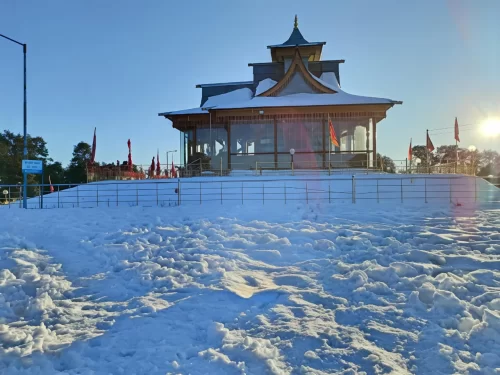
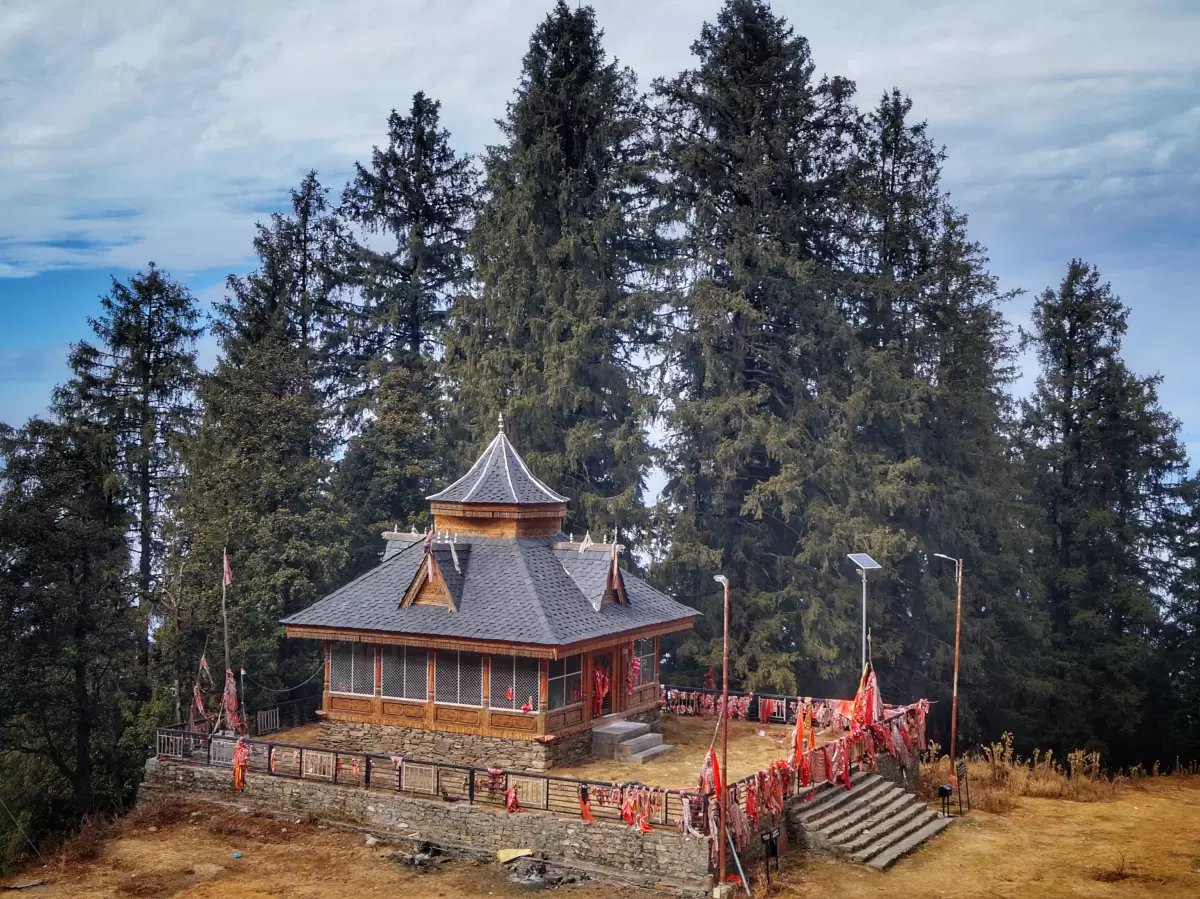
- Scenic Views: The temple is situated in a picturesque location surrounded by lush hills and panoramic views. It offers excellent photo opportunities, especially during early mornings when the light creates a soft, golden glow over the landscape.
- Photography Tips: The best time for photography is during the golden hour – early morning or late afternoon. Capture the temple against the backdrop of the mountains, as the views are spectacular. You can also get great shots of the surrounding nature, including trees and wildlife.
- Ideal Viewpoints: There are several spots around the temple that offer stunning views, particularly from the temple’s entrance. The vantage points provide a clear view of the surrounding valleys and hills, perfect for nature and landscape photography.
- Accessibility for Photography: The temple area is accessible for photographers, with enough space to take both wide-angle shots of the landscape and close-ups of the temple's architecture. The peaceful surroundings make it a fantastic spot for capturing both serene landscapes and cultural elements.
- What to Avoid: Be mindful of the local customs and avoid photographing during religious rituals or ceremonies unless permitted. It is also respectful to ask for permission before photographing people.