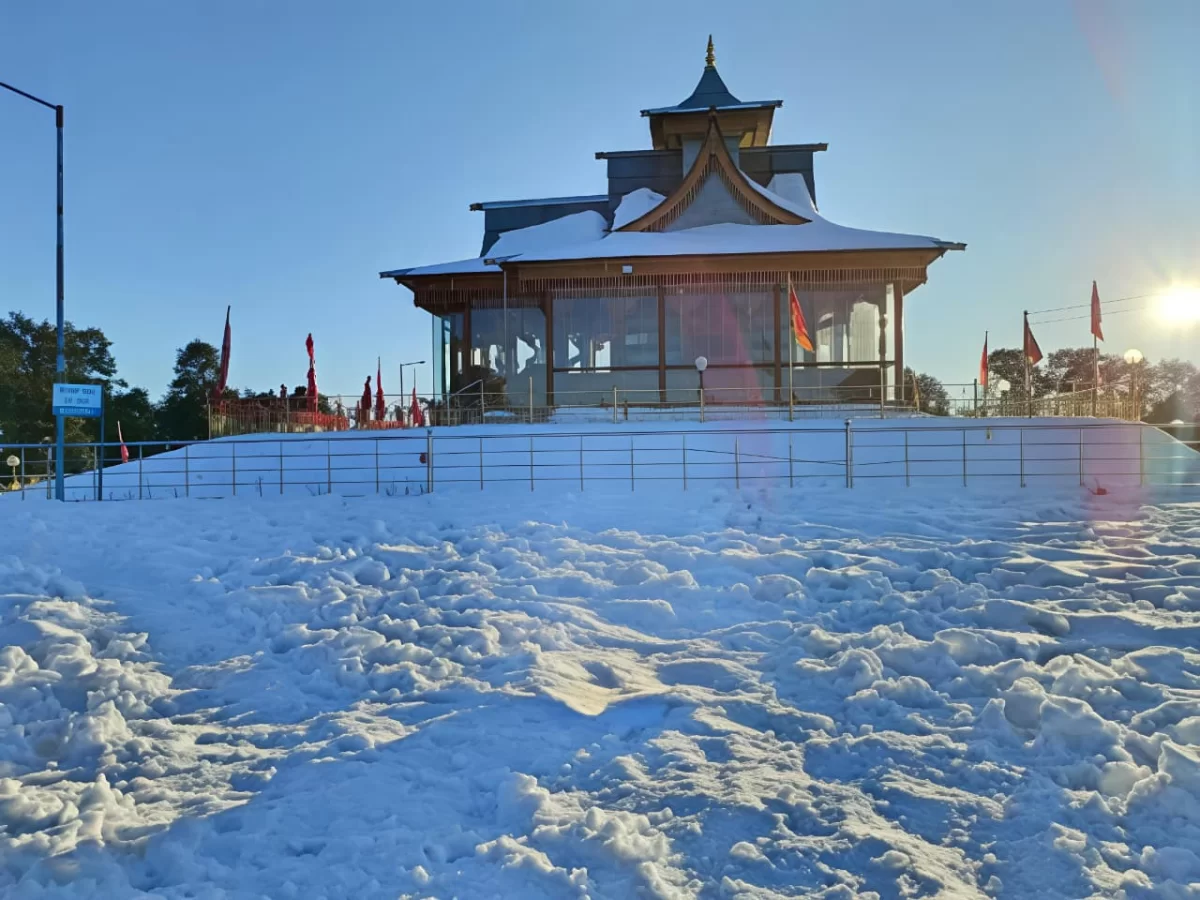
Hatu Mata Temple Narkanda – A Sacred Hilltop Shrine with Panoramic Views

Hatu Mata Temple , Narkanda
Hatu Mata Temple, located at an altitude of 3,400 meters, is dedicated to the goddess Hatu, a popular deity among locals. Situated on Hatu Peak, the temple is not only a spiritual destination but also a scenic spot offering panoramic views of the surrounding hills and valleys. The temple’s peaceful setting makes it a perfect place for meditation and reflection. Visitors can enjoy a pleasant hike up to the temple, which is especially beautiful during the winter months when covered with snow, as well as in the summer with lush green surroundings.

Quick Facts About Hatu Mata Temple

Entry Fee Free
Timings 06:00 - 19:00
Altitude (m) 3400
Ideal Visit Duration (hrs) 2
Best Time of Day Morning
Crowd Level High
Distance from Narkanda (km) 10
Walking Difficulty Moderate
Parking Available Yes
Last Mile Access Trek
Suitable for Kids Yes
Suitable for Seniors Yes
Wheelchair Friendly No

Why Visit Hatu Mata Temple, Narkanda

Why Visit: Hatu Mata Temple is not just a religious site, but also a serene escape with panoramic views. Situated atop Hatu Peak, it offers an unmatched combination of spiritual experience and natural beauty. The peaceful surroundings and beautiful landscapes make it a must-visit for those seeking tranquility and a bit of adventure. The temple attracts both devotees and nature lovers alike, making it a place of spiritual significance as well as a scenic retreat.

Atmosphere: The atmosphere at Hatu Mata Temple is peaceful and spiritual, enhanced by the stunning mountain views and the calmness of the region. The temple, dedicated to the local deity Hatu Mata, exudes a sense of peace, making it an ideal place for reflection and prayer. The cool mountain breeze and the clear, open skies add to the calming effect, making it a great place for both spiritual reflection and appreciating nature’s beauty.

What Makes it Special: The temple is special not only for its religious significance but also for its location atop Hatu Peak, which provides breathtaking 360-degree views of the surrounding hills and valleys. The uphill trek to the temple itself is rewarding, with scenic vistas along the way. The temple remains relatively untouched by commercial tourism, preserving its authenticity and charm. Its serene environment, combined with the panoramic views and the unique cultural experience, makes it an unforgettable visit.

History

Hatu Mata Temple is a revered site located atop Hatu Peak in Narkanda. The temple is dedicated to Hatu Mata, a local goddess worshipped by the people of the region. The temple's origins are deeply rooted in local traditions, and it holds significant importance among the local communities. While the exact date of its construction is not documented, it has been a place of worship for centuries, with many believing that it has been an important religious center since ancient times.

The temple’s location at the highest point in Narkanda further adds to its cultural significance. It has long been a site for spiritual gatherings and rituals, where locals and visitors alike seek blessings from the goddess. Over time, the temple has become a symbol of faith and resilience, drawing devotees, trekkers, and nature lovers due to its serene environment and stunning views. Today, it remains an iconic spot for those looking to connect with the divine and experience the natural beauty of the region.

Best Time to Visit

The best time to visit Hatu Mata Temple depends on the type of experience you are seeking. Here’s a breakdown of the seasons:
  • Summer (March to June): Summer is an ideal time to visit Hatu Mata Temple, especially for those who want to avoid the harsh winter cold. The weather is pleasant, with cool temperatures and clear skies, making it perfect for a hike to the temple. The surrounding landscape is lush and green, offering a vibrant atmosphere.
  • Monsoon (July to September): The monsoon season brings rainfall to the region, making the trek to the temple a bit challenging due to slippery paths. Although the area is less crowded, it’s not the best time to visit due to the wet conditions and the risk of landslides in the region.
  • Autumn (October to November): This is one of the best times to visit Hatu Mata Temple. The weather is crisp and pleasant, and the skies are clear. The temple offers a peaceful atmosphere, and the surrounding mountains are adorned with beautiful autumn colors, making for a picturesque visit.
  • Winter (December to February): Winter transforms the temple into a snow-covered wonderland. If you're a fan of winter landscapes and snow activities, this is the time to visit. However, the trek can be difficult due to heavy snowfall, and temperatures can dip significantly, so proper winter clothing is a must.

How to Reach

  • By Road: Hatu Mata Temple is easily accessible from Narkanda, located about 10 km away. You can hire a taxi or use your own vehicle to reach the base of Hatu Peak. From there, you can either trek or use a local vehicle (during non-snowy months) to get closer to the temple.
  • By Bus: The nearest bus station is in Narkanda, from where you can hire a taxi to reach the temple. Regular buses from Shimla also ply to Narkanda, making it convenient for travelers from Shimla to reach the temple area.
  • By Train: The closest railway station is Shimla Railway Station, about 60 km away from Narkanda. From Shimla, you can take a bus or taxi to Narkanda and then follow the road to the temple. The Kalka-Shimla Toy Train offers a scenic route to Shimla, making it a popular choice for visitors.
  • By Air: The nearest airport is Jubbarhatti Airport, located approximately 70 km from Narkanda. From the airport, you can take a taxi to Narkanda, and then proceed to the temple. The airport is well-connected to major cities like Delhi and Chandigarh.

What to Expect When You Visit

  • Scenic Trek: Expect a moderate uphill trek to the temple. The path is surrounded by dense forests and offers beautiful views of the surrounding mountains and valleys. The hike is rewarding, and the temple at the top provides panoramic vistas of Narkanda and the Himalayan range.
  • Spiritual Atmosphere: The temple is a peaceful place for reflection and prayer, with an air of tranquility that is perfect for meditation. The temple is an important religious site for locals and pilgrims, and visitors can expect a spiritual ambiance enhanced by the natural beauty of the surroundings.
  • Stunning Views: Once you reach the temple, you’ll be treated to breathtaking views of the snow-capped peaks and the lush green valleys below. The sight is especially mesmerizing during sunrise and sunset when the light bathes the landscape in golden hues.
  • Unique Architecture: The temple itself is a charming example of traditional Himachali architecture, with wooden beams and a sloping roof. The architecture blends perfectly with the natural environment, adding to the overall aesthetic experience.
  • Quiet and Serene Ambience: Unlike crowded tourist spots, Hatu Mata Temple offers a peaceful retreat. Visitors can enjoy the serene atmosphere, away from the hustle and bustle, and immerse themselves in nature and spirituality.
  • Wildlife and Flora: The surrounding area is home to diverse flora and fauna. While trekking, you may spot local wildlife like birds, small mammals, and a variety of plants, adding to the charm of the experience.

Important Visitor Information

  • Crowd & Weather Notes: The temple can get moderately crowded during weekends and holidays, especially during the winter season when visitors come for the snowfall. The weather is generally cool and pleasant, with winter temperatures dropping below freezing. Summer months (March to June) are mild and ideal for the trek, while monsoon (July to September) can make the paths slippery and challenging.
  • Peak / Quiet Hours: Early mornings (6:00 AM to 8:00 AM) and late afternoons (3:00 PM to 5:00 PM) are the best times to visit for a quieter experience. The temple is less crowded during weekdays, particularly outside the peak tourist seasons, making it a peaceful time to enjoy the surroundings.
  • Dress Code: It is recommended to wear comfortable trekking shoes, especially during the winter season when the path can be slippery. Warm clothing is essential during colder months, and waterproof gear is advised during the rainy season. Modest clothing is recommended as it is a religious site.
  • Safety Notes: The trek to the temple can be moderate to difficult, particularly during winter when the path may be covered in snow. Make sure to wear proper footwear, and avoid trekking in extreme weather conditions. If you’re visiting during snow, be cautious of icy patches on the trail. It’s advisable to carry water, snacks, and basic first-aid supplies. Always inform someone about your trekking plans if visiting solo.

Photography and Viewpoint

  • Panoramic Views: The temple is situated at the highest peak in Narkanda, offering 360-degree panoramic views of the surrounding mountains and valleys. The scenic beauty is especially breathtaking during sunrise and sunset, providing excellent opportunities for photography. Capture the sweeping views of the snow-capped peaks of the Himalayas or the lush green valleys below.
  • Snow-Capped Peaks: During the winter months, the temple offers stunning snow-covered landscapes. The sight of the pristine white snow contrasting with the dark pine forests makes for dramatic and unforgettable photographs, perfect for nature and landscape enthusiasts.
  • Golden Hour Shots: The golden hour, shortly after sunrise and before sunset, creates soft and flattering light for photography. During these times, the surrounding peaks and temple itself are bathed in a warm glow, ideal for capturing stunning landscape photos and portrait shots in the serene environment.
  • Architecture and Surroundings: The temple's traditional Himachali architecture, with its wooden beams and sloping roof, blends perfectly with the natural surroundings. Photograph the temple from different angles, framed by the majestic mountains or the vibrant flora of the area, to showcase the perfect fusion of spirituality and nature.
  • Wildlife and Flora: If you're a nature photographer, expect to capture a wide range of flora and fauna surrounding the temple. During the hike to the temple, you may encounter colorful birds, butterflies, and other small wildlife. The area is rich in natural biodiversity, making it an ideal location for nature photography.

Near By Attraction

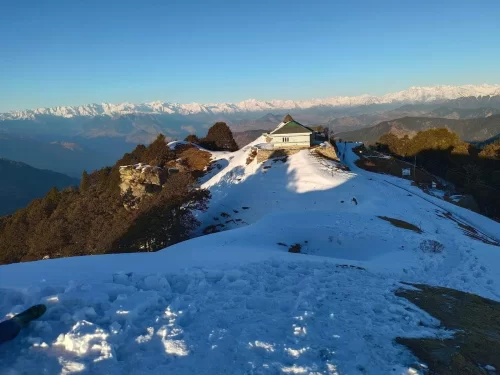
Hatu Peak Temple at Narkanda during winter sunrise, featuring white building, snowy ridges, distant Himalayas, pine trees, perfect adventure Himachal Pradesh tour package. Mountain

Hatu Peak

Hatu Peak is a stunning mountain peak known for its panoramic views and serene atmosphere, making it a popular trekking destination.
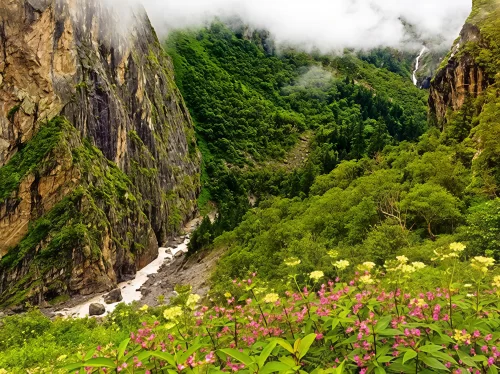
Jau Baag near Hatu Peak featuring a dramatic deep green valley with steep rocky cliffs, dense forest cover, flowing mountain stream below, and vibrant wildflowers in the foreground under misty clouds. Tourist Attraction

Jau Baag

Jau Baag is a scenic and serene destination known for its lush greenery, tranquil environment, and scenic views.
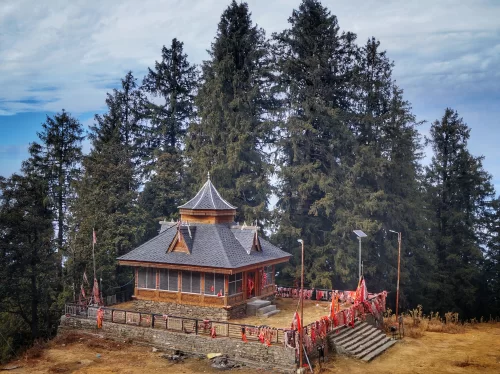
Derthu Mata Temple in Narkanda featuring a traditional wooden Himachali temple with sloped roof, prayer flags along the boundary, stone platform, and tall deodar trees in the background. Temple

Derthu Mata Temple

The serene and picturesque Derthu Mata Temple offers a tranquil escape for devotees and nature lovers alike.

Frequently Asked Questions About Hatu Mata Temple

The best time to visit Hatu Mata Temple is between April and June and from September to November when the weather in Shimla district of Himachal Pradesh remains clear and pleasant. These months provide better road access and panoramic mountain views.
Hatu Mata Temple is located at the top of Hatu Peak near Narkanda in Shimla district of Himachal Pradesh. It stands at an altitude of around 3400 meters surrounded by dense forests.
Hatu Mata Temple can be reached by a steep 6 to 7 kilometer drive from Narkanda town followed by a short walk to the temple. Visitors usually hire local taxis experienced in mountain driving.
There is no entry fee to visit Hatu Mata Temple. Devotees can enter the temple premises freely while respecting local customs.
Hatu Mata Temple is generally open from morning until evening during daylight hours. Visiting before sunset is recommended due to mountain road conditions.
Around 30 to 60 minutes is sufficient to explore Hatu Mata Temple and enjoy the surrounding views. Many visitors combine it with sightseeing at Hatu Peak.
Hatu Mata Temple may be difficult to access during peak winter due to heavy snowfall in Himachal Pradesh. The road to Hatu Peak can remain temporarily closed during extreme weather.
Hatu Mata Temple involves minimal walking from the parking area, but the steep drive may be challenging for some visitors. Senior citizens should travel carefully and avoid icy conditions.
Photography is generally allowed in the outer premises of Hatu Mata Temple, but visitors should avoid disturbing religious activities. Seeking permission before taking close up pictures is advisable.
Visitors to Hatu Mata Temple should dress modestly, carry warm clothing, and wear comfortable footwear due to high altitude weather conditions. It is important to drive cautiously on the narrow mountain road.

Loved this place ? Let’s Plan Your Himachal Pradesh Trip

Get customized Himachal Pradesh tour planning designed around season, road conditions, hill travel pacing, and comfort preferences. Whether you are visiting for snow experiences, mountain landscapes, temple towns, adventure activities, or relaxed valley s

⚡ Quick Response | 💰 Free consultation | 🕒 24×7 expert support

×

Plan Your Trip