Quick Facts About Gulaba Viewpoint
| Entry Fee | Free |
| Timings | 06:00 - 18:00 |
| Altitude (m) | 3040 |
| Ideal Visit Duration (hrs) | 1 |
| Best Time of Day | Morning |
| Crowd Level | Moderate |
| Distance from Manali (km) | 20 |
| Walking Difficulty | Easy |
| Parking Available | Yes |
| Last Mile Access | Car |
| Suitable for Kids | Yes |
| Suitable for Seniors | Yes |
| Wheelchair Friendly | No |
Why Visit Gulaba Viewpoint
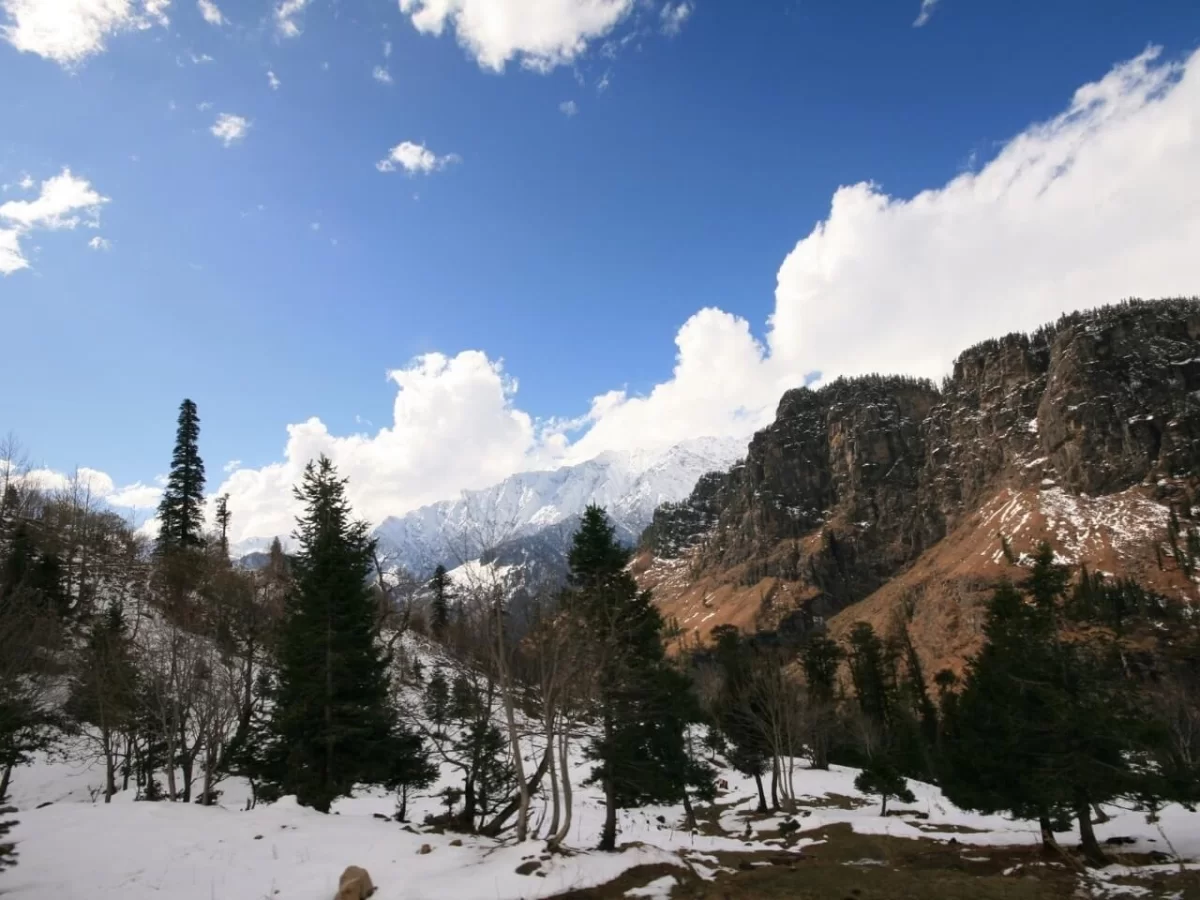
Gulaba Viewpoint is a must-visit stop on the Manali–Rohtang route, known for its sweeping Himalayan landscapes, snow-covered meadows in winter, and calm natural surroundings. It offers travelers a chance to experience high-altitude beauty without strenuous trekking, making it accessible yet breathtaking.
Atmosphere: The atmosphere at Gulaba Viewpoint is peaceful and refreshing, with cool mountain air, open valleys, and panoramic views of snow peaks and pine forests. Unlike crowded adventure hubs, Gulaba retains a raw and less-commercialized feel, allowing visitors to slow down and soak in nature.
What Makes it Special: Gulaba Viewpoint is especially popular for winter snowfall when Rohtang Pass is closed, offering visitors a snow experience closer to Manali. Its open landscapes, dramatic clouds, and unobstructed mountain views make it a favorite for photographers, nature lovers, and travelers seeking scenic road-trip stops.
History of Gulaba Viewpoint
Gulaba Viewpoint takes its name from Raja Gulab Singh of Kashmir, who is believed to have camped in this region while traveling through the Manali–Rohtang route during the 19th century. Over time, the area came to be known as “Gulaba,” marking its association with this historical figure.
Historically, Gulaba served as a natural halt and observation point for travelers, traders, and local shepherds moving between Manali and the higher mountain passes. Its open terrain and clear visibility of surrounding valleys made it a practical resting and lookout spot long before it became a tourist viewpoint.
In modern times, Gulaba Viewpoint has evolved into a popular scenic stop due to its strategic location on the Rohtang Pass road. Its historical identity remains subtle yet significant, rooted in regional travel routes rather than monuments or structures, giving the place a quiet historical relevance tied to Himalayan exploration and movement.
Best Time to Visit Gulaba Viewpoint
Gulaba Viewpoint can be visited throughout the year, but the experience varies significantly with the seasons. Located on the Manali–Rohtang Pass road, the viewpoint offers different scenic highlights depending on weather conditions, snow cover, and road accessibility.
- March to June (Spring & Early Summer): The best overall time to visit. Snow often remains in early spring, while clear skies and pleasant temperatures make sightseeing and photography ideal.
- July to September (Monsoon Season): Lush greenery and misty mountain views dominate the landscape. However, occasional landslides and slippery roads may affect travel plans.
- October to November (Autumn): Crisp weather, golden mountain hues, and fewer tourists create a peaceful viewing experience with excellent visibility.
- December to February (Winter): Heavy snowfall transforms Gulaba into a winter wonderland. Access may be restricted, but when open, it is popular for snow play and panoramic winter views.
- Best Time of Day: Early morning or late afternoon for softer light, fewer crowds, and unobstructed valley views.
How to Reach Gulaba Viewpoint
- From Manali: Gulaba Viewpoint is located around 20 km from Manali on the Manali–Rohtang Pass road. The drive usually takes 45 to 60 minutes, depending on traffic and weather conditions.
- By Taxi or Self-Drive: Taxis are easily available from Manali town. The road is well-paved but has sharp curves and steep sections, requiring cautious driving, especially in winter and monsoon seasons.
- By Public Transport: Limited local buses run towards Rohtang Pass and can drop visitors near Gulaba, but services are infrequent and depend on road permissions.
- Last Mile Access: The viewpoint is directly accessible from the roadside with no trekking required. Visitors can step out of their vehicle to enjoy the views.
- Seasonal Restrictions: During heavy snowfall or Rohtang Pass closures, access beyond Gulaba may be restricted, but the viewpoint itself often remains reachable unless road conditions worsen.
What to Expect When You Visit Gulaba Viewpoint
- Wide panoramic views of the Beas River valley, snow-capped peaks, and alpine meadows depending on the season.
- A roadside viewpoint with open spaces rather than a formal platform, allowing flexible movement and unobstructed sightlines.
- Cold and windy conditions even in summer, especially during mornings and late afternoons.
- Occasional snow patches from late winter to early summer, attracting visitors for short snow play stops.
- Limited on-site facilities; basic tea stalls may operate seasonally, but restrooms are usually not available.
- Frequent vehicle stops during peak season, which can cause brief congestion along the road.
- Clear visibility on good weather days, while fog and clouds may temporarily block views during monsoon or late afternoons.
Important Visitor Information
- Crowd & Weather Notes: Gulaba Viewpoint experiences moderate to heavy crowds during peak tourist seasons, especially from April to June and during winter snowfall. Weather can change quickly, with sudden fog, strong winds, or snowfall even on clear days.
- Peak / Quiet Hours: Peak hours are between 11:00 am and 3:00 pm when most tour vehicles stop here. Early mornings and late afternoons are quieter and offer better light for views.
- Dress Code: Warm layered clothing is essential throughout the year. In winter, heavy jackets, gloves, and waterproof shoes are necessary. Even in summer, carry a light jacket due to cold winds.
- Safety Notes: Stay away from road edges and steep slopes, especially when snow or ice is present. Do not walk onto unstable snow patches. Follow local advisories, as road closures can occur without notice due to weather conditions.
Photography and Viewpoint
- The viewpoint offers wide-angle shots of the surrounding Himalayan ranges, with layered mountain ridges and deep valleys creating strong depth in photographs.
- Early morning light provides clear skies and soft shadows, ideal for landscape photography and capturing snow textures during winter months.
- During spring and summer, the contrast between green meadows and distant snow peaks makes the area suitable for natural color photography.
- Cloud movement and changing weather patterns allow for dramatic compositions, but visibility can drop suddenly during monsoon or late afternoon.
- There is no raised platform or fencing, so photographers must maintain a safe distance from road edges and slopes while framing shots.
- Tripods can be used easily due to open roadside space, but care is needed because of strong winds and passing vehicles.