+91 9910402252
admin@chalbanjare.com


| Entry Fee | Free |
| Timings | 05:00 - 20:00 |
| Altitude (m) | 1775 |
| Ideal Visit Duration (hrs) | 2 |
| Best Time of Day | Morning |
| Crowd Level | High |
| Distance from McLeod Ganj (km) | 2 |
| Walking Difficulty | Moderate |
| Parking Available | Yes |
| Last Mile Access | Road |
| Suitable for Kids | Yes |
| Suitable for Seniors | Yes |
| Wheelchair Friendly | No |
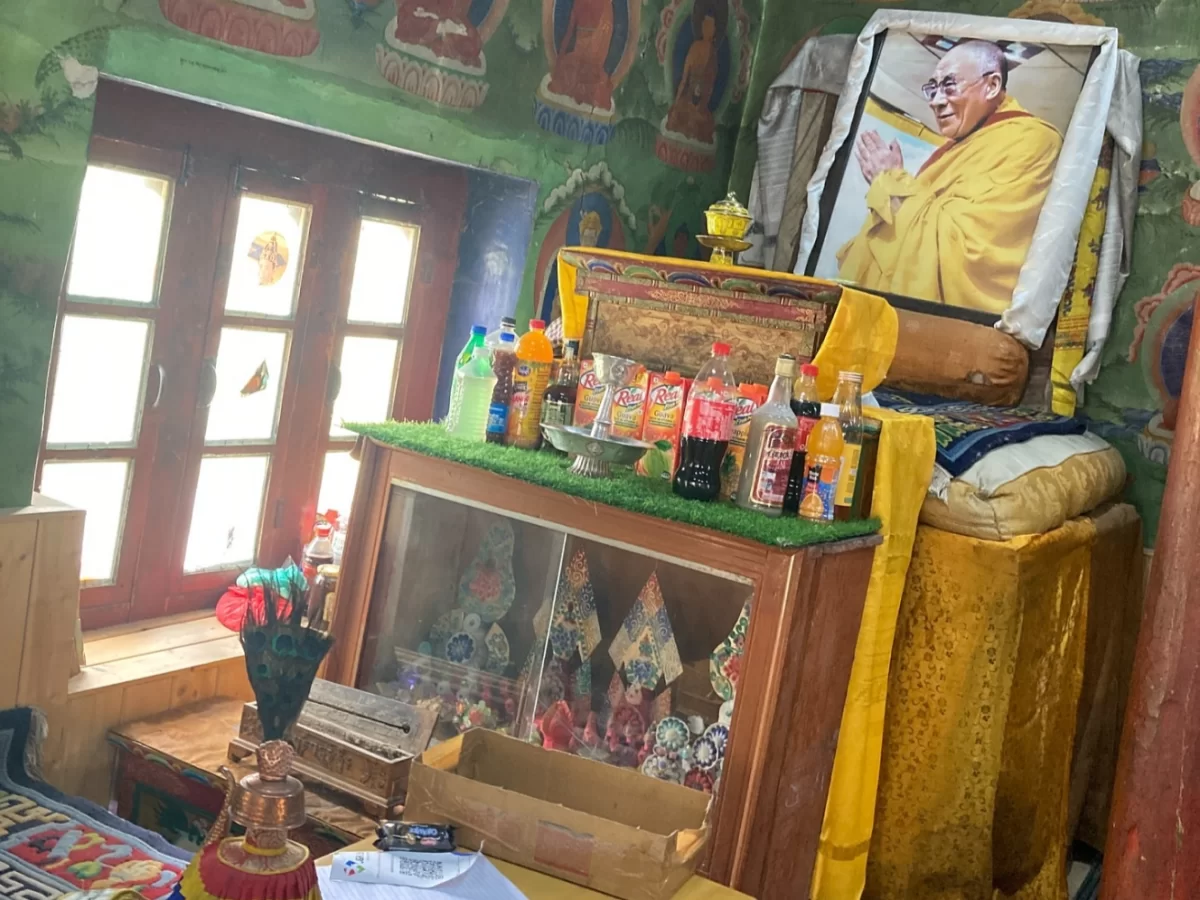
The Dalai Lama Temple, officially known as the Tsuglagkhang Complex, is the spiritual heart of Tibetan Buddhism in India and the personal monastery of His Holiness the 14th Dalai Lama. Visiting this sacred site offers a rare opportunity to experience living Tibetan culture, authentic Buddhist rituals, and a profound sense of peace amid the Himalayan foothills.
Atmosphere: The temple complex is calm, contemplative, and deeply spiritual. The gentle murmur of monks chanting, the rhythmic turning of prayer wheels, and the scent of incense create an atmosphere that encourages mindfulness and reflection. Despite being located in the bustling town of McLeod Ganj, the complex maintains a tranquil ambiance that feels worlds away from everyday distractions.
What Makes it Special: The temple houses a revered statue of the Buddha, intricate Tibetan thangka paintings, and beautifully decorated prayer halls that reflect centuries-old Himalayan craftsmanship. It is also one of the few places in the world where visitors may witness monks engaged in daily prayers, debates, and meditation practices. When the Dalai Lama is in residence, the complex becomes an international center of spiritual learning, drawing followers from across the globe.
Beyond its religious significance, the Dalai Lama Temple stands as a symbol of peace, compassion, and resilience of the Tibetan community in exile. A visit here is not just sightseeing—it is a meaningful cultural and spiritual experience that leaves a lasting impression on travelers of all backgrounds.
The Dalai Lama Temple, formally known as the Tsuglagkhang Complex, was established in the early 1960s following the arrival of His Holiness the 14th Dalai Lama in India after his exile from Tibet in 1959. As Dharamshala became the seat of the Tibetan government-in-exile, this temple complex was developed as the principal place of worship and spiritual study for the Tibetan community in India.
Over time, the Tsuglagkhang Complex evolved into the most important religious institution outside Tibet for Tibetan Buddhism. It houses the Namgyal Monastery, the personal monastery of the Dalai Lama, which has played a central role in preserving Tibetan monastic traditions, rituals, and scholarly practices in exile.
The complex has also served as a global center for Buddhist teachings and interfaith dialogue. When the Dalai Lama is in residence, the temple grounds host large public teachings, prayer assemblies, and ceremonial events attended by monks, scholars, and devotees from around the world. These gatherings have helped transmit Tibetan Buddhist philosophy to an international audience.
Today, the Dalai Lama Temple stands as a living institution rather than a static monument. It represents the continuity of Tibetan spiritual heritage, the resilience of a displaced community, and the ongoing practice of compassion, non-violence, and wisdom that form the core of Tibetan Buddhism.
The Dalai Lama Temple (Tsuglagkhang Complex) can be visited throughout the year, but the overall experience varies significantly with weather conditions, crowd levels, and the presence of the Dalai Lama. Choosing the right time enhances both spiritual engagement and physical comfort, especially given the temple’s Himalayan location.
March to June is considered the best time to visit. During these months, the weather in McLeod Ganj remains pleasant, with clear skies and moderate temperatures, making it ideal for walking around the complex and attending prayer sessions. This period also sees a higher chance of the Dalai Lama being in residence, which draws devotees from across the world.
September to November is another excellent window. Post-monsoon conditions bring crisp air, lush surroundings, and unobstructed mountain views. Crowd levels are relatively balanced, offering a peaceful yet vibrant atmosphere within the temple premises.
July to August coincides with the monsoon season. While the temple remains open, heavy rainfall can make access roads slippery and limit outdoor movement. Visitors during this time should plan carefully, especially seniors and families with children.
December to February experiences cold weather, with occasional snowfall in higher areas. Though fewer tourists visit during winter, those seeking solitude and quiet meditation may find this season deeply rewarding.
 Temple
Bethu Ki Ladi Temple is a local Hindu temple located in Dharamshala, Himachal Pradesh, known for its religious significance and peaceful hill surroundings.
 Temple
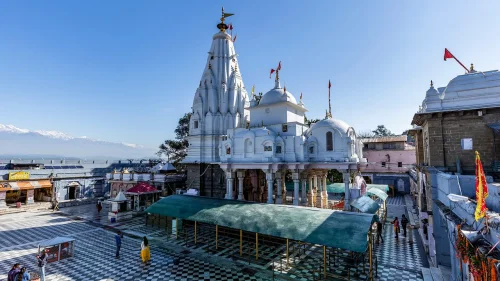
Brajeshwari Devi Temple is a prominent Hindu temple dedicated to Goddess Brajeshwari, located in Kangra near Dharamshala in Himachal Pradesh.
 Temple
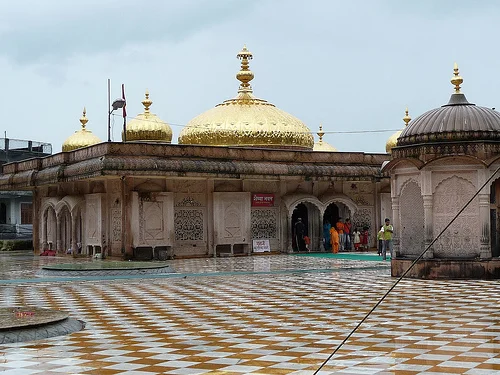
Jwala Ji (Jwalamukhi) Temple is a revered Hindu temple dedicated to Goddess Jwalamukhi, located in Kangra district of Himachal Pradesh and recognized as one of the important Shakti Peethas in India.
Get customized Himachal Pradesh tour planning designed around season, road conditions, hill travel pacing, and comfort preferences. Whether you are visiting for snow experiences, mountain landscapes, temple towns, adventure activities, or relaxed valley s
⚡ Quick Response | 💰 Free consultation | 🕒 24×7 expert support

