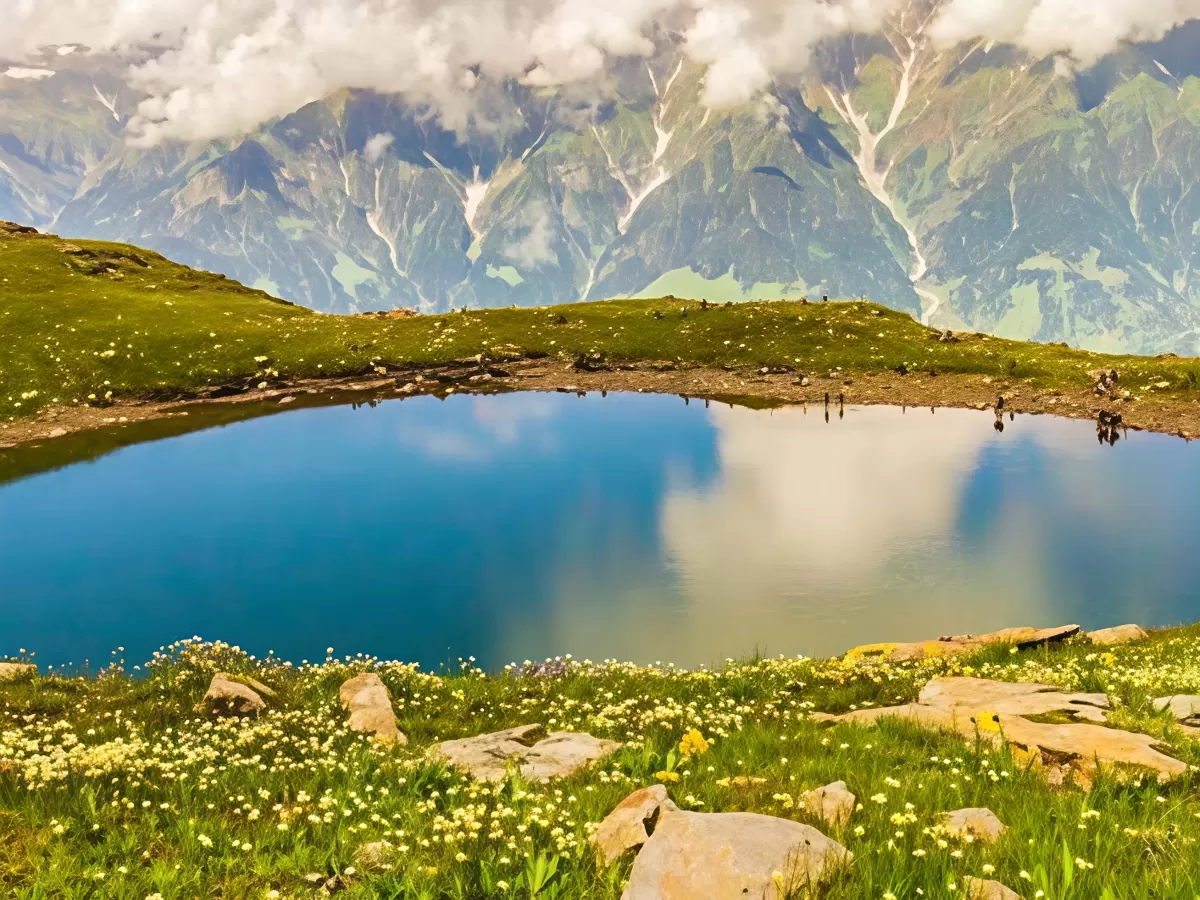
Bhrigu Lake Trek Near Manali Himachal Pradesh

Bhrigu Lake , Manali
Bhrigu Lake sits at an altitude of around 4300 meters above sea level and is accessed via a moderate to challenging trek starting from Gulaba, near Manali. The lake is considered sacred by locals and is associated with Maharishi Bhrigu. Unlike many Himalayan lakes, it remains partially frozen well into summer. The trek offers open grasslands early on, followed by exposed ridgelines with little shade. Weather can change quickly, and visibility often depends on early morning conditions. Facilities are minimal beyond the trailhead, and the route is best attempted with local guidance during the trekking season.

Quick Facts About Bhrigu Lake

Entry Fee Free
Timings 06:00 - 18:00
Altitude (m) 4300
Ideal Visit Duration (days) 2
Best Time of Day Morning
Crowd Level Moderate
Distance from Manali (km) 22
Walking Difficulty Difficult
Parking Available Yes
Last Mile Access Trek
Suitable for Kids No
Suitable for Seniors No
Wheelchair Friendly No

Why Visit

Bhrigu Lake is worth visiting for travelers who want a true high-altitude experience without committing to a long multi-day trek. The rapid altitude gain, open landscapes, and lack of built infrastructure make it feel raw and demanding. It appeals more to trekkers seeking physical challenge and changing mountain conditions than to casual sightseers.

The atmosphere is exposed and quiet once past the initial grasslands. There are no villages, permanent camps, or road noise along the upper sections. Wind, cloud movement, and shifting light dominate the experience. Time spent near the lake is usually short, not because of rules, but because the environment itself encourages brief, respectful stops.

What makes Bhrigu Lake stand out is how quickly the terrain transitions from accessible meadows to a stark alpine setting. The lake often appears suddenly after the final climb, with its condition changing drastically by season and even by hour. This unpredictability, combined with minimal human alteration, gives the place its character.

History

Bhrigu Lake is linked to local Himalayan belief systems rather than documented historical events. According to long held traditions in the Kullu region, the lake is associated with Maharishi Bhrigu, an ancient sage believed to have meditated in these high-altitude meadows. Locals maintain that the lake never fully freezes because of this association, even during harsh winters, a belief that continues to shape how the site is viewed and respected.

There are no temples, shrines, or permanent structures at the lake itself. The area has remained largely untouched due to its altitude and limited seasonal access. Historically, shepherds used the surrounding grasslands during short summer windows, but the lake was not a settlement or trade point. Trekking activity here began much later, primarily in the last few decades, as Manali grew into a base for high-altitude hikes.

Today, Bhrigu Lake holds cultural importance mainly at the local level. It is treated as a sacred natural site rather than a pilgrimage destination, with visitors expected to avoid camping directly beside the water and to leave no waste behind. This respect-based approach has helped preserve the lake in its original form despite increasing footfall.

Best Time to Visit

The best time to visit Bhrigu Lake is from late May to early October, when the trekking route from Gulaba is accessible and snow conditions are manageable. Outside this window, the trail is usually blocked by deep snow and unsafe due to avalanche risk.

June and early July are ideal for travelers who want to see snow around the lake while still having a walkable trail. During this period, the lake is often partially frozen, and temperatures can drop sharply after sunset. Afternoon cloud cover and light rain are common, so early starts are necessary.

Late July to August falls within the monsoon season. While the grasslands turn green and visibility can be good on clear mornings, the trail becomes slippery, leeches appear in lower sections, and sudden weather changes increase the risk of delays. Trekking during heavy rainfall is not recommended.

September to early October offers clearer skies, stable weather, and fewer crowds. Nights are cold, water sources begin to freeze, and snow can return unexpectedly at higher elevations. After mid-October, access usually closes due to early snowfall.
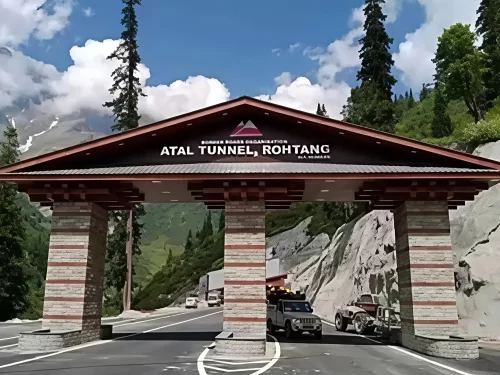
  • Late May to June for snow and early season conditions
  • July only with experienced guides due to monsoon risks
  • September for clear views and lower crowd levels
  • Avoid winter months due to complete trail closure

How to Reach Bhrigu Lake

  • By Air: The nearest airport is Bhuntar Airport, located about 50 km from Manali. From the airport, taxis are available to reach Manali. Road conditions after Bhuntar can be slow due to traffic and weather, especially during peak season.
  • By Road: Manali is well connected by road to major north Indian cities such as Delhi and Chandigarh. From Manali, travel about 22 km to Gulaba on the Manali Rohtang Pass road. This section can experience traffic congestion and occasional permit checks.
  • By Bus: Regular government and private buses operate to Manali from Delhi and Chandigarh. From Manali bus stand, local taxis or shared vehicles are required to reach Gulaba, as public buses do not stop at the trailhead consistently.
  • Last Mile Access: The trek to Bhrigu Lake starts from Gulaba. There is no motorable access beyond this point. The trekking route involves steep ascents across open grasslands and ridgelines, with no permanent shelters or facilities en route.
  • On-Ground Notes: Mobile network coverage is unreliable beyond Gulaba. Weather can shift rapidly, so confirming road and trail conditions locally in Manali before starting is essential.

What to Expect When You Visit

  • A physically demanding trek with continuous uphill sections, especially after the grassland stretch. The altitude gain is quick, and many first-time visitors feel breathless even if the distance seems short.
  • Rapid weather changes. Clear mornings can turn into fog, wind, or light snowfall within hours. Afternoon visibility is often limited, and temperatures drop sharply near the lake.
  • Sparse facilities. There are no shops, toilets, or permanent shelters beyond the trailhead. All food, water, and waste must be carried back.
  • Crowds during peak months. Despite being a high-altitude trek, the route can feel busy in June and on weekends, especially with organized trekking groups.
  • Strong wind exposure near the lake. The area around the water body is open and unsheltered, making it uncomfortable to stay for long periods.
  • Limited time at the lake itself. Due to weather risk and altitude effects, most groups spend less than an hour near the water before descending.
  • Basic safety limits. No rescue infrastructure is present on the trail. In case of injury or severe altitude sickness, evacuation depends on the group and local support from Manali.

Important Visitor Information

  • Crowd Notes: Crowd levels are highest from June to early July and on weekends, with multiple trekking groups reaching the lake around midday. Early morning starts see fewer people on the trail. September is noticeably quieter, especially on weekdays.
  • Weather Notes: Weather is unpredictable throughout the trekking season. Clear mornings can shift to fog, wind, or light snow by afternoon. Strong winds are common near the lake, and temperatures can drop below freezing even in summer.
  • Peak and Quiet Hours: Peak activity is between 11 am and 2 pm when most groups reach the lake. The quietest hours are early morning during ascent and late afternoon when most trekkers descend.
  • Dress Code: Layered clothing is essential. Carry a windproof outer layer, thermal insulation, gloves, and a cap. Weather-exposed sections offer no protection from cold or sun.
  • Safety Notes: Altitude sickness is the most common risk due to rapid ascent. Symptoms should not be ignored. There is no medical support or rescue infrastructure on the trail. Weather changes, low visibility, and slippery terrain increase risk during monsoon months.

Photography and Viewpoint

  • The best photography conditions are during early morning hours when cloud cover is low and the lake surface reflects the surrounding ridgelines. By late morning, wind usually disturbs the water and reduces reflections.
  • Wide-angle lenses work best in the open grassland section before the final ascent, where the terrain opens up toward the Dhauladhar and Pir Panjal ranges on clear days.
  • The immediate area around the lake offers limited composition options due to uneven ground and strong wind exposure. Moving a short distance uphill on the ridgeline provides a safer and more stable vantage point.
  • Seasonal snow significantly changes the color and texture of the lake. Early season photographs show muted whites and blues, while September brings darker water tones and clearer contrast with the surrounding terrain.
  • There are no designated viewpoints, railings, or marked photo spots. Footing can be loose near the lake edge, and stepping too close to the water is unsafe, especially when snow or ice is present.
  • Drone usage is restricted in the region and often prohibited without local permissions. Wind conditions at this altitude also make drone flights unreliable.

Near By Attraction

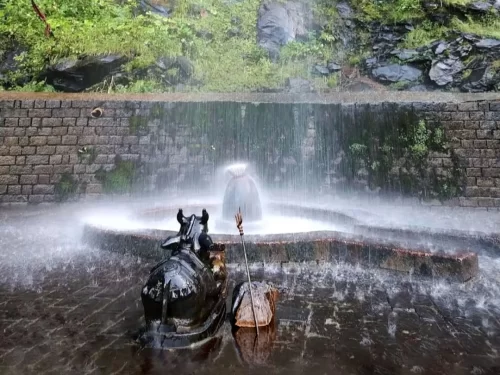
Shri Anjani Mahadev Mandir in Manali, Himachal Pradesh, featuring a natural Shiva lingam beneath cascading waterfall water with a Nandi statue in the foreground, a revered spiritual site included in Himachal Pradesh tour packages. Temple

Shri Anjani Mahadev Mandir

Shri Anjani Mahadev Mandir is a revered ancient Shiva temple near Manali, known for its naturally forming ice Shivling and stunning mountain surroundings.
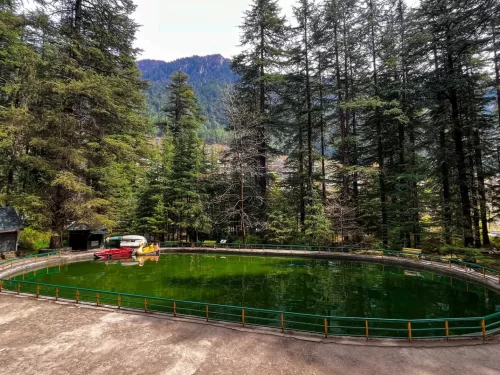
Boating at Van Vihar lake Manali during clear day, featuring green pool deodar trees and mountain backdrop, perfect romantic experience Himachal Pradesh tour package. Wildlife Sanctuary

Van Vihar National Park

Van Vihar National Park is a serene green park in Manali, famous for tall deodar trees, scenic walking trails, and riverside views.

Vibrant colonial buildings on Mall Road Shimla during dawn, featuring shops, clock tower, deodar trees, perfect shopping stroll, Himachal Pradesh tour packages. Market / Bazaar

Manali Mall Road

Mall Road Manali is the most vibrant and popular street in Manali, known for shopping, cafes, local culture, and stunning mountain vibes.

Frequently Asked Questions About Bhrigu Lake

Bhrigu Lake is located near Manali in Himachal Pradesh at an altitude of around 14000 feet in the Pir Panjal range. The lake is accessed through alpine meadows above Gulaba.
Bhrigu Lake can be reached by driving from Manali to Gulaba which takes about one hour followed by a guided trek. Most travelers start the trek from Gulaba as vehicles are not allowed beyond that point.
The best time to visit Bhrigu Lake is between May and October when the trekking routes are accessible. Snow remains on the trail in early summer while clear meadow views are common from July onward.
Trekking is required to reach Bhrigu Lake as there is no direct road access to the lake. The trek usually takes two to three days depending on the chosen itinerary.
The Bhrigu Lake trek is considered moderate and suitable for beginners with basic fitness. Steep ascents and high altitude conditions require preparation and gradual acclimatization.
Permits may be required to start the Bhrigu Lake trek from the forest check post near Gulaba. Local trekking operators in Manali usually assist with required permissions.
There are no permanent accommodation options at Bhrigu Lake due to its high altitude location. Travelers stay in camps during the trek and in hotels or guest houses in Manali before and after the trek.
Facilities during the Bhrigu Lake trek are limited to temporary camps arranged by trekking operators. There are no shops restrooms or food stalls once the trek begins.
Travelers should plan two to three days for the Bhrigu Lake trek including travel time from Manali. Some itineraries add an extra day for better acclimatization.
Travelers visiting Bhrigu Lake should carry proper trekking shoes warm clothing and sufficient water. Checking weather forecasts and preparing for sudden temperature drops is essential in the Manali region.

Loved this place ? Let’s Plan Your Himachal Pradesh Trip

Get customized Himachal Pradesh tour planning designed around season, road conditions, hill travel pacing, and comfort preferences. Whether you are visiting for snow experiences, mountain landscapes, temple towns, adventure activities, or relaxed valley s

⚑ Quick Response | πŸ’° Free consultation | πŸ•’ 24Γ—7 expert support

×

Plan Your Trip