Bhagsu Nag Temple, Dharamshala – History, Timings & Travel Guide

Bhagsu Nag Temple , Dharamshala
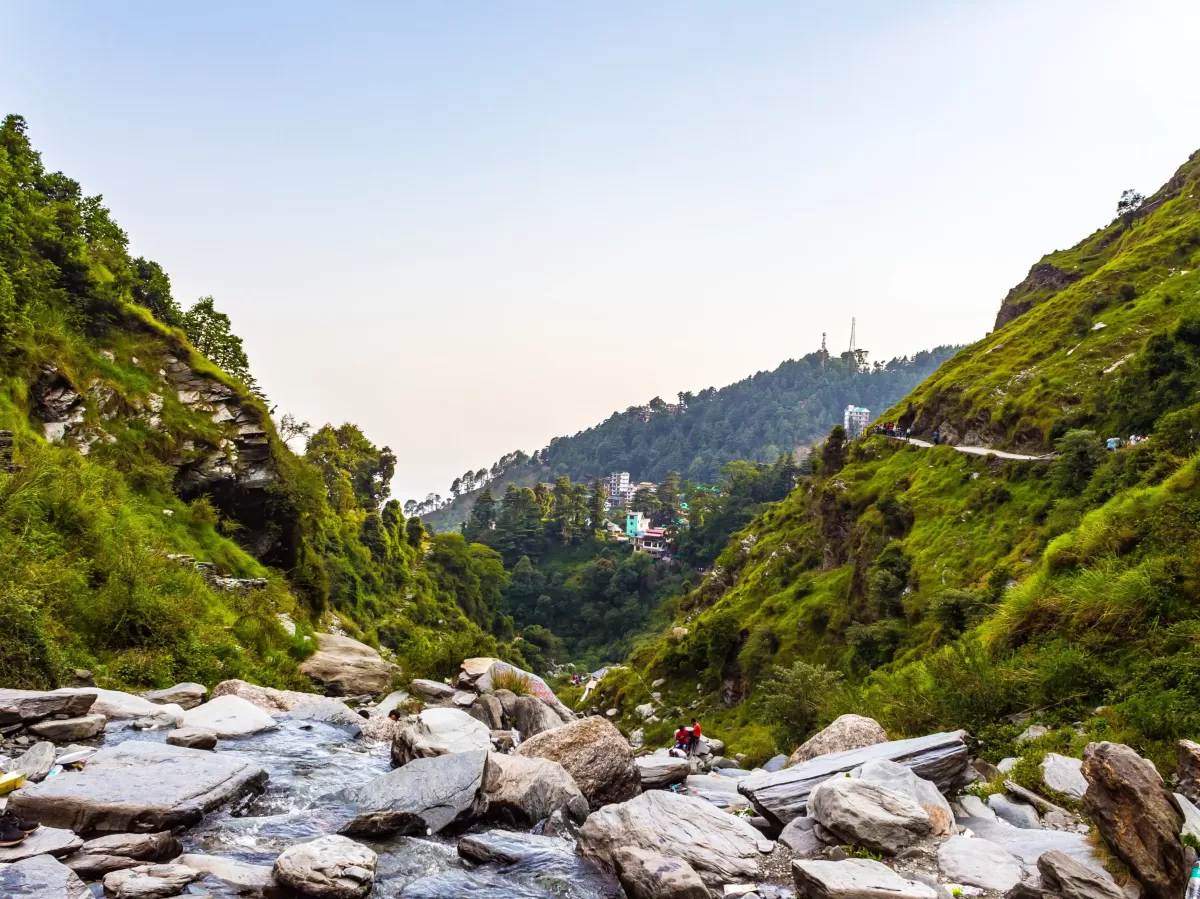
Located in the village of Bhagsu near Dharamshala, Bhagsu Nag Temple is a revered religious site associated with local legends and natural beauty. The temple is believed to be thousands of years old and holds great spiritual importance for the Gaddi community. Its peaceful setting, close proximity to Bhagsu Waterfall, and views of the surrounding hills make it a popular stop for pilgrims and tourists alike.

Quick Facts About Bhagsu Nag Temple

Entry Fee Free
Timings 06:00 - 20:00
Altitude (m) 1750
Ideal Visit Duration (hrs) 1
Best Time of Day Morning
Crowd Level High
Distance from McLeod Ganj (km) 2
Walking Difficulty Easy
Parking Available Yes
Last Mile Access Road
Suitable for Kids Yes
Suitable for Seniors Yes
Wheelchair Friendly No

Why Visit Bhagsu Nag Temple

Bhagsu Nag Temple is a place of deep spiritual significance and natural beauty, attracting both devotees and travelers seeking a peaceful retreat. Dedicated to Lord Shiva, the temple holds a special place in local folklore and is closely associated with the faith of the Gaddi community. Its location near the famous Bhagsu Waterfall adds to its charm, making it a unique blend of devotion and scenic appeal.

Atmosphere: The temple offers a calm and devotional atmosphere, especially during early mornings and evenings when chants and bells create a serene spiritual ambiance. Surrounded by hills and fresh mountain air, the setting feels tranquil despite being close to McLeod Ganj’s lively tourist area.

What Makes it Special: What sets Bhagsu Nag Temple apart is its ancient heritage, strong local reverence, and close connection to natural elements like flowing springs and the nearby waterfall. The temple is also associated with traditional fairs and rituals, giving visitors an authentic glimpse into Himachali religious life.

History of Bhagsu Nag Temple

Bhagsu Nag Temple is believed to be an ancient shrine, with origins dating back several centuries. The temple is dedicated to Lord Shiva, worshipped here in the form of Nag Devta (the Snake God), from whom the area derives its name. According to local legend, King Bhagsu, a ruler of the region, sought forgiveness from Lord Shiva after stealing sacred water meant for a ritual, and the temple was established at this site as an act of devotion.

The temple has long been an important place of worship for the local Gaddi community, who regard Nag Devta as a protector deity. Over time, Bhagsu Nag Temple became a focal point for regional religious gatherings, fairs, and seasonal rituals, especially during monsoon months when the nearby waterfall is in full flow.

Though modest in structure, the temple’s enduring spiritual relevance and association with natural water sources have helped preserve its importance through generations. Its continued use as a living place of worship reflects the strong faith traditions of the region.

Best Time to Visit Bhagsu Nag Temple

Bhagsu Nag Temple can be visited throughout the year, but the experience varies with the seasons. The most comfortable and visually appealing time to visit is from spring to early summer and again during autumn, when the weather is pleasant and the surroundings are at their scenic best.

  • March to June: Ideal months with mild temperatures and clear skies. This period is perfect for combining a temple visit with nearby attractions such as Bhagsu Waterfall and village walks.
  • July to September: The monsoon season brings lush greenery and a powerful waterfall, enhancing the spiritual and natural ambiance. However, visitors should be cautious due to slippery paths and occasional heavy rainfall.
  • October to November: One of the best times to visit, offering cool weather, fewer crowds, and excellent visibility of the surrounding hills.
  • December to February: Winter visits are peaceful but can be cold, especially in the mornings and evenings. Occasional snowfall may limit accessibility but adds a serene charm to the temple.
  • Best Time of Day: Early morning and evening hours are ideal for a quieter experience and to witness daily ???? (rituals) in a calm setting.

How to Reach Bhagsu Nag Temple

  • By Air: Kangra Airport (Gaggal) is the nearest airport, located approximately 20 km from Bhagsu Nag Temple. The airport has regular flights from Delhi. From the airport, visitors can hire a taxi or use local transport to reach McLeod Ganj and then Bhagsu village in about 45–60 minutes.
  • By Train: Pathankot Junction is the nearest major railway station, around 90 km away. It is well connected to major cities like Delhi, Amritsar, and Jammu. From Pathankot, travelers can take a taxi or bus to Dharamshala or McLeod Ganj, which usually takes 3–4 hours.
  • By Road: Dharamshala and McLeod Ganj are well connected by road to cities such as Delhi, Chandigarh, and Shimla. Regular buses operated by Himachal Road Transport Corporation (HRTC) and private operators run to Dharamshala. From McLeod Ganj, Bhagsu Nag Temple is about 2 km and easily reachable by taxi, auto-rickshaw, or local bus.
  • Local Access: The temple is located in Bhagsu village and is accessible via a short walk from the road. The pathway is well-defined but may be crowded during peak tourist seasons and festivals.

What to Expect When You Visit Bhagsu Nag Temple

  • Spiritual Atmosphere: Visitors can expect a deeply devotional environment, with the sound of temple bells, chants, and flowing water creating a peaceful and sacred ambiance, especially during morning and evening ????.
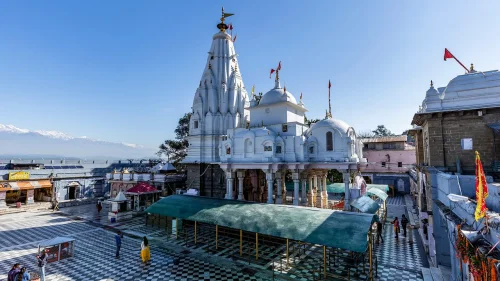
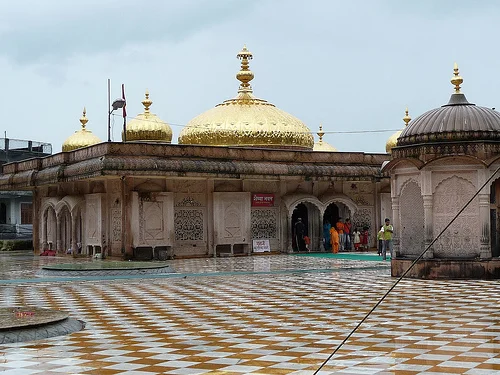
  • Traditional Temple Setting: The temple has a simple yet meaningful structure that reflects local Himalayan religious architecture. Devotees often perform rituals and offer prayers, giving visitors an authentic experience of regional faith practices.
  • Natural Surroundings: The presence of natural springs and the nearby Bhagsu Waterfall adds to the serene experience. The surrounding greenery and mountain air enhance the sense of calm and reflection.
  • Short and Comfortable Visit: The temple premises are compact and can be explored comfortably within a short time. Most visitors spend additional time relaxing nearby or walking toward the waterfall trail.
  • Local Interaction: You may encounter local priests and residents who share stories and traditions connected to the temple, offering deeper insight into its cultural and spiritual importance.

Important Visitor Information

  • Crowd & Weather Notes: Bhagsu Nag Temple experiences moderate to high crowds, especially during weekends, holidays, and religious festivals. Weather remains pleasant from March to June and October to November, while monsoon months can bring heavy rainfall and slippery paths near the temple and waterfall.
  • Peak / Quiet Hours: Peak visiting hours are typically from late morning to early evening, particularly during tourist season. Early mornings and evenings are quieter and more suitable for a peaceful darshan and temple experience.
  • Dress Code: Modest attire is recommended as the temple is an active place of worship. Visitors should wear clothing that covers shoulders and knees. Footwear must be removed before entering the temple premises.
  • Safety Notes: The area is generally safe, but visitors should be cautious on wet and uneven pathways, especially during monsoon season. Seniors and children should be accompanied during peak crowd hours. Keep personal belongings secure in busy periods.

Photography and Viewpoint

  • Temple Architecture Photography: Bhagsu Nag Temple offers simple yet meaningful architectural elements that are ideal for close-up photography. The stone structure, prayer flags, and traditional shrine details capture the spiritual character of the site.
  • Natural Surroundings: The temple’s location amid hills and greenery provides excellent opportunities for nature photography. The nearby Bhagsu Waterfall, especially during monsoon and post-monsoon months, adds dramatic scenic frames.
  • Best Time for Photography: Early morning light is ideal for photography, offering soft illumination and fewer crowds. Late afternoon also provides good lighting while capturing the temple against a serene mountain backdrop.
  • Viewpoint Experience: While the temple itself is not a high-altitude viewpoint, the surrounding area offers pleasant views of Bhagsu village and nearby hills. Short walks around the temple provide peaceful vantage points for observation and relaxation.
  • Photography Guidelines: Photography is generally allowed in the outer areas of the temple complex. Visitors are advised to avoid using flash inside the shrine and to respect worshippers during prayer times.

Near By Attraction

Masroor Rock-Cut Temple near Dharamshala featuring ancient monolithic stone temples carved from rock, reflected in a green water tank with clear blue sky above. Historical Site

Masroor Rock-cut Temple

The Masroor Rock-cut Temple is a stunning ancient temple complex carved directly into rock, located in the Kangra Valley of Himachal Pradesh.

Kangra Art Museum in Dharamshala featuring a grand yellow and maroon building with wide red staircases, decorative emblem at the entrance, and snow-capped Dhauladhar mountains in the background. Museum

Kangra Art Museum

The Kangra Art Museum is a vibrant cultural space in Dharamshala dedicated to preserving and showcasing the unique art and heritage of the Kangra Valley.

The Tibet Museum in Dharamshala featuring a grand Tibetan-style building with golden rooftops, red facade, wide staircase lined with flowers, and visitors at the entrance under a blue sky. Museum

The Tibet Museum

The Tibet Museum in Dharamshala offers a deep insight into the rich cultural heritage and history of Tibet through captivating exhibits and displays.

Frequently Asked Questions About Bhagsu Nag Temple

The best time to visit Bhagsu Nag Temple, McLeod Ganj is from March to June when the weather is pleasant for walking. Monsoon months in Dharamshala Himachal Pradesh can make nearby paths slippery.
Bhagsu Nag Temple, McLeod Ganj is generally open from early morning until evening. Timings may extend during festivals and special prayer days in Dharamshala Himachal Pradesh.
There is no entry fee for Bhagsu Nag Temple, McLeod Ganj for regular darshan. Visitors can enter freely and offer prayers without mandatory charges.
Bhagsu Nag Temple, McLeod Ganj is located about 2 kilometers from the main square and can be reached by taxi or on foot. The route within Dharamshala Himachal Pradesh is well connected and clearly marked.
Most visitors spend around 45 minutes to one hour at Bhagsu Nag Temple, McLeod Ganj. Extra time may be needed if visiting the nearby waterfall.
Bhagsu Nag Temple, McLeod Ganj is suitable for families including elderly visitors. The approach road is accessible though short uphill stretches require comfortable walking shoes.
Visitors to Bhagsu Nag Temple, McLeod Ganj should carry water and wear comfortable footwear. Weather in Dharamshala Himachal Pradesh can change quickly especially in the evening.
Photography is generally allowed at Bhagsu Nag Temple, McLeod Ganj in the outer areas. Visitors should avoid disturbing prayer activities inside the main shrine.
Limited parking is available near Bhagsu Nag Temple, McLeod Ganj depending on season and crowd levels. During peak months in Dharamshala Himachal Pradesh parking may require short waiting time.
Bhagsu Nag Temple, McLeod Ganj can be combined with visits to Bhagsu Waterfall and Dalai Lama Temple. These attractions are located within short distance in Dharamshala Himachal Pradesh.

Loved this place ? Let’s Plan Your Himachal Pradesh Trip

Get customized Himachal Pradesh tour planning designed around season, road conditions, hill travel pacing, and comfort preferences. Whether you are visiting for snow experiences, mountain landscapes, temple towns, adventure activities, or relaxed valley s

⚡ Quick Response | 💰 Free consultation | 🕒 24×7 expert support

×

Plan Your Trip