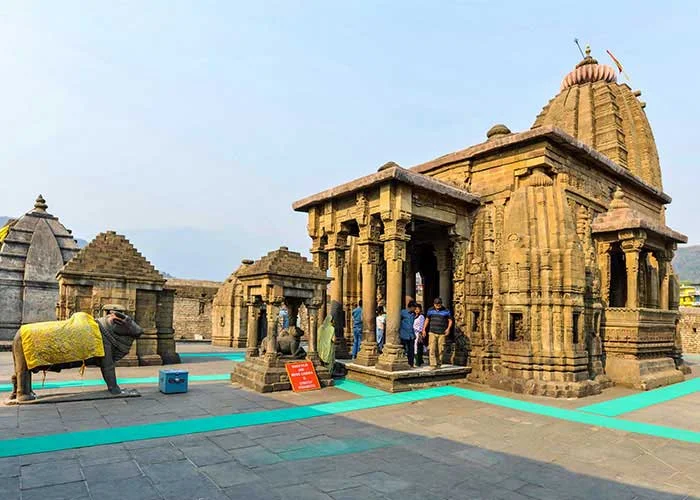
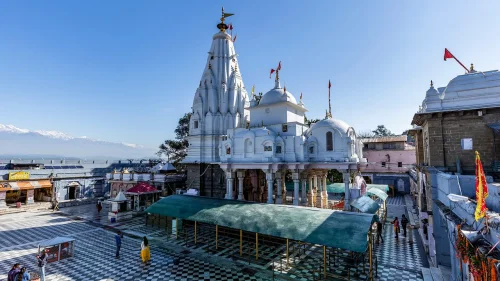
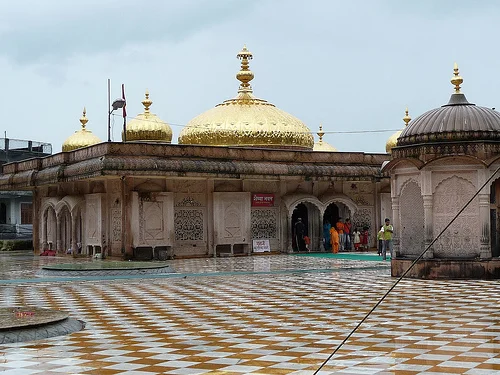
Baijnath Temple, Kangra, Himachal Pradesh, India

Baijnath Temple , Dharamshala
Tourists and pilgrims visit the temple for its well-preserved Nagara-style architecture, stone carvings, and religious significance. Dating back to the 13th century, it is one of the most important Shiva temples in Himachal Pradesh and remains an active place of worship throughout the year.

Quick Facts About Baijnath Temple

Baijnath Temple Kangra Quick Facts

Entry Fee No entry fee
Timings Generally open from 6:00 AM to 9:00 PM; temple schedules may vary during festivals and special religious occasions.
Altitude (m) Approximately 1,000 m above sea level
Ideal Visit Duration 1–2 hours
Best Time of Day Early morning or evening during aarti hours
Crowd Level Moderate; higher during Mahashivratri, Shravan month, and major Hindu festivals
Distance from City Centre (km) Approximately 16 km from Palampur town centre
Walking Difficulty Easy
Parking Available Yes, parking facilities are available near the temple complex
Last Mile Access Direct road access to the temple entrance; short walk within the complex
Suitable for Kids Yes
Suitable for Seniors Yes
Wheelchair Friendly Partially; the main approach is accessible, but some temple areas may have steps and uneven surfaces

Why Visit Baijnath Temple Kangra

Visitors come to Baijnath Temple to see one of Himachal Pradesh’s most significant Shiva temples, known for its well-preserved stone architecture and active place of worship.

The atmosphere is peaceful and devotional, with pilgrims, local residents, and travelers visiting the temple complex for prayer, reflection, and a closer look at its historic structure.

What makes Baijnath Temple distinct is its detailed Nagara-style architecture, scenic setting in the Kangra Valley, and its continuing role as an important religious site dedicated to Lord Shiva.

History of Baijnath Temple Kangra

Baijnath Temple is one of the oldest surviving stone temples in Himachal Pradesh and was built in 1204 CE by two local merchants, Ahuka and Manyuka. Dedicated to Lord Shiva in the form of Vaidyanath (the Lord of Healing), the temple is renowned for its Nagara-style architecture and finely carved stone inscriptions.

The temple has been an important center of Hindu worship for centuries and is closely associated with legends from the Shiva Purana. Its historical inscriptions and well-preserved medieval architecture make it a significant religious and cultural landmark in the Kangra Valley.

Best Time to Visit Baijnath Temple Kangra

Baijnath Temple can be visited throughout the year, but the most comfortable time for sightseeing and temple visits is from October to June, when the weather is pleasant and the surrounding Dhauladhar views are often clear.

  • Ideal months: October to June is considered the best period to visit Baijnath Temple, with pleasant conditions for darshan, photography, and exploring the temple complex.
  • Weather conditions during the best season: Winter and spring offer cool to mild temperatures, comfortable walking conditions, and generally clear views of the surrounding mountains and Kangra Valley.
  • Periods to avoid: July to September brings monsoon rainfall to the region, which can affect outdoor exploration and make travel less convenient. Visitors during Maha Shivaratri should expect significantly larger crowds due to the temple's religious importance.

How to Reach Baijnath Temple Kangra

  • Nearest Airport: Kangra Airport (Gaggal Airport), located approximately 55 km from Baijnath Temple, is the nearest airport. Taxis and local transport are available for onward travel to the temple town.
  • Nearest Railway Station: Baijnath Paprola Railway Station on the Pathankot–Joginder Nagar narrow-gauge railway line is the nearest station, situated about 2 km from the temple. Pathankot Junction serves as the nearest major railhead with wider connectivity.
  • Road Access and Last-Mile Connectivity: Baijnath Temple is situated in Baijnath town and is well connected by road from Palampur, Dharamshala, Kangra, and Mandi. The temple can be reached directly by private vehicles, taxis, and state-run buses. The final approach is fully motorable, with parking facilities available near the temple complex. Road access remains reliable throughout the year.

What to Expect When You Visit Baijnath Temple Kangra

  • Environment and Surroundings: Baijnath Temple is a historic stone temple dedicated to Lord Shiva, situated beside the Binwa River with views of the Dhauladhar mountains. The atmosphere is generally calm and devotional, attracting both pilgrims and heritage enthusiasts.
  • Facilities and Amenities: Basic facilities such as drinking water, shoe-keeping areas, and shops selling offerings are available near the temple. Additional restaurants, shops, and services can be found in Baijnath town.
  • Accessibility and Movement: The temple is easily accessible by road and requires only a short walk from nearby parking areas. The main complex is relatively easy to navigate, though some uneven stone surfaces may require attention.
  • Visitor Conditions: Most visitors come for darshan, prayer, and to admire the temple's architecture. Crowd levels are usually manageable but increase during Maha Shivaratri, Shravan month, and other important Hindu festivals, leading to longer queues.

Important Visitor Information for Baijnath Temple Kangra

  • Baijnath Temple receives the highest number of visitors during Maha Shivaratri, the Shravan month, weekends, and major Hindu festivals, when queues for ????? can be longer than usual.
  • Early morning hours generally provide a quieter and more peaceful atmosphere, while late mornings and evenings tend to see increased devotee activity.
  • The temple remains open throughout the year, though monsoon rains can affect outdoor movement around the complex and surrounding areas.
  • Modest attire is expected inside the temple premises, and footwear must be removed before entering the sacred areas.
  • Visitors should follow temple guidelines during worship, maintain decorum within the complex, and exercise caution on stone surfaces that may become slippery during wet weather.

Photography and Viewpoints at Baijnath Temple Kangra

  • The finest photographs are typically taken from the temple courtyard and outer pathways, where the complete Nagara-style stone architecture, detailed carvings, and shikhara can be captured in a single frame.
  • Morning light illuminates the eastern sections of the temple and highlights architectural details, while late afternoon provides balanced lighting across the main structure and surrounding complex.
  • The landscaped grounds around the temple offer wider angles that include the historic shrine against the backdrop of the Dhauladhar foothills and the scenic Kangra Valley setting.
  • Photography of the temple exterior is generally permitted, but photography inside the sanctum and during religious rituals may be restricted. Visitors should follow instructions issued by temple authorities.
  • The stone carvings, entrance gateway, and ancient inscriptions are best photographed during daylight hours when shadows do not obscure fine details.
  • During Maha Shivaratri and other major religious festivals, increased visitor numbers can make unobstructed photography more challenging within the temple complex.
  • Tripods, commercial shoots, and drone photography may require prior approval or may be restricted within the temple premises and surrounding protected heritage areas.

Near By Attraction

 Monastery

Sherabling Monastery

Sherabling Monastery is a Tibetan Buddhist monastery situated in the Bhattu area of Kangra district, Himachal Pradesh, and serves as the seat of the Tai Situpa lineage of the Kagyu school of Buddhism.

 Market / Bazaar

Dharamshala Mall Road

Dharamshala Mall Road is a central commercial and pedestrian-friendly area known for local shopping, cafés, restaurants, and views of the surrounding hills.

 Temple

Baglamukhi Temple

Baglamukhi Temple is a prominent Hindu temple dedicated to Goddess Baglamukhi, one of the ten Mahavidyas, located in the Kangra district of Himachal Pradesh.

Frequently Asked Questions About Baijnath Temple

Loved this place ? Let’s Plan Your Himachal Pradesh Trip

Get customized Himachal Pradesh tour planning designed around season, road conditions, hill travel pacing, and comfort preferences. Whether you are visiting for snow experiences, mountain landscapes, temple towns, adventure activities, or relaxed valley s

⚡ Quick Response | 💰 Free consultation | 🕒 24×7 expert support

×

Plan Your Trip