Quick Facts About Ghoghla Beach
Quick Facts About Ghoghla Beach, Diu
| Entry Fee | Free |
|---|---|
| Timings | Open 24 hours (best visited during daylight hours) |
| Altitude (m) | 0 m (sea level) |
| Ideal Visit Duration | 1 – 2 hours |
| Best Time of Day | Early morning or late afternoon (sunrise/sunset) |
| Crowd Level | Low to Moderate (quieter on weekdays; busier on weekends and holidays) |
| Distance from City Centre (km) | Approx. 9 km from Diu city centre |
| Walking Difficulty | Easy (flat sandy beach) |
| Parking Available | Limited parking near the beach access points |
| Last Mile Access | Private vehicle, taxi, or auto-rickshaw recommended |
| Suitable for Kids | Yes (safe for walking and beach activities under supervision) |
| Suitable for Seniors | Yes (gentle walking and seating available) |
| Wheelchair Friendly | Partially (main access path accessible; sandy beach may be difficult) |
Why Visit Ghoghla Beach, Diu
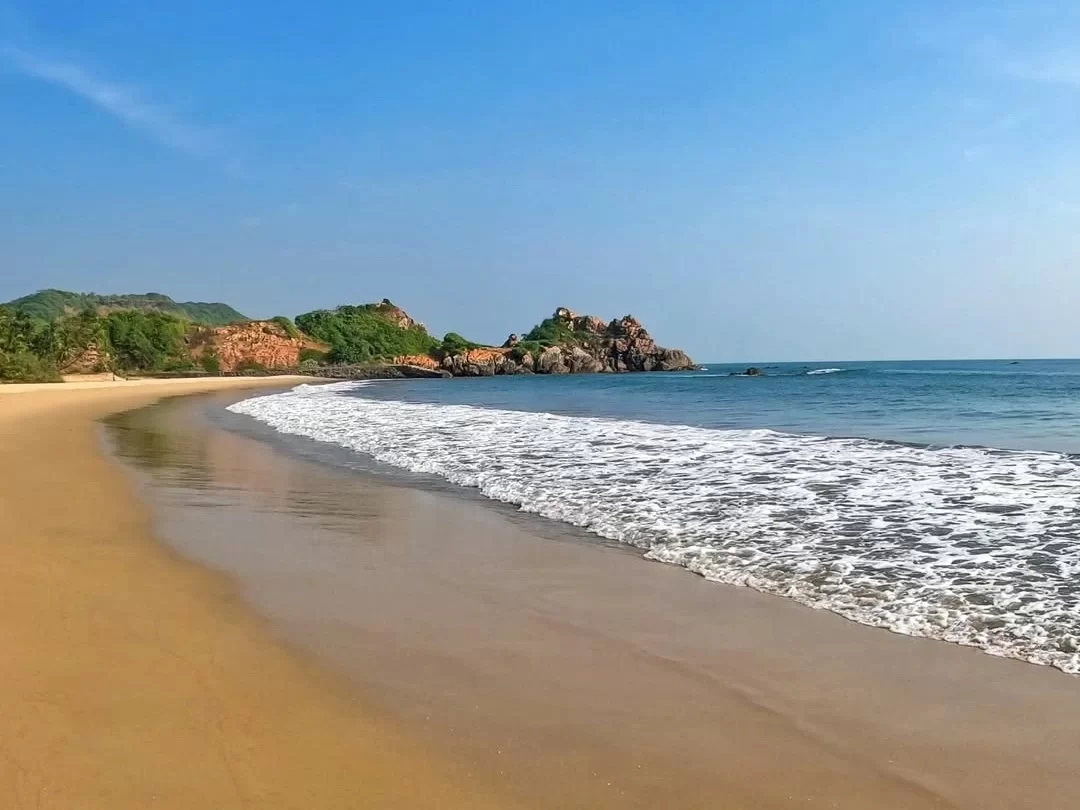
Ghoghla Beach in Diu is a popular seaside destination attracting visitors for its long sandy shore and scenic views of the Arabian Sea. Tourists come here to relax, take walks along the beach, and enjoy the coastal ambiance. It is a favored spot for families, couples, and travelers looking for a vibrant yet laid-back beach experience.
The atmosphere at Ghoghla Beach is lively and refreshing, with gentle waves, soft sand, and occasional local vendors adding to the charm. Visitors can engage in casual beach activities, enjoy sunsets, or simply sit and take in the surrounding natural beauty. Early mornings offer tranquility, while evenings see a moderate crowd creating a pleasant, social vibe.
What makes Ghoghla Beach special is its combination of accessibility, natural beauty, and recreational appeal. The long shoreline and clean environment make it ideal for relaxation and photography. For travelers, it offers a quintessential Diu beach experience with both scenic views and local coastal culture.
History of Ghoghla Beach, Diu
Ghoghla Beach in Diu, a union territory of India, is a long and sandy coastal stretch along the Arabian Sea. While it does not have an ancient historical background, the beach has traditionally been used by local fishing communities and as a recreational area for residents and visitors.
The beach gained cultural and social significance over time as a public gathering place, where people come for leisure, local festivals, and seaside activities. Its natural expanse and scenic beauty have made it one of Diu’s most accessible and popular coastal spots.
Today, Ghoghla Beach is a key tourist landmark in Diu. Visitors enjoy its calm waters, beach walks, and panoramic views, making it an important destination for recreation, photography, and experiencing the coastal charm of the region.
Best Time to Visit Ghoghla Beach, Diu
Ghoghla Beach in Diu is best visited during the cooler months when the coastal weather is pleasant for walking, swimming, and enjoying the long sandy shoreline. Pleasant conditions enhance beach activities, photography, and relaxation by the Arabian Sea.
- Ideal Months: October to February (best for beach walks, water activities, and scenic photography).
- Weather During Best Season: Mild temperatures with gentle sea breezes, making it ideal for strolling along the beach, swimming safely, and capturing sunset views.
- Periods to Avoid: April to June due to peak summer heat, which can make outdoor activities tiring, and July to September during monsoon when heavy rains and rough sea conditions may affect safety and enjoyment.
How to Reach Ghoghla Beach, Diu
- Nearest Airport: The nearest airport is Diu Airport, located around 25–28 km from Ghoghla Beach. From the airport, tourists can hire a taxi or private car via local roads to reach the beach.
- Nearest Railway Station: Diu does not have a railway station. The nearest major railway station is Veraval Railway Station, approximately 85–90 km away. From Veraval, tourists can hire a taxi or take a bus to reach Diu.
- Road Access & Last-Mile Connectivity: Ghoghla Beach is accessible via NH 953 and local coastal roads. Private vehicles, taxis, and auto-rickshaws provide smooth last-mile connectivity. Short walking from parking areas is required to reach the beach shoreline.
- Travel Conditions to Note: The beach is more serene than city beaches but can get moderately crowded during weekends and holidays. Roads are generally well-maintained, though early morning visits are recommended for a peaceful experience and better photography. Mobile connectivity may be intermittent in some parts of the coastal area.
What to Expect When You Visit Ghoghla Beach, Diu
- Wide sandy shoreline: Expect a long, open beach with soft sand and gentle waves, ideal for walking, photography, and enjoying coastal views in a relatively quiet setting.
- Light to moderate crowds: The beach is generally peaceful, attracting families, couples, and tourists. Weekends and holidays may see a higher number of visitors, while weekdays remain calm.
- Walking and exploration: Visitors can stroll along the shore, explore tidal pools, or relax on the sand. Some areas may have rocks or uneven surfaces, so comfortable footwear is recommended.
- Limited facilities: Amenities are minimal, with a few shaded areas or benches. Restrooms and food stalls are typically located outside or at nearby local establishments.
- Photography opportunities: Excellent for sunrise and sunset shots, wide-angle sea photography, and scenic landscape captures, particularly during early morning or late afternoon.
- Water activities: Swimming is possible in shallow areas, but waves and currents can vary. Caution is advised, and it’s best to stay near the shoreline.
- Accessibility considerations: Most areas are walkable, but rocky or uneven sections may pose minor challenges for seniors, children, or wheelchair users.
- Visitor behavior: Most visitors come for walks, relaxation, photography, or casual beach activities. Quiet and respectful conduct is encouraged to preserve the natural environment.
- Weather impact: Summers can be hot and sunny, while monsoon season may bring strong winds and rough seas. Morning and late afternoon visits are ideal for comfort and optimal lighting.
- Visit duration: Visitors typically spend 1 to 2 hours exploring the beach, enjoying the views, and taking photographs.
Important Visitor Information for Ghoghla Beach, Diu
- Crowd & Weather Notes: Ghoghla Beach is one of Diu’s most popular and scenic beaches, attracting tourists, families, and photography enthusiasts. Winter months (October to February) provide the most pleasant weather. Summers can be hot and humid, while monsoon season brings rough sea conditions and strong winds.
- Peak Visiting Hours: The beach is busiest during late morning to early afternoon (10:00 AM to 1:00 PM) and evening hours (4:00 PM to 6:30 PM), especially on weekends, public holidays, and during tourist peak seasons.
- Quiet Visiting Hours: Early mornings (6:00 AM to 9:00 AM) and weekday afternoons are the most peaceful, ideal for photography, sunrise views, and beach walks without crowds.
- Dress Code (If Applicable): There is no formal dress code. Comfortable casual clothing and beach-appropriate footwear are recommended. Sun protection, hats, and sunglasses are advisable during summer visits.
- Safety & Practical Cautions: Swimming is not recommended during high tide or rough sea conditions. Exercise caution on wet rocks or uneven sand. Supervise children closely. Carry water and sun protection. Photography is allowed, but avoid disturbing local wildlife or other visitors.
Photography and Viewpoints at Ghoghla Beach, Diu
- Best viewpoint for wide beach shots: The main shoreline and central promenade provide panoramic views of Ghoghla Beach, capturing the sandy stretch, turquoise waters, and distant horizon for wide-angle coastal photography.
- Most photogenic spot: The northern rocky outcrops and beachside piers create natural foregrounds for composition, allowing waves, sand textures, and the horizon to be captured with depth.
- Best time of day for natural lighting: Early morning (6 AM to 9 AM) provides soft, diffused light, calm waves, and minimal visitors, ideal for serene landscape and reflection shots.
- Golden hour advantage: Late afternoon to sunset (4:30 PM to 6:30 PM) casts warm golden tones across the beach and water, producing dramatic, visually striking compositions.
- Midday lighting conditions: Between 11 AM and 3 PM, harsh sunlight can flatten textures, create glare on water surfaces, and reduce contrast in photographs.
- Best photography subjects: Sandy shoreline, waves, coastal rocks, piers, and reflections on wet sand provide excellent opportunities for wide-angle and close-up shots.
- Crowd factors affecting photography: Weekends and holidays attract more visitors, which can limit unobstructed shots along popular stretches of the beach.
- Best crowd-free photography window: Weekday mornings are ideal for capturing the beach, rocks, and water without interference from visitors.
- Photography restrictions: Avoid disturbing local flora and stepping on sensitive rocks. Flash photography is generally unnecessary due to abundant natural light.
- Drone and professional shoot rules: Drone photography and commercial filming require prior permission from local authorities to ensure safety, environmental protection, and minimal disturbance to visitors.