Quick Facts About Shri Damodar Temple
Quick Facts About Shri Damodar Temple South Goa
| Entry Fee | No entry fee free to visit the temple |
|---|---|
| Timings | Open daily from 6 00 AM to 9 00 PM with specific prayer and aarti timings during the day |
| Altitude (m) | Located at approximately 10 meters above sea level in Zambaulim village South Goa |
| Ideal Visit Duration | 45 minutes to 1.5 hours for darshan and temple exploration |
| Best Time of Day | Morning hours for peaceful darshan and participation in rituals |
| Crowd Level | Moderate during regular days high during annual Shigmo festival and temple celebrations |
| Distance from City Centre (km) | About 40 kilometers from Panaji and around 12 kilometers from Margao |
| Walking Difficulty | Low walking difficulty with flat access around temple premises |
| Parking Available | Yes parking available near the temple complex |
| Last Mile Access | Accessible by taxi scooter or private vehicle via Zambaulim village road |
| Suitable for Kids | Yes suitable for children with supervision inside temple premises |
| Suitable for Seniors | Yes generally suitable with easy ground level access |
| Wheelchair Friendly | Partially wheelchair accessible depending on entrance pathway and ramps |
Why Visit Shri Damodar Temple, South Goa
Atmosphere at Shri Damodar Temple is peaceful and deeply devotional, offering a serene spiritual environment in the heart of South Goa. Surrounded by traditional village settings and calm natural surroundings, the temple provides a reflective space for worship and contemplation. The rhythmic chanting of prayers and the scent of incense enhance the sacred ambiance, making the visit spiritually uplifting.
What makes Shri Damodar Temple special is its religious significance and long-standing cultural importance among the local Hindu community. Dedicated to Lord Damodar, a form of Lord Krishna, the temple is known for its simple yet elegant Goan temple architecture and its vibrant annual festivals that attract devotees from across the region. The temple complex reflects a blend of devotion, heritage, and community tradition that has been preserved over generations.
Beyond its spiritual value, Shri Damodar Temple represents the resilience and continuity of Goa’s Hindu heritage. It attracts pilgrims, cultural enthusiasts, and travelers seeking insight into the religious traditions of South Goa beyond its beaches. The visit leaves guests with a lasting sense of calm, reverence, and appreciation for the region’s enduring spiritual identity.
History of Shri Damodar Temple, South Goa
Shri Damodar Temple, located in Zambaulim in South Goa, is an important Hindu shrine dedicated to Lord Damodar, a form of Lord Shiva. The temple’s origins trace back several centuries and are closely linked to the period of Portuguese religious persecution in the 16th century. During this time, many Hindu temples in coastal Goa were destroyed or relocated to safer inland areas, and the idol of Lord Damodar was moved from its original site in Margao to Zambaulim for protection.
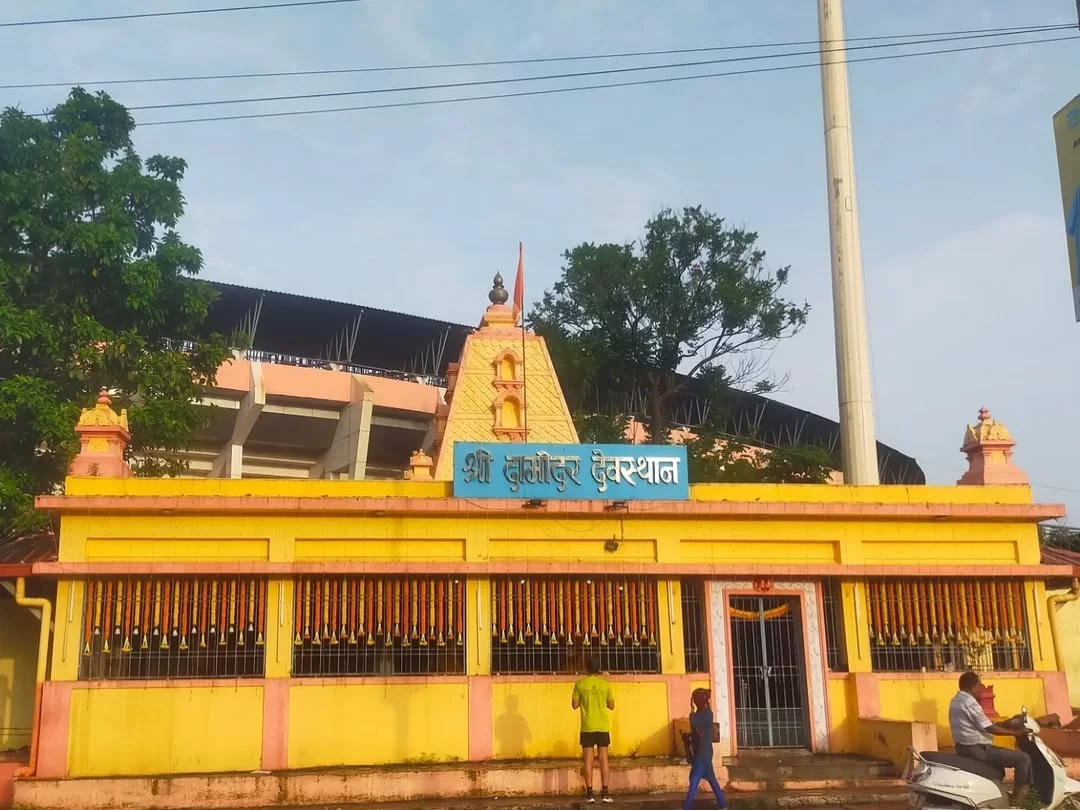
The present structure reflects traditional Goan temple architecture, characterized by a deepastambha (lamp tower), tiled roofs, and a spacious courtyard. Over the centuries, Shri Damodar Temple became a spiritual anchor for the Hindu community in South Goa, preserving religious practices and cultural identity during challenging historical phases.
The temple is especially known for its annual Shigmo and other religious festivals, which draw devotees from across Goa. Today, Shri Damodar Temple stands as a symbol of resilience, faith, and the preservation of Hindu traditions in a region shaped by centuries of colonial and cultural transition.
Best Time to Visit Shri Damodar Temple South Goa
The best time to visit Shri Damodar Temple in South Goa depends on weather comfort and the festive calendar, as the temple attracts devotees throughout the year. Planning your visit during pleasant months enhances both spiritual experience and travel convenience.
November to March is considered the ideal period to visit. During these months, the weather in South Goa is cool and comfortable with clear skies, making it easy to participate in temple rituals and explore the surrounding area without discomfort from heat or humidity.
Summer months from April to June can be warm and humid, particularly during midday. Early morning or evening visits are recommended for a more comfortable darshan experience.
Monsoon season from June to September brings heavy rainfall and lush green surroundings. While the temple appears serene and less crowded during this time, travel may occasionally be affected by rain showers. Visitors should check weather conditions before planning.
- November to March for pleasant weather and comfortable temple visits
- Early mornings ideal for peaceful darshan and rituals
- April to June for visits during cooler morning or evening hours
- June to September for fewer crowds and monsoon greenery
- Festival days may experience higher footfall
How to Reach Shri Damodar Temple, South Goa
- By Air: The nearest airport is Goa International Airport (Dabolim), approximately 30 km from Shri Damodar Temple in Zambaulim. Manohar International Airport (Mopa) is about 70 km away. Taxis and app-based cab services are available from both airports for a direct transfer.
- By Train: The closest railway station is Madgaon (Margao) Railway Station, around 15 km from the temple. The station is well connected to major Indian cities, and taxis or local transport are easily available for onward travel.
- By Road: The temple is accessible via NH66 and well-maintained internal roads of South Goa. Private taxis, rental scooters, self-drive cars, and state-run buses operate from Margao, Benaulim, and nearby towns.
- Local Transport: Within South Goa, taxis, rental scooters, and private cars are the most convenient options. The temple is located in Zambaulim village, and vehicles can reach close to the entrance, followed by a short walk.
What to Expect When You Visit Shri Damodar Temple South Goa
- Immersive surroundings that reflect the true natural, cultural, or spiritual character of the destination, offering a peaceful and enriching travel experience.
- Well-maintained visitor pathways and accessible viewing points designed to provide comfortable exploration while preserving the authenticity of the location.
- Opportunities to engage with local traditions, regional architecture, or natural landscapes, allowing travelers to gain deeper cultural understanding.
- Scenic photo spots and panoramic viewpoints that highlight the area’s unique beauty throughout different times of the day.
- Informational boards, guides, or locally available assistance that help visitors learn the historical or environmental importance of the site.
- Seasonal changes in atmosphere, crowd levels, and visual appeal, ensuring a different yet memorable experience depending on the time of visit.
- Nearby amenities such as refreshment stalls, rest areas, or small markets offering local flavors and handicrafts.
- A calm and respectful environment that allows visitors to fully absorb the significance and charm of the destination.
Important Visitor Information and Safety of Shri Damodar Temple South Goa
- Crowd & Peak Hours: Visitor numbers increase during festival days, special poojas, and weekends. Early mornings are generally quieter and ideal for peaceful darshan.
- Weather Notes: The coastal climate remains warm and humid throughout the year. Sudden rain showers may occur during monsoon months.
- Dress Code: Wear modest and traditional attire appropriate for a place of worship. Footwear must be removed before entering temple premises.
- Safety Tips: Follow temple guidelines, avoid pushing during crowded hours, keep personal belongings secure, and maintain decorum inside the temple complex.
Photography and Viewpoints at Shri Damodar Temple, South Goa
- The temple’s traditional Goan architectural style with its white façade and tiled roofs offers elegant compositions for heritage photography.
- The tranquil temple pond in front reflects the structure beautifully, creating symmetrical and mirror-like frames.
- Early morning light enhances the soft tones of the temple exterior and adds depth to surrounding greenery.
- Festive occasions such as temple fairs and religious ceremonies provide vibrant cultural photography opportunities.
- Close-up shots of intricately carved pillars, oil lamps, and devotional elements capture fine architectural and spiritual details.
- Wide-angle perspectives from across the pond allow balanced compositions combining water reflections, temple structure, and open sky.