Quick Facts About Netravali Wildlife Sanctuary
| Entry Fee | 50 |
| Timings | 06:00 - 18:00 |
| Altitude (m) | 500 |
| Ideal Visit Duration (hrs) | 5 |
| Best Time of Day | Morning |
| Crowd Level | Moderate |
| Distance from Margao (km) | 35 |
| Walking Difficulty | Moderate |
| Parking Available | Yes |
| Last Mile Access | Trek |
| Suitable for Kids | Yes |
| Suitable for Seniors | No |
| Wheelchair Friendly | No |
Why Visit Netravali Wildlife Sanctuary
Visitors come to Netravali Wildlife Sanctuary primarily for its rich biodiversity, including sightings of Malabar civets, king cobras, and a variety of endemic bird species. The sanctuary’s dense forests and natural streams make it a hotspot for wildlife enthusiasts and nature photographers.
The on-ground atmosphere is serene and largely undisturbed, with sounds of birds and flowing water punctuating the quiet forest trails. The sanctuary has well-marked paths and small observation points that allow for close but safe interaction with nature.
What makes Netravali distinct is its combination of tropical forests, waterfalls, and relatively low visitor traffic compared to other Goan wildlife spots. The variety of flora and fauna, along with its accessible trekking routes, offers a unique experience for travelers seeking both adventure and ecological immersion.
History of Netravali Wildlife Sanctuary
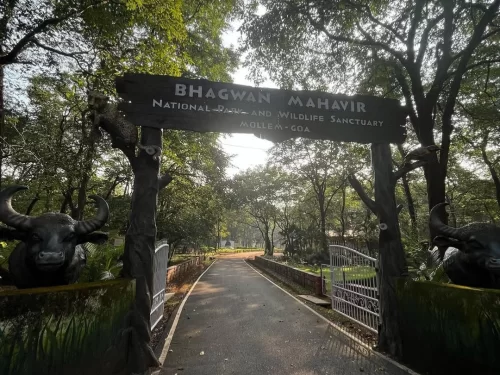
Netravali Wildlife Sanctuary was officially designated as a protected area in 1988 to conserve the unique Western Ghats biodiversity. It forms part of the larger Bhagwan Mahaveer–Netravali complex, connecting important forest corridors in South Goa.
The sanctuary is culturally significant for the local tribal communities, who have historically relied on its forests for traditional practices, including collection of medicinal plants and forest produce, while maintaining a respectful coexistence with wildlife.
Best Time to Visit Netravali Wildlife Sanctuary
The best time to explore Netravali Wildlife Sanctuary is during the dry and cooler months, which allow easier access to trails and better wildlife spotting opportunities.
- Ideal months: November to March
- Weather conditions: Mild temperatures, low humidity, and minimal rainfall make trekking and wildlife viewing comfortable
- Periods to avoid: June to September, due to heavy monsoon rains causing slippery trails and limited accessibility
How to Reach Netravali Wildlife Sanctuary
- Nearest airport: Dabolim Airport, Goa – approximately 65 km; taxi or car rental required for onward travel
- Nearest railway station: Margao Railway Station – around 60 km; local taxis and buses available
- Road access: Well-connected via NH566 and local roads; last-mile travel involves forest roads that may be narrow and uneven, so private vehicles or guided tours are recommended
What to Expect When You Visit Netravali Wildlife Sanctuary
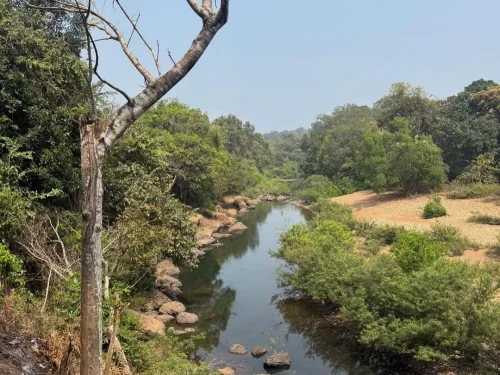
- Environment: Dense tropical forest with rich biodiversity, including streams, waterfalls, and abundant wildlife sightings.
- Facilities: Limited visitor amenities; small rest areas and basic signage are present, but no extensive food or lodging facilities inside the sanctuary.
- Accessibility: Walking trails vary from easy to moderate difficulty; some areas may be slippery during monsoon. Guided treks are recommended for deeper exploration.
- Visitor behavior: Moderate crowd levels; visitors typically come for wildlife spotting, birdwatching, and short treks. Quiet observation is expected to avoid disturbing wildlife.
Important Visitor Information for Netravali Wildlife Sanctuary
- Crowd and weather: Moderate visitor density; best visited during dry months from October to March. Monsoon months (June–September) can make trails slippery and rivers swollen.
- Peak hours: Early morning (6:00–10:00 AM) for wildlife spotting; quieter afternoons and late evenings are less crowded but may limit visibility.
- Dress code: Comfortable trekking attire with sturdy footwear; long sleeves and pants recommended to avoid insect bites.
- Safety notes: Carry water, insect repellent, and a basic first-aid kit. Avoid venturing alone into dense forest; follow marked trails and guidelines provided by forest authorities.
Photography and Viewpoints at Netravali Wildlife Sanctuary
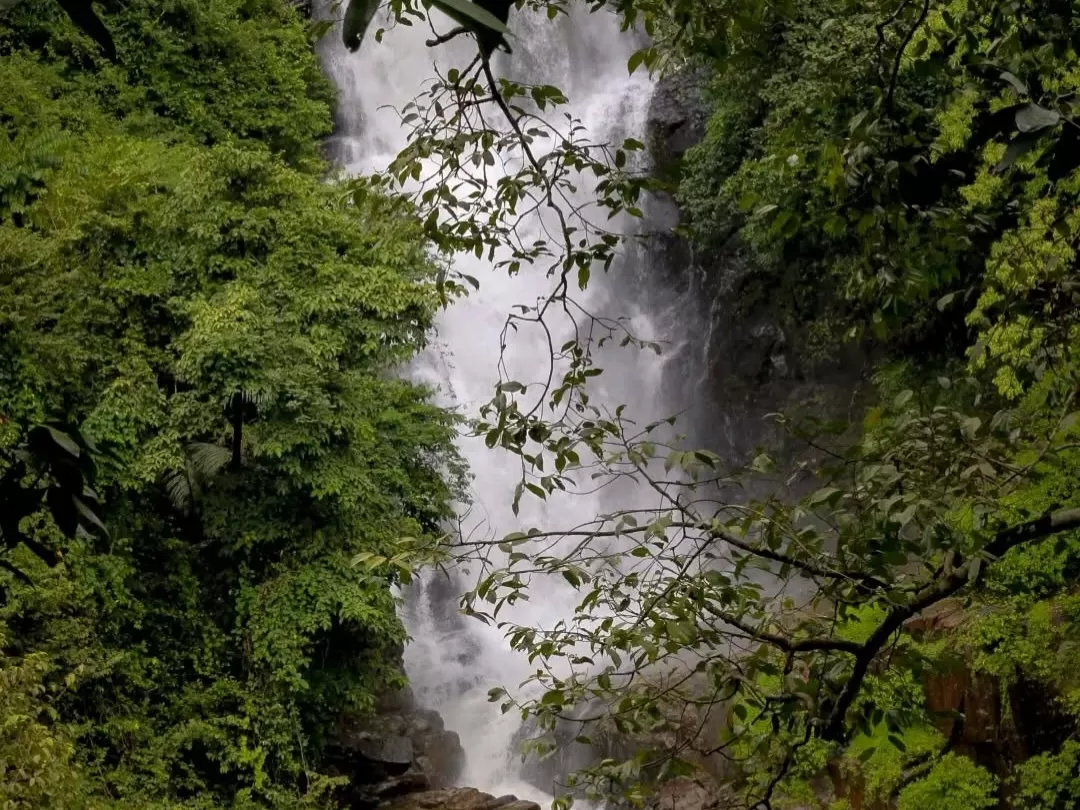
- Best viewpoints: The Netravali Butterfly Conservatory and streams near Savari Waterfall offer clear angles for wildlife and landscape photography.
- Lighting: Early morning (6:00–9:00 AM) provides soft natural light for wildlife; late afternoon (4:00–6:00 PM) enhances the forest canopy and waterfall reflections.
- Photography rules: No flash photography near animals; drones are not permitted without forest department permission.
- Crowd/access factors: Trails can be narrow; visit early to avoid groups obstructing views. Some areas require short treks over uneven terrain.