Quick Facts About Dolphin Spotting
| Entry Fee | 0 |
| Timings | 07:00 - 10:00 |
| Altitude (m) | 0 |
| Ideal Visit Duration (hrs) | 2 |
| Best Time of Day | Morning |
| Crowd Level | Moderate |
| Distance from Margao (km) | 6 |
| Walking Difficulty | Easy |
| Parking Available | Yes |
| Last Mile Access | Walk |
| Suitable for Kids | Yes |
| Suitable for Seniors | Yes |
| Wheelchair Friendly | No |
Why Visit Dolphin Spotting in South Goa
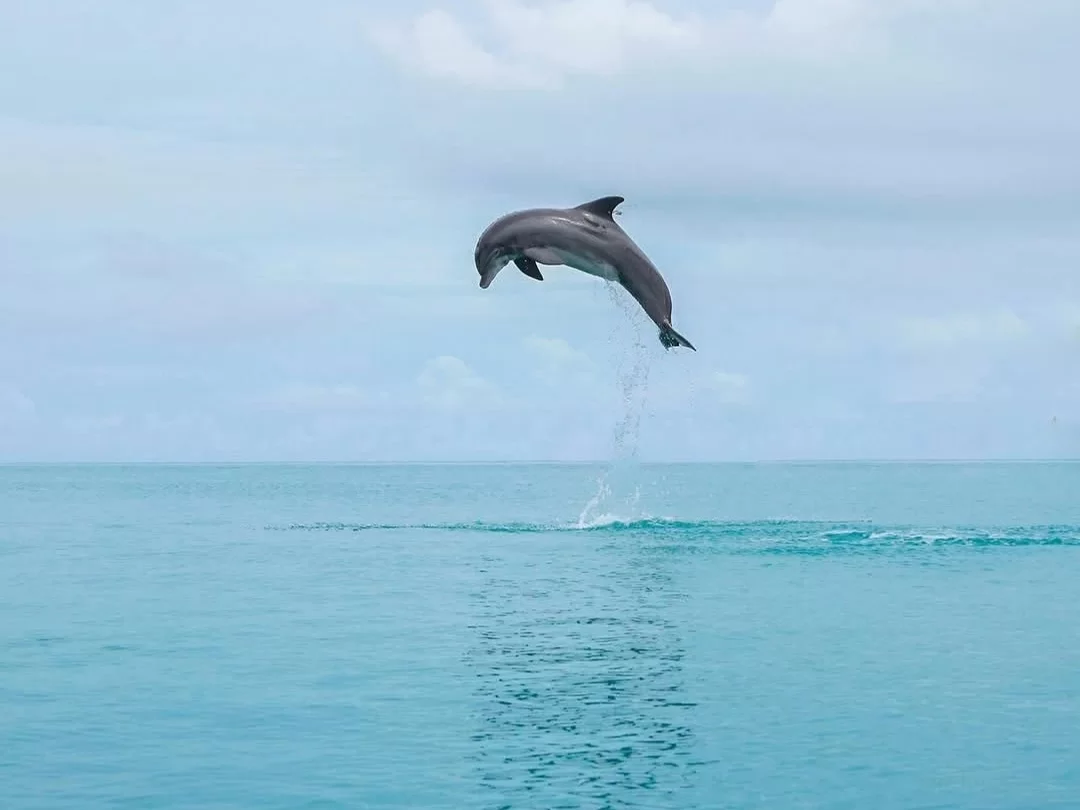
Visitors choose dolphin spotting in South Goa to see Indo-Pacific humpback dolphins and Indian Ocean bottlenose dolphins in their natural coastal habitat. Licensed local operators run early morning boat trips from beaches such as Colva, Benaulim, and Cavelossim, taking small groups a few kilometres offshore where sightings are most frequent.
On the ground, the experience starts at public beaches where operators coordinate departures based on sea conditions. Boats are typically small motorised vessels with mandatory life jackets. The ride includes views of South Goa’s quieter shoreline, with activity concentrated in the morning before the sea becomes rougher.
What makes this activity distinct is its accessibility and proximity to shore—wild dolphin sightings are possible within a short ride rather than a full-day excursion. Unlike aquarium or controlled environments, sightings depend entirely on natural movement patterns, so each trip differs in duration, route, and visibility.
History of Dolphin Spotting in South Goa
Dolphin spotting in South Goa is not a historical monument or heritage site but an activity that evolved from the region’s long-standing fishing communities. Local fishermen operating along beaches such as Colva, Benaulim, and Cavelossim have observed Indo-Pacific humpback and Indian Ocean bottlenose dolphins in nearshore waters for generations, as these species commonly travel along this stretch of the Arabian Sea.
Organised dolphin-watching trips began developing in the late 20th century as tourism expanded across Goa. Small mechanised fishing boats were adapted to carry visitors for short offshore rides, creating a seasonal livelihood supplement for coastal communities. Today, dolphin spotting remains a locally operated marine activity regulated under general coastal and maritime safety norms rather than a designated historical attraction.
Best Time to Visit Dolphin Spotting in South Goa
Dolphin spotting in South Goa is most reliable during the dry season when sea conditions are calmer and boat operations run consistently. Sightings depend on natural dolphin movement and sea visibility, so weather and water conditions directly affect the experience.
- Ideal months: October to May, with peak stability from November to February.
- Weather during best season: Generally clear skies, lower humidity from December to February, and calmer morning seas that improve visibility and safety for small boat rides.
- Periods to avoid: June to September (monsoon season) due to rough seas, heavy rainfall, reduced visibility, and frequent suspension of boat operations.
How to Reach Dolphin Spotting in South Goa
- Nearest Airport: Manohar International Airport (Mopa) is approximately 60–70 km from common departure beaches like Colva and Benaulim. Goa International Airport (Dabolim) is closer at around 20–25 km. Taxi and app-based cab services are available from both airports.
- Nearest Railway Station: Madgaon (Margao) Railway Station is the closest major railhead, about 6–10 km from popular dolphin spotting departure points such as Colva and Benaulim. Local taxis and auto-rickshaws provide onward connectivity.
- Road Access and Last-Mile Connectivity: Dolphin spotting trips operate from public beaches including Colva, Benaulim, and Cavelossim, all accessible by motorable roads. Visitors must walk across sandy beach areas to reach the boats. Parking is available near main beach entrances, but availability may be limited during peak season.
What to Expect When You Visit Dolphin Spotting in South Goa
- Environment and surroundings: Departures typically take place from beaches such as Colva, Benaulim, and Cavelossim. Boats travel a short distance into the Arabian Sea, remaining within coastal waters where dolphins are commonly sighted. Sea conditions are usually calmer in the early morning and can become choppier as the day progresses.
- Facilities and amenities: There is no dedicated jetty for dolphin tours; facilities depend on the specific beach. Public parking, restrooms, and small food stalls are available at major beaches, but boats do not have onboard toilets or covered seating.
- Accessibility and movement: Visitors must walk across sand to reach anchored boats and may need to step into shallow water while boarding. Seating is basic, and movement during the ride is limited due to safety considerations.
- Typical visitor conditions: Trips operate in small shared groups. Sightings are dependent on dolphin movement and are not guaranteed. Short waiting periods on the beach are common while operators assemble passengers and assess sea conditions before departure.
Safety & Important Visitor Information for Dolphin Spotting in South Goa
- Crowd and weather notes: Visitor demand is highest between November and February and during holiday weekends. Sea conditions directly affect operations; strong winds, high tides, or rough waters can result in delays or cancellations, especially outside the dry season.
- Peak and quiet visiting hours: Most operators run trips between 7:00 AM and 10:00 AM. Earlier departures generally experience calmer waters and better visibility. Activity reduces significantly after late morning due to increasing sea swell.
- Dress code: Wear light, quick-dry clothing and footwear suitable for sand. Boarding may involve stepping into shallow water. There is limited shade on small boats, so sun exposure is continuous during the ride.
- Safety notes and practical cautions: Choose licensed operators that provide life jackets. Follow crew instructions at all times, remain seated while the boat is moving, and avoid leaning overboard. Dolphin sightings are not guaranteed as they are wild marine animals.
Photography and Viewpoints at Dolphin Spotting in South Goa
- Best viewpoints: Photographs are taken from the boat once dolphins surface offshore. Seats along the outer edges offer clearer sightlines toward the water. Dolphins are typically sighted several hundred metres from beaches like Colva and Benaulim, making shore-based photography ineffective.
- Lighting conditions: Early morning departures (7:00–9:00 AM) provide softer light and relatively calmer seas, improving visibility. As the sun rises, glare from the Arabian Sea intensifies, which can affect clarity and contrast on the water surface.
- Rules and restrictions: There are no formal photography bans, but passengers must remain seated while the boat is in motion. Operators may restrict standing or shifting positions suddenly for safety reasons.
- Crowd and access factors: Boats are small and space is limited, so movement is restricted once seated. Dolphin appearances are brief and unpredictable, requiring quick framing. Boat movement and sea swell can affect image stability.